





 English
  Francês
  Alemão
  Italiano
  Japonês
  Norueguês
  Portuguese
  Spanish
  2 min of reading


Thinking About a More Modern and Sustainable Production, Petrobras Launched Two New Projects in the Refining and Natural Gas Industry for Low Carbon Policies
The two new projects for Petrobras’ transition regarding a low carbon policy will be called Biorefino and anticipate that by 2030, diesel and aviation biofuel will emit fewer pollutants than currently – the idea is to reduce by at least 30%.
Read Also
- Boosting the Economy and Job Creation: Brazil’s Sustainable Recovery Plan to Reduce Toxic Gas Emissions
- Petrobras Confirms Investments of Around US$ 90 Billion by 2024
- Have You Ever Thought About Being Hired for Some of These Offshore Positions?
“The main idea is that we can bring sustainable products to the Brazilian public in all areas we operate, adding value not only to the brand but also to the product. We want to keep our focus on quality refining and competitiveness, which can truly generate gains in the sustainable chain,” emphasizes the Director of Refining and Natural Gas at Petrobras, Anelise Lara.
Petrobras Gas+ Program
In summary, the Petrobras Gas+ program’s main goal is to increase the oil company’s competitiveness in the natural gas market. To make this possible, Petrobras plans to invest even more in digital contracts and sales through automated platforms, always trying to further retain customers and leave them with a sense of satisfaction.
-
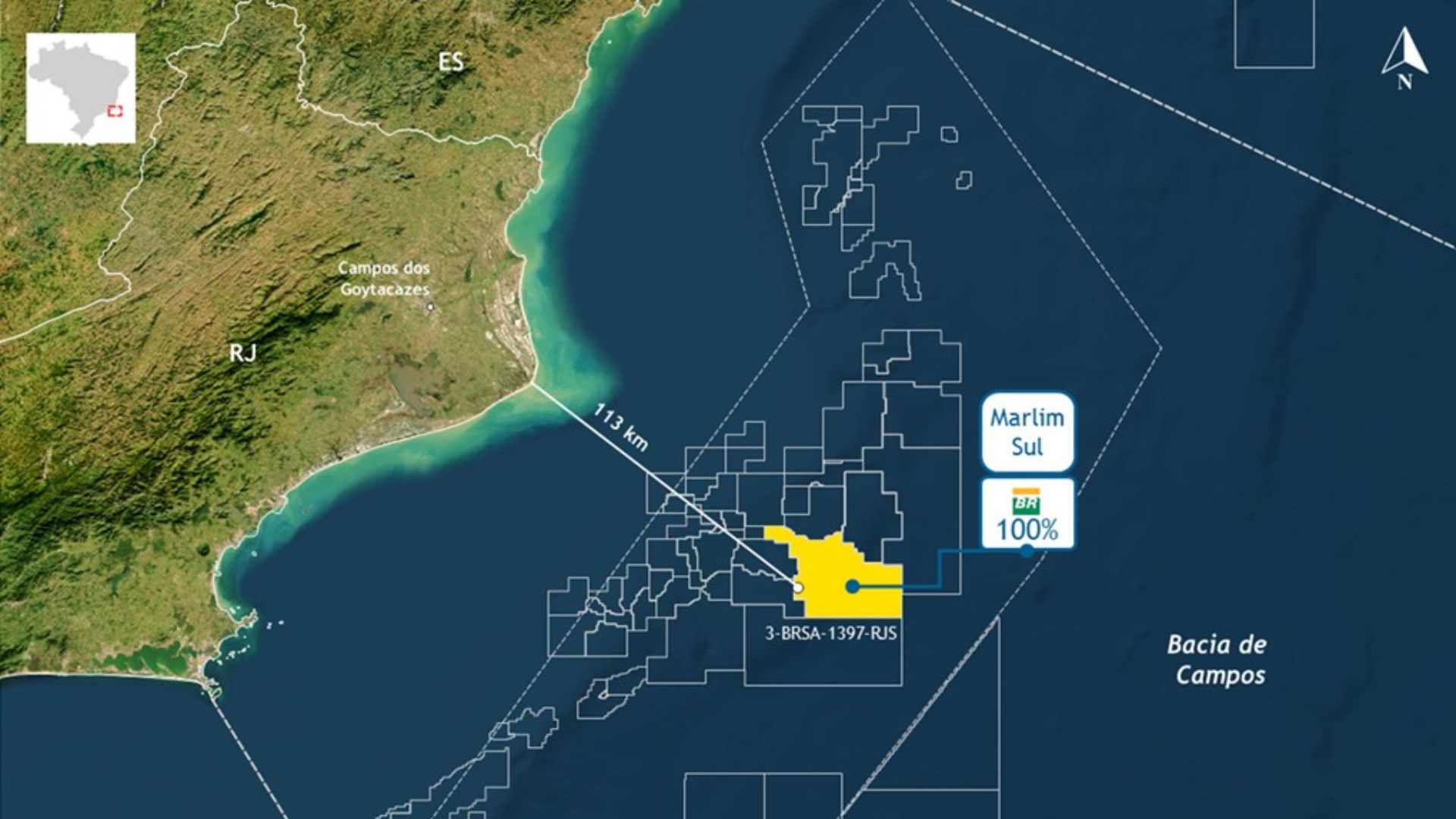
Petrobras finds high-quality oil in the pre-salt at 113 km from RJ and reignites expectations about strategic reserves in the Campos Basin.

-
Ocyan opens registrations for startups focused on innovation in the oil and gas sector and will select projects for Innovation Day with the support of Nexio.

-
Petrobras announces new oil discovery in the pre-salt of the Campos Basin and reinforces Brazil’s prominence with high-quality reserves that can increase production and energy revenues.
-
Alert in the fuel market: Analysts and a former director of ANP warn that oil prices may worsen in the coming months due to global instability.

In addition to modernizing its entire production process and launching two new programs focusing on mutual benefit and low carbon policies, Petrobras is also renewing and expanding its liquefied natural gas regasification terminal in Baía de Guanabara (TR-BGUA) from 20 to 30 MM m³/day.
Cutting-Edge Technology and AI
Petrobras has started using Microsoft’s Artificial Intelligence (AI) to enhance the safety of workers involved in its offshore operations, which is also part of the low carbon policy.
This innovation will help analyze images of field tasks focused on safety, environment, and health, detecting deviations and incidents, such as the improper use of Personal Protective Equipment (PPE), unsafe positioning concerning loads, obstruction of escape routes, and access to restricted areas.







Seja o primeiro a reagir!