





 Portuguese
  English
  Spanish
  3 min of reading
  0 comments


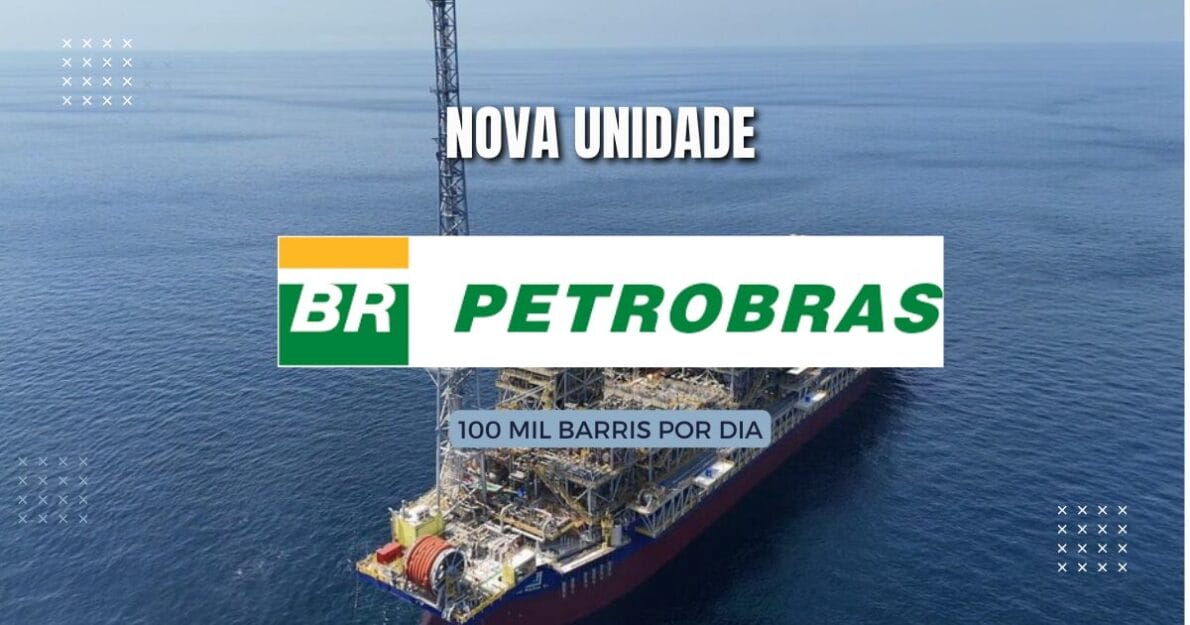
Production of 100 Thousand Barrels/Day and Energy for 230 Thousand Inhabitants, the FPSO Maria Quitéria of Petrobras Begins Operations in the Pre-salt Earlier Than Expected.
Petrobras surprised the market this Tuesday (15) by announcing the early inauguration of its new production unit in the Jubarte field, in the Campos Basin.
The FPSO Maria Quitéria is already in operation, achieving its first oil extraction, and promises to stimulate the energy sector by providing a production capacity that previously seemed distant.
In the Jubarte field, located in the area known as Whale Park, the floating platform Maria Quitéria is capable of producing up to 100 thousand barrels of oil and processing 5 million cubic meters of gas per day.
-
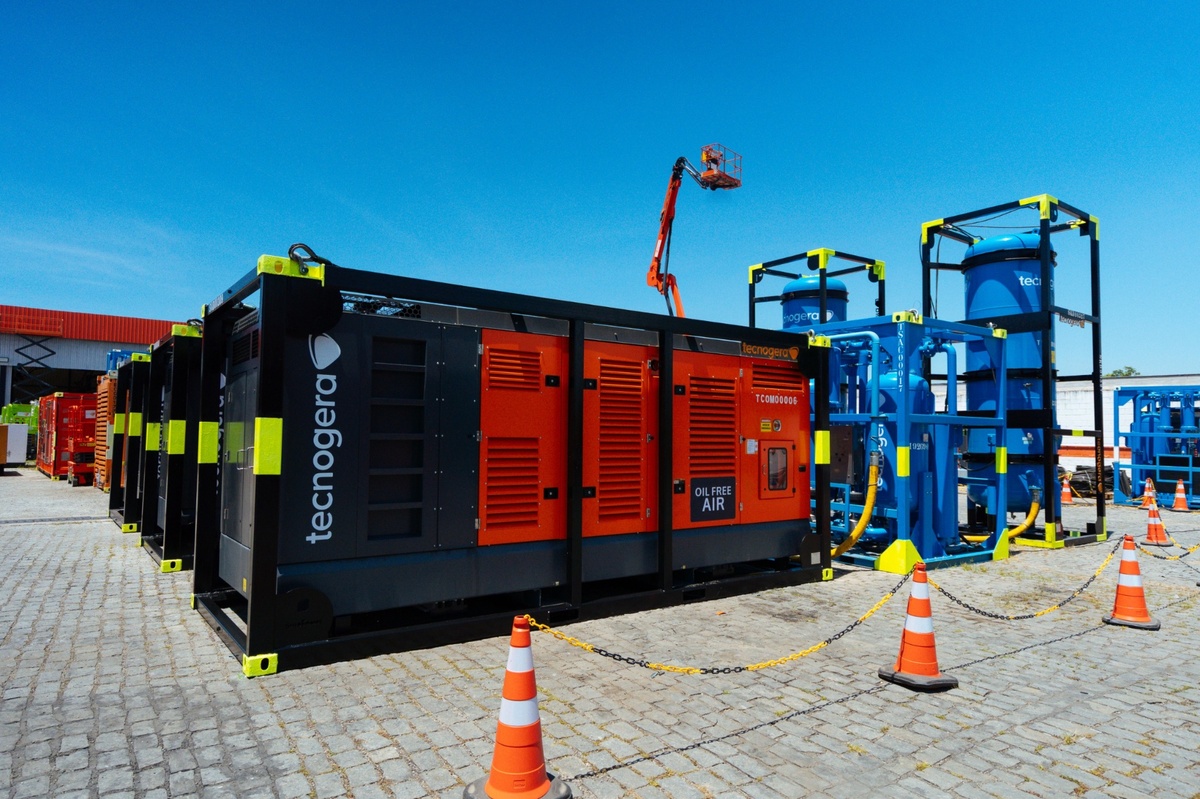
Offshore industrial demand in Macaé skyrockets with the recovery of oil and gas and could grow by up to 396% by 2026 in the Campos Basin.
-
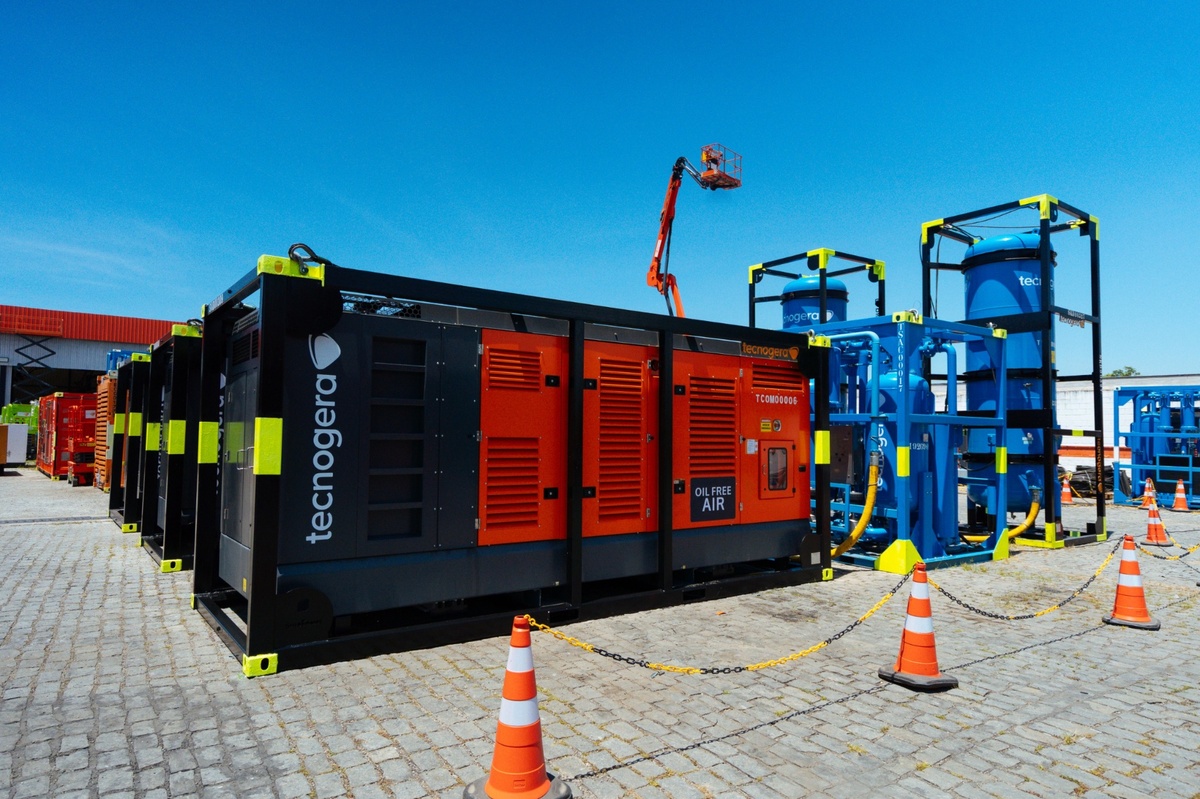
Offshore industrial demand in Macaé surges with the recovery of oil and gas and could grow by up to 396% by 2026 in the Campos Basin.
-
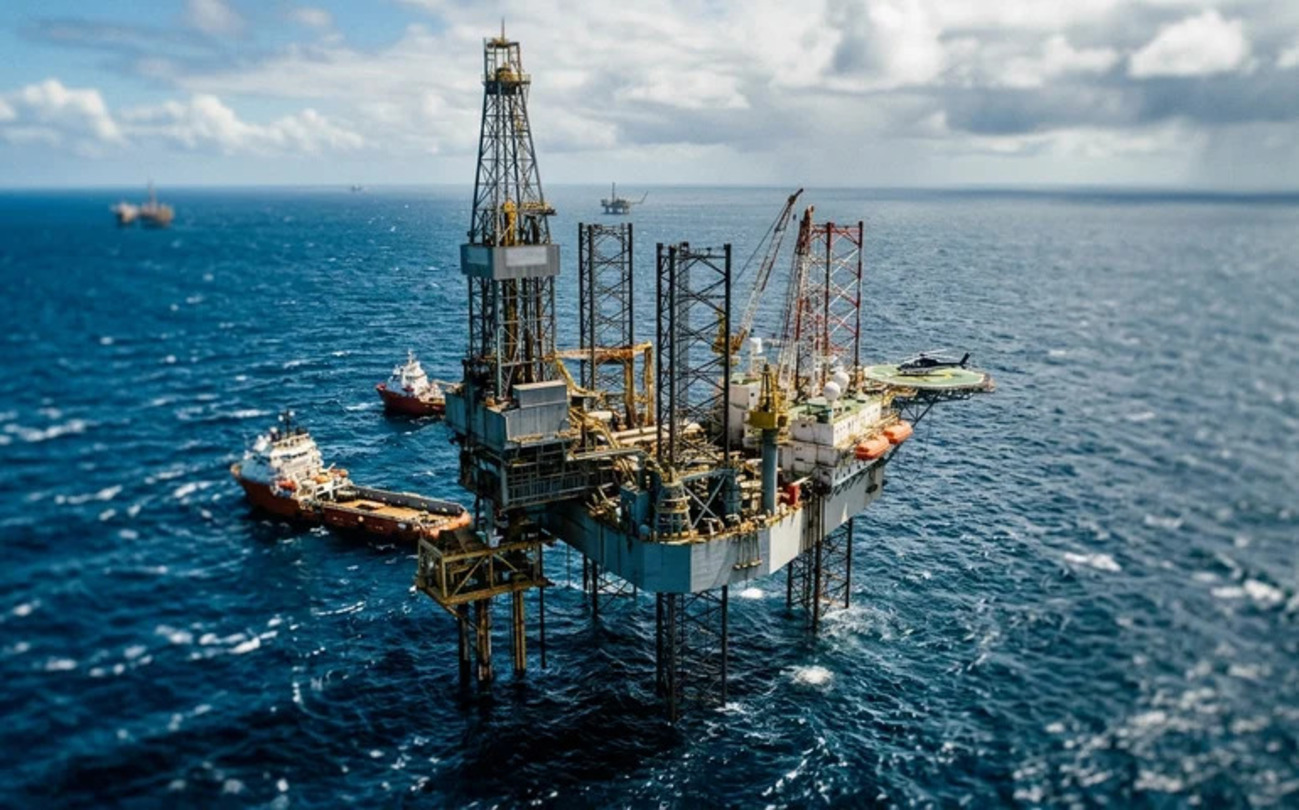
Brazilian giant expands borders in the Southeast: Petrobras confirms new oil discovery in ultra-deep waters in the pre-salt of the Campos Basin.
-
Alert in the global energy market: Severe tropical cyclone hits the coast and disrupts gas production at major plants in Australia, threatening global supply.

According to Petrobras, the initial forecast for the start of operations was only for 2025, but the entry was advanced, indicating a successful and efficient execution of the project.
With an imposing structure, the unit stands 156 meters tall and 333 meters long, and promises to reduce greenhouse gas emissions by up to 24%.
Technological Innovations Drive the Efficiency of Maria Quitéria
As reported by Petrobras, the FPSO (Floating Production, Storage and Offloading Unit) Maria Quitéria integrates the most advanced technologies for process optimization and carbon emission reduction.
In addition, the platform has a generating capacity of 100 MW of energy, enough to supply a city of 230 thousand inhabitants. This demonstrates a significant step for the company towards more sustainable operations and lower environmental impact.
The Jubarte field, where the unit is installed, is one of the main assets in Whale Park, in Espírito Santo.
Petrobras holds exclusive production rights, and according to the company, the FPSO will be connected to a total of eight producing wells and eight injectors, allowing for continuous high-yield extraction.
The Integrated Whale Park Project: Challenges and Expectations
Whale Park, which encompasses fields such as Dwarf Whale, Sperm Whale, Caxaréu, Pirambú, and Mangangá, is a project aimed at expanding the exploration capacity of Brazil’s pre-salt.
In 2019, Petrobras signed an agreement with ANP (National Agency of Petroleum, Natural Gas and Biofuels) to extend the concession until 2056, enabling the creation of new platforms like Maria Quitéria.
Currently, three other platforms operate in Whale Park: P-57, P-58, and FPSO Cidade de Anchieta.
According to Petrobras, Maria Quitéria will be responsible for about 40% of total production, which should boost pre-salt extraction in the state of Espírito Santo and consolidate the company as one of the world leaders in the oil and gas sector.
Prospects for the Future of Energy Production
The advancement in the operation of FPSO Maria Quitéria represents an important achievement for Petrobras and highlights Brazil’s capability to innovate and expand its production sustainably.
The expectation is that this new floating platform, with high production capacity and emission control technologies, will become a model for future deepwater exploration projects.
Ultimately, considering the impact of this platform on the country’s energy production, the question remains: how could technological advancement in pre-salt exploration transform Brazil into a global leader in the energy sector?








Seja o primeiro a reagir!