





 Portuguese
  English
  Spanish
  3 min of reading
  6 comments


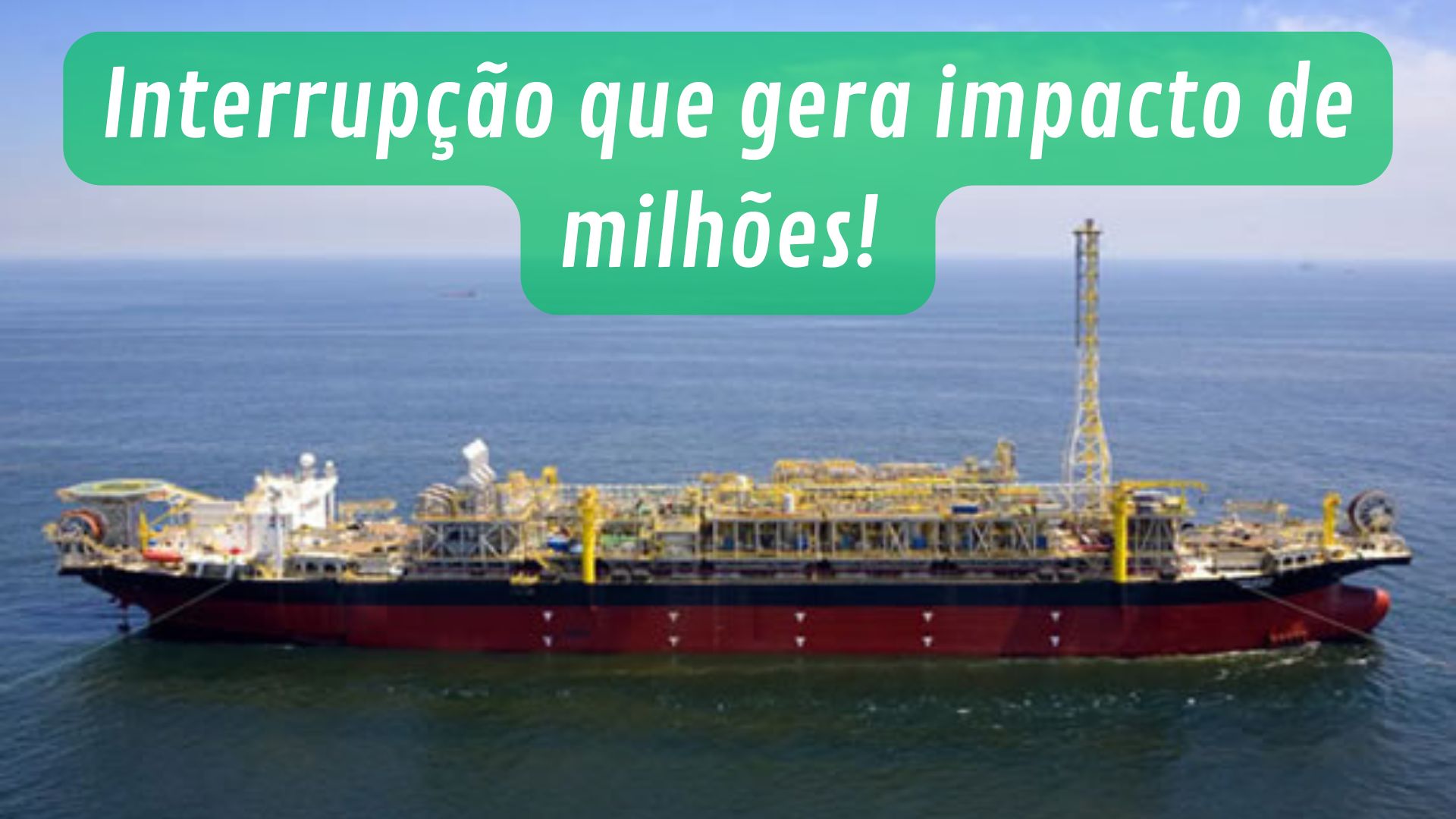

Petrobras Suspends Operations of FPSO Cidade de Santos: What This Means for the Oil and Gas Sector
Last Saturday, October 26, Petrobras temporarily suspended operations of the FPSO Cidade de Santos, a floating production and storage unit for oil and gas. The suspension comes at a critical moment, as the unit was returned by Enauta to Modec in July. Thus, Petrobras scheduled this downtime to carry out inspections and repairs, aiming to ensure both safety and efficiency of the operation.
Recent History: Frequent Interruptions and Scheduled Maintenance
This year, FPSO Cidade de Santos has already experienced several interruptions. From March to June, it was down for 97 days. In July, there was another three-day interruption, followed by two in August that totaled seven days, as well as another in September lasting three days. These figures were released by the National Agency of Petroleum, Natural Gas and Biofuels (ANP), which monitors all operations and stoppages, reinforcing Petrobras’ transparency in its activities.
Contract Termination by Enauta and Its Implications
Enauta initially acquired FPSO Cidade de Santos to expand its operations. However, in July, the company surprised the market by terminating its contract with Modec. Although it did not explain the reasons, Enauta stated that it is in contact with Petrobras to discuss the impacts on the Uruguá and Tambaú fields, which are connected to the Mexilhão gas pipeline, crucial for natural gas flow through Route 1.
-
Petrobras evaluates suspension of sales to distributors and considers canceling the cooking gas auction following guidelines from the Federal Government.
-
Lula reveals a masterstroke by Petrobras to undo a deal made by Bolsonaro, which involves the return of an important refinery that currently produces less than half of what was expected and makes Brazil dependent on international diesel.
-
A study confirms that the natural gas sector will reduce greenhouse gas emissions in Brazil by 0.5% and accelerate the energy transition by 2026.

-
Petrobras implements a severe adjustment and confirms a 55% increase in the price of aviation kerosene with a proposal for installment payments for the companies.


Financial Impact: Refund and Costs of the Terminated Contract
After the termination, Enauta recovered half of the amount paid as an advance, about US$ 7.2 million. The total contract was for US$ 48.5 million, including an additional US$ 10 million with Petrobras for the Uruguá and Tambaú fields. Furthermore, the contract included an adjustment linked to the price of Brent, which could add up to US$ 25 million to the amount, depending on oil market conditions.
Current Production of the Uruguá and Tambaú Fields
At the time of termination, the Uruguá and Tambaú fields were in production. The Uruguá field was producing approximately 2,000 barrels of oil per day, while Tambaú, focused on natural gas, was generating about 126,000 cubic meters per day. These fields are strategic, as they are part of the Santos Basin and connect to the Mexilhão gas pipeline, essential for Petrobras and the country’s gas supply.
Challenges and Outlook for the Oil and Gas Sector
The suspension of operations of FPSO Cidade de Santos highlights the challenges in the offshore sector in Brazil. Scheduled stoppages are vital for safety but affect the supply of oil and gas. Enauta’s termination further emphasizes the contractual risks and uncertainties in the sector. Therefore, Petrobras needs strategic planning to ensure it meets its goals in a scenario of high demand for oil and natural gas, making the continuity of operations crucial for Brazil and its economy.










Não vi na matéria nada que se referisse ao MMA.
A Petrobras parou o FPSO ou foi uma parada programada pela Modec? Qual foi o planejamento e o executado? Houve algum acidente, alguma perda de receita não planejada?
Os campos de Tambaú e Urugua são marginais e não produzem quase nada. Não tem nenhuma importância para a Petrobras como a matéria aponta. O grande prejuízo fica com a Enauta.