





 English
  Francês
  Alemão
  Italiano
  Japonês
  Norueguês
  Portuguese
  Spanish
  5 min of reading
  0 comments



Even With Records in Oil and Gas Production in 2025, American Oil Companies Are Cutting Jobs, Worsening Challenges in the U.S. Labor Market
In October 2025, an unexpected movement in the energy sector of the United States raised concerns among analysts and workers. American oil companies announced significant job cuts, even with oil and gas production on the rise.
The information was published by CNN Brasil this Friday (10), revealing a contradiction that could directly impact the labor market and the national economy.
Oil and Gas Production Rises, But American Oil Companies Cut Jobs
According to data released by CNN Brasil, oil production in the United States reached record levels in 2025, especially in the states of Texas and New Mexico.
-
Brazilian giant expands borders in the Southeast: Petrobras confirms new oil discovery in ultra-deep waters in the pre-salt of the Campos Basin.

-
Alert in the global energy market: Severe tropical cyclone hits the coast and disrupts gas production at major plants in Australia, threatening global supply.

-
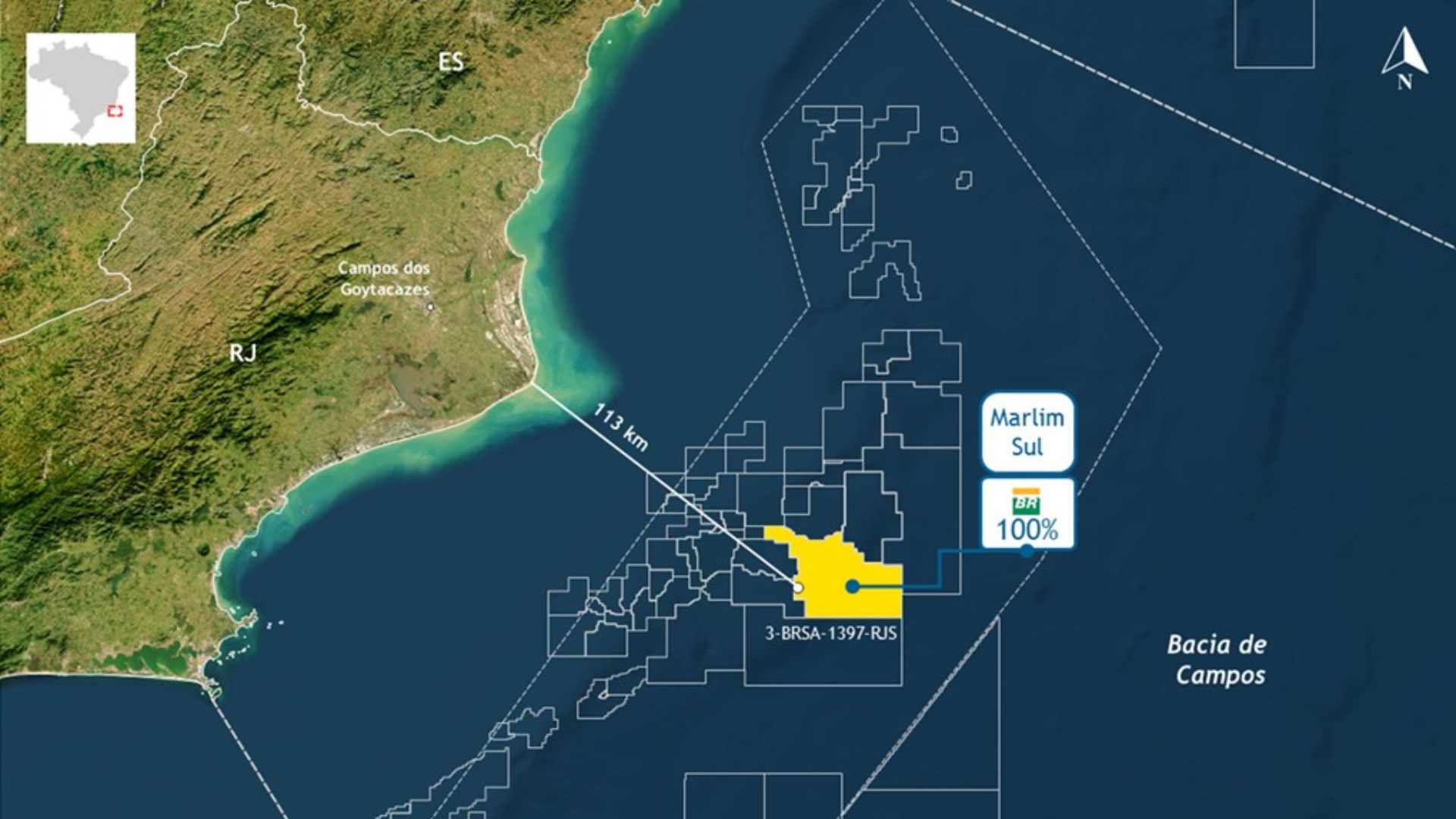
Petrobras finds high-quality oil in the pre-salt at 113 km from RJ and reignites expectations about strategic reserves in the Campos Basin.

-
Ocyan opens registrations for startups focused on innovation in the oil and gas sector and will select projects for Innovation Day with the support of Nexio.

However, companies like ExxonMobil and Chevron are enacting large-scale layoffs, justifying the actions based on internal restructuring and technological advancements.
The increase in production is not being accompanied by growth in job creation. On the contrary, the sector is becoming leaner, focusing on operational efficiency and automation.
Job Cuts: Main Reasons Pointed Out by American Oil Companies
The justifications for the cuts are diverse, but converge on some central points. According to industry specialists interviewed:
- Automation and Digitalization: technologies such as artificial intelligence, remote sensors, and autonomous systems are replacing operational roles previously performed by humans.
- Merger of Operations: companies are consolidating assets and eliminating administrative and operational redundancies.
- Pressure for Profitability: investors demand higher returns on capital, leading to cuts in personnel costs.
Impacts on the Labor Market in the United States
The energy sector is responsible for employing thousands of workers in areas such as drilling, transportation, engineering, and logistics. With the announced cuts, it is estimated that more than 6,000 jobs were eliminated in 2025, according to data from the Energy Workforce & Technology Council.
This scenario directly affects communities dependent on the oil industry, especially in states like North Dakota, Oklahoma, and Louisiana. The contraction in employment could generate ripple effects in the local economy, reducing consumption, tax revenue, and investments.
Additionally, the decrease in opportunities in the energy sector could increase pressure on social programs and raise unemployment rates in already vulnerable regions.
Production on the Rise and Jobs on the Decline: A Structural Contradiction
Although oil and gas production is on the rise, the number of workers in the sector has been decreasing. This contradiction is explained by a structural change in the business model of American oil companies:
- Less Labor, More Technology.
- More Production, Fewer Jobs.
This new model challenges public policies aimed at job creation and professional qualification. The U.S. government, through the Department of Energy, has already indicated the need to retrain workers for roles related to energy transition and the green economy.
The Role of American Oil Companies in the U.S. Economy
American oil companies are pillars of the national economy. They represent a significant share of GDP, exports, and infrastructure investments. However, the pursuit of efficiency can create social and economic imbalances if not accompanied by compensatory policies.
According to the Bureau of Labor Statistics, the oil and gas sector employed about 150,000 people in 2020. Estimates suggest that the number of jobs in the sector may have fallen below 120,000 in 2025, although consolidated data from the BLS is still being updated.
This decline represents a profound change in the dynamics of the sector, with direct impacts on family income and the revenue of producing states.
Market and Union Reactions to Job Cuts in the United States
Unions such as United Steelworkers criticized the cuts, stating that the profits of oil companies should be reinvested in stability and job generation. Meanwhile, Wall Street analysts view the cuts as positive for shareholders, as they increase profit margins and reduce operational risks.
This divergence of views illustrates the conflict between corporate and social interests. While investors celebrate the gains, workers face uncertainties and difficulties in re-entering the market.
Moreover, there is increasing pressure on companies to adopt more sustainable and socially responsible practices, especially in light of the global energy transition.
Outlook for the Future of Oil and Gas Production
The trend is that oil and gas production will continue to grow in the coming years, driven by global demand, technological advances, and geopolitical stability. However, the number of jobs may continue to decline, unless there is a paradigm shift.
Experts point out that the energy transition could be an opportunity to reabsorb some of the laid-off workers, with investments in renewable energy, energy efficiency, and clean technologies. Training programs and incentives for innovation are seen as viable paths to mitigate the social impacts of automation.
Strategies to Mitigate the Effects on the Labor Market
In light of the current scenario, it is essential for the government and the private sector to adopt measures to minimize the negative impacts on the labor market. Some strategies include:
- Professional Requalification Programs aimed at emerging sectors such as solar, wind, and green hydrogen energy.
- Tax Incentives for Companies That Maintain or Expand Their Workforce.
- Partnerships Between Universities and Companies to develop skills aligned with the new demands of the energy sector.
The adaptation of the workforce is one of the biggest challenges of the next decade. Without concrete actions, the risk of social exclusion and increased inequality becomes even more evident.


The Challenge of Balancing Technological Progress and Social Inclusion
The job cuts at American oil companies in 2025, even with production on the rise, are a clear signal of transformation in the energy sector. This change demands attention from governments, companies, and civil society to ensure that technological progress does not exclude workers.
It is essential for the United States to adopt policies for requalification, innovation encouragement, and social protection, so that economic growth is accompanied by inclusion and sustainability.








Seja o primeiro a reagir!