





 Portuguese
  English
  Spanish
  3 min of reading
  2 comments





New Rule Expands Research in Oil, Gas, and Renewable Energies
Since May 20, 2025, with the approval of Bill 5.066/2020 in the Senate, oil companies have had a new legal obligation. They must now allocate at least 1% of the gross revenue from exploration fields to research and development activities.
Additionally, contracts signed under the onerous assignment model will require an additional allocation of 0.5% of revenue.
The approved text also expands the scope of these investments.
Now, they must cover not only oil and gas but also renewable energy technologies, energy efficiency, emissions reduction, and carbon capture.
This change, advocated by legislators and industry experts, aims to ensure sustainability in the long term.
It also reinforces the strategic role of innovation in the national energy sector.
-
The rise in oil prices could ensure an extra revenue of R$ 100 billion for the Federal Government, indicates a recent economic study.

-
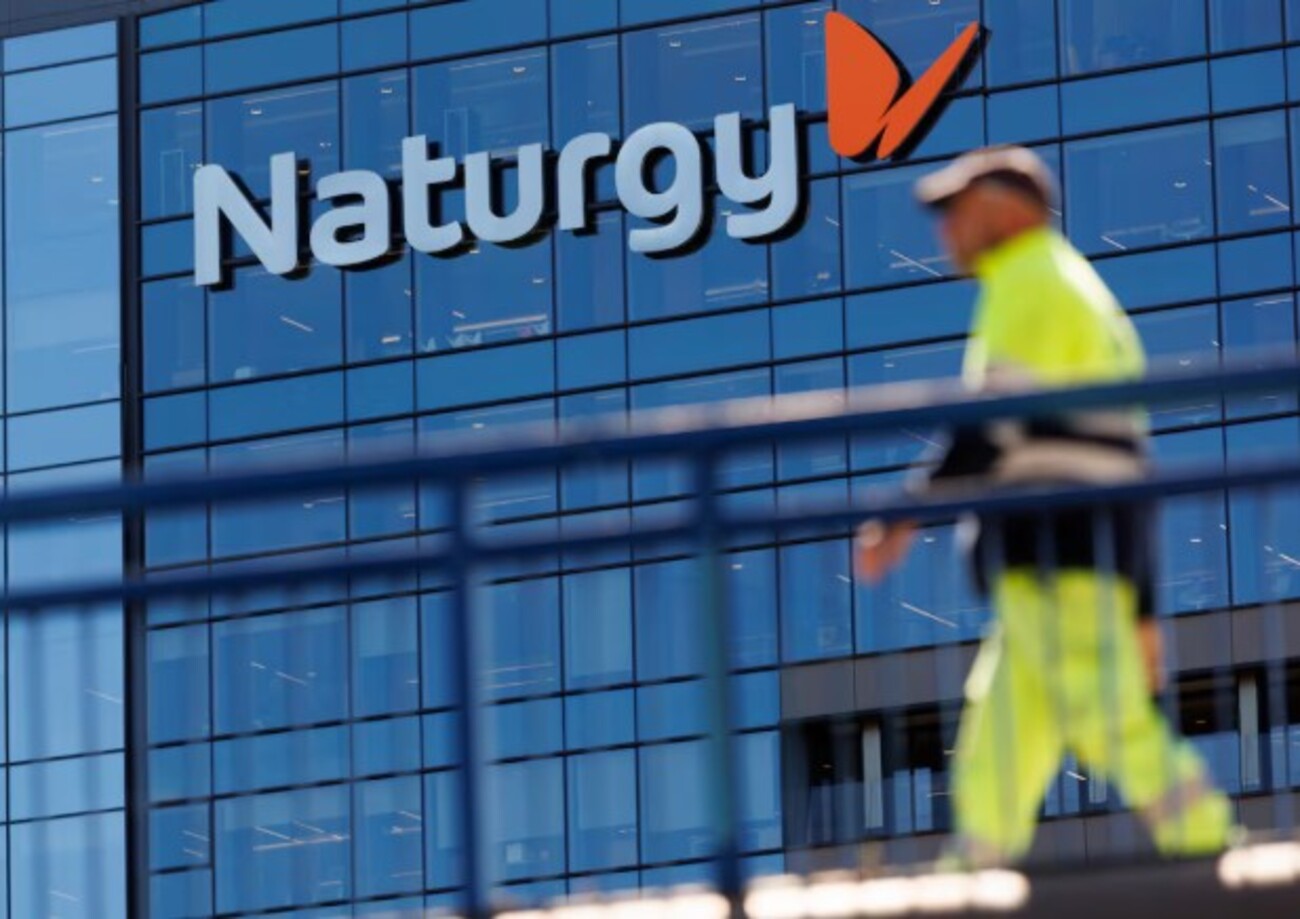
Naturgy begins an investment of R$ 1.6 million to expand the gas network in Niterói and benefit thousands of new residences and businesses.
-
A major turn in the Justice system suspends tax increases and directly impacts oil and gas companies in Brazil by affecting costs, contracts, and financial planning, leaving uncertain what could happen to the sector if these costs had increased.

-
Brava Energia begins drilling in Papa-Terra and Atlanta and could change the game by reducing costs in oil while increasing production and strengthening competitiveness in the offshore market.


Resources Must Reach All Regions of the Country
According to the signed text, at least 50% of the resources must be allocated to universities and research centers accredited by the National Agency of Petroleum (ANP).
The proposal seeks to decentralize investments and avoid concentration in only one region.
As a result, within five years, a minimum distribution of 10% of these resources to each region of the country will be mandatory.
Thus, the North, Northeast, Central-West, Southeast, and South must be equally benefited.
However, this condition cannot compromise ongoing contracts or research.
The current concentration of investments in Rio de Janeiro compromises the scientific evolution of other regions. Therefore, regional expansion is seen as a measure for balance and democratization of access to knowledge.

New Clause Will Be Mandatory in Exploration Contracts
From the new legislation, all contracts in the sector will need to include the so-called R&D clause.
This means that, regardless of the regime (concession, sharing, or onerous assignment), the allocation of resources to research becomes an indispensable condition for their validity.
Without this clause, any contract may be deemed irregular.
This aims to ensure that the commitment to innovation is present at all stages of the production chain.
Furthermore, this requirement seeks to improve the control of the allocation of funds dedicated to science.
The text also defines mechanisms that ensure the effective application of funds.
The ANP will receive reports and conduct periodic audits to intensify oversight.
Mandatory Investment in Geological Data and Soil Studies
In the first five years of the new law, those responsible for allocating resources to R&D must allocate at least 5% of these funds to the collection of geological data.
This requirement includes geochemical and geophysical studies in terrestrial sedimentary basins, which are still underexplored currently.
The measure aims to enhance technical knowledge in these areas. This could open new exploration possibilities onshore, especially in the North and Central-West regions.
According to the rapporteur, this type of mapping is essential for diversifying Brazil’s producing areas.
Additionally, the inclusion of this data in the sector’s strategic planning will also help reduce operational risks and increase the financial return of projects.
Project Moves to Sanction After Senate Approval
The Senate approved the project on May 20, 2025, and then the Chamber of Deputies will review it. After that, the government may definitively sanction the measure.
If approved without changes, it will come into effect 180 days after its official publication.
Furthermore, it is worth noting that this mandated requirement does not hinder voluntary investments in any way.
That is, companies wishing to invest more in research may do so without restrictions.
Thus, a new minimum baseline is created, without preventing more innovative companies from advancing beyond the legal requirements.
The new rule alters significant provisions of the Petroleum Law (Law 9.478/1997) and the Pre-Salt Law (Law 12.351/2010).
Therefore, it will impact both existing and future contracts, promoting greater control, regional balance, and sustainability.









Uma ótima notícia se for realmente aplicada com seriedade e principalmente implantada em inovações que fomentem empresas que tem expertise em tecnologia e não apadrinhados políticos.
eu já comentei e não foi publicado!!!!