





 Portuguese
  English
  Spanish
  6 min of reading
  0 comments


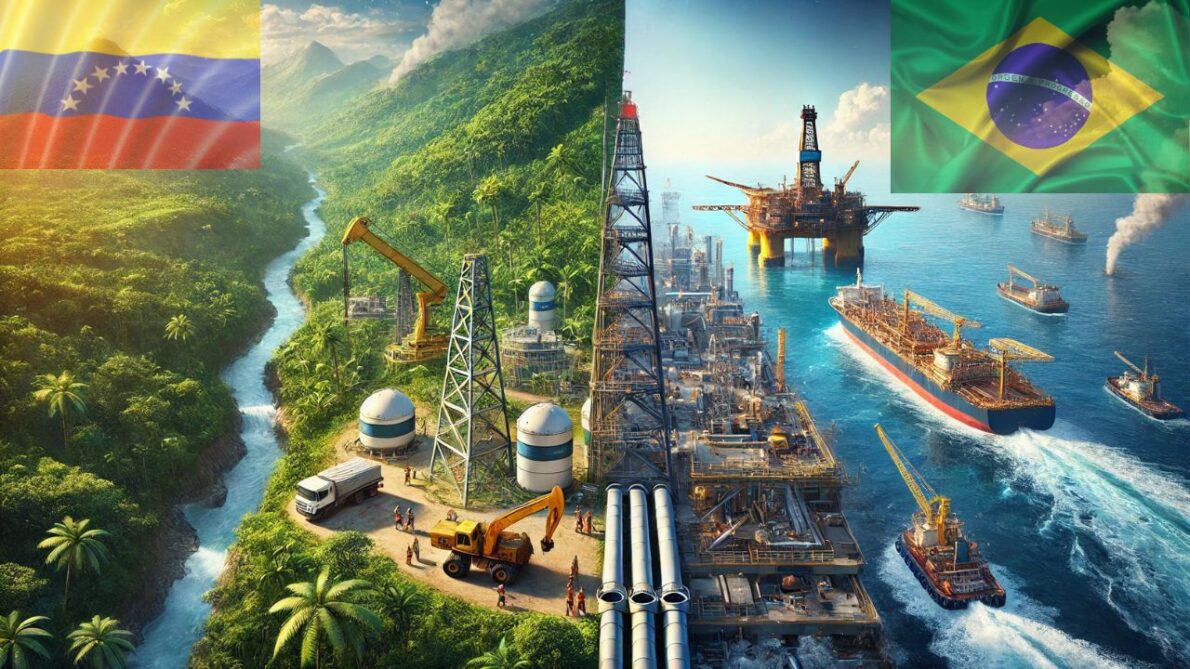
Discover The Oil Paradox! Venezuela Has The Largest Oil Reserves In The World, But Produces Little. Meanwhile, Brazil Becomes A Powerhouse With Its Vast Pre-Salt Reserves
East of Venezuela, the Orinoco Oil Belt wants to return to its golden era, but faces political, economic, and technical challenges. Venezuela has the largest proven oil reserves in the world: 300.878 billion barrels. To put it in perspective, Saudi Arabia has a reserve of 267 billion barrels on its territory.
Venezuelan oil is concentrated in the Orinoco Oil Belt, a region of 55,314 square kilometers east of the country that extends over the Orinoco River basin. The Orinoco Oil Belt is rich in heavy and extra-heavy oil, a type of dense and viscous oil that requires more expensive and challenging extraction and refining processes to be transformed into usable products, such as gasoline and diesel.
The Twenty-First Country In Oil Production
The Orinoco Oil Belt has been known since January 1936, when the American company Standard Oil of New Jersey drilled the first well: “La Canoa-1” in the state of Anzoátegui. Despite its antiquity, the Orinoco Oil Belt remains the largest known oil reserve. However, it has been unable to recover for years due to political sanctions and the technical and economic problems surrounding it.
-
The rise in oil prices could ensure an extra revenue of R$ 100 billion for the Federal Government, indicates a recent economic study.

-
Naturgy begins an investment of R$ 1.6 million to expand the gas network in Niterói and benefit thousands of new residences and businesses.
-
A major turn in the Justice system suspends tax increases and directly impacts oil and gas companies in Brazil by affecting costs, contracts, and financial planning, leaving uncertain what could happen to the sector if these costs had increased.

-
Brava Energia begins drilling in Papa-Terra and Atlanta and could change the game by reducing costs in oil while increasing production and strengthening competitiveness in the offshore market.
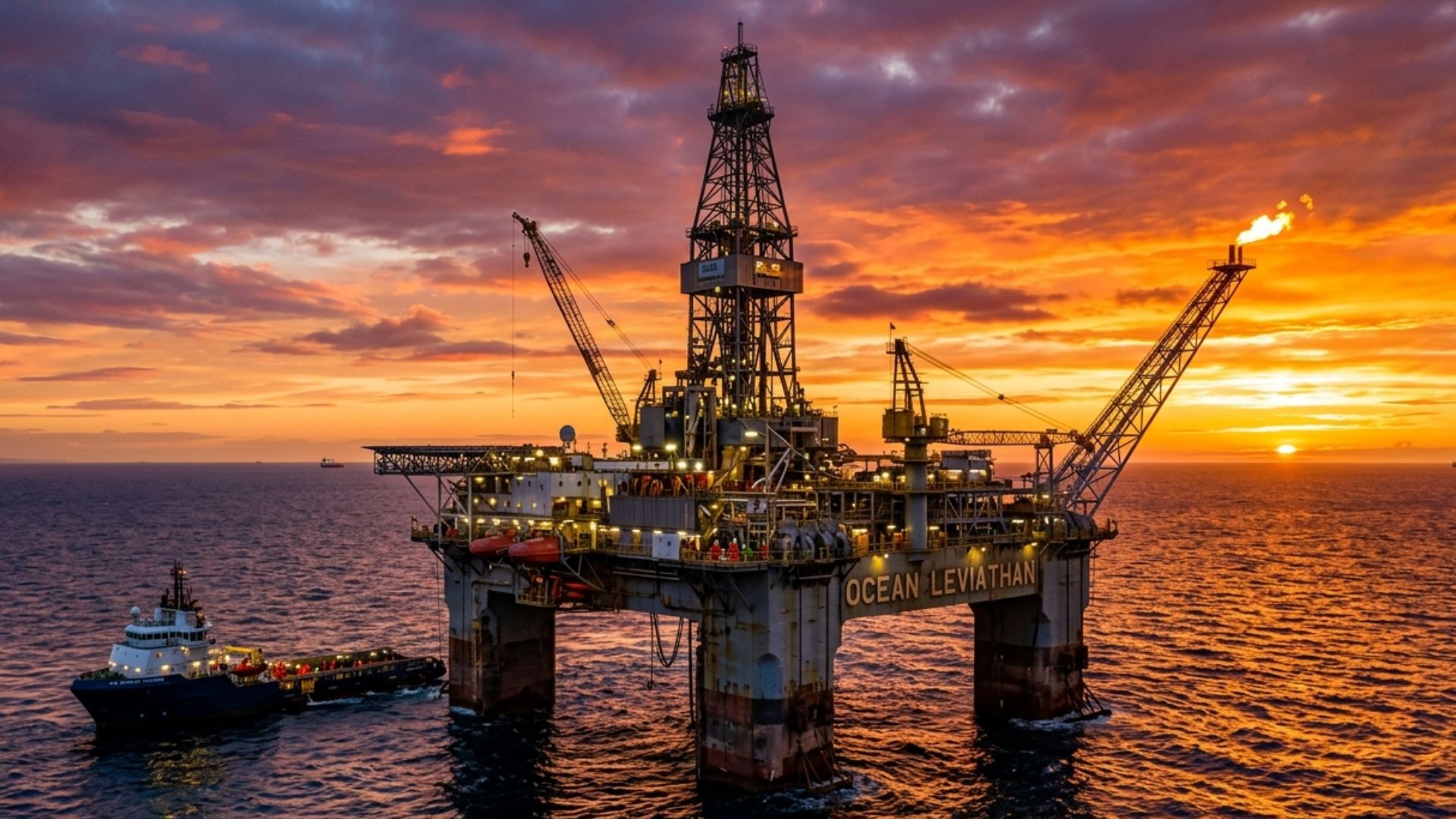

At its oil peak, Venezuela produced three million barrels daily. Today, it is the twenty-first country in the world in oil production, with 770 thousand barrels per day, even behind its neighbor Colombia. The United States, Russia, and Saudi Arabia lead the ranking with 8-12 million barrels daily.
Challenges And Hope
Sanctions on Venezuelan oil, led by the U.S. government, were suspended for six months in October 2023, allowing a timid return of foreign companies to the Orinoco Oil Belt.
The moratorium highlighted that the Venezuelan oil sector has problems beyond the political; it has structural issues. After years of neglect, corruption, and economic crisis, Venezuelan oil needs foreign investment to modernize the expensive infrastructure used to extract and process heavy oil.
Although the sanctions were reactivated last month as a pressure measure by the Biden Administration against Nicolás Maduro’s government, foreign companies now have the opportunity to obtain individual licenses to mitigate their effect, which brings a small hope for a country where oil remains the economic engine.
The Oil Moment of Latin America
Modernizing the infrastructure, attracting foreign investment, and stabilizing the economy are crucial steps, but it remains uncertain if they will be enough to recover the full economic potential of the Orinoco Oil Belt.
The context seems favorable. Latin American countries are immersed in an “oil gold rush,” with the most extreme case being neighboring Guyana, which saw a 33% growth in GDP thanks to reserves discovered off its coast in 2015. Meanwhile, Brazil has risen to eighth place in global oil production.
The question lingering in the air is the same for all these countries: what will happen to their investments when the expected decline in oil demand occurs due to the energy transition? For now, much of the world acts as if we will continue burning oil for many years. Perhaps that is the answer.
Brazil’s Rise In Oil Production: An Energy Power In Latin America And The World
In recent years, Brazil has stood out as one of the major oil powers not only in Latin America but also in the global arena. The combination of vast reserves in deep waters, investments in cutting-edge technology, and favorable government policies has propelled the country to new heights in the energy sector.
The Historical Context And Brazilian Reserves
The history of oil exploration in Brazil dates back to the early 20th century, but it was the discovery of oil reserves in the pre-salt layer in 2006 that revolutionized the industry. Located in ultra-deep waters off the Atlantic coast, these reserves represent one of the largest oil discoveries in recent decades. The most notable areas include the Tupi fields (later renamed Lula), Libra, Búzios, and Sépia, among others.
The Pre-Salt Layer
The pre-salt layer extends approximately 800 km along the Brazilian coast, from Espírito Santo to Santa Catarina, with estimated recoverable oil reserves of over 50 billion barrels. Production in this region has been a game changer for the Brazilian oil industry. In 2023, the average daily production of pre-salt oil was about 2.5 million barrels, accounting for over 70% of the country’s total oil production.
Total Oil Production In Brazil
Currently, Brazil is the largest oil producer in Latin America and the eighth largest in the world. The total oil production in the country in 2023 was approximately 3.2 million barrels per day. This production is divided among the following main areas:
- Pre-Salt: 2.5 million barrels per day
- Post-Salt: 500 thousand barrels per day
- Onshore: 200 thousand barrels per day
Production in the post-salt and onshore areas also contributes significantly to Brazil’s energy portfolio, although on a smaller scale compared to the pre-salt.
Petrobras And The Role Of Foreign Companies
Petrobras, Brazil’s state oil company, plays a crucial role in oil exploration and production in the country. With continuous investments in exploration technology in deep waters, Petrobras has managed to maintain efficiency and competitiveness in the global market. Additionally, the Brazilian government has promoted the entry of foreign companies into the sector through auctions of exploration and production blocks.
Companies like Shell, Total, ExxonMobil, and Equinor have significant stakes in the pre-salt exploration consortia. This international partnership has been fundamental for technological development and attracting the investments necessary for exploring ultra-deep reserves.
Economic And Geopolitical Impact
The increase in oil production in Brazil has a significant impact on the country’s economy. The oil industry represents a considerable share of Brazil’s GDP and is a vital source of government revenues through royalties and taxes. Moreover, the export of crude oil and refined products strengthens the country’s trade balance.
In the geopolitical scenario, Brazil has established itself as a key player in the global energy market. The production capacity of the pre-salt positions the country prominently, allowing it to influence international oil prices and ensure a stable supply for global markets. Brazil’s participation in the Organization of the Petroleum Exporting Countries (OPEC) as an observer also reflects its growing role in the international arena.
Challenges And Future Perspectives
Despite the successes, the Brazilian oil sector faces significant challenges. Exploration in ultra-deep waters is technically complex and requires continuous investments in technology. Additionally, environmental issues and increasingly stringent regulations impose additional barriers. Brazil also needs to address the volatility of international oil prices, which can impact the profitability of exploration and production projects.
However, future prospects are promising. The continued expansion of production in the pre-salt, combined with new discoveries and the entry of more foreign companies into the market, should ensure that Brazil maintains its position as a global oil power. The energy transition and the search for more sustainable energy sources also represent opportunities for Brazil to diversify its energy portfolio and invest in clean technologies.
Brazil has emerged as a leader in oil production in Latin America and the world. With its vast pre-salt reserves, technological investments, and international partnerships, the country is well-positioned to continue playing a crucial role in the global energy market. Brazil’s upward trajectory in oil production not only strengthens its economy but also solidifies its position as an influential geopolitical actor. While facing challenges, the future of the Brazilian oil sector looks bright, promising continuous and sustainable growth.







Seja o primeiro a reagir!