





 Portuguese
  English
  Spanish
  4 min of reading
  0 comments



Trump’s Goal of Reducing Oil Prices to US$ 50 Is Considered Possible by Analysts, but Involves Risks to OPEC, U.S. Producers, and Global Energy Market Balance.
The goal of President Donald Trump to bring oil prices down to the US$ 50 per barrel range has returned to the center of discussions in the international energy market. Although the aim is to reduce fuel costs for American consumers, analysts assess that the path to this level may have significant impacts on producers, exporting countries, and the balance of global supply.
Even before any concrete changes in Venezuela’s production, oil was already on a downward trend. The benchmark futures contract in the United States was trading below US$ 60 per barrel, stabilizing around US$ 57.76, reflecting an excess supply scenario and moderate demand growth.
In this context, the goal defended by Trump began to be viewed as technically feasible. However, maintaining low prices sustainably involves complex variables and conflicting interests in the oil market.
-
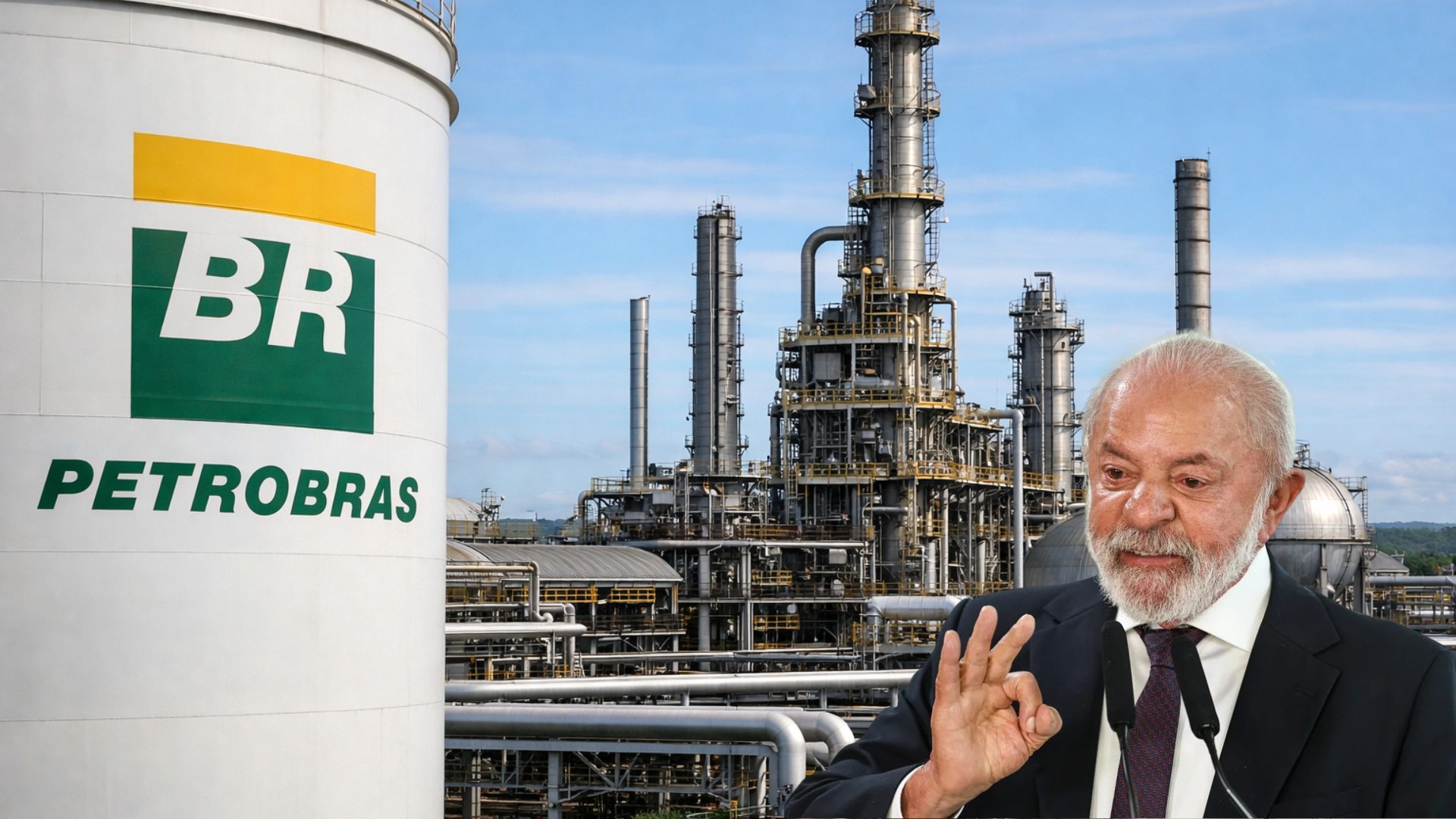
Lula reveals a masterstroke by Petrobras to undo a deal made by Bolsonaro, which involves the return of an important refinery that currently produces less than half of what was expected and makes Brazil dependent on international diesel.
-
A study confirms that the natural gas sector will reduce greenhouse gas emissions in Brazil by 0.5% and accelerate the energy transition by 2026.

-
Petrobras implements a severe adjustment and confirms a 55% increase in the price of aviation kerosene with a proposal for installment payments for the companies.

-
The rise in oil prices could ensure an extra revenue of R$ 100 billion for the Federal Government, indicates a recent economic study.


Excess Supply Was Already Pressuring the International Market
According to sector analysts, oil was already approaching the US$ 50 range even without new significant production additions. Dan Pickering, director of investments at Pickering Energy Partners, notes that supply has been consistently increasing in non-OPEC countries such as Brazil, Guyana, and Canada.
Furthermore, projections from the U.S. Energy Information Administration indicate that global stocks could increase by more than 2 million barrels per day through 2026. This movement reinforces the perception that the market was already unbalanced before any additional geopolitical factors.
Goldman Sachs, in earlier estimates, projected that U.S. benchmark oil could average around US$ 52 per barrel in 2026. The bank assesses that prices could fall even more if Venezuelan production increases by about 400,000 barrels per day.
Venezuela’s Role Could Accelerate the Fall in Prices
Although accounting for less than 1% of global oil production, Venezuela has the potential to influence the market in the short term. Currently, the country produces about 900,000 barrels per day. A relatively modest increase could have a significant impact on international prices.
According to Goldman Sachs, this growth could occur with short-term measures such as increasing the supply of diluents, recovering wells, reactivating damaged refineries, and easing sanctions. Robert Auers, an analyst at RBN Energy, states that adding a few hundred thousand barrels per day could “significantly reduce prices.”
For comparison, 400,000 daily barrels represent approximately half of the expected growth in global demand in 2026, according to the International Energy Agency.
OPEC and U.S. Producers Emerge as Obstacles
Despite the technical feasibility, two factors could hinder maintaining oil prices around US$ 50. The first is the reaction of OPEC+. The group accounts for about half of global supply and relies on higher prices to balance their budgets.
Gary Ross, CEO of Black Gold Investors, states that Saudi Arabia is uncomfortable with Brent prices near US$ 50. According to the International Monetary Fund, Saudi Arabia’s fiscal breakeven price exceeds US$ 86 per barrel in 2026.
While OPEC+ has kept production stable until the end of March, future decisions may include cuts to sustain prices. In other crisis moments, however, the group has also opted to increase production to defend market share.
The second obstacle lies with American producers. Companies in the Permian Basin have already indicated that persistently low prices could lead to reduced investments. Diamondback Energy stated that if oil remains in the “low US$ 50s” range, capital cuts become inevitable.
Data from the Federal Reserve Bank of Dallas shows that many producers consider prices between US$ 61 and US$ 62 per barrel as the minimum to make new wells viable.
Cheaper Gasoline May Not Require Oil at US$ 50
Despite the focus on the barrel price, analysts emphasize that the reduction of gasoline costs in the United States does not depend solely on oil being at US$ 50. According to Ross from Black Gold Investors, Venezuelan oil, if it returns to the American market, could alleviate specific bottlenecks in the country’s refineries.
U.S. refineries are optimized to process heavy oil, similar to that imported from Mexico and Canada. With Mexican production in decline and part of the Canadian oil being redirected after pipeline expansions, Venezuelan oil could fill this gap.
In this scenario, prices slightly above US$ 50 could represent a breaking point. They would meet political demands for cheaper fuels without imposing excessive losses on major oil producers.









Seja o primeiro a reagir!