





 Portuguese
  English
  Spanish
  4 min of reading
  0 comments


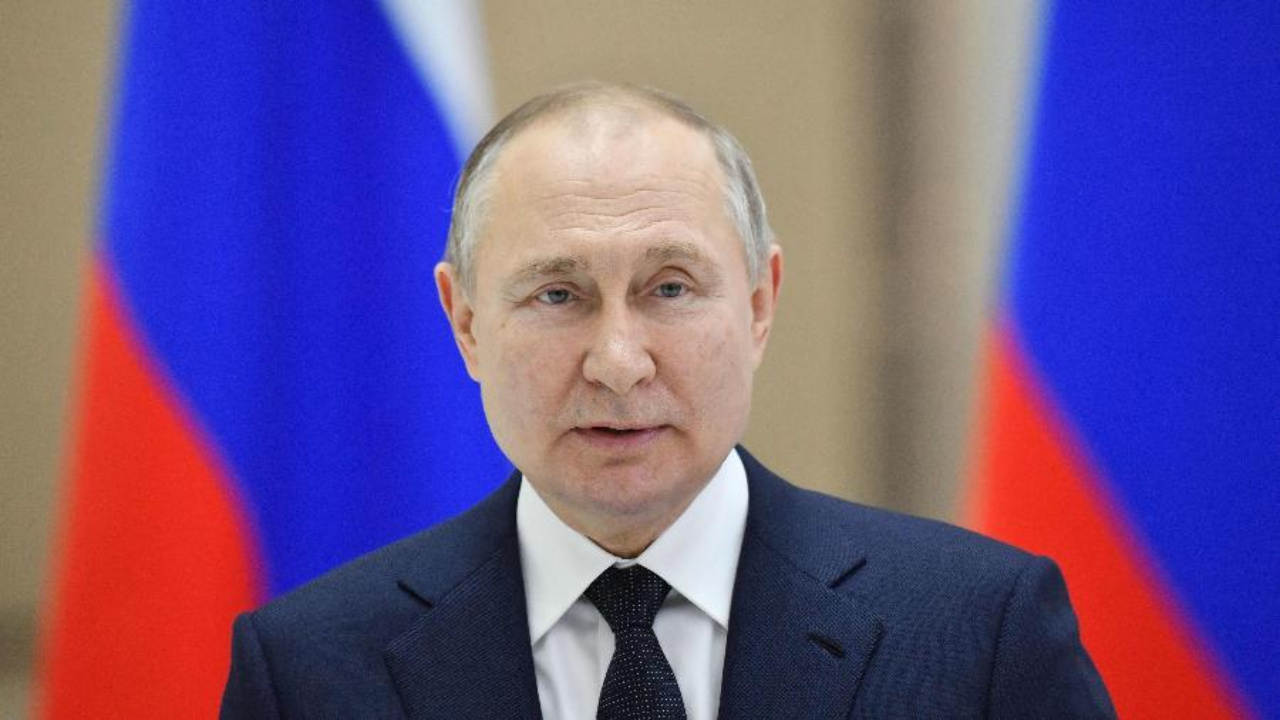
Oil And Russia Remain At The Center Of The Global Economic Debate, With Analyses Indicating That The Reconfiguration Of The Russian Economy Reduces Collapse Risks Even Amid Sanctions And Falling International Prices.
The Russian economy continues to be under intense international scrutiny, especially amid the volatility of the oil market and the maintenance of Western sanctions. Yet, recent analyses indicate that the country is not heading toward economic collapse in the short term.
After years of structural adjustments, Moscow has built a model more resilient to external shocks, capable of absorbing declines in oil prices and trade restrictions.
Although oil remains a central component of state revenue, its relative importance has decreased within the Kremlin’s fiscal strategy. This redesign has allowed for greater budget predictability, even in a scenario of prolonged war and geopolitical uncertainties.
-
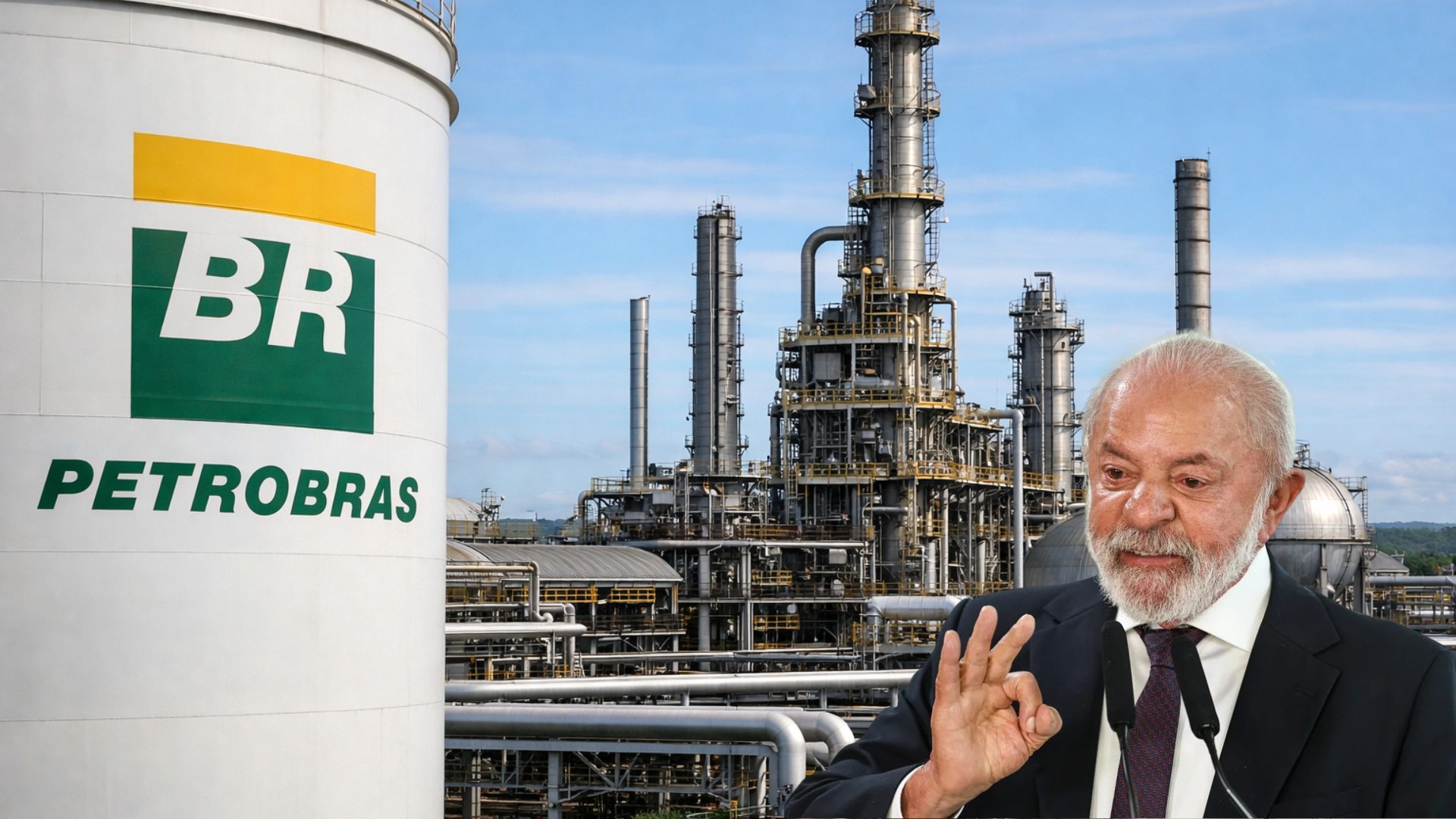
Lula reveals a masterstroke by Petrobras to undo a deal made by Bolsonaro, which involves the return of an important refinery that currently produces less than half of what was expected and makes Brazil dependent on international diesel.
-
A study confirms that the natural gas sector will reduce greenhouse gas emissions in Brazil by 0.5% and accelerate the energy transition by 2026.

-
Petrobras implements a severe adjustment and confirms a 55% increase in the price of aviation kerosene with a proposal for installment payments for the companies.

-
The rise in oil prices could ensure an extra revenue of R$ 100 billion for the Federal Government, indicates a recent economic study.


Economic Reconfiguration Reduces Direct Dependence On Oil
Over the past decade, Russia has undertaken a profound restructuring of its public finances. The goal was to reduce vulnerability to negative oil cycles and external pressures. According to experts, the share of state revenues directly tied to oil has fallen from about 50% to approximately 25%.
This change occurred through increased domestic tax burden, expanded non-energy revenues, and more intensive use of sovereign funds. Additionally, currency controls and active management of the ruble helped cushion the impacts of fluctuations in the international oil market.
Sanctions And Oil Price Divide Assessments Among Analysts
The combined impact of tougher sanctions and a potential sharp decline in oil prices leads to divergences among economists. Some analysts argue that a new negative shock could significantly reduce Russia’s external income. However, others highlight that the country has developed fiscal compensation mechanisms.
Among these tools are the retention of revenues within the national financial system, the imposition of extraordinary taxes on strategic companies, and the use of internal reserves accumulated over the years. Thus, even with lower dollar inflows, the state maintains its capacity to finance its priorities.
Budget Adjustments Support War Effort
Recent studies, such as those conducted by the Bruegel think tank, indicate that Russia has adopted a more restrained budgeting policy in various regions. There have been cuts in areas such as education and pensions, while military spending has been preserved.
Currently, the fiscal deficit is around 3.5% of GDP, while inflation remains close to 6%. Debt issuance remains controlled, focused on the domestic market, which reduces exposure to foreign creditors and limits risks of external financing.
International Partnerships Offset Western Isolation
On the external front, Russia has strengthened trade relations with countries outside the Western axis. China, North Korea, and other partners have taken on a significant role in the flow of Russian oil and in trade exchange agreements.
At the same time, European financial centers, such as London, are considering restricting insurance and maritime transport services, which could affect export logistics. Nevertheless, Moscow has managed to redirect a significant portion of its oil sales to alternative markets, often at discounts, but maintaining cash flow.
Economy Tuned To Resist, Not To Grow
The predominant view among analysts is that the Russian economy, in 2026, is not operating on the brink of collapse. It is, above all, a system redesigned to endure. Growth is limited, but the state apparatus remains functional, prioritizing support for the conflict and internal stability.
The financing of the war in Ukraine is based on state reserves and controlled revenues, while the official discourse reinforces the narrative of resistance to Western pressures. Additional sanctions may increase economic costs, but do not guarantee, by themselves, the shutdown of the Russian economy.
International Pressure Remains Relevant, But Without Imminent Collapse
Experts point out that there is still room to refine coordinated economic pressure mechanisms between Europe and U.S. allies. However, the consensus is that such measures tend to produce gradual effects, and not an immediate collapse.
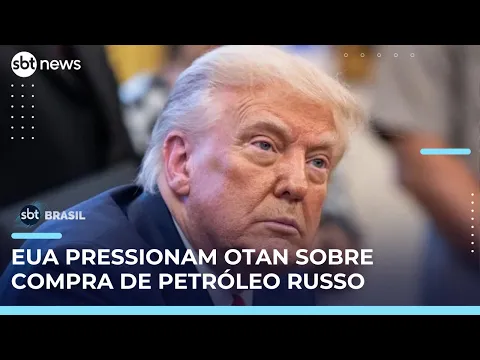

Thus, oil remains a key piece in the economic machinery of Russia, now integrated into a more closed model, less dependent on the global financial system and oriented toward survival in a prolonged conflict environment.







-

Uma pessoa reagiu a isso.