





 English
  Francês
  Alemão
  Italiano
  Japonês
  Norueguês
  Portuguese
  Spanish
  3 min of reading


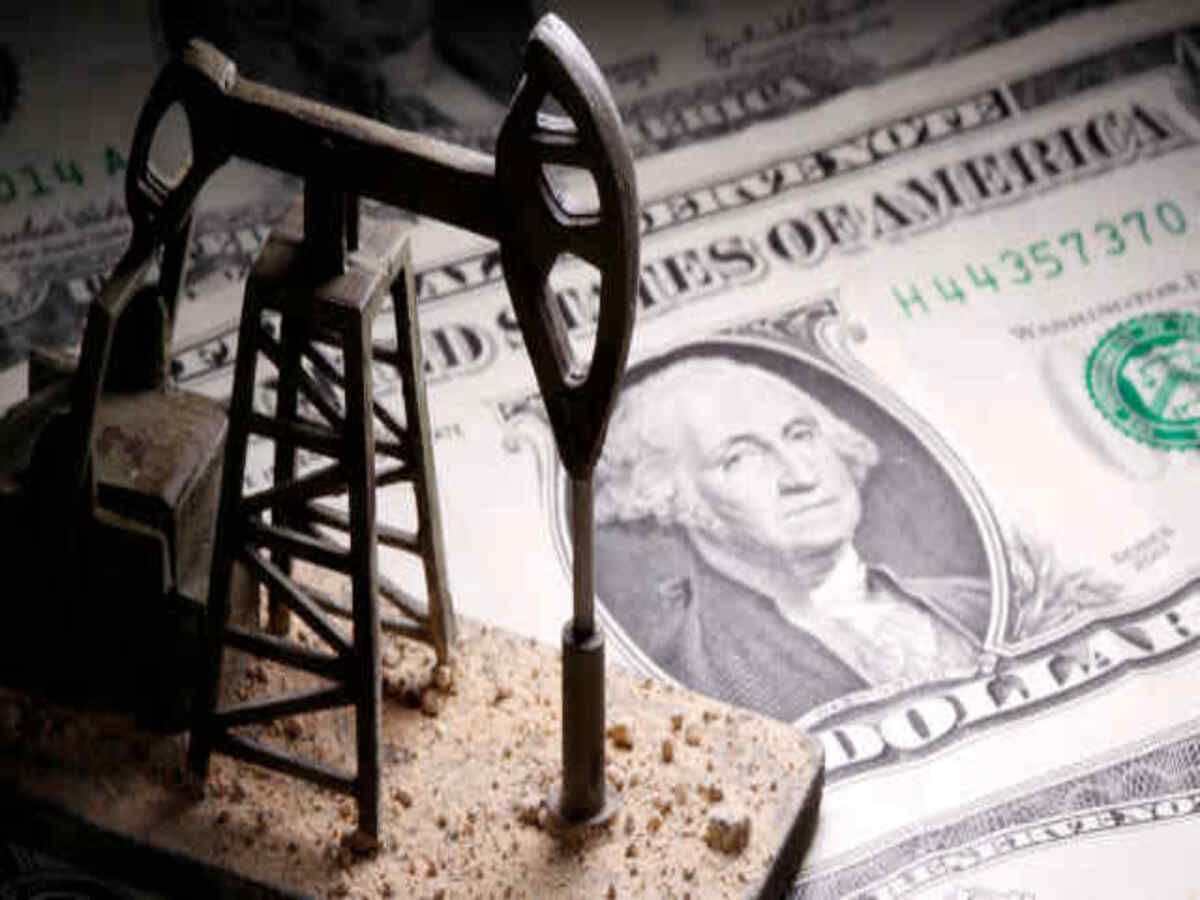
With a Decrease of 1.2% This Thursday, June 16, the Accumulated Increase of the Barrel of Oil Reaches 61% in the Last 52 Weeks.
This Thursday, June 16, the barrel of Brent oil is down 1.2% considering the increase in the interest rate in the United States (U.S.) by Joe Biden, to curb the inflation left by the pandemic and the war between Ukraine and Russia. The Selic also influences.
In short, the U.S. is already considering, to curb the high prices, starting to negotiate the purchase of barrels from the Venezuela for the socialist country to pay its external debt, which also exists with the European Union.
The high inflation is affecting not only Joe Biden’s administration but also Bolsonaro’s, who is creating strategies, such as the reduction of ICMS charges on fuels, to contain the fluctuations of the barrel affecting consumers’ pockets. Analysts say that the energy scarcity rates applied by the Ministry of Mines and Energy over the past year have led the country to see the need to raise the basic interest rate. After all, during last Wednesday, June 15, on the eve of a holiday, the COPOM announced that it would raise the Selic to 13.25%, the highest rate since 2016, when the Workers’ Party government was in charge of Brazil.
-
Chinese giant worth nearly R$ 4 billion that manufactures cables for electric cars, solar energy, and robotics wants to open a factory in SC.

-
Many employers do not know, but the law guarantees domestic workers a 25% increase in salary during trips, 50% for overtime, 20% for night shifts, and 17 additional benefits that can lead to labor lawsuits if not paid.

-
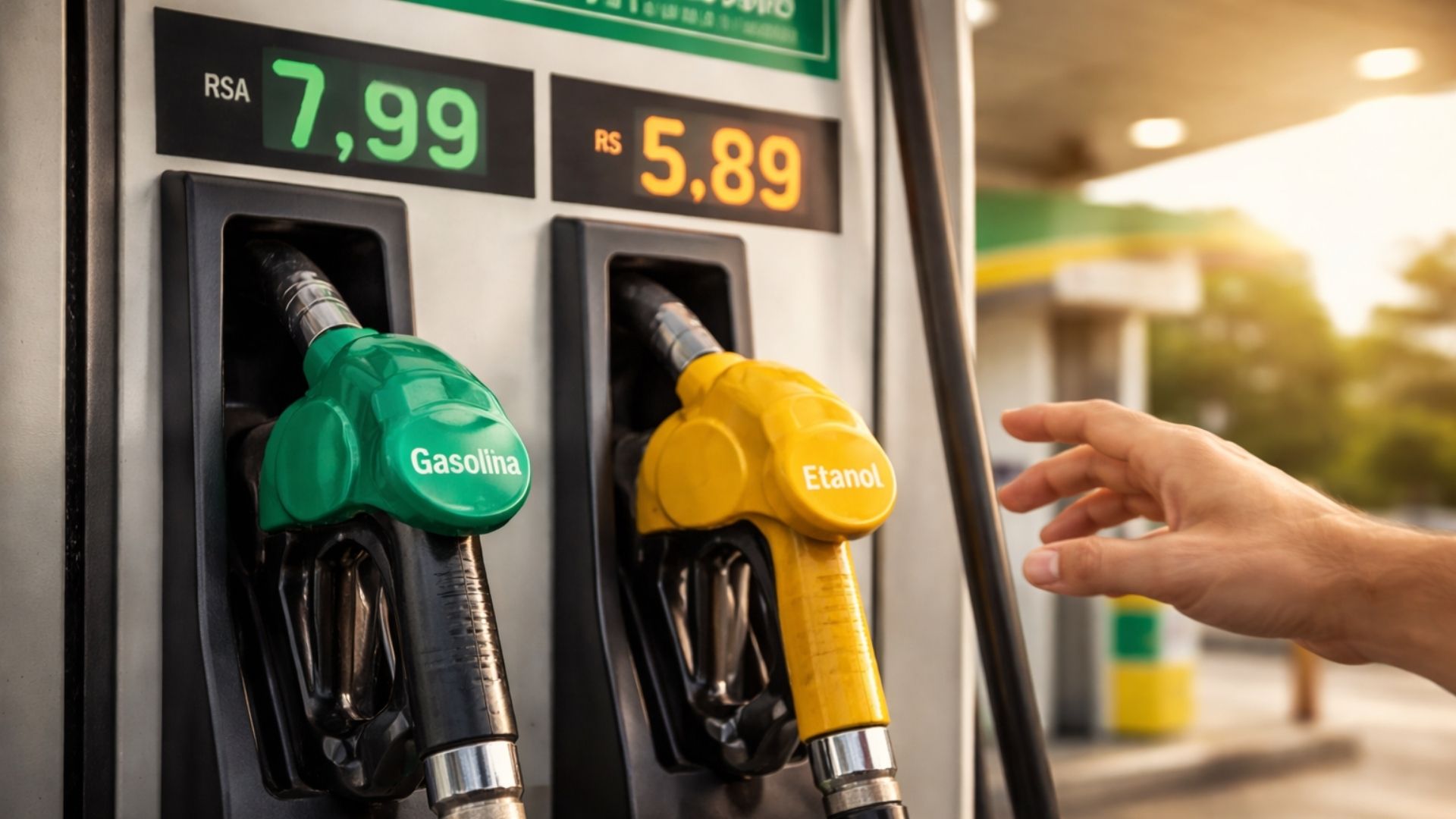
Gasoline prices soar and the question arises: is ethanol more advantageous? The 70% rule reveals the limit with gasoline.
-
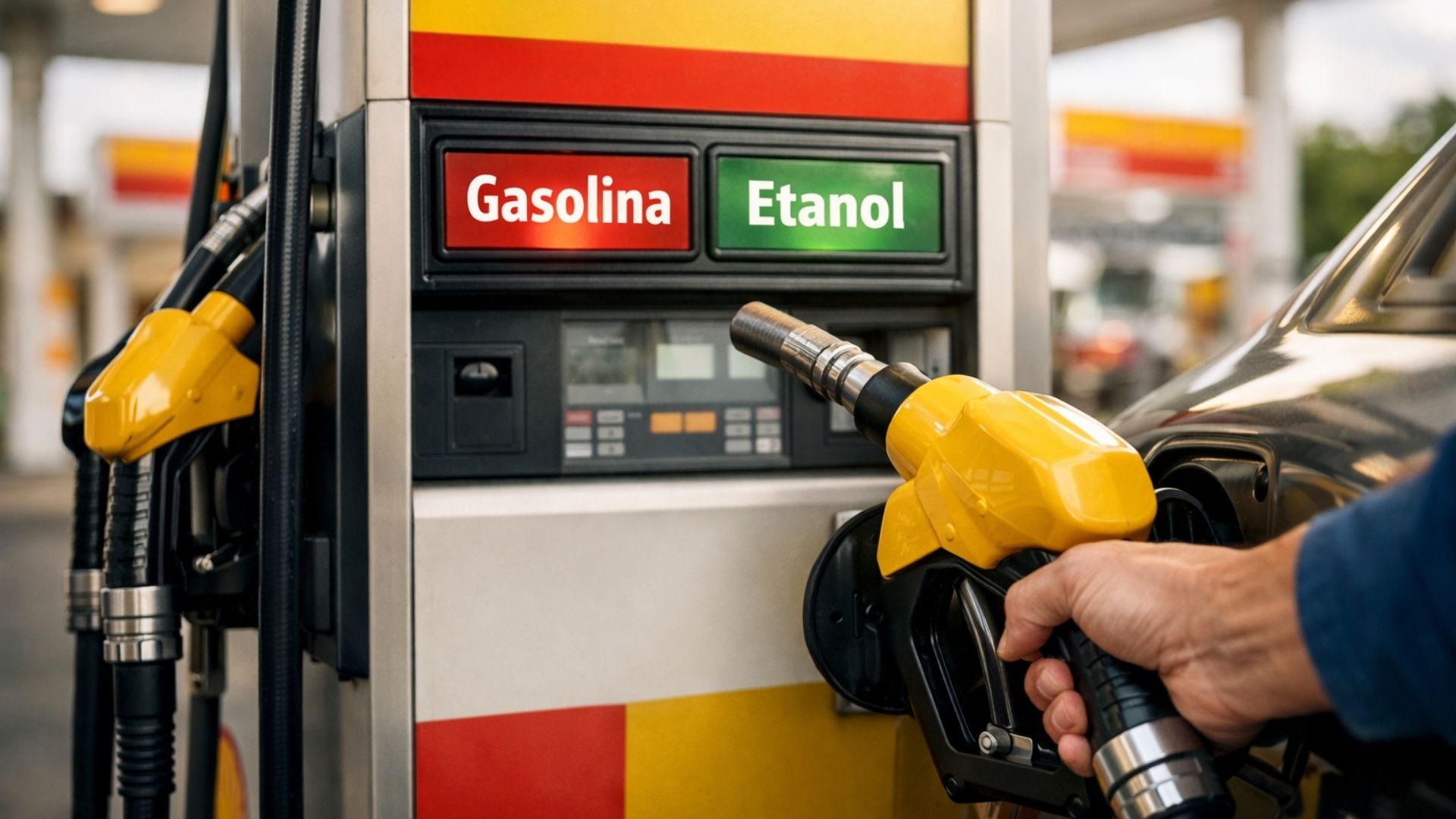
The government has made a decision and is starting a test with more ethanol in gasoline, anticipating a mixture of up to 35%, diesel with 25% biodiesel, and a study to assess the impacts on engines.

How Does the Selic Interfere with the Price of Oil and the Dollar? (U.S.)
In the last trading session, the dollar ended the day quoted at a range of R$ 5.05. And, since the value of the U.S. currency determines the price of the barrel of oil, the higher it is, the more Brazilians tend to pay for fuel purchases. The negative impacts end up falling on consumers’ pockets, as shareholders profit from higher cash flow while those who need to refuel cars and trucks suffer from high fees and constant fluctuations.
A higher Selic is an attempt by the federal government and the Ministry of Economy to control the currency and ensure it remains stable against the dollar. Initial expectations were that the dollar, with the increase in the Selic, would drop due to the greater appreciation of the real, but this is not what is happening.
Gasoline at R$ 10 Could Be a Reality for Many Brazilians
Gasoline at R$ 10 could be a reality faced by Brazilians by the end of 2022. Part of the price is equivalent to the excessive prices charged by Petrobras in an attempt to follow the external market, while the other portion is related to the taxes levied by the states and the federal level.
In a promotion held by Havan’s owner, Luciano Hang, earlier this month, on tax-free day, he removed all federal and state taxes from the pumps in the city of Brusque. Thus, the value of a liter of gasoline dropped from R$ 7.20 to around R$ 5. Each customer could purchase up to 15 liters.
In light of this, Jair Bolsonaro created a project that will remove the taxes charged by the states, while the federal level will pass a portion of the amount to governors for them to invest in development, health, and education.
Selic Beyond the Price of Oil, How Does It Impact Investments?
The high Selic impacts far beyond oil prices, also affecting investments. Thus, fixed-income investments are becoming even more profitable, and the same goes for Tesouro Direto, which is already yielding around 13% per year.








Seja o primeiro a reagir!