Portuguese
  Spanish




According to Analysts, This May Be an Alternative to Improve the Government Crisis With Truck Drivers, but It May Harm the Public Coffers in the Long Term.
On last Monday, June 6th, President Jair Bolsonaro stated that he would be creating and developing a project aimed at reducing part of the price of cooking gas and diesel. According to the President of the Republic, it is estimated that there will be a reduction in the collection of federal taxes rather than a freeze on the prices set by Petrobras. A potential interruption at the state-owned company could lead to a decline in its stock market shares.
The idea put forth by the President of the Republic is to eliminate the ICMS charged on both diesel and liquefied petroleum gas, also known as LPG, the famous cooking gas. What raised a series of oppositions is that the PEC forecasts that only R$ 22 million will be passed to the states as compensation for the end of fuel taxation, which amounts to one-third of its value. The measure also proposes changes to electricity, as it is estimated that it could show a drop of at least 17% on its final value.
Jair Bolsonaro’s Project for Gas and Diesel May Cost More Than R$ 50 Billion for the Public Coffers But It May Be His Key to Election Again in October


During the year 2022, presidential elections are expected to take place in which Jair Bolsonaro intends to compete alongside Luiz Inácio Lula da Silva. However, according to surveys being shared by Datafolha, it is estimated that the candidate from the Workers’ Party will win in the first round. Paulo Guedes, the current Minister of Economy, stated in an interview that the PEC, which may cost more than R$ 50 billion for the federal public coffers, will come into effect and remain active until the end of the year 2022.
-
Brazilian Startup Turns Coffee Grounds into Plant-Based Leather, Cutting Water Use by Over 50 Times for High-Impact Sustainable Fashion

-
Eco Invest Auction Aims to Unlock $10 Billion in Investments, Focusing on Green Fertilizers, Critical Minerals, Batteries, and AI for Clean Industry in Brazil

-
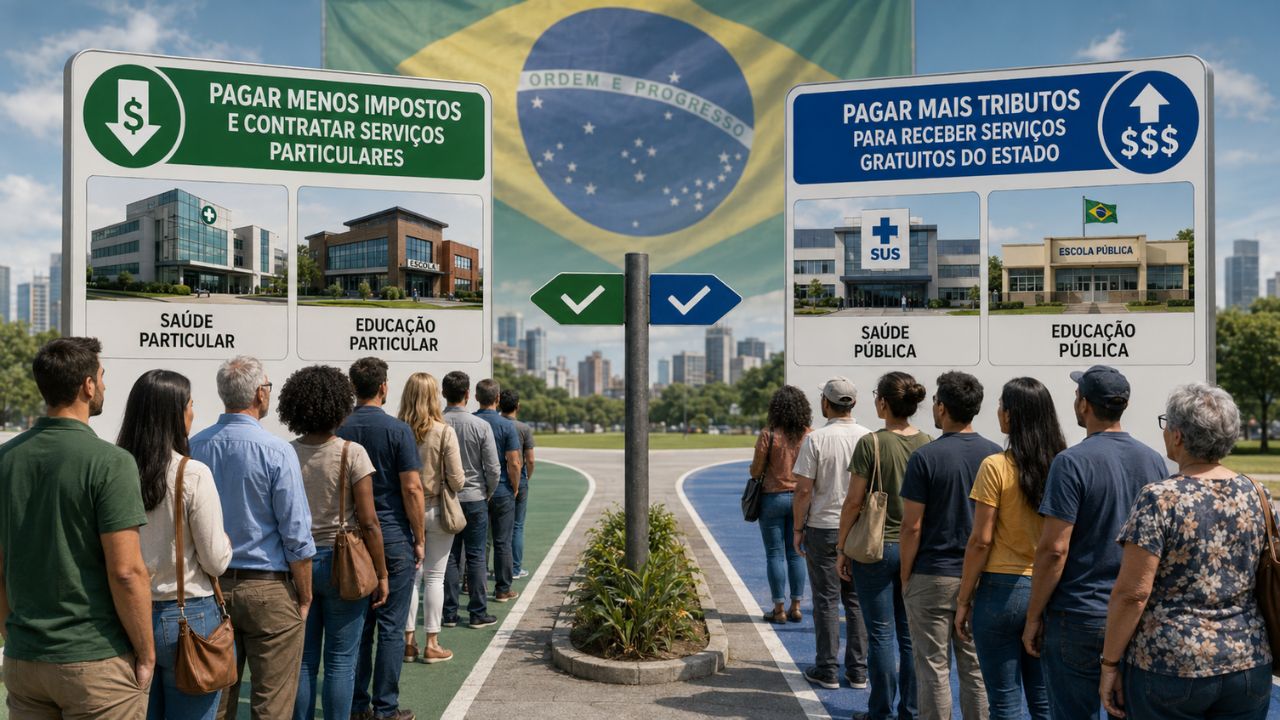
Half of Brazilians Prefer Lower Taxes with Private Health and Education, While 44% Opt for Higher Taxes for State-Provided Services, Datafolha Survey Reveals

-
Brazil’s Most Expensive Toll Rises to R$ 40.60 on Route from São Paulo to the Coast, Nearly Matching Bus Fare to Santos



Truck drivers have already been threatening the government with strikes and have carried out at least three national stoppages during the year 2021, one of which occurred on Independence Day, during a holiday. According to the sector, it is becoming unfeasible to work.
The Impact on Prices
The impact on prices may be significant and, according to the project announced yesterday afternoon, the price of a liter of diesel will decrease by R$ 0.8 cents. This tax is being charged directly from refineries by Petrobras, with data updated as of May 28th. The estimated amount is that the price of diesel could drop by around 11%. However, it is important to note that the reduction may be greater or lesser, depending on the taxation imposed by the states. In other words, the more a state taxes its consumers, the greater the potential decrease in values.
The project also stated that it intends to reduce the price of gasoline. Gasoline may decrease by at least R$ 0.7. This will impact more than 20 states that are charging more than R$ 7 per liter. A tax-free day advertisement, conducted by the company Havan, owned by Luciano Hang, showed that the tax-free gasoline is priced at R$ 5. Thus, R$ 2 of every liter sold is taxed by the federal, state, and municipal governments. Meanwhile, cooking gas is expected to reduce by around 13%.