





 Portuguese
  English
  Spanish
  3 min of reading
  0 comments


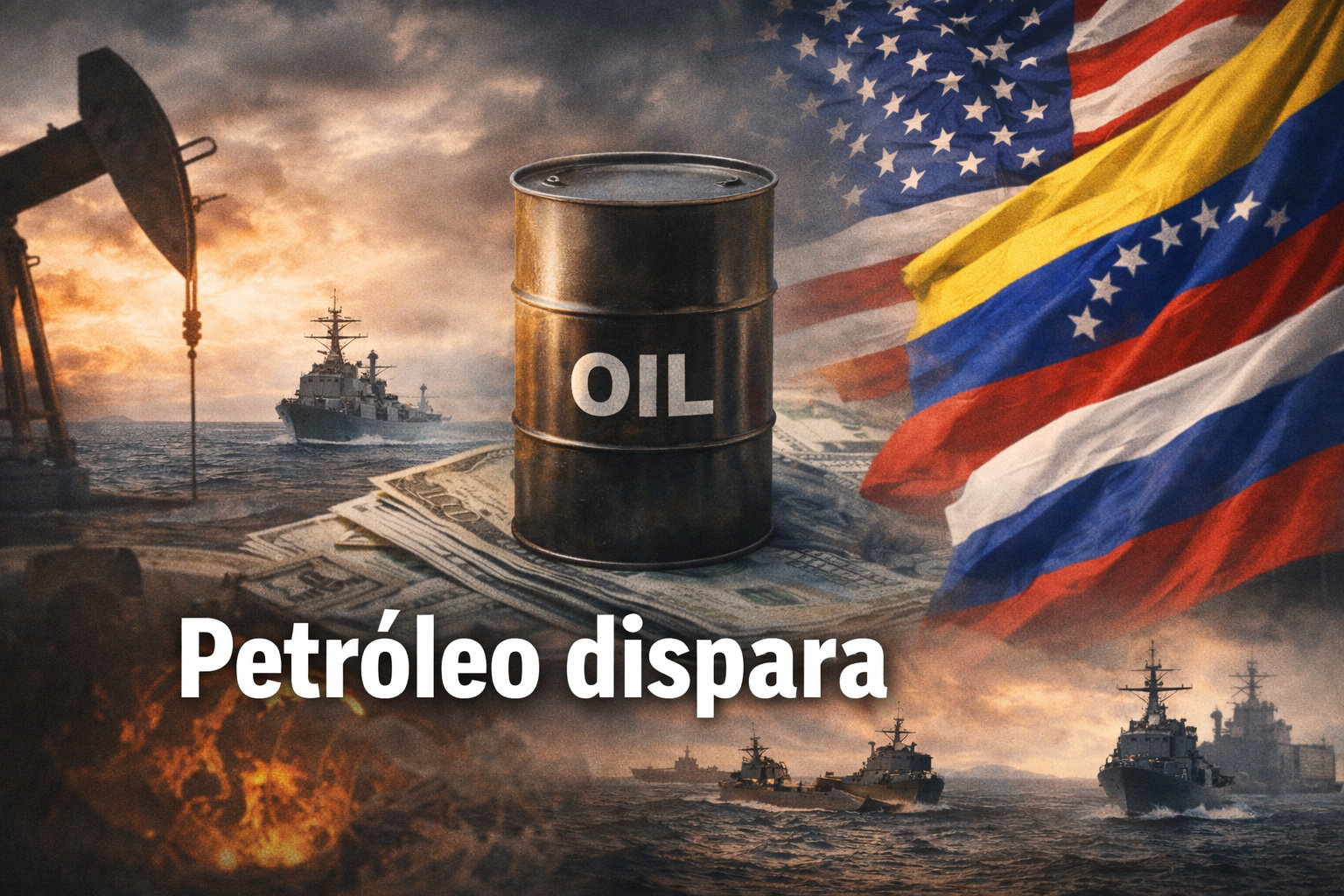
Oil Surges With U.S. Economic Growth And Supply Risks As Market Reacts To Sanctions, Global Demand, And Uncertainty.
Investors reacted quickly to new data from the U.S. economy and threats of supply disruptions from Venezuela and Russia.
The movement occurred in major financial centers and directly influenced the global energy market, reinforcing expectations of higher demand.
-
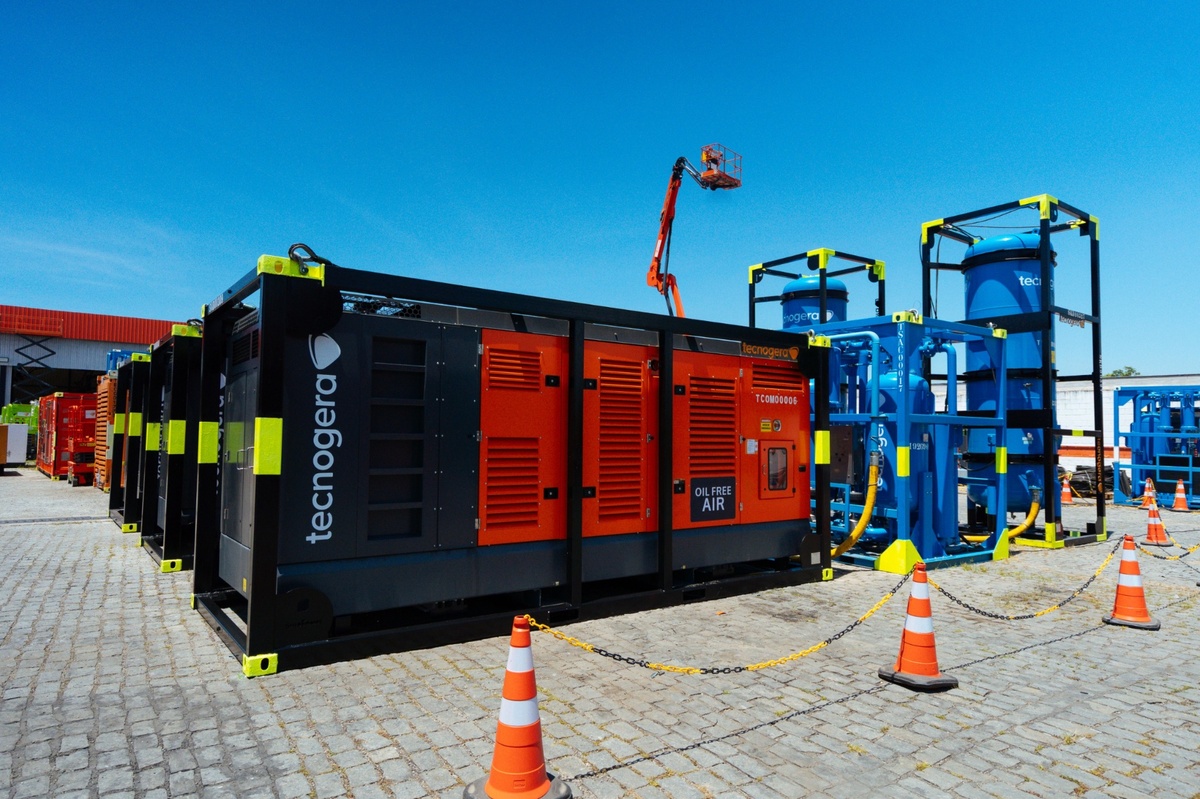
Offshore industrial demand in Macaé skyrockets with the recovery of oil and gas and could grow by up to 396% by 2026 in the Campos Basin.
-
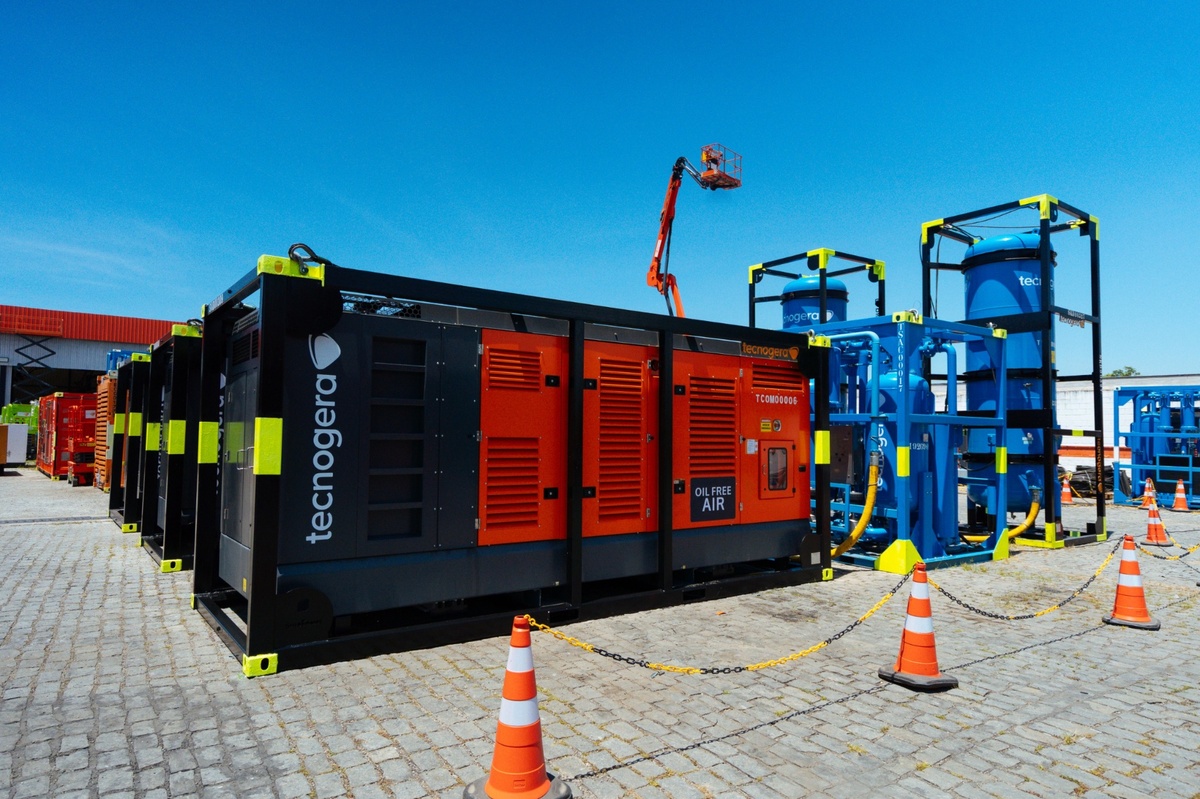
Offshore industrial demand in Macaé surges with the recovery of oil and gas and could grow by up to 396% by 2026 in the Campos Basin.
-
Brazilian giant expands borders in the Southeast: Petrobras confirms new oil discovery in ultra-deep waters in the pre-salt of the Campos Basin.

-
Alert in the global energy market: Severe tropical cyclone hits the coast and disrupts gas production at major plants in Australia, threatening global supply.


Brent crude futures rose by 31 cents, or 0.5%, to close at US$ 62.38 per barrel. Meanwhile, U.S. crude oil, WTI, increased by 37 cents, or 0.64%, to US$ 58.38. Thus, the market maintained the upward trend observed since the beginning of the week.
On Monday, prices had already increased by over 2%. Brent recorded the largest daily gain in two months. WTI, on the other hand, reached its highest point since November 14, signaling a more favorable environment for energy-related assets.
U.S. Economic Growth Boosts Demand Expectations
U.S. economic growth supported market optimism. Data released by the Bureau of Economic Analysis of the Department of Commerce showed that Gross Domestic Product grew above expectations in the third quarter.
According to the report, robust consumer spending drove economic activity. As a result, investors began to project higher energy consumption in the coming months, which strengthened demand for oil.
Nevertheless, the market remains divided. Some investors celebrate the stronger economic pace, while concerns grow about potential adjustments in monetary policy.
“The market is trying to decide whether to get more excited about demand from strong growth or worried that the Fed may have to curb that growth to control inflation,” said Phil Flynn, senior analyst at Price Futures Group.
Mixed Indicators Keep Caution In The Market
Despite the positive outlook, other economic indicators brought warning signs. U.S. consumer confidence declined in December, reflecting growing concerns about jobs and income.
Additionally, manufacturing output remained unchanged in November. This data followed a drop recorded in October, indicating a loss of momentum in part of industrial activity.
Therefore, although economic growth supports oil prices, the market maintains a cautious stance. Investors remain alert to the decisions of the Federal Reserve and potential risks of a slowdown ahead.
Supply Risks Gain Weight In Market Decisions
At the same time, supply risks have begun to exert direct influence on oil prices. Investors are closely monitoring the situation in Venezuela.
Earlier this month, U.S. President Donald Trump announced a blockade on oil tankers under sanctions entering and leaving the country. The measure heightened risk perception and put shippers on alert.
“With diminishing storage capacity in Venezuela, there are increasing risks that the country may have to halt part of its production,” said UBS analyst Giovanni Staunovo.
Venezuelan Logistics Increase Uncertainties
Since the announcement of sanctions, the loading of tankers in Venezuela has decreased significantly. Most vessels are now transporting oil only between domestic ports.
This limitation has reduced the country’s export capacity. Consequently, the market began to price in a scenario of tighter supply.
Additionally, Trump stated that the U.S. may keep or sell the oil seized off the Venezuelan coast. The declaration increased instability and reinforced perceptions of uncertainty in the market.
Russian Disruptions Reinforce Pressure On Prices
Supply risks have not been limited to Venezuela. Disruptions in oil supply from Russia have also contributed to sustaining prices.
This factor reinforced the perception of scarcity in the global market. Thus, even amid mixed economic indicators, oil maintained an upward bias.
Ultimately, the combination of U.S. economic growth and supply risks remains the main driver of the market. As long as these factors persist, investors are likely to maintain cautiously optimistic positions in the energy sector.










-

Uma pessoa reagiu a isso.