





 Portuguese
  English
  Spanish
  5 min of reading


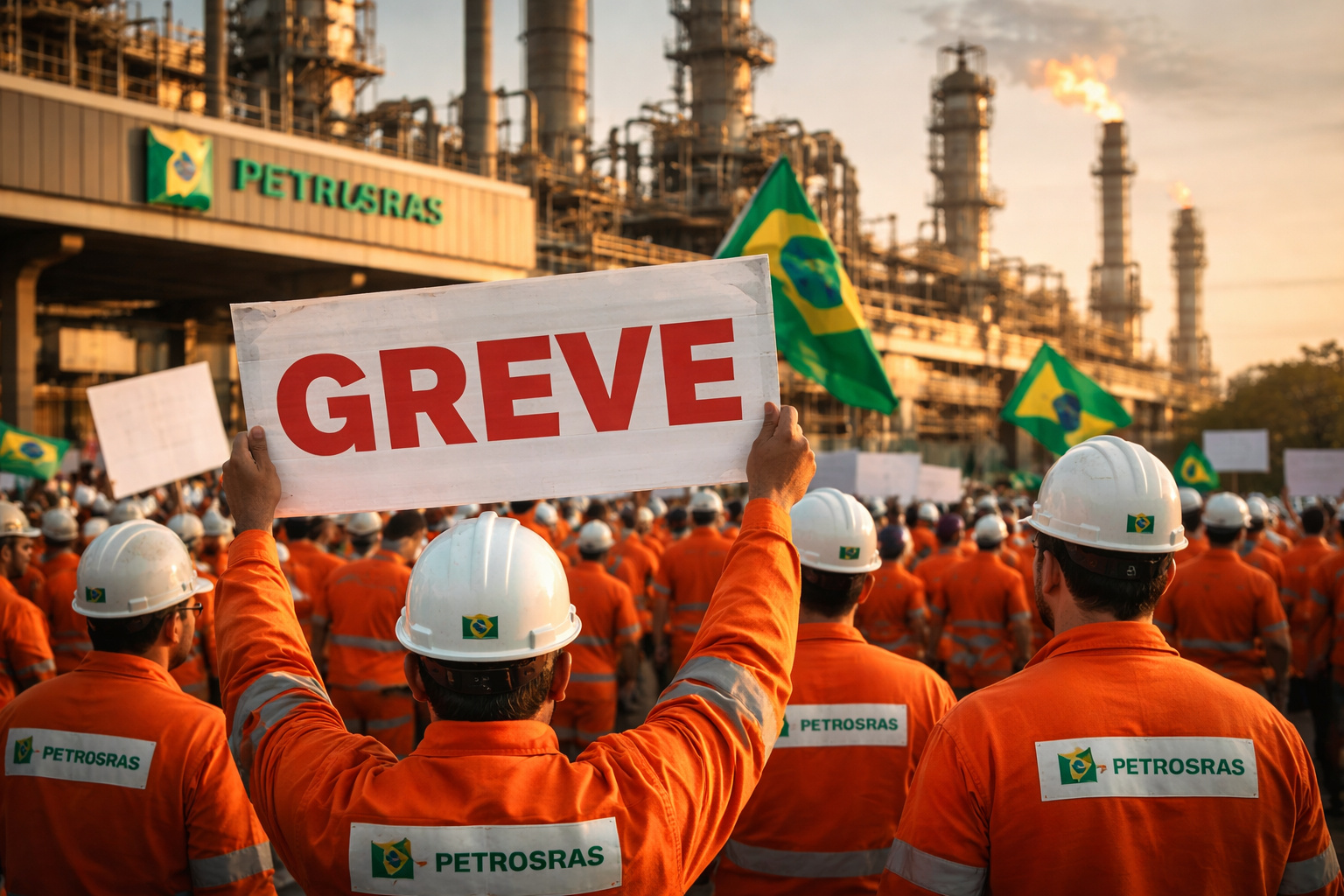
The oil sector has always been directly linked to labor relations in Brazil. Since the creation of Petrobras in 1953, workers and management have coexisted with intense negotiations, strikes, and agreements that reflect not only corporate demands but also the strategic weight of the company for the national economy. In this context, the strike initiated by oil workers at state-owned units across the country draws attention not only for the movement itself but for the moment it occurs.
According to Petrobras, the stoppage does not affect oil production or the supply of derivatives. According to the company, contingency plans and management teams ensure the continuity of operations. At the same time, according to the Single Federation of Oil Workers, FUP, the strike has national adherence and is ongoing indefinitely, which broadens the debate about its possible repercussions.
Historically, strikes in the oil sector have always generated a strong impact. This happens because oil occupies a central position in the energy matrix and the country’s revenue, in addition to directly influencing fuel prices and inflation. For this reason, any stoppage is usually closely monitored by the government, market, and society.
-
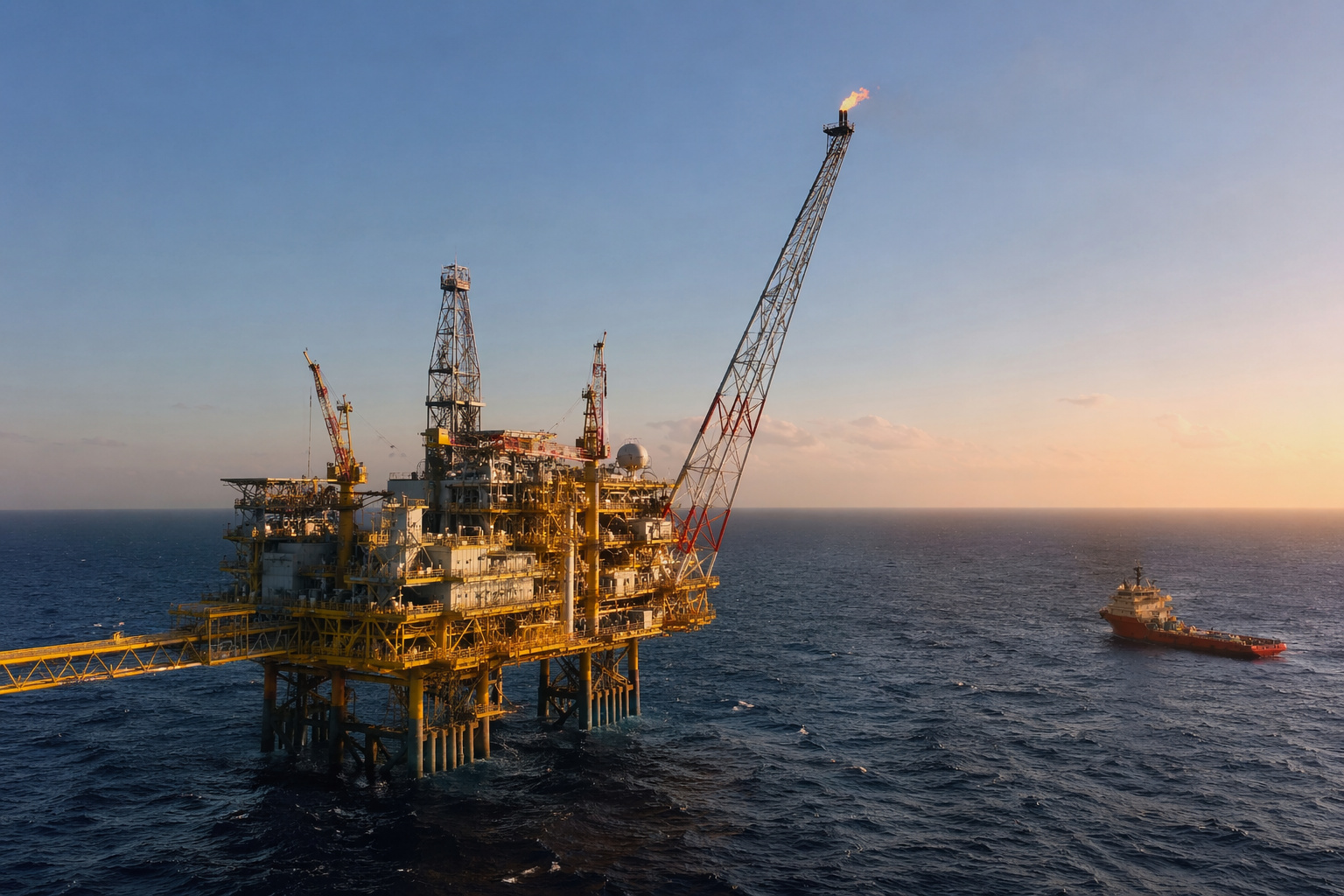
The next exploration auction in the pre-salt will offer 23 blocks in the Campos and Santos basins and may change the interest of oil companies in Brazil.
-
The next exploration auction in the pre-salt will offer 23 blocks in the Campos and Santos basins and could change the interest of oil companies in Brazil.
-
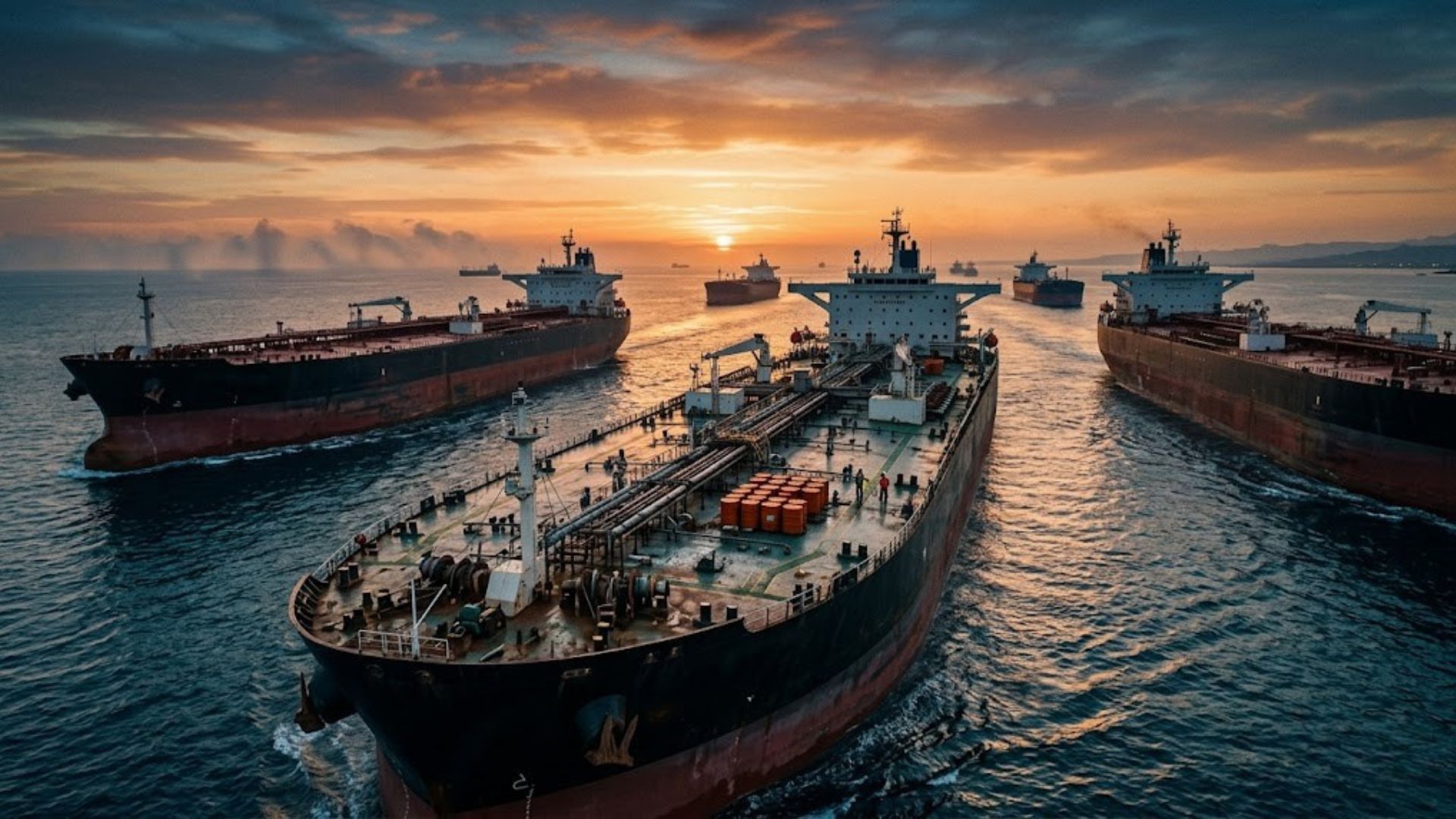
Red Sea, from biblical site to oil hope: South Korea reveals ambitious plan to create new oil routes through the Red Sea with the dispatch of 5 ships, agreements with 3 countries, and a focus on the strategic port of Yanbu.
-
SISTAC expands contract with Petrobras for maintenance of platforms in the Santos, Campos, and Espírito Santo basins using ROV and specialized underwater operations.
Oil and the Tradition of Strikes in the Sector
To understand the impact of this movement, it is important to observe the history of strikes in the oil sector. Since the 1980s, Petrobras workers have used stoppages as a pressure tool in salary negotiations, defense of rights, and contesting changes in the company’s policy. According to records from the Superior Labor Court, oil worker strikes rank among the most strategic in the country.
In the 1990s, for example, prolonged stoppages occurred during the opening of the oil sector and economic reforms. During that period, the fear of supply shortages was recurring, as the system had less logistical diversification. Nevertheless, these movements shaped the current model of collective bargaining in the sector.
Over time, Petrobras began investing in operational protocols capable of maintaining minimal production even in strike scenarios. According to the company’s own website, contingency plans were improved especially after major stoppages that occurred in the 2000s.
This history helps explain why, currently, the state-owned company claims that oil production remains stable despite the workers’ mobilization.
Operational Continuity and Production Security
From a technical standpoint, the oil industry operates with highly automated systems. Platforms, refineries, and terminals have continuous processes, where abrupt interruptions can generate operational risks. For this reason, contingency teams are specifically prepared for exceptional situations, such as strikes.
According to Petrobras, management-level professionals and trained teams take on essential roles to ensure safety and continuity. Additionally, strategic units maintain strict operational protocols, which reduce immediate impacts.
Still, energy sector specialists note that prolonged strikes can generate indirect effects. Even if oil production isn’t halted, administrative activities, projects, and maintenance may encounter delays. According to analyses published by the Brazilian Institute of Oil and Gas, operational impacts are not always immediate but may arise over time.
For now, however, the official discourse points to stability, which helps calm the market and reduce speculation about supply shortages.
Oil, Unions, and Institutional Debate
The strike also reveals the importance of unions in the oil sector. The Single Federation of Oil Workers has historically acted as the main representative of the category. According to the FUP website, stoppages usually occur after impasses in collective negotiations or strategic decisions by the company considered harmful to workers.
This clash reflects a structural characteristic of the sector. Oil involves economic, social, and political interests. Thus, labor disputes extend beyond the corporate realm and gain national dimensions. For this reason, public statements from Petrobras and FUP often seek to influence public opinion and regulatory agencies.
According to the Ministry of Mines and Energy, the government closely monitors movements in the oil sector precisely because of its systemic impact. Although the company asserts that there is no immediate harm, dialogue between the parties becomes essential to avoid escalations.
The Oil Market and the Perception of Risk
In the market, news of the strike is usually analyzed from the risk perspective. Investors observe whether there is a possibility of reduced production or impact on the distribution of derivatives. At this moment, the indication of operational normalcy reduces more abrupt reactions.
According to sector analysts cited in international energy reports, the market reacts less to strikes when there is a history of operational continuity. In the Brazilian case, the experience accumulated by Petrobras over the past decades contributes to this perception of control.
Additionally, the international scenario also influences. With the global oil market dealing with oversupply and demand adjustments, domestic events tend to have a limited impact, as long as they do not compromise exported volumes or internal supply.
Oil, Governance, and Long-Term Dialogue
When observing the episode from a broader perspective, it is clear that the current strike is part of a recurring cycle of tensions and negotiations in the oil sector. These movements are part of the dynamics of a strategic industry, where workers, the company, and the state must constantly renegotiate interests.
According to labor relations specialists cited in studies by Dieese, predictability and dialogue reduce the need for prolonged stoppages. In the oil sector, this logic is even more relevant given the operational complexity and the economic impact involved.
Thus, although Petrobras asserts that the strike does not affect oil and derivative production, the episode reinforces the importance of governance, continuous negotiation, and transparency. In a sector as sensitive as oil, stability relies not only on technology and contingency plans but also on the institutional capacity to resolve conflicts before they become structural.









Seja o primeiro a reagir!