





 Portuguese
  English
  Spanish
  4 min of reading



The oil has always played a central role in Venezuela’s economic history. Since the early 20th century, when large reserves were discovered in the country, the Venezuelan economy has been structured almost entirely around this commodity. Over the decades, this dependence has shaped public policies, international relations, and the very organization of the state.
The creation of Petróleos de Venezuela S.A. (PDVSA) in 1976 symbolized the consolidation of state control over the sector. According to the Venezuelan government website, the nationalization of oil was presented as a tool for sovereignty and development. For many years, PDVSA was among the largest oil companies in the world, with a strong presence in the international market.
However, the excessive concentration of the economy on oil has also generated structural vulnerabilities. Starting in the 2000s, the combination of mismanagement, declining investments, international sanctions, and institutional deterioration compromised the company’s operational capacity. As a consequence, physical and digital systems began to operate precariously.
-
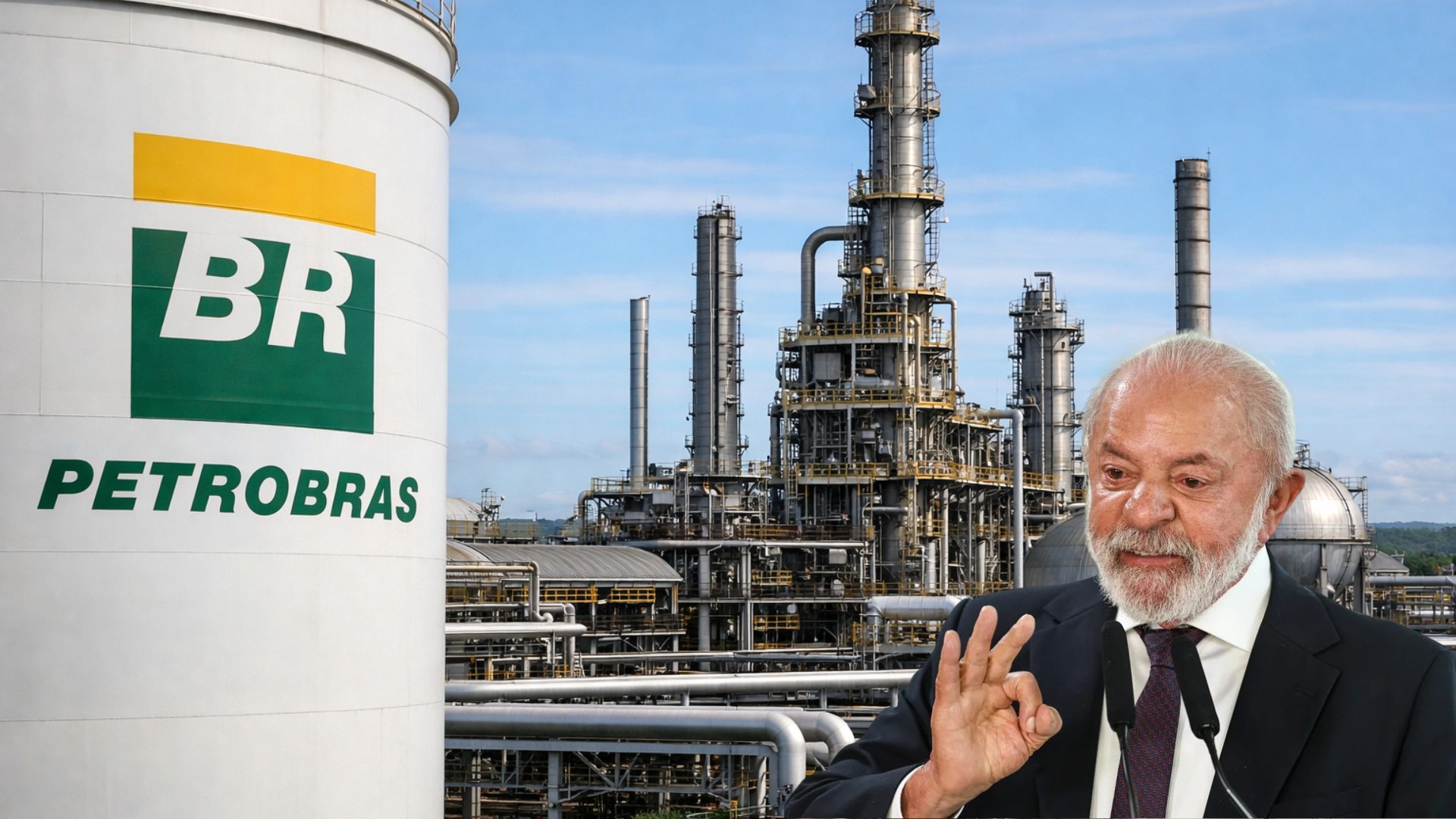
Lula reveals a masterstroke by Petrobras to undo a deal made by Bolsonaro, which involves the return of an important refinery that currently produces less than half of what was expected and makes Brazil dependent on international diesel.
-
A study confirms that the natural gas sector will reduce greenhouse gas emissions in Brazil by 0.5% and accelerate the energy transition by 2026.

-
Petrobras implements a severe adjustment and confirms a 55% increase in the price of aviation kerosene with a proposal for installment payments for the companies.

-
The rise in oil prices could ensure an extra revenue of R$ 100 billion for the Federal Government, indicates a recent economic study.


In this context, the recent cyberattack that took down Venezuela’s oil export system does not emerge as an isolated episode. On the contrary, it exposes fragilities accumulated over decades.
Oil, Technology, and Operational Dependence
Over time, the oil industry has undergone profound digitalization. Monitoring systems, load control, export and import records have become essential for daily operations. According to the International Energy Agency, reports published since the 2010s have indicated that digitalization increased efficiency but also expanded cyber risks.
In Venezuela, this transition occurred unevenly. Although PDVSA adopted digital systems for logistics and commercial management, the lack of technological updates and investments in cybersecurity compromised the resilience of the infrastructure. According to analysts cited by international institutions, many of these platforms operate with outdated software and low levels of redundancy.
When a cyberattack hits a system of this nature, the impacts multiply. This is not just a technological failure, but a direct interruption in the country’s main source of revenue. Since oil accounts for a large portion of Venezuelan exports, any disruption immediately affects cash flow and the ability to import essential goods.
Additionally, the concentration of operations in a few terminals increases systemic risk. According to historical data from PDVSA, a large part of the crude oil exported by the country passes through specific terminals, which makes logistics even more sensitive to digital failures.
Cyberattacks and the New Geopolitical Risk of Oil
The attack on PDVSA’s system must also be analyzed within a broader global context. In recent years, energy infrastructures have become frequent targets of cyberattacks. According to the International Energy Organization’s website, since 2020, there has been a significant increase in incidents involving pipelines, refineries, and oil trading systems.
This movement occurs because the energy sector has three critical characteristics. It is highly digitalized, has strategic value, and directly impacts national economies. In this scenario, oil ceases to be just a physical asset and also becomes a vulnerable digital asset.
In the Venezuelan case, this vulnerability adds to an already fragile political and economic environment. International sanctions hinder access to cutting-edge technologies and specialized cybersecurity suppliers. As a result, the capacity to respond to attacks becomes limited.
According to the International Monetary Fund’s website, countries with economies concentrated in commodities and low diversification tend to suffer more severe impacts from external shocks, including technological failures. Venezuela’s situation fits this diagnosis.
Economic and Operational Impacts of the Attack
When the oil export system remains offline, the effects spread rapidly. Firstly, there are delays in the loading of cargo and the issuance of commercial documents. Then, difficulties arise in coordination with international buyers. These delays directly affect the country’s credibility as a supplier.
Additionally, the interruption of import data compromises internal supply. Venezuela relies on imports of diluents and components to process its heavy oil. According to the International Energy Agency, without regular access to these inputs, production may drop further.
In the medium term, recurring episodes of this type are likely to drive away commercial partners and investors. Even in a scenario of high oil prices, operational instability reduces the country’s ability to seize market opportunities.
Historically, the Venezuelan oil sector has faced shutdowns due to strikes, accidents, and sanctions. The cyberattack adds a new layer of risk, less visible but equally disruptive.
Venezuelan Oil Facing an Uncertain Future
In observing Venezuela’s trajectory, it is evident that oil remains the central axis of the economy. However, the global context has changed. The energy transition is advancing, while demands for efficiency, security, and reliability are increasing. Producing countries must deal not only with reserves and physical infrastructure but also with digital governance.
According to the Organization of the Petroleum Exporting Countries (OPEC), recent reports indicate that oil will remain relevant in the coming decades. Nonetheless, competitiveness among producers will increasingly be influenced by factors such as institutional stability and technological resilience.
In the Venezuelan case, the cyberattack serves as a warning. It exposes the need for modernization, economic diversification, and strengthening of digital security. Without these advances, dependence on oil tends to become a factor of vulnerability rather than strength.
Thus, the episode goes beyond a temporary failure. It reveals how oil, when combined with fragile structures and low technological resilience, can amplify existing crises. In an increasingly digital world, the security of systems becomes as strategic as the possession of reserves underground.









Seja o primeiro a reagir!