





 Portuguese
  English
  Spanish
  4 min of reading


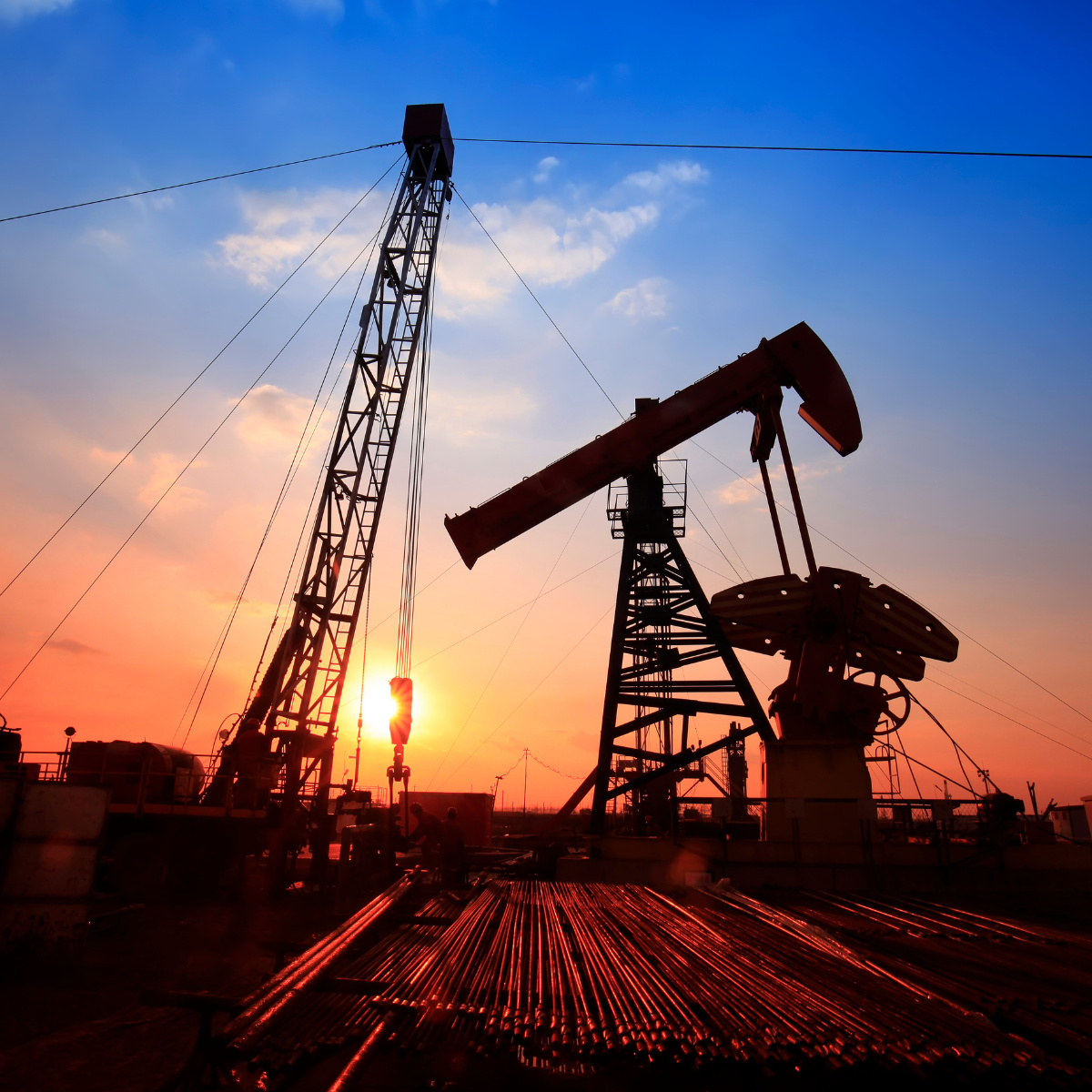
The oil market has recently recorded an increase. This movement, although common during times of geopolitical instability, raises important reflections on the relationship between the global economy, energy security, and projections for the coming years. The continuous fluctuation of oil, in fact, has always interacted with economic transitions, political decisions, and growth expectations.
Since the beginning of the 20th century, oil has established itself as the engine of industrialization. Even today, according to data from the International Energy Agency (IEA), it remains essential for transportation, industry, and global production chains. Thus, any variation in prices is immediately felt by governments, investors, and populations that depend on the fuel for the basic functioning of their economies.
The Impact of International Statements
The recent spike occurred shortly after the Federal Reserve announced a new interest rate cut, a fact that traditionally boosts economic growth expectations. With lower interest rates, markets tend to anticipate increased consumption and a resurgence of investments. This, combined with the perception of improvement in negotiations between Russia and Ukraine, reignited bets that demand for oil could rise.
-
Petrobras evaluates suspension of sales to distributors and considers canceling the cooking gas auction following guidelines from the Federal Government.
-
Lula reveals a masterstroke by Petrobras to undo a deal made by Bolsonaro, which involves the return of an important refinery that currently produces less than half of what was expected and makes Brazil dependent on international diesel.
-
A study confirms that the natural gas sector will reduce greenhouse gas emissions in Brazil by 0.5% and accelerate the energy transition by 2026.

-
Petrobras implements a severe adjustment and confirms a 55% increase in the price of aviation kerosene with a proposal for installment payments for the companies.

According to the Federal Reserve site, the monetary adjustments in December aimed to stabilize the North American landscape amid persistent inflationary challenges. These signals directly influenced oil futures contracts, which reacted immediately in international markets.
At the same time, statements from Ukrainian President Volodymyr Zelensky about possible paths for reconstructing the country after the conflict created an environment interpreted as slightly less tense by investors. Still, according to reports from European agencies, there are no concrete signs of a ceasefire.
Geopolitical Tension Continues
Although there was a brief sense of relief in the markets, geopolitics continues to exert strong pressure on oil prices. Russia, the main global exporter, still faces severe sanctions imposed since 2022, when it launched its military offensive against Ukraine. The restrictions, according to data from the European Council, continue to limit Russian supply in the international market, which increases the sensitivity of quotations.
Moreover, the energy sector in Europe is still recovering from the abrupt break with Russian oil and gas. The search for energy autonomy, in fact, continues to echo in international conferences, such as the COP30, where representatives highlighted the urgent need for diversification and energy security.
Post-Fed Adjustments and Market Reflections
The position adjustments following the Fed’s remarks also directly influenced the upward movement. Investors tend to recalibrate their portfolios every time the North American central bank alters its projections.
According to the official website of the Intercontinental Exchange (ICE), Brent for February recorded an increase on Wednesday morning. The surge was primarily due to the combination of renewed economic expectations and fears that a prolongation of the conflict in Eastern Europe could affect the flow of oil transported through pipelines in the region.
The market is also monitoring the behavior of OPEC+ countries, which frequently adjust their supply levels to balance prices. In recent months, the group has signaled caution, which is reflected in the volatility observed in futures contracts.
Oil and Its Historical Role
To understand the weight of each fluctuation, it is essential to revisit the historical role of oil. During the second half of the 20th century, crises such as the 1973 shock demonstrated that interruptions in supply could trigger global economic turmoil. Since then, the international community has learned that energy stability is directly related to social, financial, and political stability.
According to publications from the IEA, global demand for oil has not shown definitive signs of structural decline, despite the advance of renewable energies. This means that every monetary decision, each regional conflict, and every environmental regulation continues to exert immediate influence on the value of the barrel.
Perspectives and Uncertainties
Although prices have recovered, the market still operates under significant uncertainties. Russia may further reduce its supply if it sees a strategic need. Ukraine, for its part, continues to pressure the international community to strengthen sanctions. Meanwhile, the United States is dealing with intense internal debates over energy policies and their geopolitical implications.
According to analyses published by global financial institutions throughout 2024 and 2025, volatility may remain high for the next few years. The combination of energy transition, military tensions, and climate change complicates stable predictions.
Still, experts assert that oil will continue to play a central role in the global economy for the coming years, especially in sectors that are difficult to decarbonize.
A Market in Constant Transformation
Observing the current movement, it becomes evident that oil remains a thermometer of global balance. Each fluctuation reveals not only the economic dynamic but also diplomatic relations, conflicts, and the expectations of nations that depend on this energy.
The recent spike, therefore, is not just about prices. It symbolizes, once again, how oil continues to influence debates on international security, monetary policy, and energy development.
With this, the topic remains essential for governments, investors, and citizens seeking to understand the directions of the global economy as energy transitions advance but do not yet completely replace the fuel that shaped the 20th century and continues to shape the 21st century.









Seja o primeiro a reagir!