





 English
  Francês
  Alemão
  Italiano
  Japonês
  Norueguês
  Portuguese
  Spanish
  3 min of reading
  0 comments


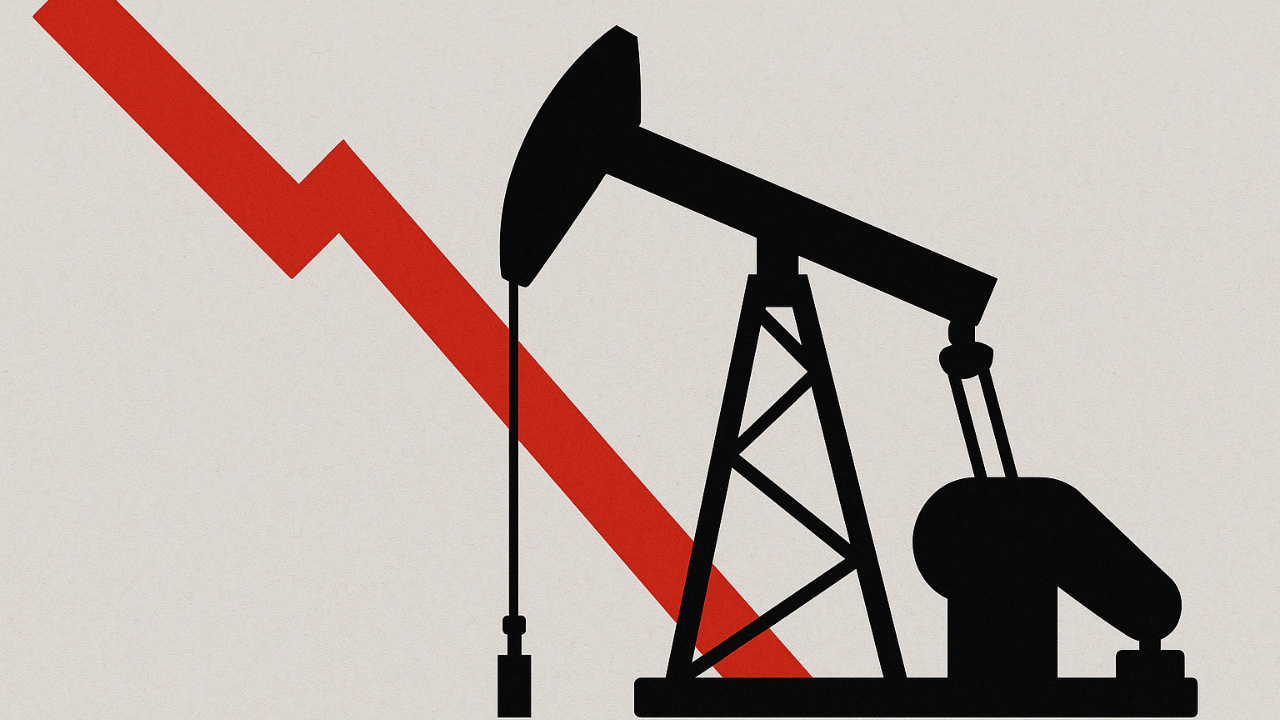
Oil Price Drop, With Fragile Negotiations Over Ukraine and Eye on Opep+ Amid Market Caution.
The international market registered strong caution this Friday (11/28), as oil closes lower, with fragile negotiations over Ukraine and eye on Opep+, amidst the expectation for the group’s meeting scheduled for Sunday (11/30).
Investors, traders, and analysts closely monitored how the holiday in the United States, a technical failure in trading platforms, and the geopolitical scenario shaped the behavior of prices throughout the day.
Thus, what occurred was a moderate retreat of the main contracts, driven by factors ranging from technological interruptions to the slow progress of talks between Russia and Ukraine.
-
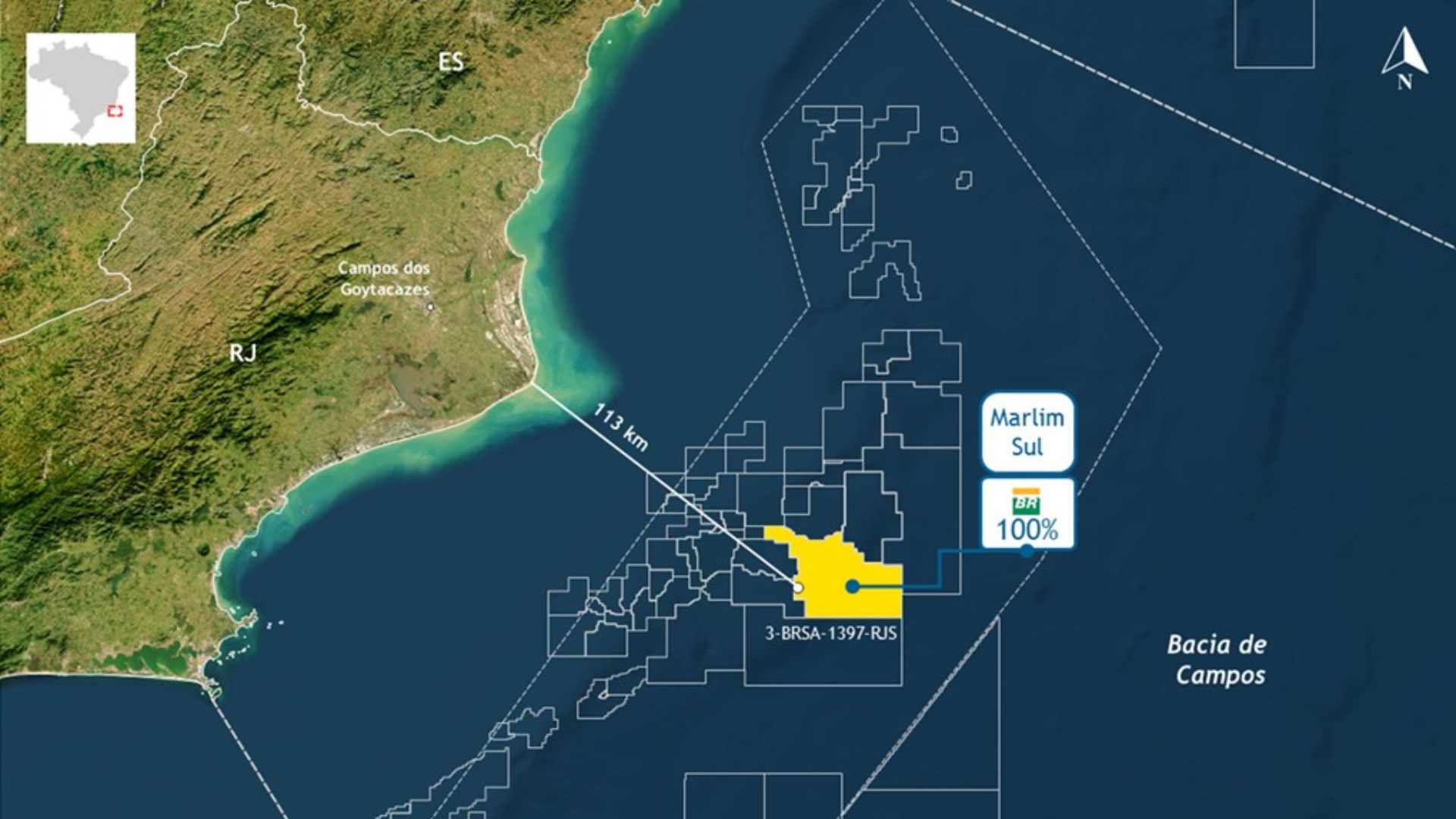
Brazilian giant expands borders in the Southeast: Petrobras confirms new oil discovery in ultra-deep waters in the pre-salt of the Campos Basin.

-
Alert in the global energy market: Severe tropical cyclone hits the coast and disrupts gas production at major plants in Australia, threatening global supply.
-
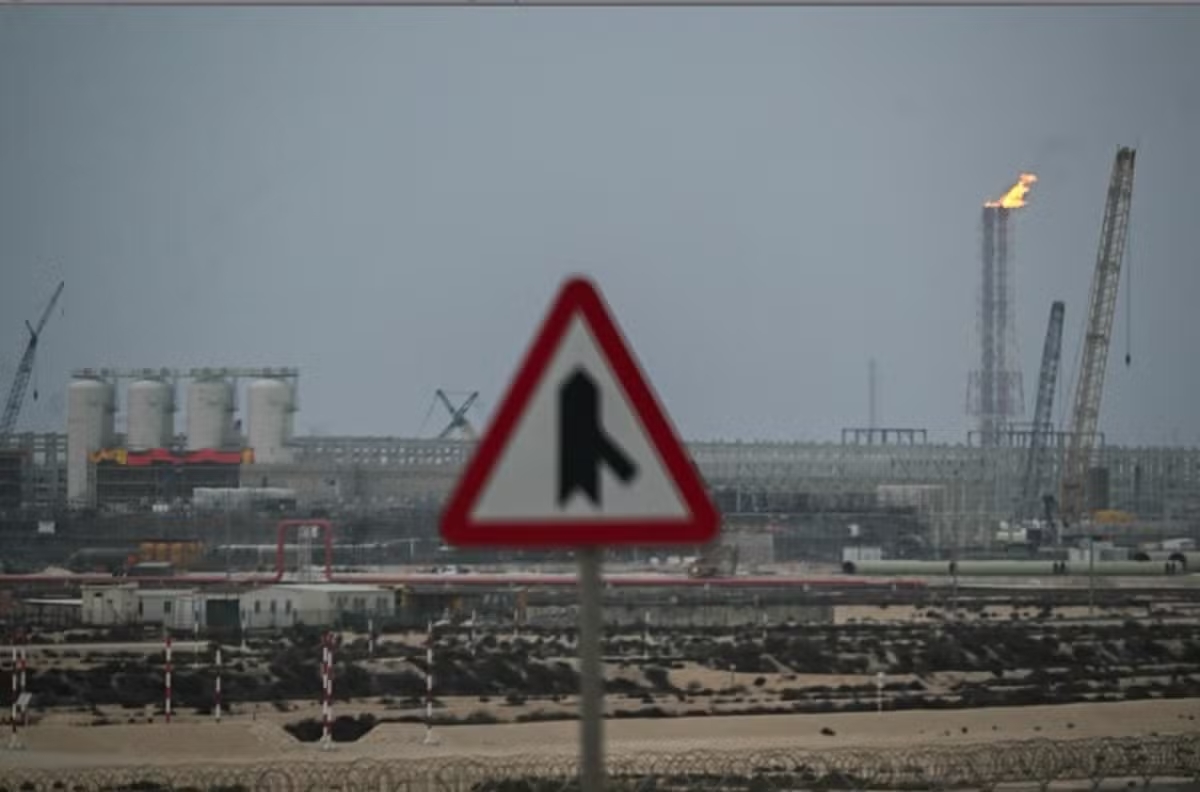
Petrobras finds high-quality oil in the pre-salt at 113 km from RJ and reignites expectations about strategic reserves in the Campos Basin.

-
Ocyan opens registrations for startups focused on innovation in the oil and gas sector and will select projects for Innovation Day with the support of Nexio.


Therefore, oil reflected not only reduced liquidity but also the market’s defensive stance while awaiting signals regarding global supply.
Market Retreats with Uncertainties: Low Liquidity and Technical Failure Affect Trading
The trading environment began atypically. Liquidity remained weakened due to the holiday on Thursday (11/27) in the U.S., which traditionally empties the trading sessions of the week.
In addition, there was a technical shutdown at the CME Group, responsible for contracts such as WTI, following a failure in the cooling system of a data center.
The interruption lasted for hours, affecting various commodities and delaying the resumption of business.
When the system returned to normal, prices began to show an uptick, driven by the gradual return of activity.
However, this positive trend could not withstand the climate of waiting for the Opep+ meeting, which caused prices to lose strength in the early afternoon.
Prices Reflect Global Caution: Brent and WTI Drop
Prices closed the day in negative territory. At the Intercontinental Exchange (ICE), Brent for February fell 0.78% (US$ 0.49), ending the session at US$ 62.38 a barrel.
Meanwhile, WTI for January, traded at Nymex, dropped 0.17% (US$ 0.10), closing at US$ 58.55 a barrel.
When observing the accumulated performance, the movement is mixed. For the week, WTI advanced 0.84%, while Brent had a slight decline of 0.29%.
However, for the month, both registered sharp losses: 3.99% for WTI and 3.83% for Brent.
These numbers reinforce the context of instability that dominated the month, especially due to geopolitical tensions and uncertainties regarding supply.
Opep+ Becomes Main Focus and Accelerates Price Volatility
As the session progressed, investors adjusted positions and adopted a more defensive stance.
The reason is the Opep+ meeting scheduled for Sunday, whose decision tends to guide the market for early 2026.
Delegates interviewed by Reuters stated that the cartel is likely to maintain its production policy unchanged in the first quarter.
This scenario reinforces why oil closes lower, with fragile negotiations over Ukraine and an eye on Opep+, as stability in supply, combined with diplomatic uncertainties, tends to limit more consistent recovery movements.
Tensions Between Russia and Ukraine and Limits of Russian Supply Influence Projections
In addition to Opep+, traders remain attentive to the slow pace of peace talks between Russia and Ukraine.
According to analysts from Barclays, even if there is some diplomatic progress, the expectation is that Russian supply will not increase significantly in the short term, as the country has been performing below the targets set by Opep+ throughout the year.
This point helps explain why the market sees a limited potential for additional price declines.
Thus, greater sensitivity occurs in response to specific factors, such as technical failures and events that temporarily reduce liquidity.









Seja o primeiro a reagir!