





 English
  Francês
  Alemão
  Italiano
  Japonês
  Norueguês
  Portuguese
  Spanish
  3 min of reading



Despite Large Oil Production Per Day, Brazil Still Needs Import of Commodity from Other Countries
Brazil has a significant advantage in the oil sector, producing an average of 3 million barrels of oil daily, a volume more than sufficient to meet domestic consumption of 2.5 million barrels per day.
However, despite Brazil’s advantage of having a large quantity of the product, it still needs to import oil and its derivatives, such as diesel and gasoline. This happens due to the low processing capacity of the refineries installed in Brazil. The refined quantity has remained stagnant at around 2.3 million barrels since 2015, amid a decline in investments in the sector.
According to forecasts from EPE (Energy Research Company), Brazil’s production of the commodity is expected to rise by 53.8% by 2031, reaching 5.2 million barrels per day, but the increase in the volume of oil produced at Brazilian refineries will be only 10.2%, necessitating oil imports.
-
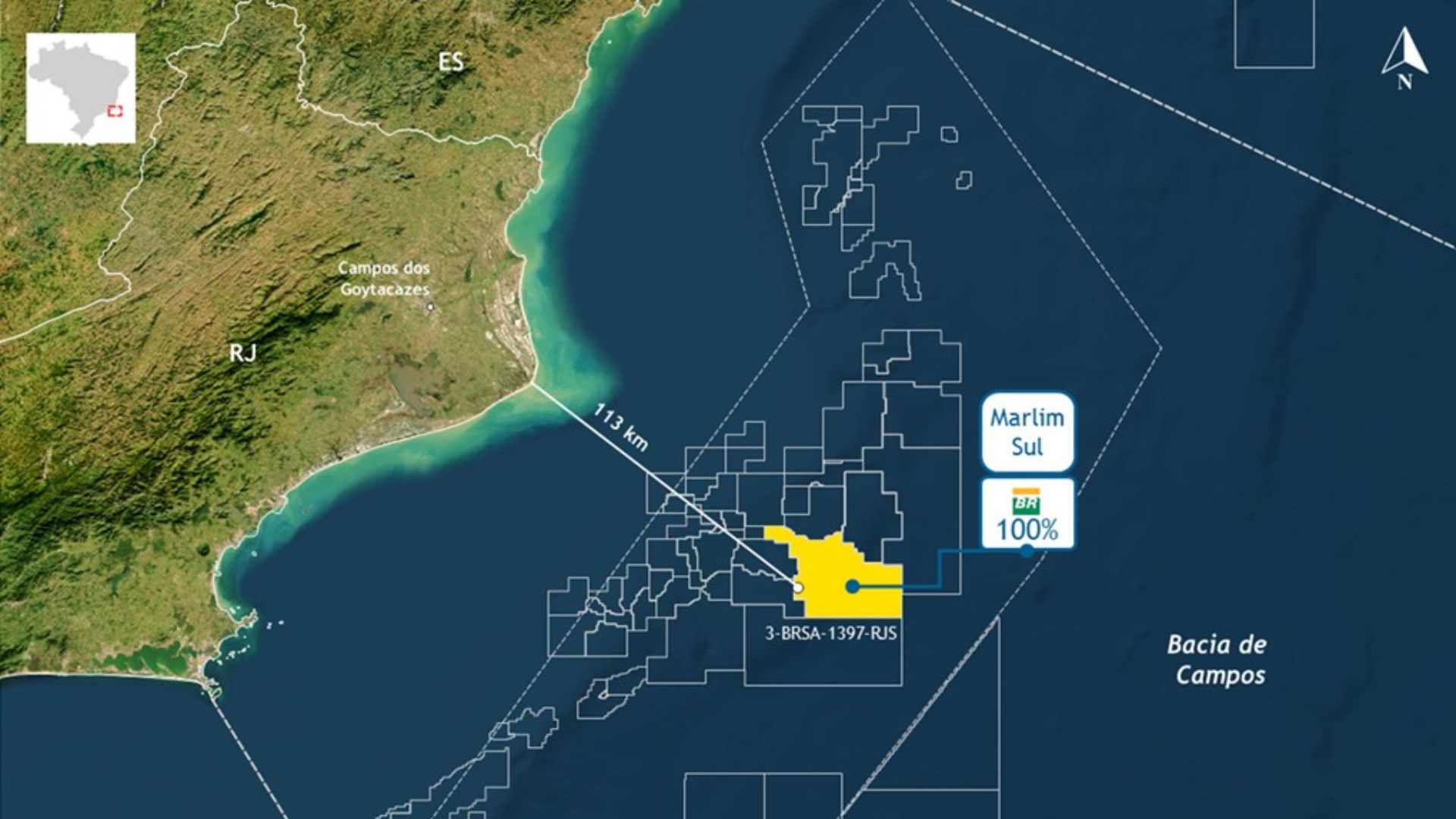
Petrobras finds high-quality oil in the pre-salt at 113 km from RJ and reignites expectations about strategic reserves in the Campos Basin.

-
Ocyan opens registrations for startups focused on innovation in the oil and gas sector and will select projects for Innovation Day with the support of Nexio.

-
Petrobras announces new oil discovery in the pre-salt of the Campos Basin and reinforces Brazil’s prominence with high-quality reserves that can increase production and energy revenues.
-
Alert in the fuel market: Analysts and a former director of ANP warn that oil prices may worsen in the coming months due to global instability.


Lack of Investment in IBP
Furthermore, there is a lack of investment in Brazil’s oil sector to eliminate the need for commodity imports. Forecasts from IBP (Brazilian Institute of Oil) indicate that Brazil needs approximately R$ 120 billion in new infrastructure investments in the oil sector to ensure supply in Brazil until 2035, without accounting for imports. New investments will secure an average of R$ 9.2 billion in subsidies in the oil sector annually. However, average annual investments are not increasing, as they were R$ 14 billion between 2002 and 2016, dropping to R$ 6 billion from 2017 to 2021.
In the new strategic planning from 2022 to 2026, Petrobras aims to invest US$ 6.1 billion, about R$ 29.9 billion at the 19.05 exchange rate, or an average of R$ 6 billion per year until 2026. Such planning is leading to less investment, according to specialists and executives in the oil sector. They state that a combination of five factors is preventing more investments in Brazilian refineries, making the country dependent on imports from other countries.
Factors Contributing to Oil Importation
Low Profit Margins: Profit margins at refineries are traditionally lower than in oil extraction and production, experts say. This is because processing derivatives of the commodity carries lower risk than oil exploration. A refining unit is an industrial operation driven by market demand that is known. The manufacturing of the product is more uncertain and risky, hence the larger profit margin.
Position of Petrobras: For some experts, the still predominant role of Petrobras in Brazilian refineries deters investors interested in putting money into the Brazilian oil sector to halt imports of oil to Brazil, as the state-owned company can influence market prices and dominates a large part of the distribution and storage logistics of derived fuels.
Logistics: To compete with a Petrobras refinery, a competing refinery must do more than just build another industrial unit; it also needs access to the full network of pipelines, railways, roads, and import/export terminals for petroleum derivatives that belong to the state-owned company.
Price-Setting Capacity: Petrobras, being government-controlled, can implement measures based on non-economic criteria, even when this results in pricing practices that incur losses in operations. This option affects other competitors, as the state-owned oil company dominates most of the market.
Legal Security: The lack of satisfaction or regulation in the pricing policy of oil derivatives, sometimes aligned with foreign prices and at other times based on profitable values, hinders private investments in the sector, according to specialists.









Seja o primeiro a reagir!