Portuguese
  Spanish


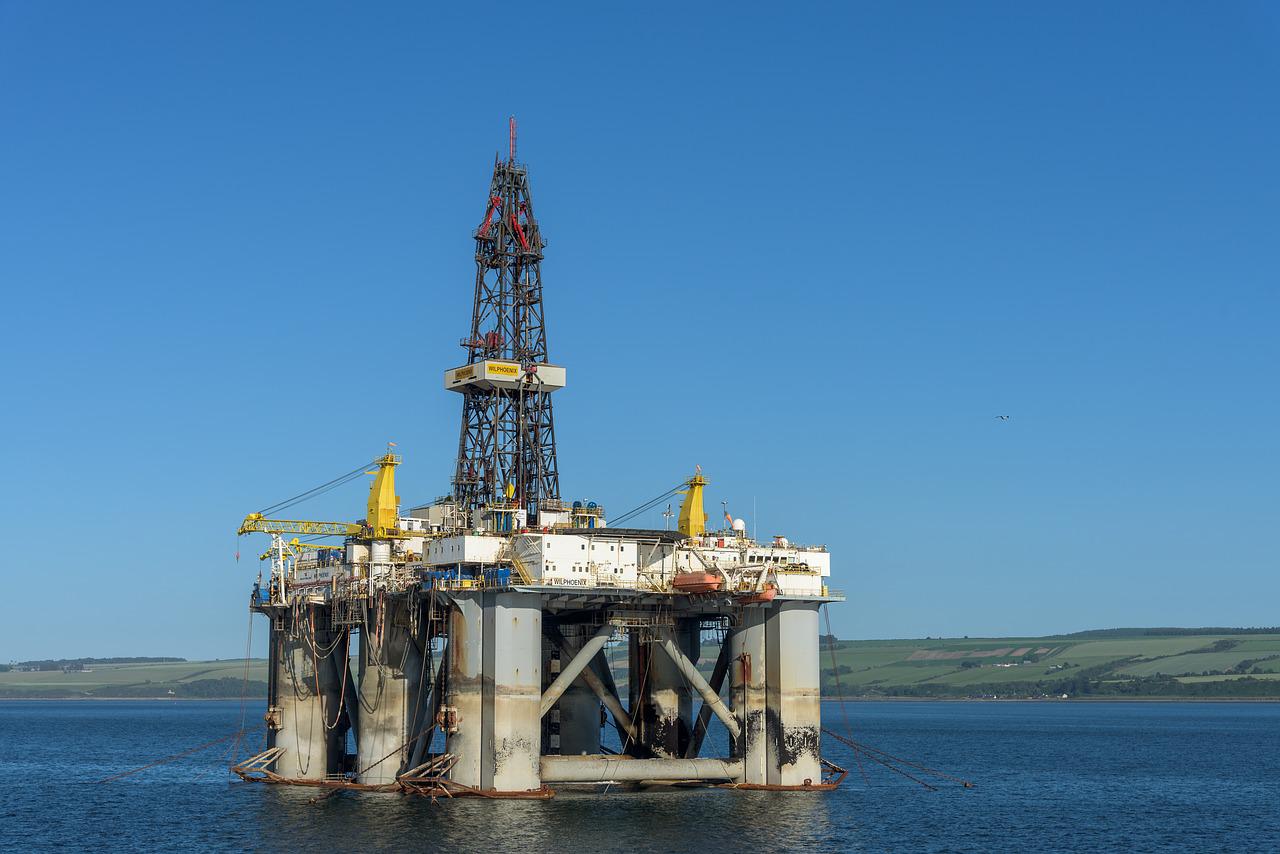

The European Union (EU) Is Taking Steps to Stop the Flow of Oil From Russia
Russia, which has long been exporting oil to EU countries, is currently having difficulties transferring that oil as the EU is aiming to ban the import of the product for its members.
Previously, the EU was uncertain about banning the import of the commodity coming from Russia, but now, its representatives are taking steps to halt the movement of oil from Russia and also refined products to most EU Member States as the war in Ukraine continues.
Countries Like the U.S. and Canada Have Already Banned Russian Imports
The United States, Australia, Canada, and the United Kingdom have already banned imports of oil coming from Russia. Japan stated that it also wished to ban imports after a G7 meeting over the weekend.
Together with the EU embargo, the countries that decided to ban Russian oil would put about half of the global economy out of reach of the product coming from there.
According to CNN, the Kremlin’s tax revenues have increased due to the overall rise in benchmark prices and triggeredby the war in Ukraine. However, if Russia loses oil imports to EU countries, about half of the European giant’s oil exports would be a significant blow to the Kremlin, causing government revenue to decline as other sanctions take an increasingly higher toll.
The International Energy Agency and other analysts say that the country will struggle to find new customers sufficient to fill the gap that the EU will leave by banning imports, and they also foresee that the country’s production will drastically decrease as a result of these bans.
-
OPEC+ Boosts Oil Supply by 188,000 Barrels per Day in July 2026, Leading to Price Drop from $112 to $89 per Barrel in Under Two Months

-
TotalEnergies Signs 20-Year Deal to Purchase 2 Million Tons of LNG from Alaska, Boosting Project Viability
-
Turkey Deploys Çağrı Bey Drilling Ship to Explore New Oil Frontier Off Somalia’s Coast
-
Golden Pass LNG Ships First Liquefied Gas Cargo from the U.S., Completing $10 Billion QatarEnergy and ExxonMobil Investment

The Importance of Europe to Russia
In January, the oil sector accounted for 45% of the Russian government’s budget, and Europe has been one of its main clients. In 2021, the EU received about one-third of Russian oil imports, according to the IEA (International Energy Agency), and before the invasion of Ukraine, Europe imported about 3.4 million barrels of oil per day.
However, since late February, those numbers have dropped somewhat as oil sellers in Europe largely avoid Russian oil shipped to Europe by sea, facing high shipping costs and the problem of securing necessary financing and insurance.
The EU imported approximately 3 million barrels of oil per day from Russia in April of this year, according to Rystad Energy, but after more than two months of war, the EU wants to push further, with representatives proposing to ban imports of Russian oil within six months and cease imports of refined products by the end of this year 2022.
Meanwhile, countries like Germany are in the process of reducing their energy dependence on Russia, while others have stated they are not ready to give up products from the country, such as Hungary, which claims it would need a period of three to five years to no longer use Russian commodities. Some landlocked states, like Slovakia and the Czech Republic, rely heavily on supplies delivered via pipelines.
Still, with countries not abandoning Russian oil anytime soon, the EU’s plan to ban imports threatens Russia’s economy, as the International Monetary Fund has already projected it would shrink by 8.5% this year, entering a deep recession.
India Intervenes, China Lags Behind
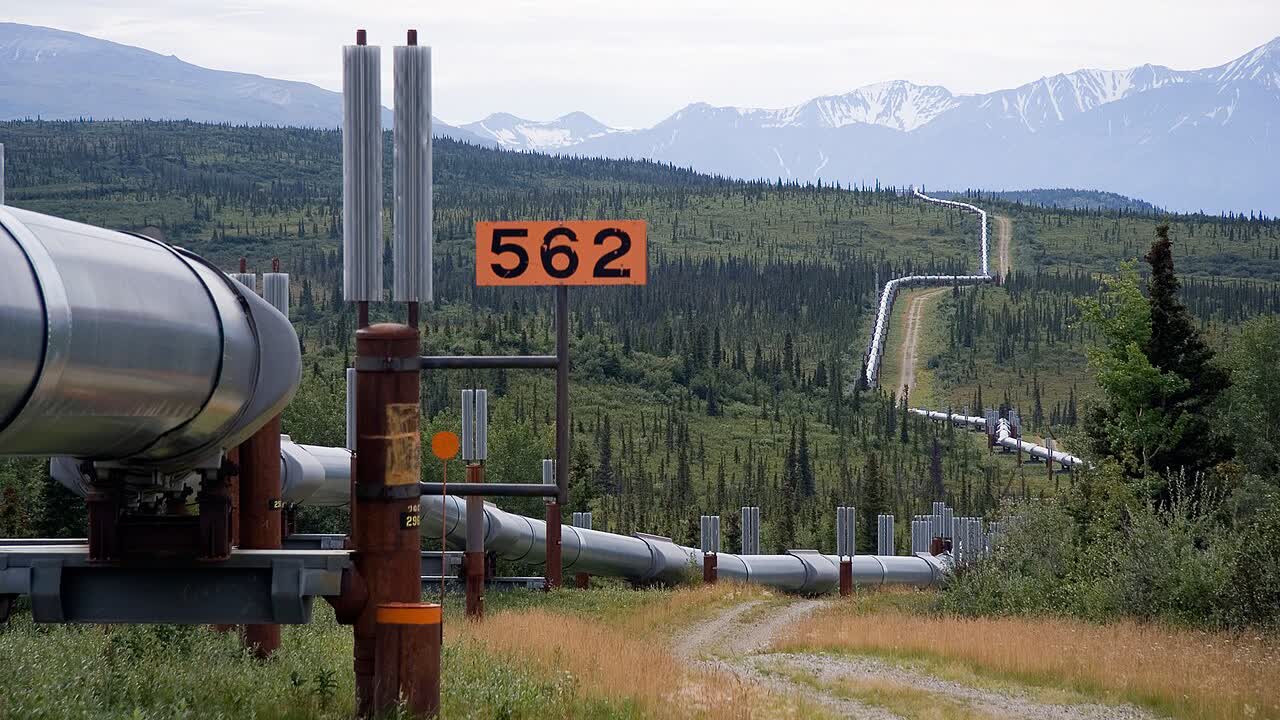
The ban on imports from a major consumer like Europe will be problematic. If oil prices rise as a result of the ban, Moscow could bring in more government revenue from oil taxes in the short term. However, this will depend on Russia’s ability to redirect produced oil to other consumers, which will not be an easy task, as a significant portion of Russia’s oil exports to Europe reaches its destination via pipelines. In other words, redirecting this oil to Asian markets will require new costly infrastructure that would take years to implement.
Meanwhile, offshore oil may attract more buyers. India, which uses about 5 million barrels of oil daily, has significantly increased its imports from Russia since the start of the war in Ukraine.
Russian Urals crude oil’s value is established with Brent as the benchmark, which before the Russian attack was sold at a cents discount, and now the discount is US$ 35 per barrel of oil, making it very attractive for consumers who have no import bans.