





 Portuguese
  English
  Spanish
  3 min of reading
  0 comments


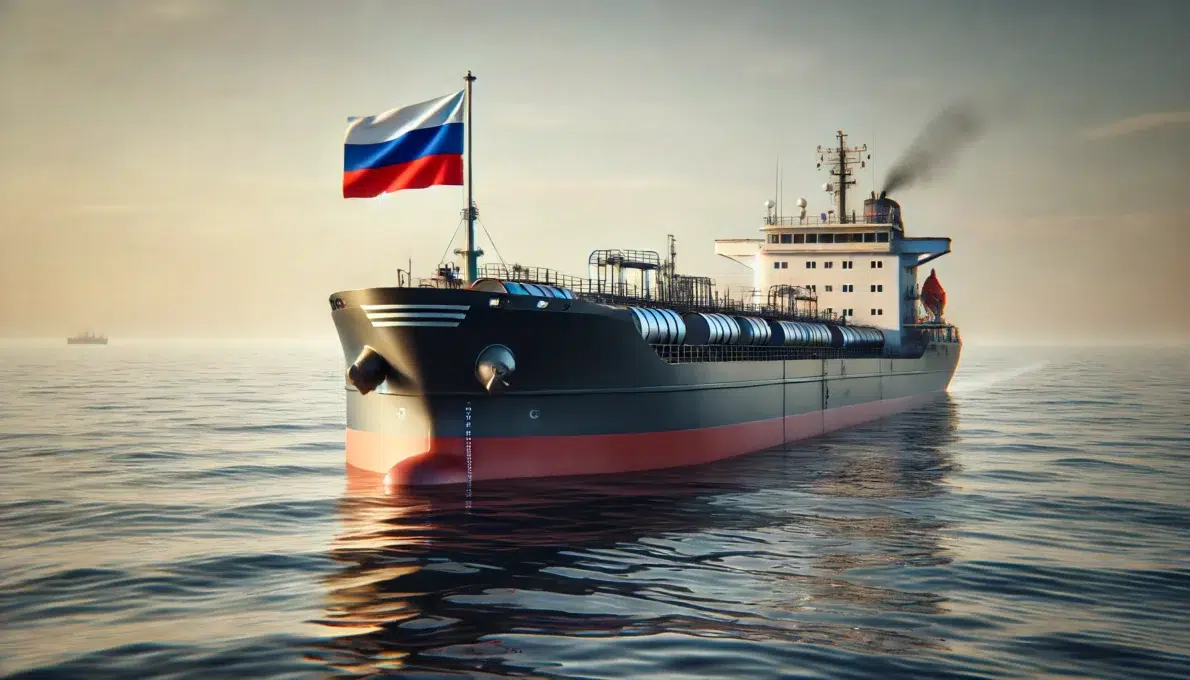
Russia’s Measure Against Oil Price Limits: Putin Prevents Exporters from Complying with Western Restrictions. Know the Consequences for International Oil Trade
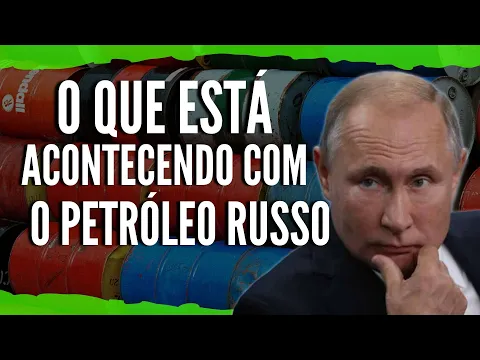
The President of Russia, Vladimir Putin, has ordered a ban on Russian oil exporters and customs agencies from adhering to the price limits set by the West on Russian oil barrels. This measure was taken in retaliation to the price cap on Russian fuel established by Western countries, as stipulated in a decree published on the Government of Russia’s website.
Declaration and Objective of the Measure
The measure was issued to help enforce Putin’s decree of December 27, 2022, which prohibited the supply of crude oil to nations following the imposed limits. The price cap aims to cripple Moscow’s military efforts in Ukraine without disrupting the markets by incurring a blockade on Russian supply.
Impact on the Oil Market
Hydrocarbon traders wishing to maintain access to Western financing for vital aspects of global maritime transport, such as insurance, must pledge not to pay more than $60 per barrel for Russian oil transported by sea. This restriction was introduced to limit Russia’s revenue derived from oil exports, diminishing the country’s ability to finance its military operations.
-
A major turn in the Justice system suspends tax increases and directly impacts oil and gas companies in Brazil by affecting costs, contracts, and financial planning, leaving uncertain what could happen to the sector if these costs had increased.

-
Brava Energia begins drilling in Papa-Terra and Atlanta and could change the game by reducing costs in oil while increasing production and strengthening competitiveness in the offshore market.
-
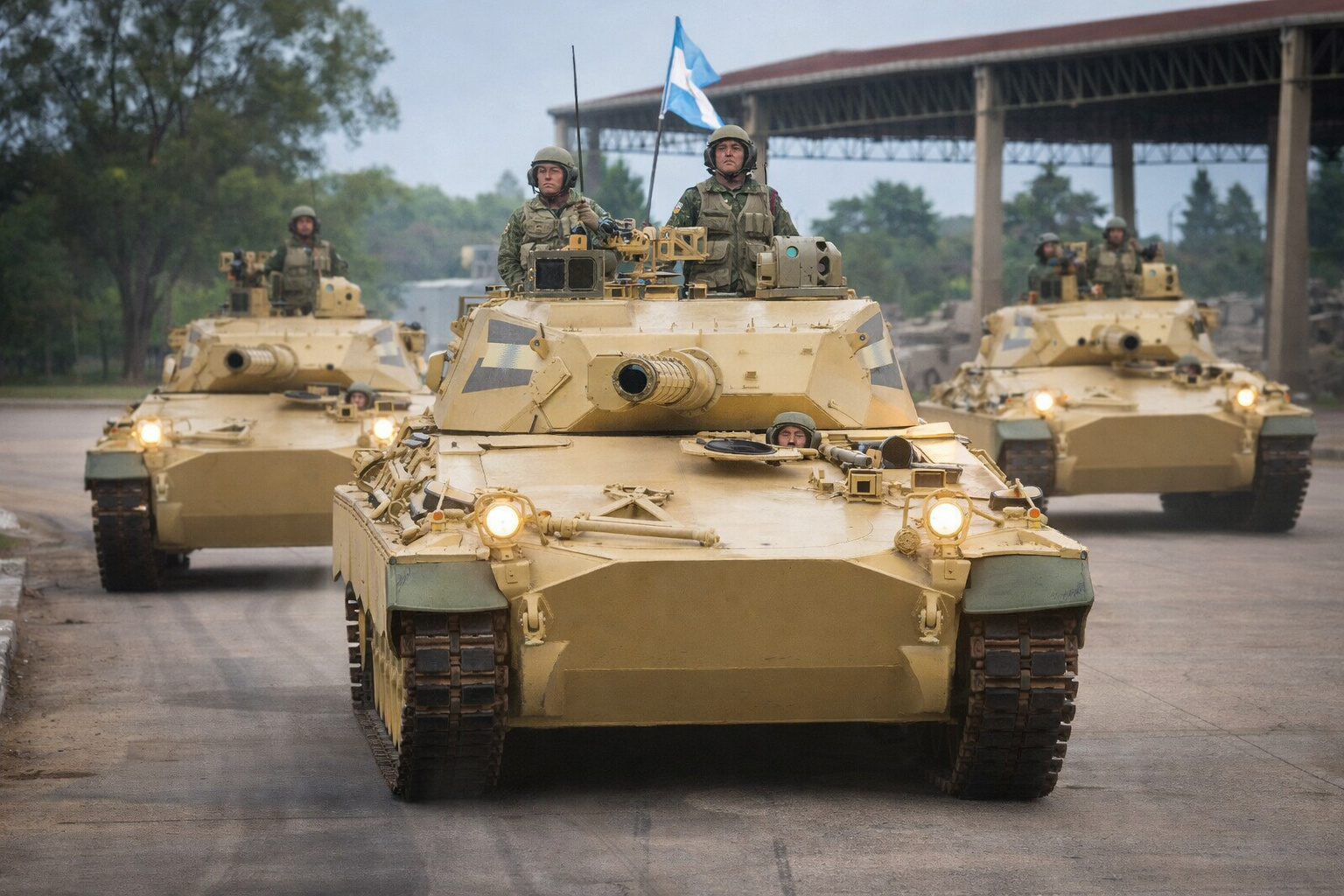
While no other country manufactures tanks in Latin America, Argentina activates the TAM 2C-A2 and raises a curiosity about the technological lag in the region.
-
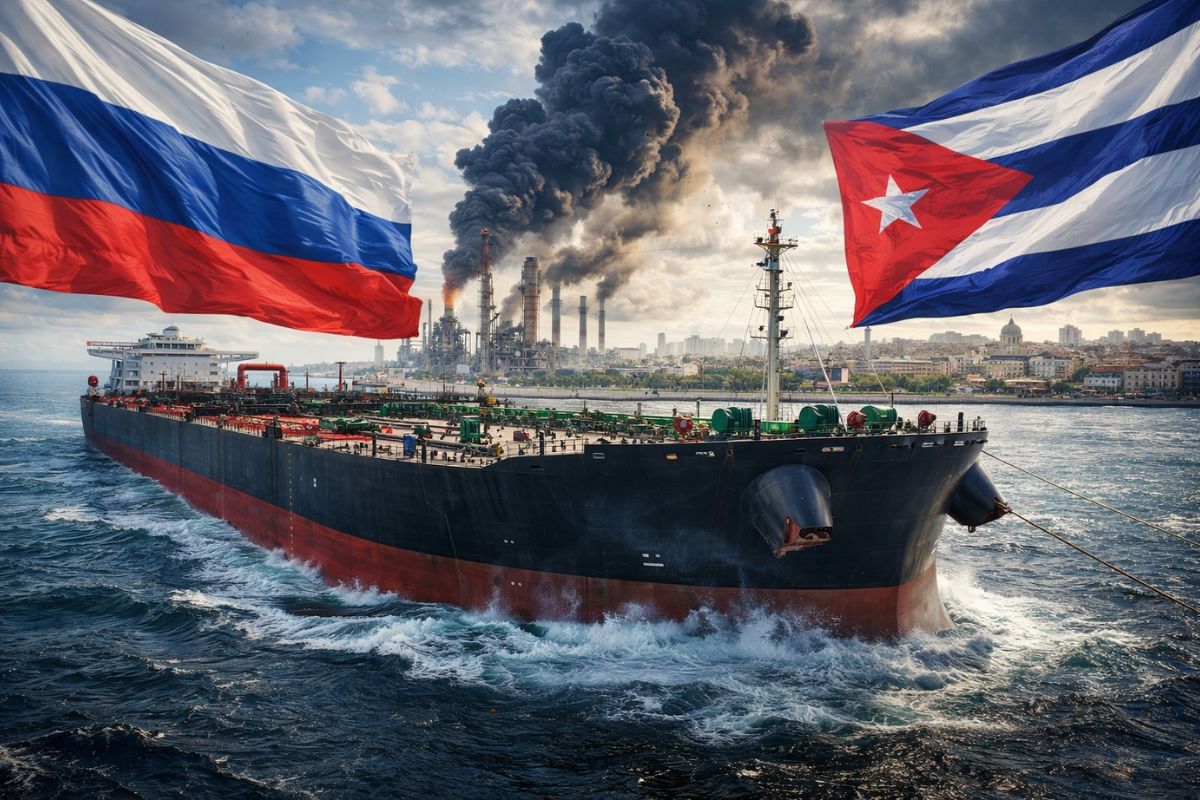
A Russian ship with 730,000 barrels of oil has just arrived in Cuba while Mexico negotiates fuel sales through private companies: the communist island is desperately seeking alternatives after losing its supply from Venezuela due to American military action.

Repercussions of the Decision
Russia’s decision not to comply with the Western price cap, in addition to being a retaliation, ensures that the global oil market is not controlled by external impositions that could harm the Russian economy. Customs agencies and Russian oil exporters have been instructed to strictly follow the decree, ensuring that Russian oil continues to be sold at prices determined by the market itself or the Russian government, without Western interference.
Consequences for International Oil Trade
Putin’s decision may lead to a reconfiguration of international trade, especially for nations that heavily rely on Russian oil. These countries will have to choose between adhering to the price limits imposed by the West, risking losing access to Russian oil, or challenging these limits to ensure a continuous supply.

Future of the Oil Market
With oil being a critical resource in the global economy, Russia’s decision to challenge the price limits imposed by the West may create a new dynamic in the market. Countries dependent on Russian oil will have to adjust their policies and strategies to ensure a stable supply. Furthermore, the role of customs agencies will be crucial in implementing these new guidelines, ensuring that Russian oil exports are not affected by external restrictions.
This assertive approach from Russia may lead to increased tension between Western nations and Russia, with potential repercussions for the stability of the global hydrocarbon market. Oil will continue to be a central element in discussions about energy and economic policies in the coming years, highlighting the importance of control over natural resources in geopolitical contexts.
Through these measures, Russia aims to maintain its autonomy and control over one of its most valuable resources, demonstrating resilience to external pressures and seeking to strengthen its position in the global black gold market.







Seja o primeiro a reagir!