





 Portuguese
  English
  Spanish
  10 min of reading
  0 comments



The Revenue from Oil Will Be Extremely Important for the Energy Transition, According to the Current Government’s Perspectives.
A study conducted by the National Bank for Economic and Social Development (BNDES) revealed that the oil and gas sector will contribute R$ 3.96 trillion to Brazil’s Gross Domestic Product (GDP) by 2032. This industry is extremely important for the country’s economy and will continue to play a fundamental role in the coming years.
Since the beginning of the 21st century, 158 projects have been presented in the National Congress with the aim of altering decisions made by regulatory agencies. This constant political interference has been the subject of debate and analysis, as it may affect the autonomy of these agencies and hinder their efficient functioning in regulating strategic sectors for the country.
Petrobras Denies Delay of Project to Avoid Overproduction
Countering rumors, Petrobras denied any negotiations regarding the postponement of the Sergipe Deep Waters project. The company justifies that it does not wish to start production simultaneously with the natural gas fields Raia Manta and Raia Pintada to avoid a possible overproduction in the market. This strategic decision aims to ensure better management of resources and avoid negative impacts on the oil and gas industry in Brazil.
-
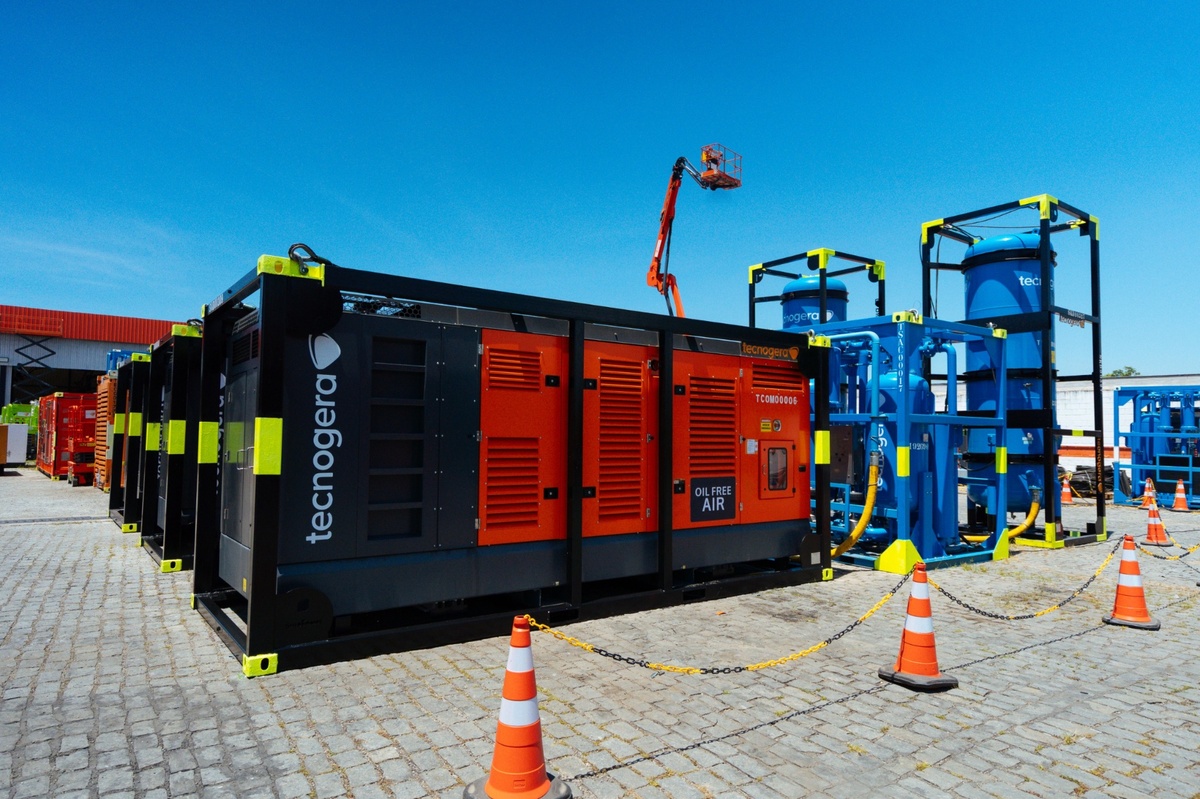
Offshore industrial demand in Macaé skyrockets with the recovery of oil and gas and could grow by up to 396% by 2026 in the Campos Basin.
-
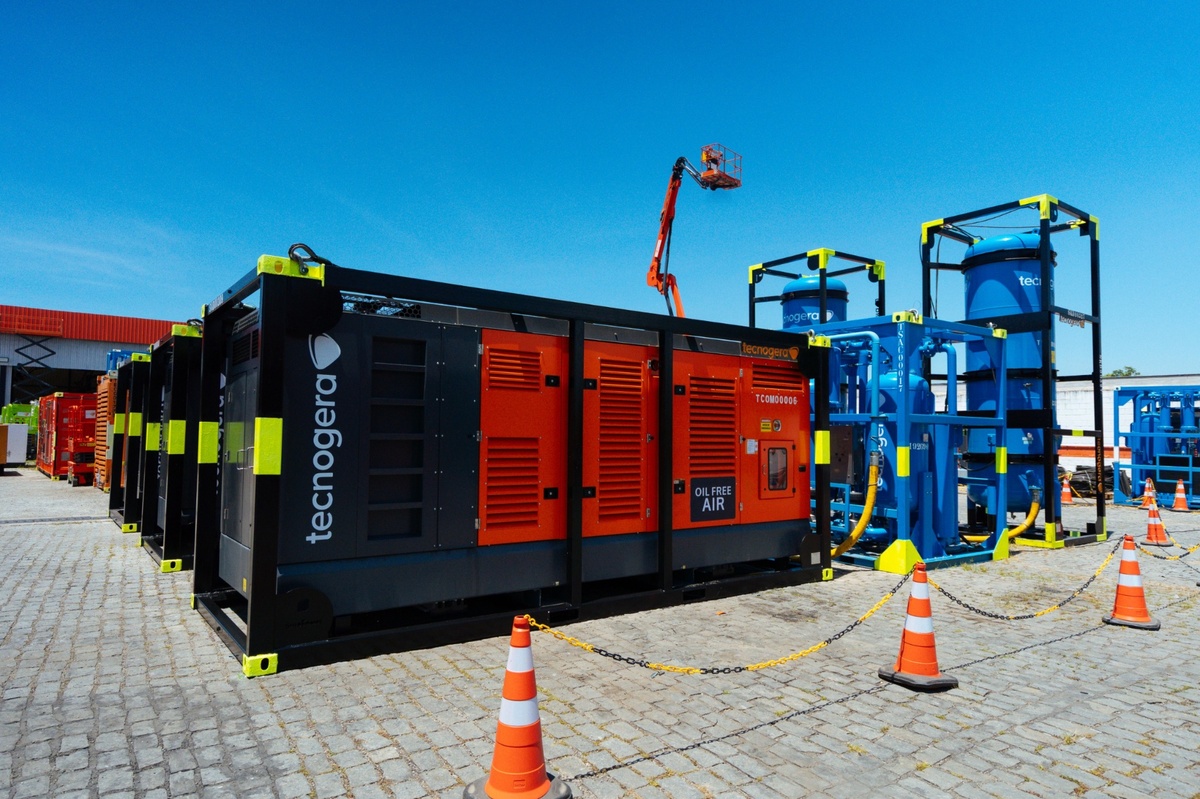
Offshore industrial demand in Macaé surges with the recovery of oil and gas and could grow by up to 396% by 2026 in the Campos Basin.
-
Brazilian giant expands borders in the Southeast: Petrobras confirms new oil discovery in ultra-deep waters in the pre-salt of the Campos Basin.

-
Alert in the global energy market: Severe tropical cyclone hits the coast and disrupts gas production at major plants in Australia, threatening global supply.


The Oil and Gas Sector Will Boost the Brazilian Economy Until 2032
A study released by BNDES reveals that the oil and gas sector will have a significant impact on the national GDP, predicting a contribution of R$ 3.96 trillion by 2032. This industry will also be responsible for job creation, generating a total wage revenue of R$ 792 billion during the same period.
Additionally, tax revenue from this sector is estimated at R$ 487 billion, excluding government participations. These impressive numbers indicate the extraordinary potential of this sector to drive the Brazilian economy.
The study, titled “The Energy Transition and the Brazilian Oil and Gas Sector”, aims to encourage discussion on how this sector can contribute to the transition to more competitive and environmentally sustainable energy forms.
These promising results support the ongoing importance of the development of the oil and gas sector in Brazil, which has been driven by factors such as the increase in the price of oil and the international demand for these resources. With strategic planning and adequate investments, we can maximize the potential of this sector, ensuring lasting economic and social benefits for the country.
The current government vision is that revenue from oil will play a fundamental role in the energy transition. According to a study, Norway uses the resources accumulated from oil to position itself as one of the countries that invest the most in the global warming combat agenda.
The president of BNDES, Aloizio Mercadante, has also highlighted that revenue from oil can be a differentiator to accelerate the energy transition in the country.
This scenario is reinforced by high oil and dollar prices, which led Brazil to break records in royalty distribution and special participation, allocating billions of reais to states, municipalities, and the Union.
In the context of pre-salt, the production sharing regime recorded an oil production four times greater than the previous year. This means that in 2022, about 98 million barrels were allocated to the Union under this regime.
The energy transition is a topic of increasing relevance, and the arrival of the Energy Observer, the world’s first hydrogen-powered boat, reinforces the importance of this process. The use of alternative energy sources is essential for reducing greenhouse gas emissions and building a more sustainable future.
A recent report from the International Energy Agency (IEA) revealed that the world is on track to reach the peak of all fossil fuels before 2030. Moreover, renewable energies are gaining more space, potentially representing about 50% of the global electricity mix, compared to the current 30%.
It is important to emphasize that this scenario occurs close to the realization of COP28, where discussions about the future of fossil fuels will be expanded. The National Bank for Economic and Social Development (BNDES) has a significant role in these dialogues, considering the need for energy transition.
It is also worth noting the economic impacts of this transition. With the rise in oil and dollar prices, Brazil has reached records in royalty distribution and special participation, allocating billions to states, municipalities, and the Union.
In the oil sector, multinational companies such as Wood are opening selection processes for areas such as electrical, pipeline, construction, structure, engineering, and operations. This demand highlights the importance of preparing professionals to operate in the energy transition.
Moreover, Pre-Salt Petróleo (PPSA) recorded an oil production in production sharing contracts four times greater than the previous year in 2022. About 98 million barrels were allocated to the Union under this regime.
The search for more sustainable energy alternatives gains even more strength with the arrival of the Energy Observer, the world’s first hydrogen-powered boat, on Brazilian soil. This milestone reinforces the importance of the energy transition and demonstrates that the exploration of clean and renewable energies is an increasingly present reality.
According to information from the interim president of PPSA, Tabita Loureiro, the oil and gas fields under the production sharing regime have the potential to generate about R$ 1 trillion in government participations over the contracts. Additionally, the commercialization of oil and gas could yield a minimum revenue of R$ 800 billion, while employment and income could reach R$ 350 billion.
The expectation is that PPSA will achieve significant profitability from the sale of natural resources, contributing to boosting the country’s economy. The special participation and royalties from these activities are essential for the socioeconomic development of the benefiting regions. In this sense, the National Bank for Economic and Social Development (BNDES) is also involved in this process.
The production sharing regime has proven efficient, registering a significant increase in oil production allocated to the Union. In the previous year, approximately 98 million barrels of oil were allocated, four times more than previously recorded. This demonstrates the potential of pre-salt and the relevance of the sector for the country.
The energy transition is an increasingly discussed theme, and Brazil has been seeking alternatives to diversify its energy matrix. The Energy Observer, the world’s first hydrogen-powered boat, arrived on Brazilian soil, reinforcing the importance of this transition. The search for more sustainable energy sources is essential to ensure the preservation of the environment and promote sustainable development.
In summary, the production sharing of oil and gas in Brazil has the potential to generate an estimated revenue of R$ 2 trillion through government participations, commercialization of resources, employment, and income. The exploration of these fields, coupled with the energy transition, contributes to boosting the economy and seeking more sustainable solutions for the country’s future.
Expectation of Increase in Oil Production in Brazil
PPSA aims to achieve a Union participation in oil fields with a production of 500 thousand barrels per day by 2029. This expectation demonstrates the growth potential of the sector in the country.
A drop in oil prices was recorded last Friday, due to more pessimistic expectations regarding demand and more optimistic views on the development of the conflict in the Middle East. Brent crude futures contracts fell 2.3%, reaching US$ 84.89 per barrel. Contracts in the U.S. also dropped 2.4%, to US$ 80.51 per barrel. Both benchmark indices fell by more than 6% for the week.
The National Bank for Economic and Social Development (BNDES) and the Special Participation are important players in the Brazilian oil sector. The rise in oil and dollar prices resulted in a record distribution of royalties and special participation, totaling R$ 37.6 billion and R$ 36.8 billion, respectively, for states, municipalities, and the Union. These resources provide investments and development in the country’s infrastructure.
Pre-Salt Petróleo (PPSA) also plays a fundamental role in the sector. Oil production in production sharing contracts reached a record number in the first half of the previous year, totaling approximately 98 million barrels allocated to the Union. These results demonstrate the success and potential of this regime, which seeks to ensure a greater participation of the State in the exploration of natural resources.
The energy transition is a relevant topic in the oil sector. The Energy Observer, the world’s first hydrogen-powered boat, arrived on Brazilian soil, reinforcing the importance of this transition. This technological advance points to the need to diversify the energy matrix and invest in renewable sources, aiming for sustainability and the future of the energy sector.
The president of Petrobras, Jean Paul Prates, stated on social media that the state-owned company is not in negotiations with the federal government to delay the Sergipe Deep Waters project. He emphasized that the company’s goal is to put the project into operation as soon as possible.
The intention to delay the entry of 18 million cubic meters per day of natural gas into the market, while the Raia Manta and Raia Pintada fields operated by Equinor in the Campos Basin begin production, was denied by the president of Petrobras. The aim is to avoid price reductions due to increased supply.
The company Proquigel sent a letter to Sindiquímica informing about the interruption of activities at the fertilizer factory located in Bahia. This shutdown will result in the dismissal of 384 direct and indirect employees working at the plant.
According to Proquigel, the letter is merely a notice, and the company is negotiating with Petrobras to maintain the operation of the unit. The proposal under discussion is to establish a “tolling” contract, where Petrobras will supply the gas and pay for the use of the plant.
The interruption of activities at the fertilizer factory in Bahia is being closely monitored by the National Bank for Economic and Social Development (BNDES), which has an interest in the continuity of this venture.
Since the year 2000, about 158 projects for legislative decrees have been proposed, with 90% of them presented in the Chamber of Deputies. These proposals have raised questions regarding the decisions made by regulatory agencies, according to a survey conducted by the Brazilian Association of Regulatory Agencies (Abar).
On November 6, attention will be focused on the companies Vibra Energia and Engie. These two companies have stood out in the sector and are considered promising in the market. Vibra Energia (VBBR3) specializes in energy production and commercialization, while Engie (EGIE3) is a French multinational operating in the generation and distribution of electric energy.
On November 8, several companies will be in the spotlight. They are: Eletrobras, 3R Petroleum, Braskem, Ultra, Equatorial, Oceanpact, and Copel. These companies operate in different segments such as electric energy, petrochemicals, and the environment. Each of them has unique characteristics and perspectives, making them attractive to potential investors.
On November 9, it will be the turn of companies such as Petrobras, PetroRecôncavo, CPFL Energia, Energisa, and Cosan to shine. Petrobras is known as one of the largest companies in the oil and gas sector in Brazil, while PetroRecôncavo specializes in oil exploration and production in mature fields. CPFL Energia, Energisa, and Cosan operate in the electric energy sector and are constantly seeking innovation and expansion.
Enauta (ENAT3) and Celesc (CLSC4) in the Spotlight on Friday (11/10)
On November 10, attention will be on the companies Enauta and Celesc. Enauta, formerly Queiroz Galvão Exploration and Production, is a company involved in oil and natural gas exploration. Celesc is an electric energy company primarily operating in Santa Catarina. Both companies have shown positive results and are considered interesting options for investors.
It is important to make these changes to ensure that the distribution of cashback in the electricity bill is fair and adequate for low-income consumers, taking into account their financial limitations.
The proposed amendment will be discussed and evaluated by the Senate, aiming to find a solution that benefits all low-income consumers.
Compass, a gas company controlled by Cosan, conducted the first issuance of debentures tied to ESG goals in the oil and gas sector of Latin America, raising a total of R$ 1.7 billion.
The Greek government launched a plan to meet its target of 2 GW of offshore wind energy by 2030. A study by the state-owned Herema mapped 10 areas with a minimum capacity of 4.9 GW for the installation of floating wind turbines, accounting for most of the plan.
Economic and Social Impact of Royalties and Special Participation in the Brazilian Oil Sector
The rise in the price of oil and the dollar resulted in a record of R$ 376 billion in royalties and R$ 368 billion in special participation distributed to states, municipalities, and the Union. The National Bank for Economic and Social Development (BNDES) and Pre-Salt Petróleo (PPSA) are entities that play an important role in this scenario.
The Energy Observer, the world’s first hydrogen-powered boat, reinforced the importance of the energy transition by landing on Brazilian soil. The initiative represents a milestone in the search for more sustainable and cleaner solutions for the energy sector.
On November 3, heavy rains that hit São Paulo resulted in the interruption of electric power supply to more than 2.5 million households. Even on Sunday, more than 1 million homes were still without power, and the forecast from the utility company Enel was to restore service only by Tuesday. This adverse situation impacted even the ENEM tests, which needed to rely on generators in some schools.
Additionally, through emails, it is possible to daily receive the agenda of authorities related to the oil sector. Among the highlights is the news that the rise in the price of oil and the dollar was responsible for the record achieved by Brazil, which distributed R$ 376 billion in royalties and R$ 368 billion in special participation to states, municipalities, and the Union.
Another relevant piece of information is about the multinational oil company Wood, which is currently holding a selection process open for hiring in the areas of electrical, pipeline, construction, structure, engineering, operations, and other fields.
Pre-Salt Petróleo (PPSA) also registered significant growth in its oil production in production sharing contracts. In 2022, the production allocated to the Union increased approximately 4 times compared to the previous year, totaling around 98 million barrels.
Finally, it is important to highlight the significance of the energy transition, which has become increasingly evident. This is clear with the arrival of the Energy Observer, the world’s first hydrogen-powered boat, on Brazilian soil. This initiative reinforces the need to invest in clean and sustainable energy sources.
SOURCE OF INFORMATION: EPBR










Seja o primeiro a reagir!