





 Portuguese
  English
  Spanish
  2 min of reading
  0 comments


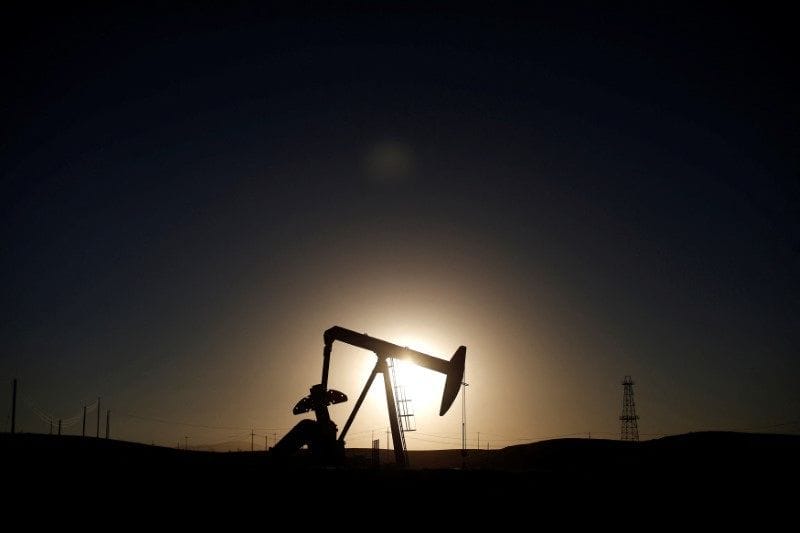
Storage Levels Registered A Significant Increase, Reaching 421.1 Million Barrels In The United States, Suggesting Low Demand.
Oil prices fell considerably this Thursday, reflecting the decrease in fears of a broader conflict in the Middle East and signs of demand weakening in the United States. Brent oil futures closed the day at $87.93 per barrel, representing a drop of $2.20 or 2.44%. Meanwhile, West Texas Intermediate (WTI) futures in the U.S. settled at $83.21 per barrel, recording a decline of $2.18 or 2.55%.
For some time, oil prices were driven by fears that the conflict between Israel and the Palestinian militant group Hamas could affect global oil supply. This concern involved the possibility of Iran and its allies getting involved in the region. However, the security premium that had been paid since the beginning of the month seems to be diminishing, according to John Kilduff, partner at Again Capital LLC.
Current Trends In Oil Prices
Meanwhile, in the United States, crude oil stocks increased by 1.4 million barrels last week, reaching a total of 421.1 million barrels. These numbers indicate weaker demand than expected. Analysts surveyed in a Reuters poll had anticipated a gain of only 240,000 barrels. This decline in domestic demand contributed to the drop in oil prices.
-
Unemployment rises again to 5.8% at the beginning of 2026, raising alarms about the end of temporary positions and its impact on the Brazilian job market.

-
Document organization can cut invisible costs in small businesses, a simple step that prevents waste, rework, and losses in daily operations.

-
Brazilian giant expands borders in the Southeast: Petrobras confirms new oil discovery in ultra-deep waters in the pre-salt of the Campos Basin.

-
Alert in the global energy market: Severe tropical cyclone hits the coast and disrupts gas production at major plants in Australia, threatening global supply.


Still, it is important to highlight that the market remains vigilant about potential geopolitical events that could affect oil supply and demand. Conflicts in the Middle East and other external factors can significantly influence barrel prices, making the market volatile and unpredictable.
Geopolitical Factors And Impact On The Oil Market
It is important to emphasize that the oil industry is extremely sensitive to changes in supply and demand. Any alteration in global stocks, as well as political and economic events, can have a significant impact on prices. Therefore, it is crucial to closely monitor trends and developments in the oil market to make informed decisions about investments and business strategies.
In summary, oil prices fell this Thursday due to a decrease in fears of conflict in the Middle East and demand weakening in the United States. However, it is important to stay updated on geopolitical events and changes in global supply and demand, as these factors can influence oil market volatility.










Seja o primeiro a reagir!