






 Portuguese
  Spanish


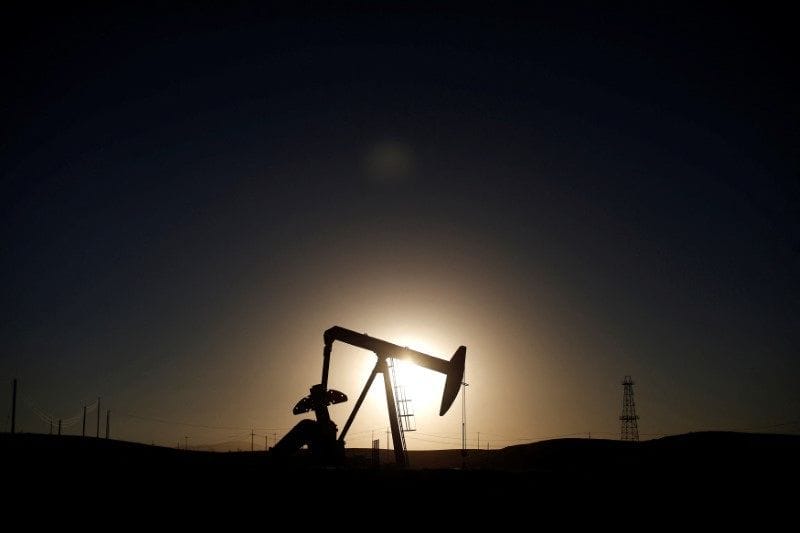

Storage Levels Registered A Significant Increase, Reaching 421.1 Million Barrels In The United States, Suggesting Low Demand.
Oil prices fell considerably this Thursday, reflecting the decrease in fears of a broader conflict in the Middle East and signs of demand weakening in the United States. Brent oil futures closed the day at $87.93 per barrel, representing a drop of $2.20 or 2.44%. Meanwhile, West Texas Intermediate (WTI) futures in the U.S. settled at $83.21 per barrel, recording a decline of $2.18 or 2.55%.
For some time, oil prices were driven by fears that the conflict between Israel and the Palestinian militant group Hamas could affect global oil supply. This concern involved the possibility of Iran and its allies getting involved in the region. However, the security premium that had been paid since the beginning of the month seems to be diminishing, according to John Kilduff, partner at Again Capital LLC.
Current Trends In Oil Prices
Meanwhile, in the United States, crude oil stocks increased by 1.4 million barrels last week, reaching a total of 421.1 million barrels. These numbers indicate weaker demand than expected. Analysts surveyed in a Reuters poll had anticipated a gain of only 240,000 barrels. This decline in domestic demand contributed to the drop in oil prices.
-
At 14 years old, she worked in a factory in Hong Kong, studied economics abroad, and then entered the Chinese real estate market, which helped change the landscape of Beijing.

-
While NATO secured more than $10 billion in missiles and space surveillance at a single forum, Brazil still spends 1.1% of its GDP on defense and is stalling its own anti-aircraft system.

-
Corn ethanol attracts R$ 23 billion in 21 new plants and prepares for a nearly 50% jump in Brazilian production by 2027, even with high interest rates.
-
A newly opened terminal in the middle of the Amazon has begun transporting soy and corn through Amapá, eyeing the queue of ships that is congesting the ports in the South.


Still, it is important to highlight that the market remains vigilant about potential geopolitical events that could affect oil supply and demand. Conflicts in the Middle East and other external factors can significantly influence barrel prices, making the market volatile and unpredictable.
Geopolitical Factors And Impact On The Oil Market
It is important to emphasize that the oil industry is extremely sensitive to changes in supply and demand. Any alteration in global stocks, as well as political and economic events, can have a significant impact on prices. Therefore, it is crucial to closely monitor trends and developments in the oil market to make informed decisions about investments and business strategies.
In summary, oil prices fell this Thursday due to a decrease in fears of conflict in the Middle East and demand weakening in the United States. However, it is important to stay updated on geopolitical events and changes in global supply and demand, as these factors can influence oil market volatility.








