





 Portuguese
  English
  Spanish
  5 min of reading
  1 comment


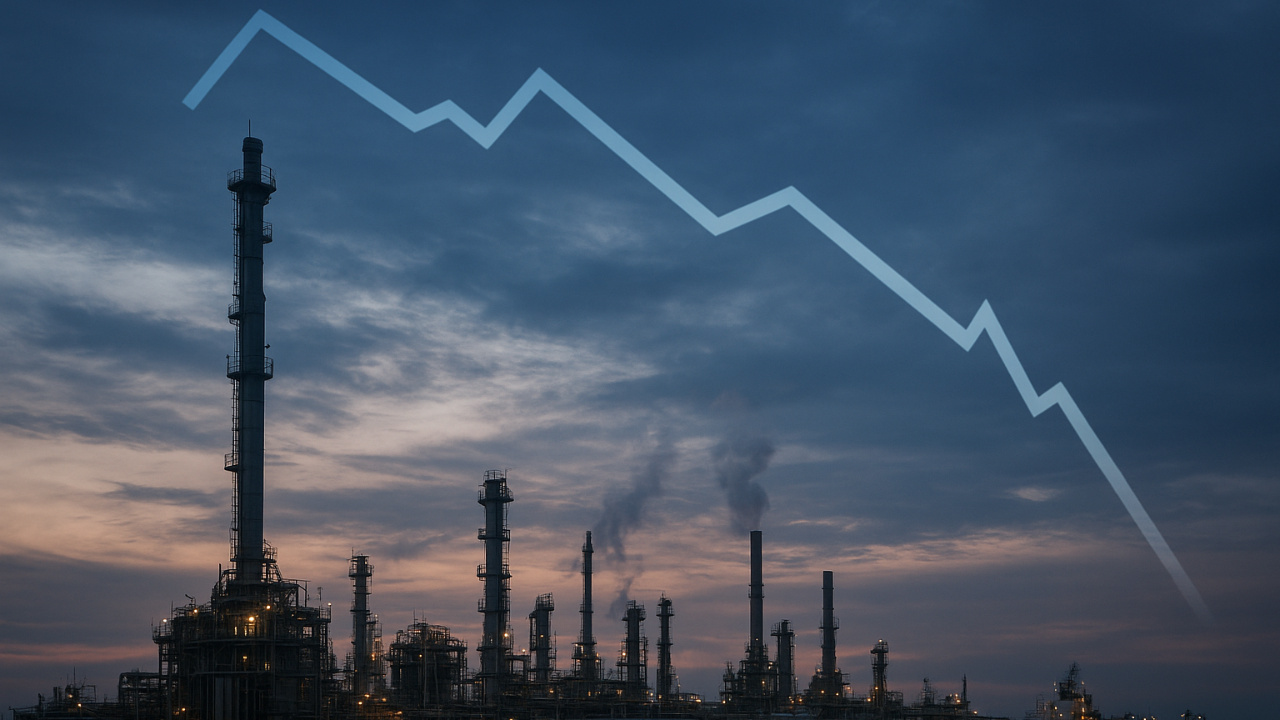

Oil Prices Fall to Lowest Level Since May, Pressured by High Supply, Diplomatic Advances in Conflict Areas and Uncertainties in US-China Trade. Understand What Is Behind the New Decline of the Commodity.
The international oil market is going through a new phase of volatility and declines in prices. After weeks of depreciation, the price of a barrel has reached the lowest level in months, reigniting alarms among investors and analysts about the future of the commodity.
On Friday (17), the Brent barrel, a global benchmark traded in London, fell 0.13%, priced at US$ 60.98 for delivery in December. Meanwhile, the West Texas Intermediate (WTI), the main benchmark in the American market, decreased 0.19%, reaching US$ 57.35 per barrel, with a contract expiration in November.
Although the daily movement was modest, the accumulated decline reveals a more concerning picture. The Brent had not recorded such low prices since May of this year, while the WTI had not reached this range since 2021. The loss in value reflects a combination of economic and geopolitical factors, ranging from oversupply to recent peace negotiations in producing regions.
-
Petrobras surprises the world again by announcing a new discovery in the pre-salt with excellent quality oil.

-
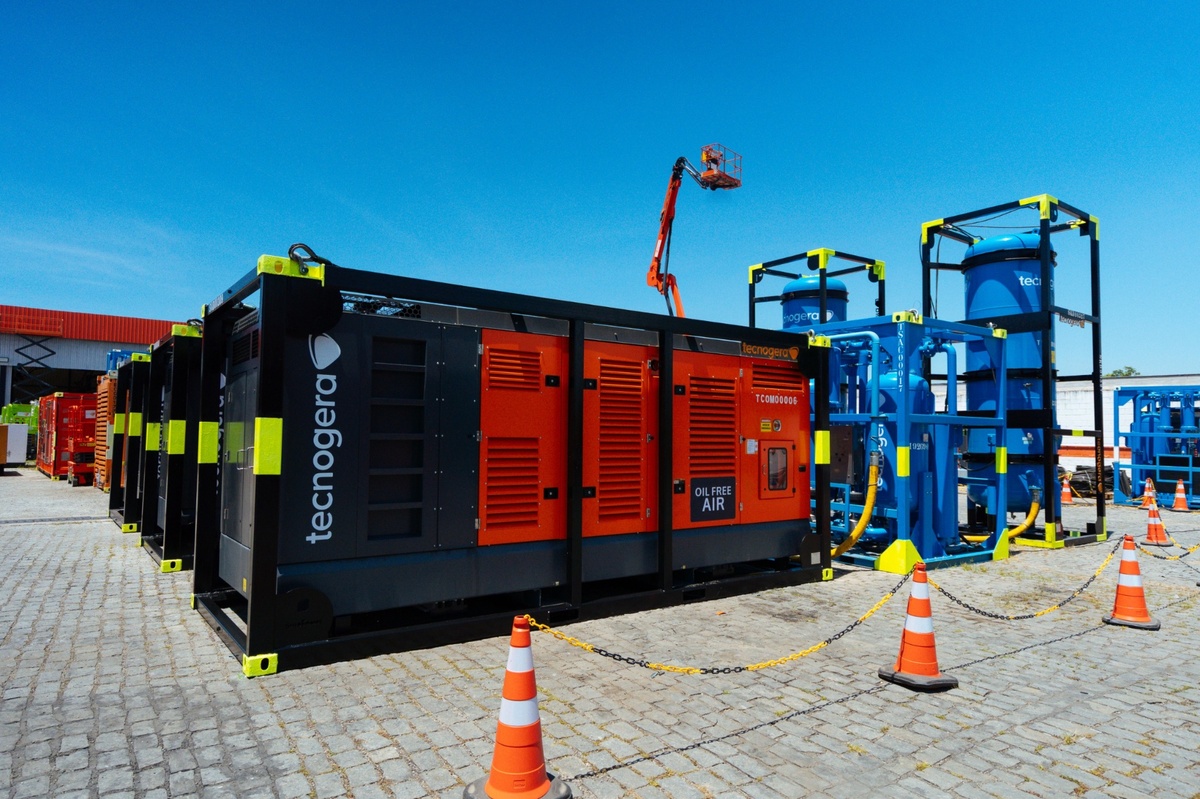
Offshore industrial demand in Macaé skyrockets with the recovery of oil and gas and could grow by up to 396% by 2026 in the Campos Basin.
-
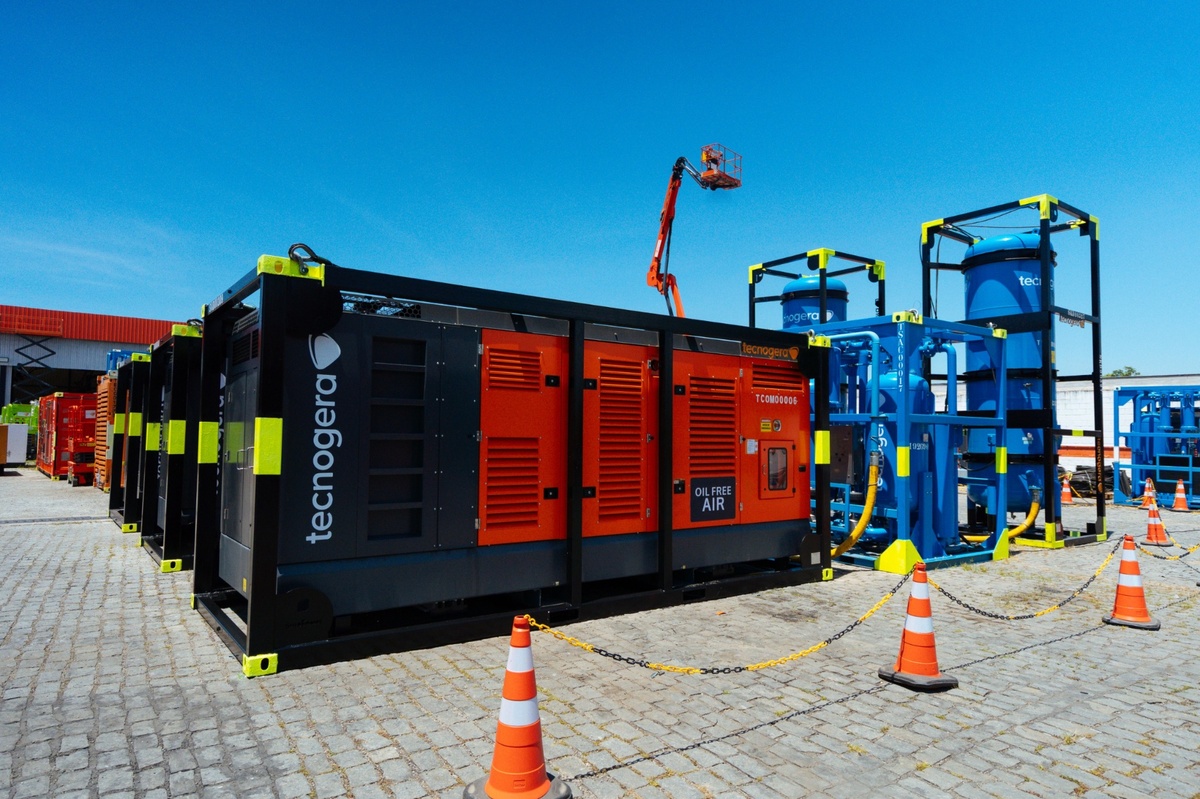
Offshore industrial demand in Macaé surges with the recovery of oil and gas and could grow by up to 396% by 2026 in the Campos Basin.
-
Brazilian giant expands borders in the Southeast: Petrobras confirms new oil discovery in ultra-deep waters in the pre-salt of the Campos Basin.


Global Oversupply Drives Devaluation
One of the main reasons for the decline in oil prices is the imbalance between supply and demand. When there is more oil available in the market than buyers willing to purchase, prices naturally drop.
The international market reacted to projections from the International Energy Agency (IEA), which indicate a significant increase in global production. The agency revised upwards its expectations for supply growth while simultaneously reducing its forecast for demand growth for this year and 2025.
According to the IEA, the planet may see an increase of 2.2 million barrels per day by 2025, reaching nearly 4 million additional barrels in 2026. This scenario reinforces the fear that the sector could face a glut of oil, something that tends to keep prices under pressure.
“The market is adhering to the International Energy Agency’s hypothesis of an oversupply,” explained Phil Flynn from the Price Futures Group to AFP.
Analysts from DNB also reinforced this outlook during the Energy Intelligence conference in London: “An oil surplus, expected for some time, is finally beginning to emerge and should weigh on prices.”
Truce in Producing Areas Reduces Risks and Drives Down Prices
In addition to the supply issue, diplomatic advances in conflict zones have also contributed to the decline in oil prices. In recent months, wars involving Russia and Ukraine, as well as confrontations between Israel and Hamas, were supporting prices due to the risks of supply interruptions.
However, with the reduction of geopolitical tensions, this effect began to dissipate. Recently, signs of peace have gained strength, especially after the announcement of a meeting between Donald Trump and Vladimir Putin, scheduled to take place in Hungary. The President of the United States stated that there had been “great progress,” while the Kremlin described the dialogue as “extremely frank and full of trust.”
Although no confirmed date exists yet, the mere announcement of the meeting was enough to influence the market. Trump has pressured allies to stop purchasing Russian oil, which, paradoxically, could open space for a gradual resumption of Russian production — something that tends to increase supply and drive down prices.
In the Middle East, the signing of a ceasefire between Israel and Hamas on October 9 also had a direct impact on prices. Under pressure from the United States, the agreement included the release of hostages and opened the way for the reduction of hostilities.
According to economist Claudio Galimberti from Rystad Energy, “if peace is stable and reliable, its impact (on reducing) prices will be more structural and profound.”
Even though Israel is not a major oil producer, the region plays a strategic role in the transportation routes of the commodity. Any instability could compromise the flow through the Red Sea and the Suez Canal, critical corridors for the shipment of barrels to Europe and Asia.
With the ceasefire, the expectation is now that rebel groups in Yemen — such as the Houthis — will suspend attacks on Western ships, allowing for the normalization of maritime traffic. This would reduce logistical risks and further contribute to the decompression of international oil prices.
US-China Trade Conflict Increases Uncertainty
Besides the high supply and reduced geopolitical risks, the trade tension between the United States and China has also weighed on oil performance in futures markets.
American President Donald Trump recently stated that the 100% tariff on Chinese products is unsustainable in the long term, but justified the measure as a response to Beijing’s stance. According to him, a “fair” renegotiation is needed to restore balance in international trade.
China responded with restrictions on the export of rare earth elements, considered strategic for the tech industry. The measure was labeled by Trump as “surprising” and “very hostile.”
According to John Evans from PVM, “any reduction in international trade can only be unfavorable for oil.” This is because global trade growth is directly linked to the demand for fuels and energy.
Mark Waggoner, an analyst at Excel Futures, adds that the return of uncertainty between the two powers tends to put pressure on prices in the coming weeks. He states that the recent spike in prices during some sessions was only due to a “technical recovery after very bad days.”
Market Prospects and Impact on US Production
If the WTI barrel remains priced below US$ 60, experts foresee a s slowdown in American production, particularly in the shale oil sector. At this price range, many companies lose the profitability needed to maintain drilling new wells.
This factor could lead to adjustments in the medium term, but for now, global oversupply and economic uncertainties remain the dominant forces in the market.
With divergent forecasts and an still unstable scenario, the price of oil remains one of the most sensitive indicators of the global economic landscape — reflecting, at the same time, the dynamics of production, geopolitics, and the trade disputes that shape the 21st century.









REDUÇÃO dos RISCOS GEOPOLÍTICOS (FIM DO **** em Gaza e CESSAR FOGO na GUERRA RUSSIA X UCRÂNIA)