





 Portuguese
  English
  Spanish
  3 min of reading


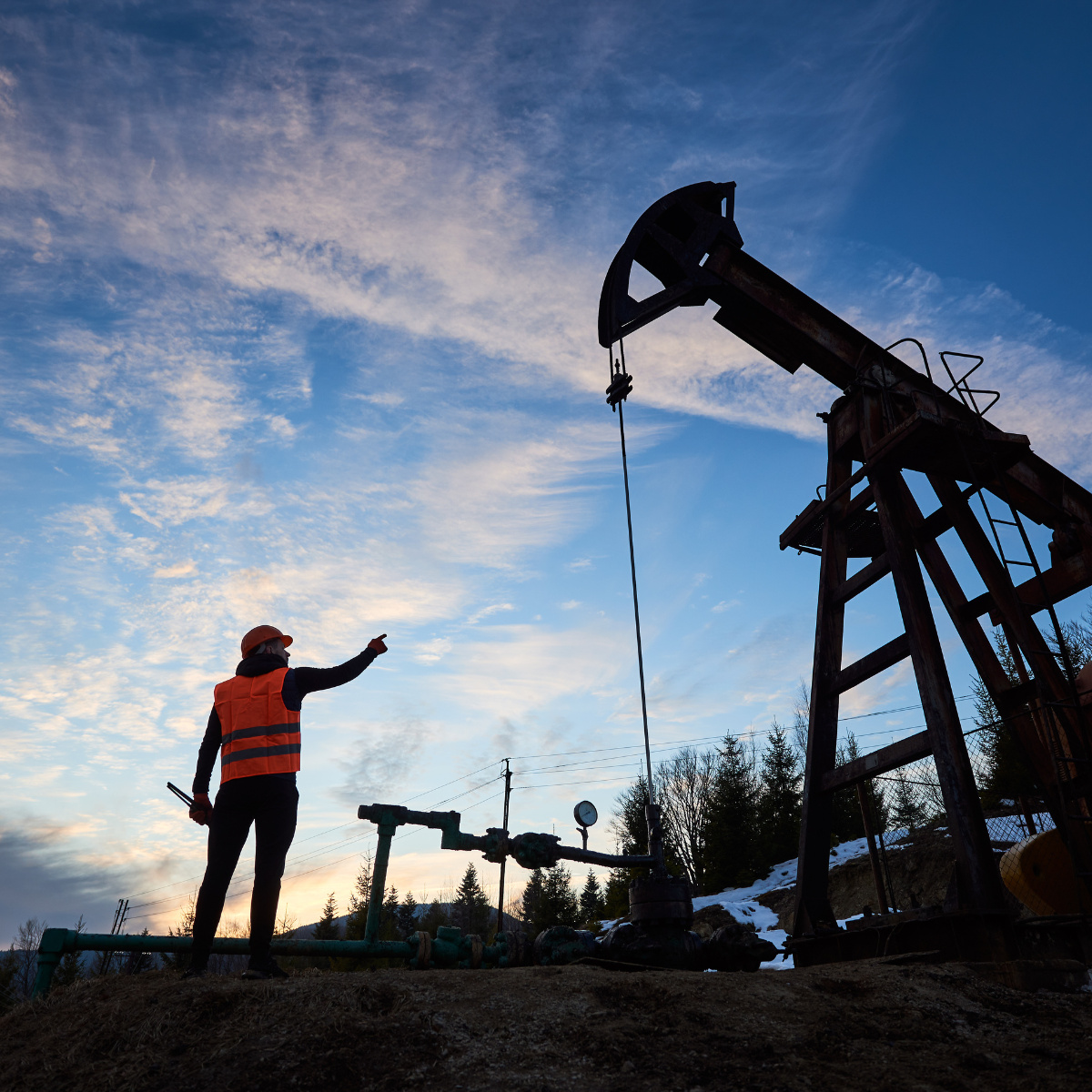
The Revision of Demand Estimates
The International Energy Agency has raised its forecast for global oil consumption for 2026. According to the IEA website, demand is expected to rise by 860,000 barrels per day, a figure that underscores the continued importance of the commodity in the global energy balance. Although the transition to renewable sources is advancing, oil remains structurally relevant and aligns with the growth of sectors that still heavily depend on fossil fuels.
History shows that oil has shaped economies and international politics since the 20th century. For this reason, each update from the IEA moves governments, analysts, and markets. The agency often guides strategic decisions and long-term projections.
Moreover, the upward revision reveals that consumption is not expected to decline in the short term. Demand remains supported by the expansion of emerging countries and the difficulty of quickly replacing fossil fuels across various industrial sectors.
-
The rise in oil prices could ensure an extra revenue of R$ 100 billion for the Federal Government, indicates a recent economic study.

-
Naturgy begins an investment of R$ 1.6 million to expand the gas network in Niterói and benefit thousands of new residences and businesses.

-
A major turn in the Justice system suspends tax increases and directly impacts oil and gas companies in Brazil by affecting costs, contracts, and financial planning, leaving uncertain what could happen to the sector if these costs had increased.

-
Brava Energia begins drilling in Papa-Terra and Atlanta and could change the game by reducing costs in oil while increasing production and strengthening competitiveness in the offshore market.
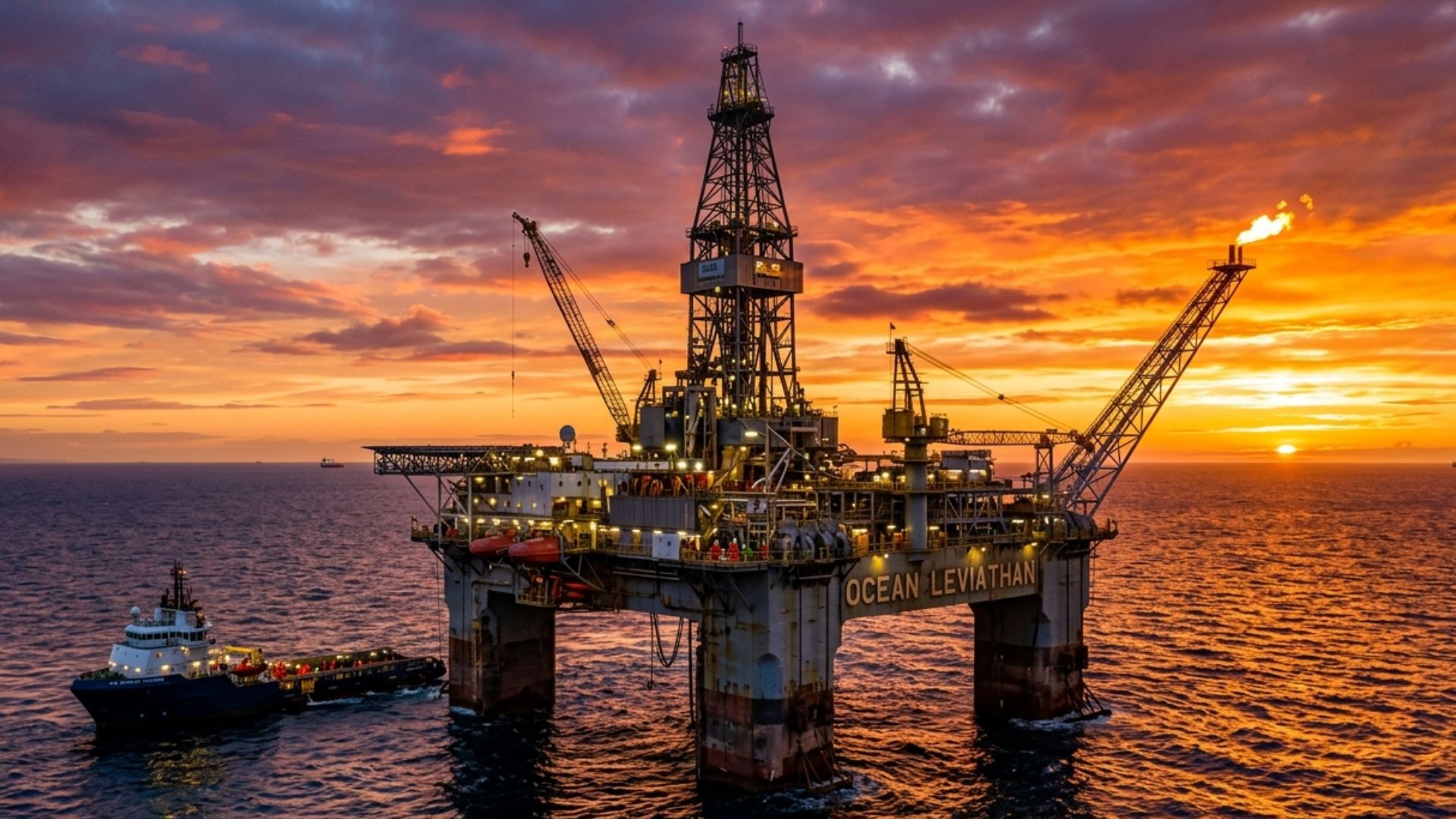

The Historical Influence of Oil on Global Development
Oil has always been linked to price formation, geopolitical crises, and technological advances. According to records from the Energy Information Administration of the United States, periods of economic stability have typically resulted in increased consumption. Conflicts and supply shocks have led to price spikes and international tensions.
The new IEA estimate also speaks to this historical trajectory. Developing economies continue to expand their vehicle fleets, industrial operations, and logistical chains. Thus, even with incentives for renewable sources, the global matrix remains dependent on oil.
Nonetheless, environmental pressure is increasing. Governments and companies are seeking decarbonization alternatives. Therefore, the current challenge is to reconcile the projected increase with the advancement of sustainability on a global scale.
Economic Factors Supporting the New Projection
The IEA revision comes amid international economic uncertainties. The OECD website indicates that the post-crisis recovery has stimulated greater industrial activity. This has driven demand for petroleum derivatives, used in shipping, aviation, and road transport. As a result, the consumption projection has increased.
At the same time, geopolitical tensions raise risks in supply. According to the European Union, since 2022, economic blocs have sought to reduce external dependencies. This repositioning influences production and storage decisions.
Even with advancements in sources like wind and solar, the energy transition takes time. Therefore, the revised IEA forecast confirms that oil remains essential in the short and medium term.
Strategic Impacts for Producers and Consumers
The increase in global demand directly affects exporting countries. Brazil, Saudi Arabia, and the United States are expected to increase investments to sustain growth. According to data released by the producing governments, new platforms, logistical routes, and refining systems are part of expansion plans.
For importing countries, the concern involves energy security. Price fluctuations in crude impact fuels, transportation, and final consumer prices. Thus, the IEA report serves as a warning signal for internal planning.
Despite this, environmental policies are advancing. Climate commitments made in international agreements remain valid. Therefore, the projected increase coexists with emission reduction targets and energy efficiency programs.
Paths for the Future of Oil in the Energy Scenario
The coming years are expected to bring new adjustments to global estimates. IEA reports track technological changes and economic variations. Nonetheless, the current projection reinforces oil’s status as a central element of the global economy.
Governments are investing in research and innovation. Companies are accelerating digital and environmental processes. Universities are developing solutions for reduced emissions, energy storage, and alternative fuels. Thus, the forecasted increase in demand does not hinder the advancement of the transition. It merely shows that the energy balance point is still under construction.
Therefore, understanding the IEA projection means grasping this moment of transition. Oil remains fundamental, but the pressure for more sustainable models is growing steadily. Thus, the global challenge involves economic growth, climate responsibility, and technological modernization moving hand in hand.








Seja o primeiro a reagir!