





 Portuguese
  English
  Spanish
  7 min of reading
  0 comments


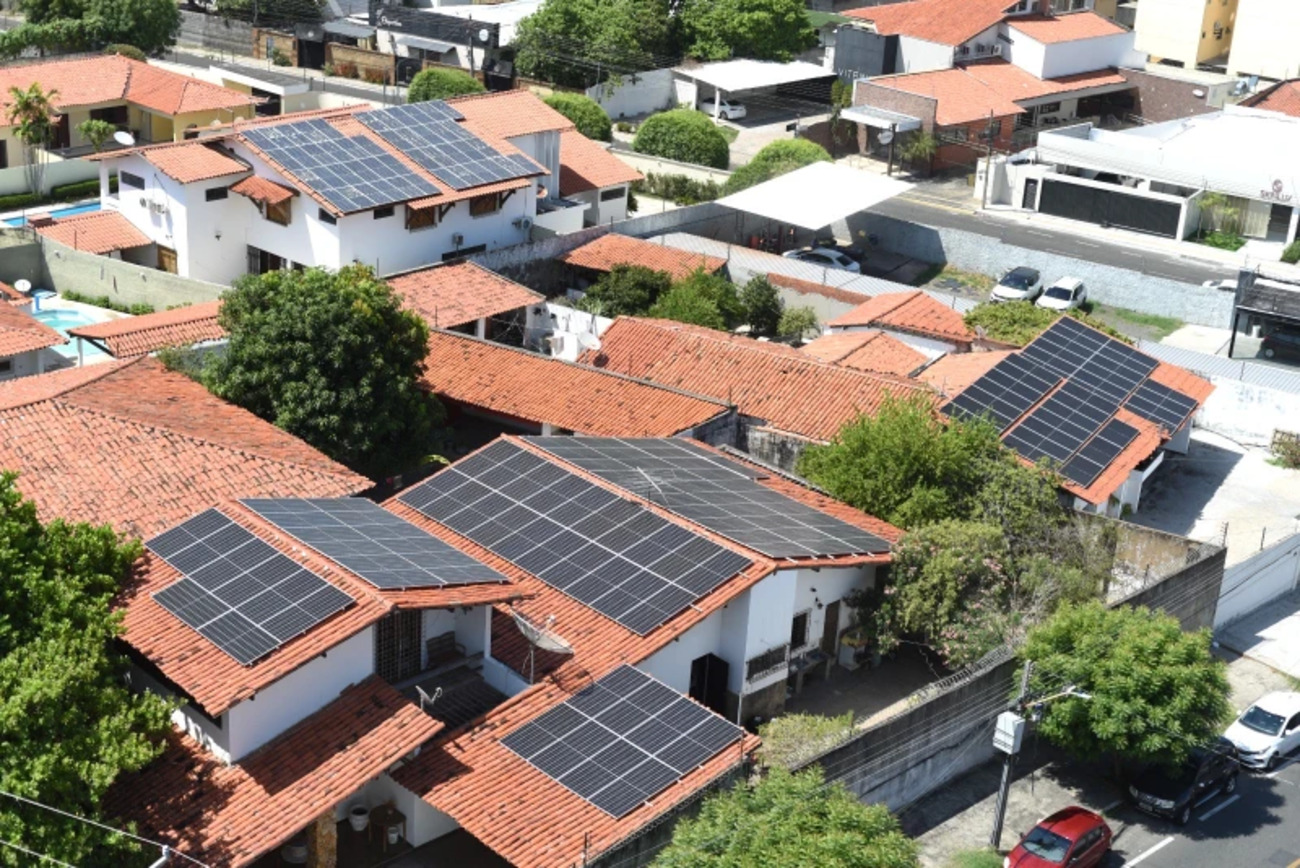
The electric sector of Piauí celebrates an unprecedented advance in distributed generation, consolidating the supply of solar energy in 158,845 consumer units and transforming the economy of families from the hinterland to the coast.
The state of Piauí has just reached a revolutionary level in its electrical matrix by registering almost 160 thousand households that use solar energy supply to reduce costs and gain energy autonomy.
According to the latest data from the National Electric Energy Agency (ANEEL), the Piauí territory totals 158,845 consumer units that generate their own electricity through photovoltaic panels installed on roofs and land.
This movement places Piauí in a prominent position on the national scene, taking advantage of the highest solar radiation indices in Brazil to democratize access to clean energy. The accelerated growth reflects not only the abundance of sunlight but also the reduction in solar component prices and the frantic search by consumers for an alternative to high conventional grid tariffs.
-
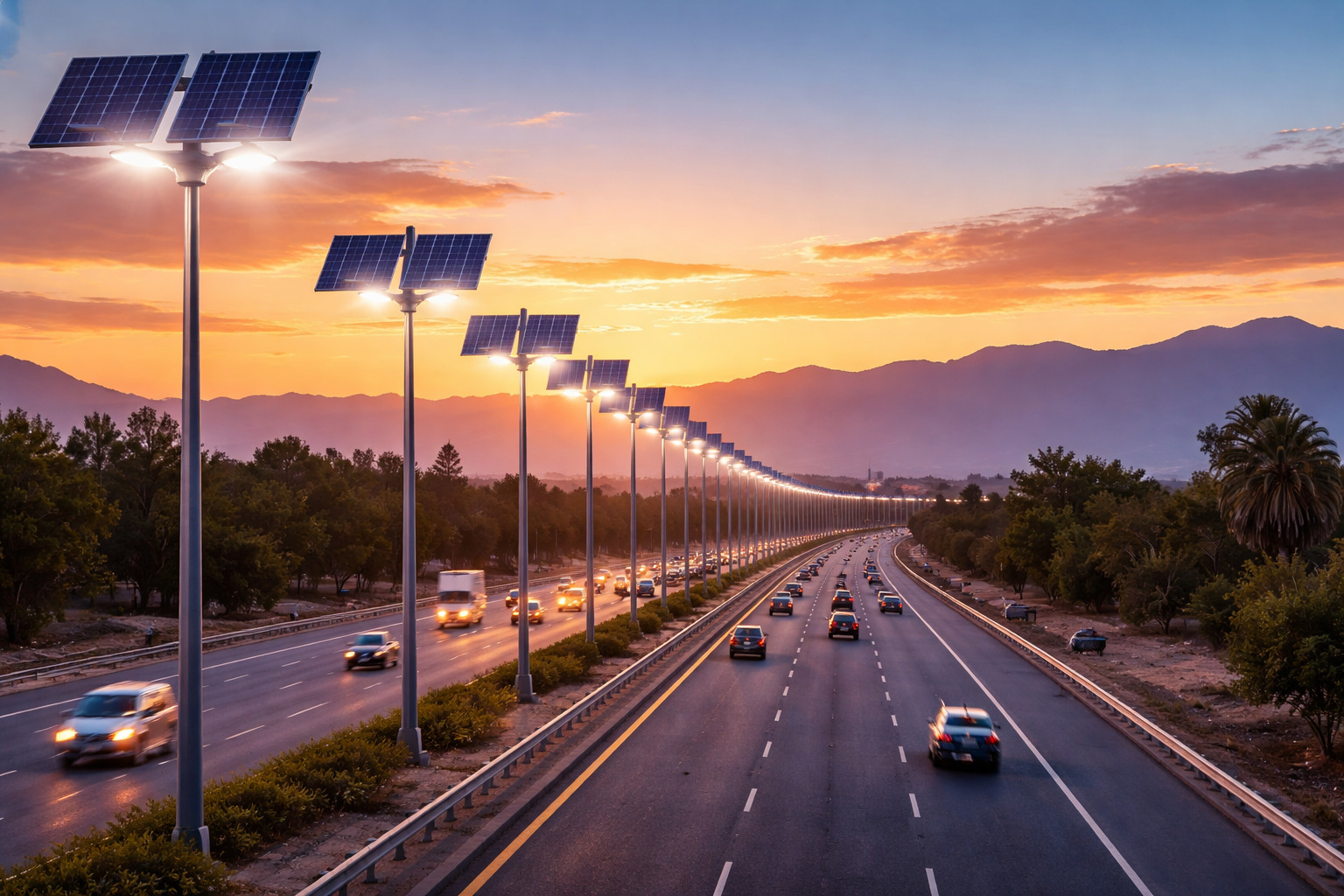
Argentina debuts its first 100% solar-powered highway and transforms an entire road into a showcase of clean energy.
-
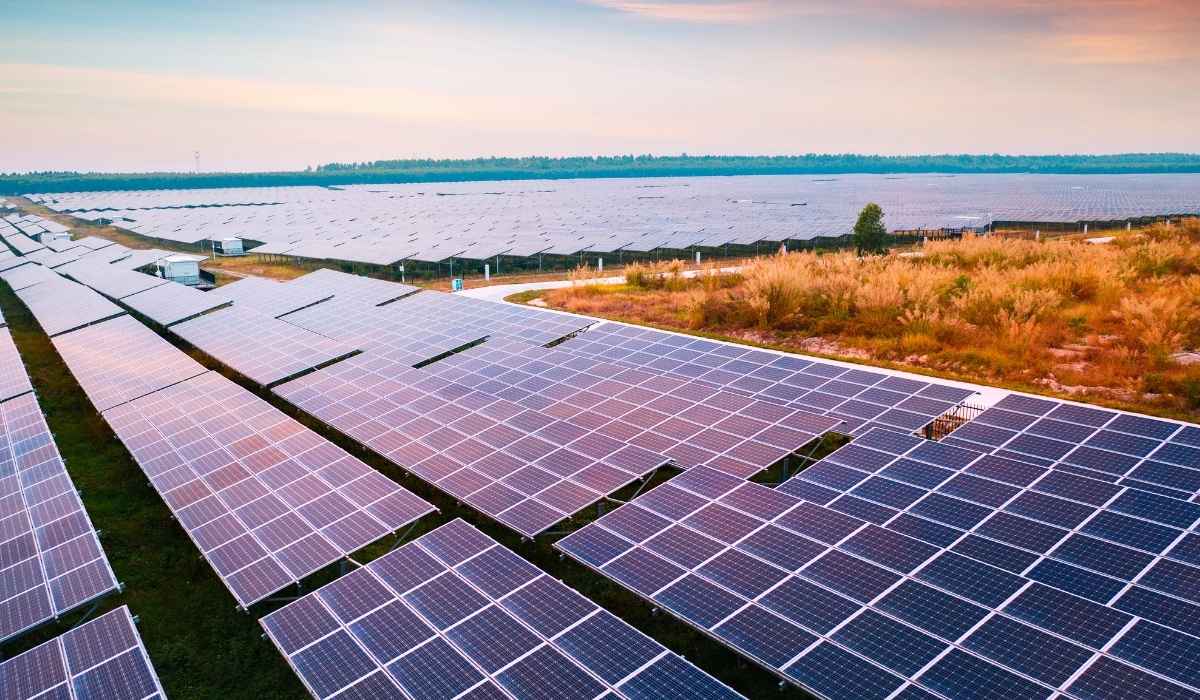
Minas Gerais reaches a historic record and surpasses the power of Itaipu, but network costs generate debate: Understand why solar energy in MG impacts the electricity bill of those without panels.
-
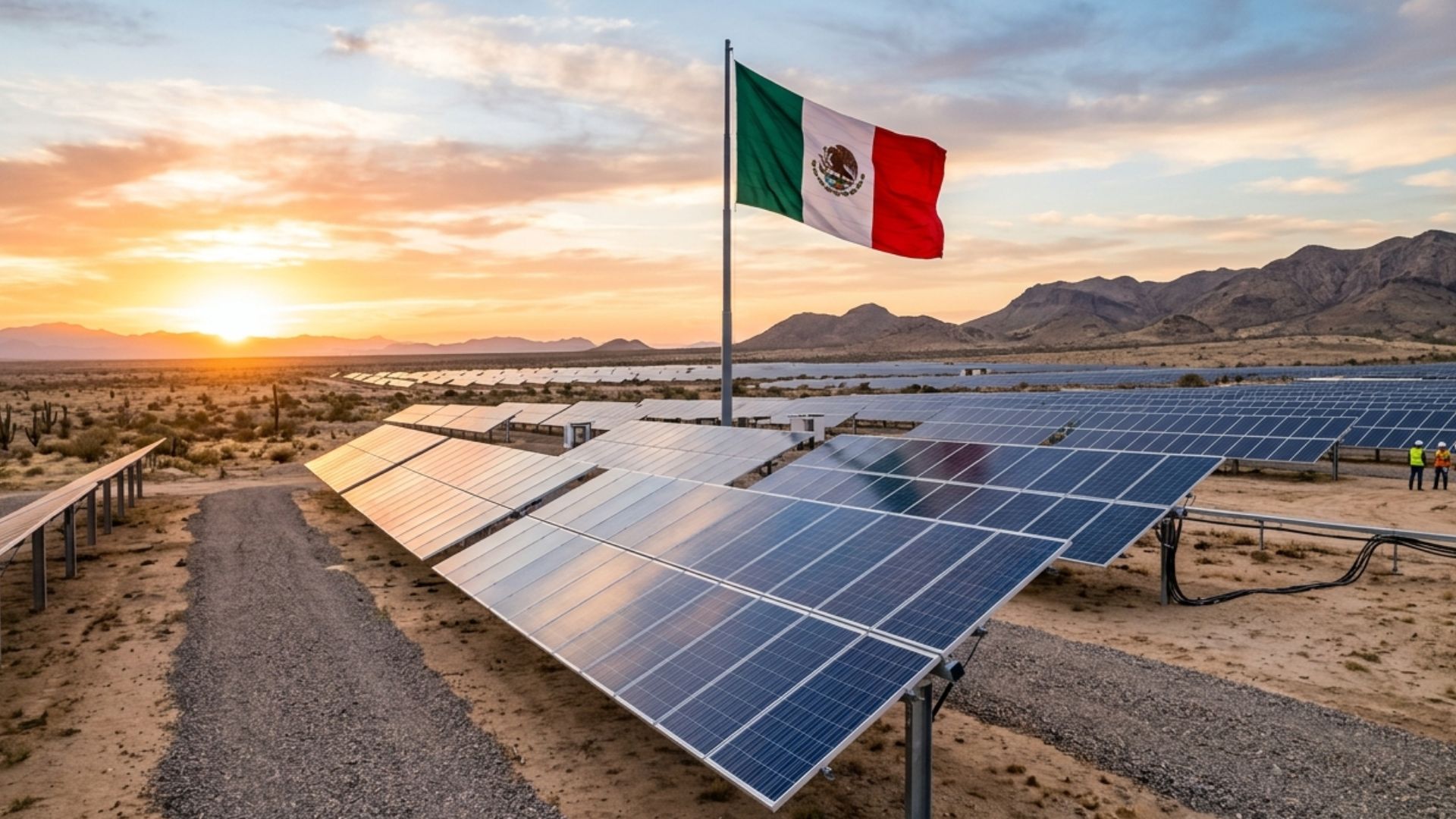
Mexico surprises the world by building the future largest solar plant in Latin America, advancing with planned expansion to over 1 GW, and boosting solar energy in the country.
-
Solar cells have just achieved the “impossible” with this 130% breakthrough.


In addition to urban residences, the rural sector and small businesses drive this statistic, transforming “solar gold” into a regional development tool that generates jobs and retains wealth in the interior of the state by 2026.
The explosion of distributed generation and solar energy supply in Piauí
The historic mark of 160 thousand connections of solar energy supply reveals a profound change in the behavior of Piauí consumers. A few years ago, photovoltaic technology was seen as a luxury item, restricted to large companies or high-end residences. Today, the scenario has completely changed.
Bank financing programs with low interest rates and the entry of dozens of installation companies into the local market have facilitated access for the middle class and even for low-income families organized into cooperatives.
Piauí has one of the highest “capacity factors” in the world. This means that a solar panel installed in Teresina or Picos produces much more energy than the same panel installed in Europe or southern Brazil.

This technical efficiency ensures a much faster return on investment (payback), attracting investors who see the sun as the best way to protect family budgets against energy inflation. The transition to solar energy ceases to be merely an ecological choice and becomes a strategy for financial survival.
Why did Piauí become Brazil’s solar hub?
Several factors explain the success of solar energy supply in Piauí. Firstly, the geographical location of the state, close to the Equator, ensures a constant incidence of sunlight for almost all months of the year.
Unlike other regions that suffer from long periods of cloudiness, Piauí offers the “fuel” for the panels continuously.
Additionally, the state government has implemented incentive policies that reduce the circulation of equipment and facilitate the licensing of mini-plants. This strategic vision has attracted manufacturers of inverters and mounting structures, creating a service hub in the Northeast.
Piauí not only consumes solar energy but also exports technical knowledge and skilled labor to neighboring states, consolidating a productive chain that moves millions of reais every month in the local economy.
Real impact on the electricity bills of Piauí families
The main attraction for the almost 160 thousand households that adopted solar energy supply is the immediate reduction in the monthly bill. In many cases, savings reach 95%, leaving the consumer with only the payment of the minimum availability fee for the grid and public lighting.
For a family that paid R$ 500 for electricity, this surplus represents a significant increase in purchasing power for food, health, and leisure.
This savings generates a multiplier effect in the local commerce. The money that previously left the state to pay large energy generators now circulates in grocery stores, pharmacies, and clothing stores in Piauí cities.
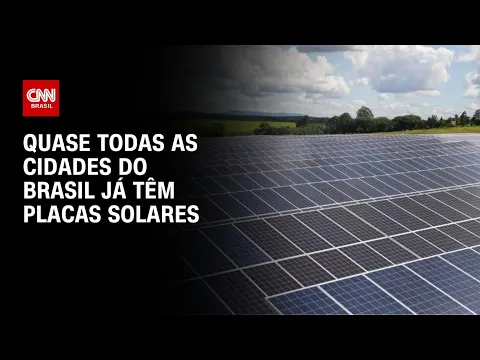

Solar supply thus functions as an indirect income transfer program, where the sun finances the improvement of the population’s quality of life. Cities like Floriano and Piripiri already register entire neighborhoods where the shine of solar panels on rooftops dominates the urban landscape.
The role of the rural sector and innovation in the field
The agribusiness and family farming also contribute strongly to the mark of solar energy supply in the state. In the interior of Piauí, solar energy powers irrigation systems that previously relied on expensive and polluting diesel generators.
With solar panels, rural producers reduce production costs and increase the competitiveness of their products. The sun that once scorched the crops now provides the energy to pump the water that saves the harvest.
The concept of “agrivoltaics” is beginning to gain ground in Piauí. Producers install solar panels on elevated structures, allowing the cultivation of vegetables or the raising of small animals in the shade of the panels.
This technique optimizes land use and creates a milder microclimate for plants, proving that solar technology integrates perfectly with Piauí’s agricultural vocation. The Piauí countryside modernizes through light, ensuring sustainability and profit for small producers.
Piauí also leads in large solar plants
Although the current highlight falls on the 160 thousand households, solar energy supply in Piauí also includes giants of the sector. The state is home to the São Gonçalo Solar Park, one of the largest in Latin America. While residential rooftops take care of domestic consumption, these mega-plants inject energy directly into the national grid, supplying industries and cities across Brazil.
This coexistence between distributed generation (on rooftops) and centralized generation (large plants) creates a robust energy infrastructure. Piauí has ceased to be a state dependent on energy from outside to become an exporter of clean electricity.
During peak solar hours, the state produces much more energy than it consumes, contributing to the stability of the National Interconnected System (SIN) and helping to avoid the use of polluting thermal plants in other states.
Infrastructure challenges and the modernization of the electrical grid
The explosive growth of solar energy supply brings challenges for the local energy distributor. The traditional electrical grid was not initially designed to receive energy from homes, but only to deliver it.
With thousands of households injecting surplus into the grid simultaneously, the utility needs to invest in modernizing transformers and protection systems to avoid overvoltages.
The digitalization of the grid (smart grids) emerges as the solution for the coming years. Smart meters allow the distributor and the consumer to monitor the flow of energy in real-time, thus optimizing the use of the system.

The regulatory challenge also remains on the agenda, with discussions about fair compensation for the use of the distribution “wire.” The balance between incentivizing solar consumers and maintaining collective infrastructure will dictate the pace of growth in the sector in the second half of the decade.
Energy storage: The next frontier for Piauí
For the 160 thousand households that already have solar energy supply, the next technological step involves storage batteries. Currently, consumers use the electrical grid as a virtual battery, injecting surplus during the day and withdrawing at night.
With the decreasing cost of lithium batteries, many Piauí residents are beginning to install hybrid systems. These systems ensure energy even during outages in the distributor’s grid, offering total energy independence.
The government of Piauí is studying incentives for the installation of battery banks in public buildings and hospitals. This technology ensures that essential services operate without interruptions, regardless of external failures.
The combination of abundant sunlight and efficient storage will transform Piauí into a model of energy resilience, attracting high-tech industries that require stable and uninterrupted energy for their production processes.
Job creation and workforce qualification
The solar sector has become one of the largest employers in Piauí in recent years. The installation and maintenance of systems for solar energy supply require electricians, engineers, designers, and sales teams. Institutions such as IFPI and SENAI have opened specific courses to meet the demand of local companies.
Young Piauí residents find in the renewable energy sector a promising career opportunity without having to leave their state.
It is estimated that for every megawatt of installed solar energy, dozens of direct and indirect jobs arise in the production chain. From the driver who transports the panels to the engineer who signs the project, the solar economy irrigates various sectors.
This qualification of the workforce increases the competitiveness of local workers, preparing Piauí for the challenges of the new global green economy, where sustainability is the main requirement for development.
The sun as the engine of Piauí’s future with solar energy supply
The mark of almost 160 thousand households with solar energy supply represents just the beginning of a larger revolution. Piauí proves that the energy transition is possible, profitable, and inclusive.
By transforming intense heat into cheap electricity, the state offers a lesson in resilience and intelligence for all of Brazil. The sun, which for generations was seen only as a climatic challenge, now shines as the region’s greatest economic asset.
The future of Piauí is undeniably solar. With continuous investments in technology, grid infrastructure, and transparent public policies, the state is moving towards the universalization of access to clean energy.
Each new roof with photovoltaic panels represents a family with more money in their pocket and a planet with less pollution. The “Capital of the Sun” and all of Piauí’s interior lead the march towards a sustainable Brazil, where daylight illuminates the path to economic and social progress.




Seja o primeiro a reagir!