





 Portuguese
  English
  Spanish
  4 min of reading
  1 comment


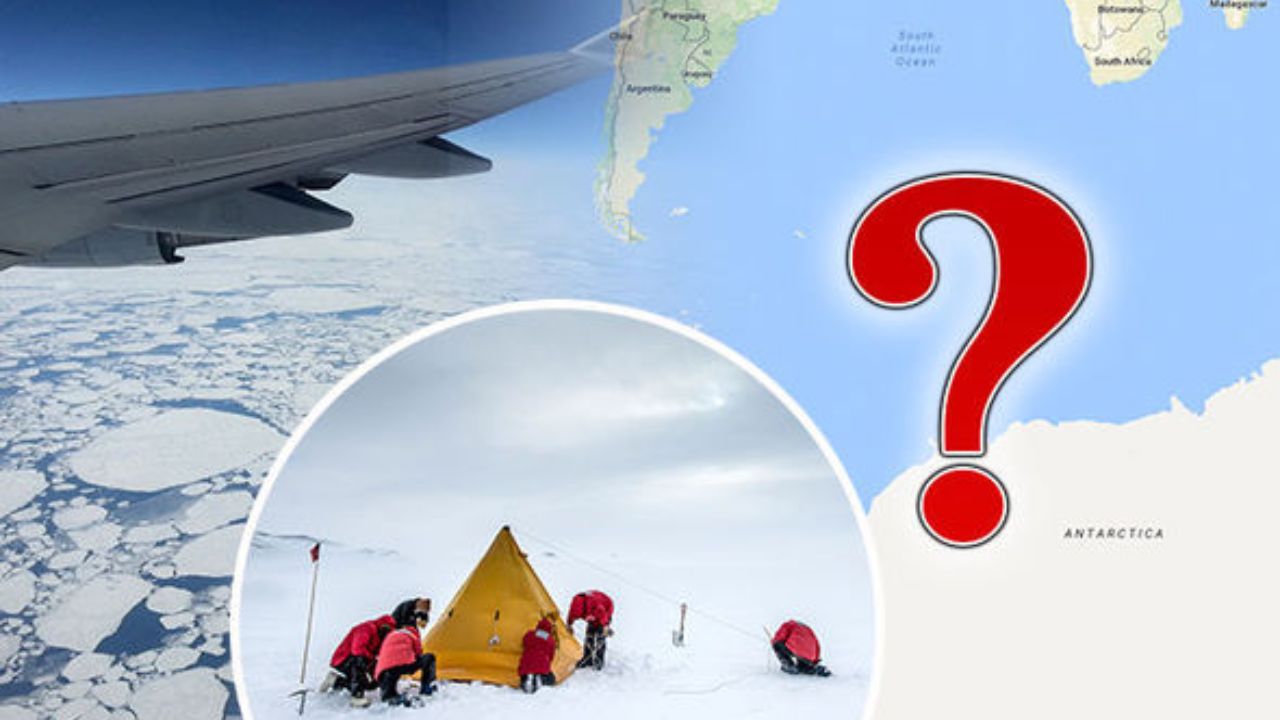


Even Though It Could Save Time, Commercial Airplanes Do Not Fly Over Antarctica – And A Pilot Explains Why! Radiation Risk, Lack of Airports, and Extreme Turbulence Make This Route Dangerous and Unviable.
Antarctica, this vast frozen continent at the southernmost part of the planet, covers over 14 million square kilometers. But despite all this expanse, practically no commercial airplane passes through there. Have you ever stopped to think why? After all, it would be a huge shortcut for some intercontinental flights, right? A pilot decided to explain the situation.
The answer comes from an experienced pilot who revealed the real reasons behind this decision. And no, it has nothing to do with any law prohibiting it – the issue goes much deeper.
The Atmosphere Over Antarctica Doesn’t Help at All
If you think the sky is the same everywhere on the planet, you’re mistaken. The Earth’s atmosphere does not have the same thickness in all places. And according to pilot Marita, due to the Earth’s rotation, the troposphere – the lowest layer of the atmosphere – is thicker at the equator and thinner at the poles.
-
Brazilian city bets on the business environment to generate jobs and attract investments in the energy sector — secretary reveals strategy at Macaé Energy 2026.

-
50 viaducts, 4 tunnels, 28 bridges, and 40 kilometers of bike paths: BR-262 in Espírito Santo will receive 8.6 billion reais for the largest engineering project in the state’s history, inspired by the Immigrant Highway in São Paulo.

-
Brazil produces too much clean energy and doesn’t know what to do with it: over 20% of solar and wind capacity was wasted in 2025 while investors flee and 509 renewable generation projects were abandoned in the last year.

-
Piauí will produce a new fuel that replaces diesel without needing to change anything in the truck’s engine and reduces pollutant gas emissions by half: truck drivers from all over the Northeast are already celebrating the news that will arrive later this decade.


This difference in the thickness of the atmosphere may not seem like a big deal, but it makes a huge difference when we talk about radiation. The troposphere acts as a natural shield against solar radiation, and the thinner it is, the less protection it offers.
Now, hold this: a pilot naturally receives more radiation over their career than a worker at a nuclear power plant. Yes, you read that correctly! In other words, frequently flying over Antarctica would only worsen this situation, and airlines do not want to expose their crew and passengers to this unnecessary risk.
If Something Goes Wrong, Forget It: There’s Nowhere to Land
If a plane has any emergency in mid-flight, it always has a nearby airport as an alternative for landing. Now, if that happens over Antarctica… well, that’s a whole different story.
Antarctica simply does not have the infrastructure to accommodate a commercial airplane. And it’s not just that: even if there were an improvised airport, the extreme cold would complicate any rescue or refueling efforts.
The fuel of commercial aircraft can become unstable in extreme temperatures. Yes, freezing the fuel and leaving a plane stranded is a real risk. Airplanes and ice are definitely not friends.
Another major issue is communication. When an airplane is over the ocean or over populated areas, it maintains contact with control towers, radars, and other navigation systems.
Now, over Antarctica? None of that. As pilot Marita explained, “it’s not just that there is no one there; it’s that nobody would know if something happened.” If a plane needed assistance, there wouldn’t even be a way to notify anyone.
The Weather Doesn’t Help Either – And Passengers Would Hate That
If there’s one place in the world where the weather doesn’t forgive, it’s Antarctica. According to the pilot, violent winds, absurdly low temperatures, and frequent snowstorms make this region a true nightmare for aviation.
Can you imagine taking a smooth flight, and suddenly entering an area of severe turbulence that seems never-ending? Well, that would be exactly the case over Antarctica.
The polar wind currents create constant instability, making the journey extremely uncomfortable for passengers. And you can be sure: no one wants to pay for an experience like that.
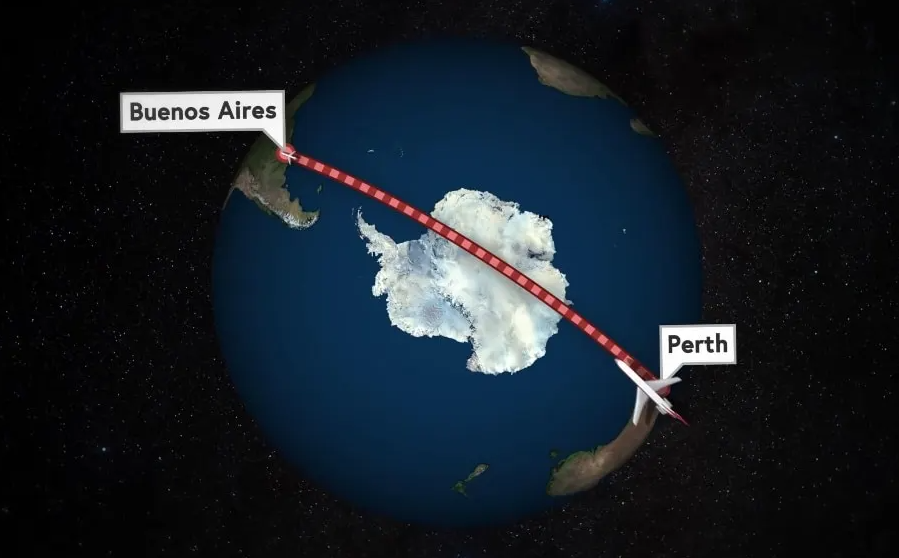
Even if a flight between Argentina and Australia were faster by passing over Antarctica, who would agree to tackle a route that shakes all the time?
It’s Not Illegal, but It’s Expensive and Not Beneficial, Says the Pilot
Now, if you’re wondering: “So is it prohibited to fly over there?” The answer is no! Nothing prevents a plane from flying over Antarctica. The problem is that it makes no sense for anyone.
Some private companies even offer tourist flights over Antarctica. But here’s the catch: the trip costs around 15,000 euros (approximately R$ 80,000). That’s right, just to take a quick spin and see everything white from above.
So, technically, it’s possible. But financially? For a commercial airline, it’s not worth it at all, according to the pilot.









Falta vontade do brasileiro pra melhorar