





 Portuguese
  English
  Spanish
  3 min of reading
  0 comments


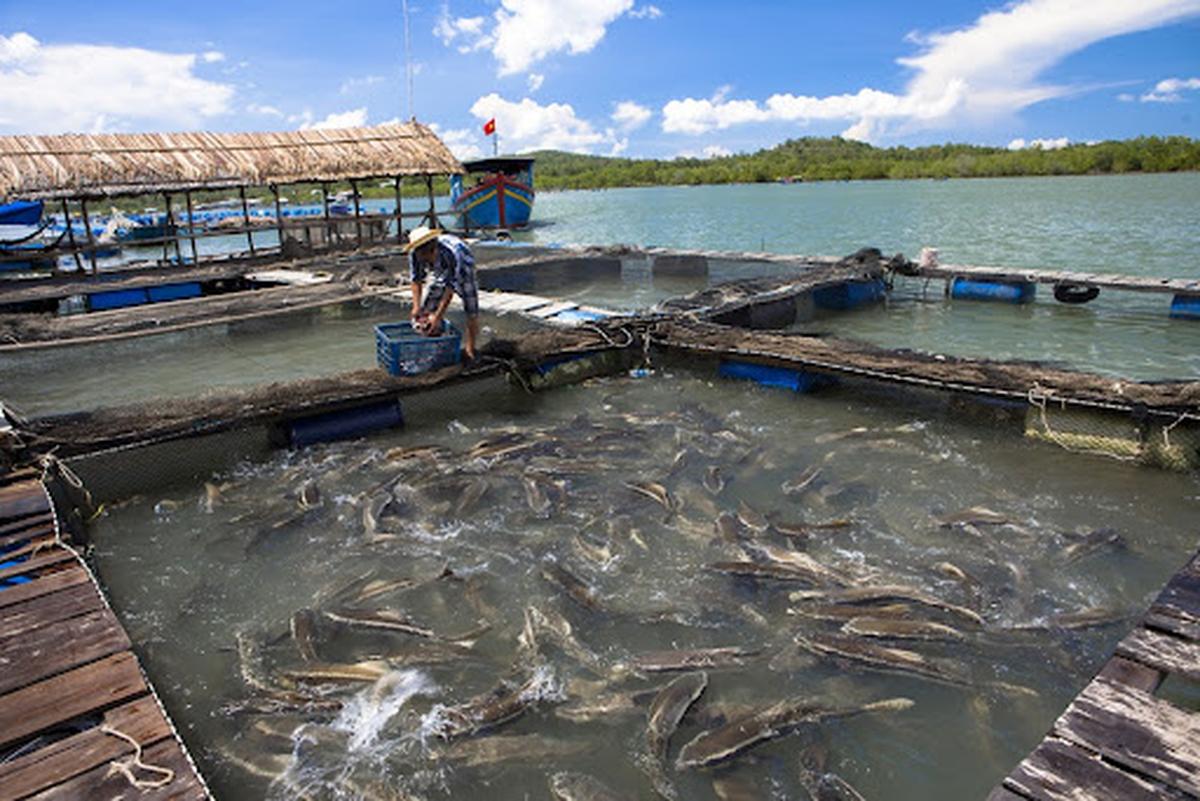
Aquaculture, An Expanding Branch Within Aquaculture, Moves Billions and Places Brazil Among the World’s Largest Fish Producers
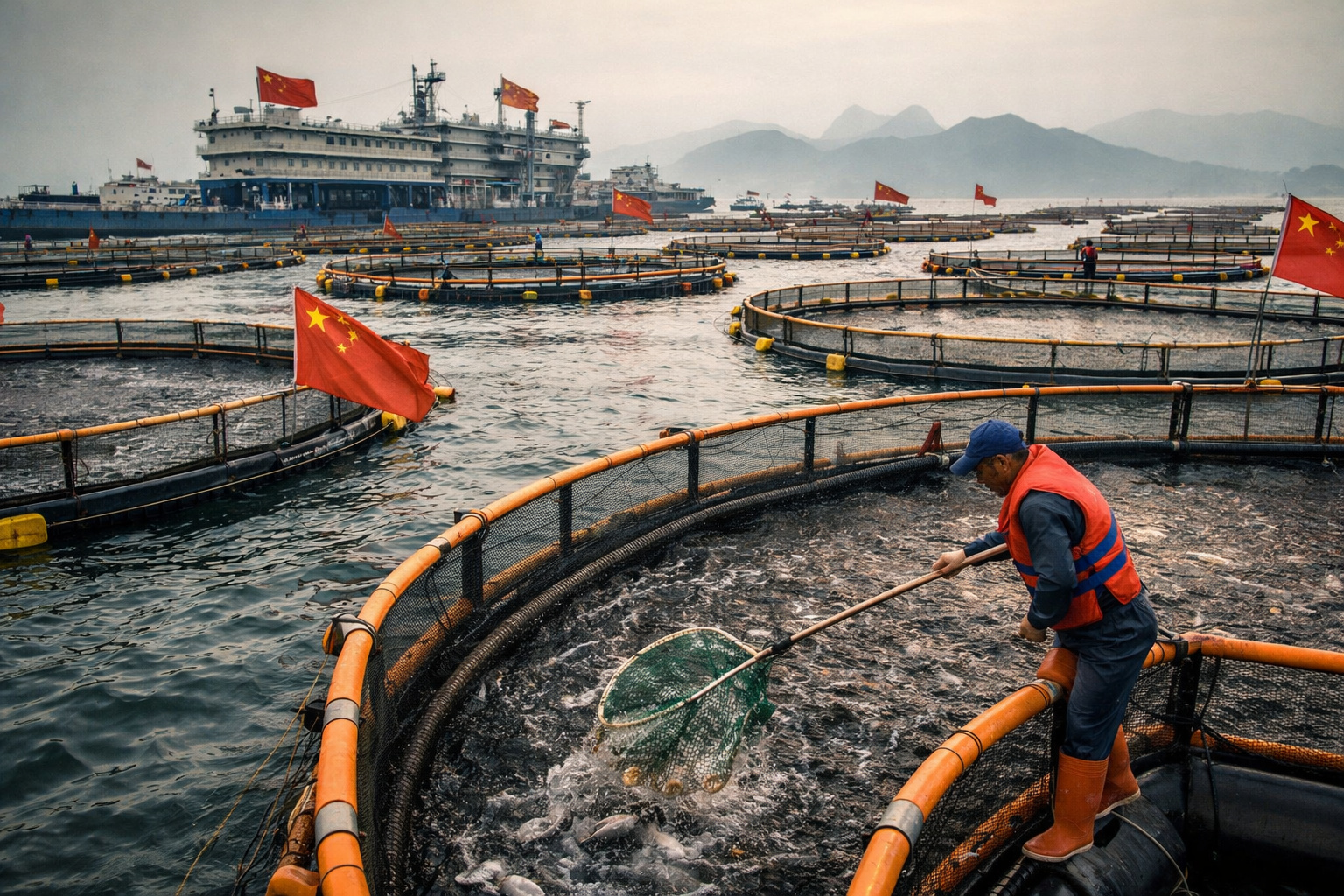
The Food and Agriculture Organization (FAO), a body of the United Nations, reported that half of the 160 million tons of marine food consumed globally comes from aqua culture. This sector is responsible for the cultivation of aquatic organisms such as fish, mollusks, crustaceans, algae, and amphibians.
This segment is the fastest growing in global animal production, driven by demand for sustainable and high-nutritional-value food.
What Is Aquaculture and How Does It Work
In this context, aquaculture stands out as the branch dedicated to the controlled breeding of fish in freshwater, brackish, or saltwater.
-
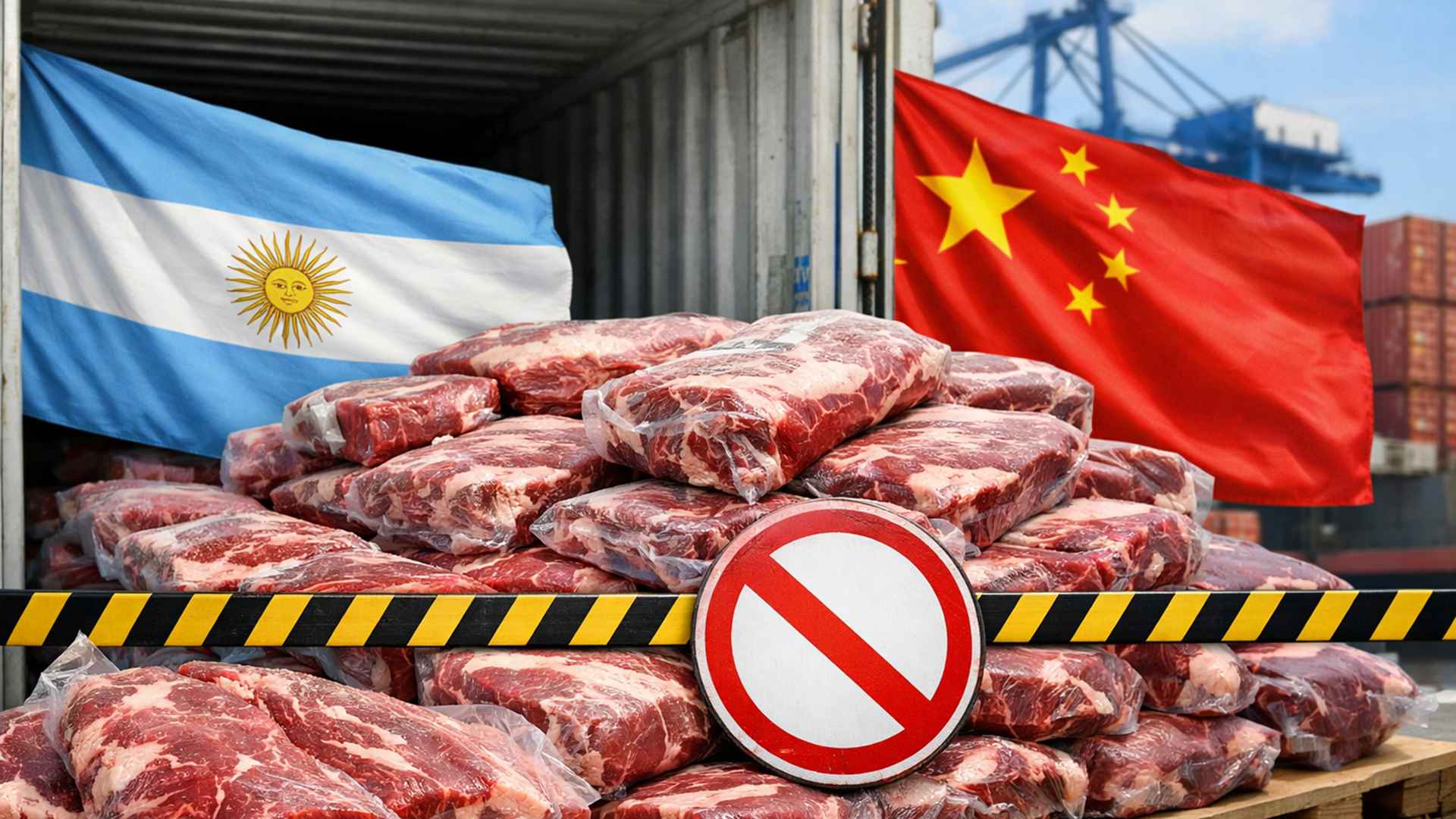
China banned the export of 22 tons of meat from Argentina.
-
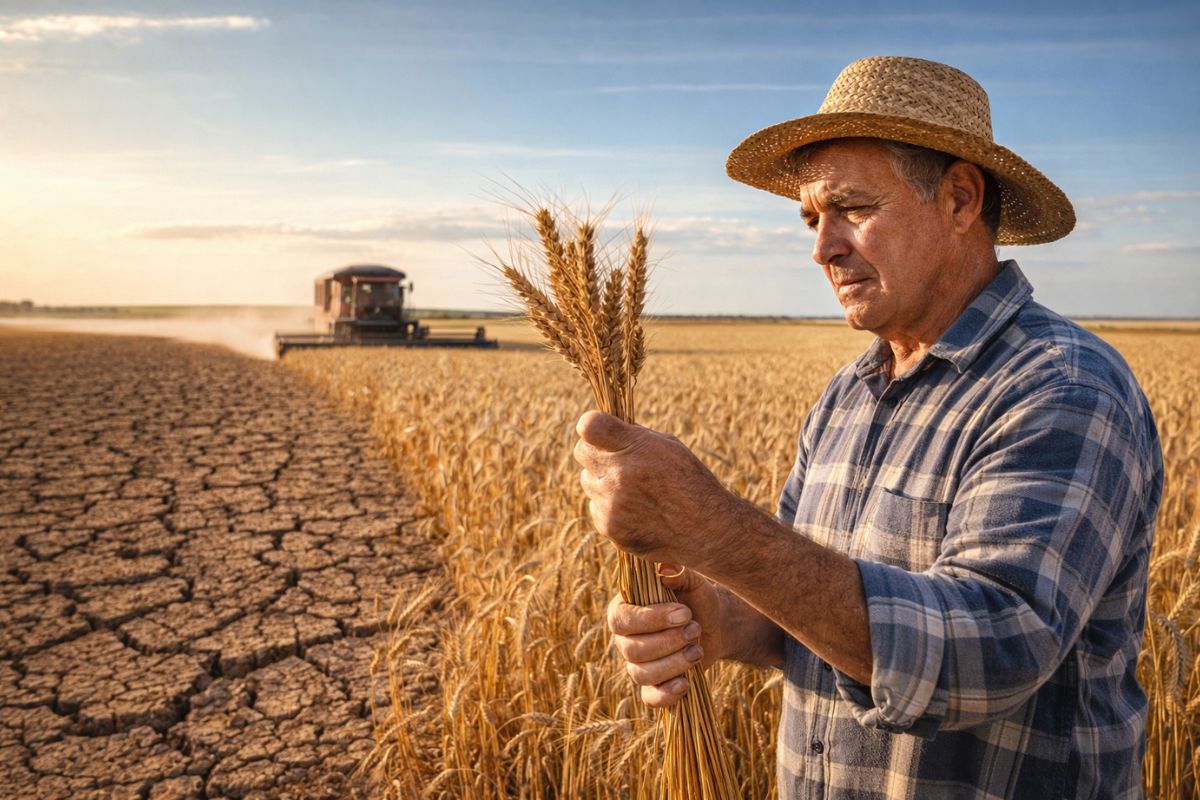
While Russia dominates the global wheat market, Brazil emerges as an unexpected competitor in the Cerrado, offering grain available in July and August when stocks in the Northern Hemisphere are at their lowest point of the year.

-
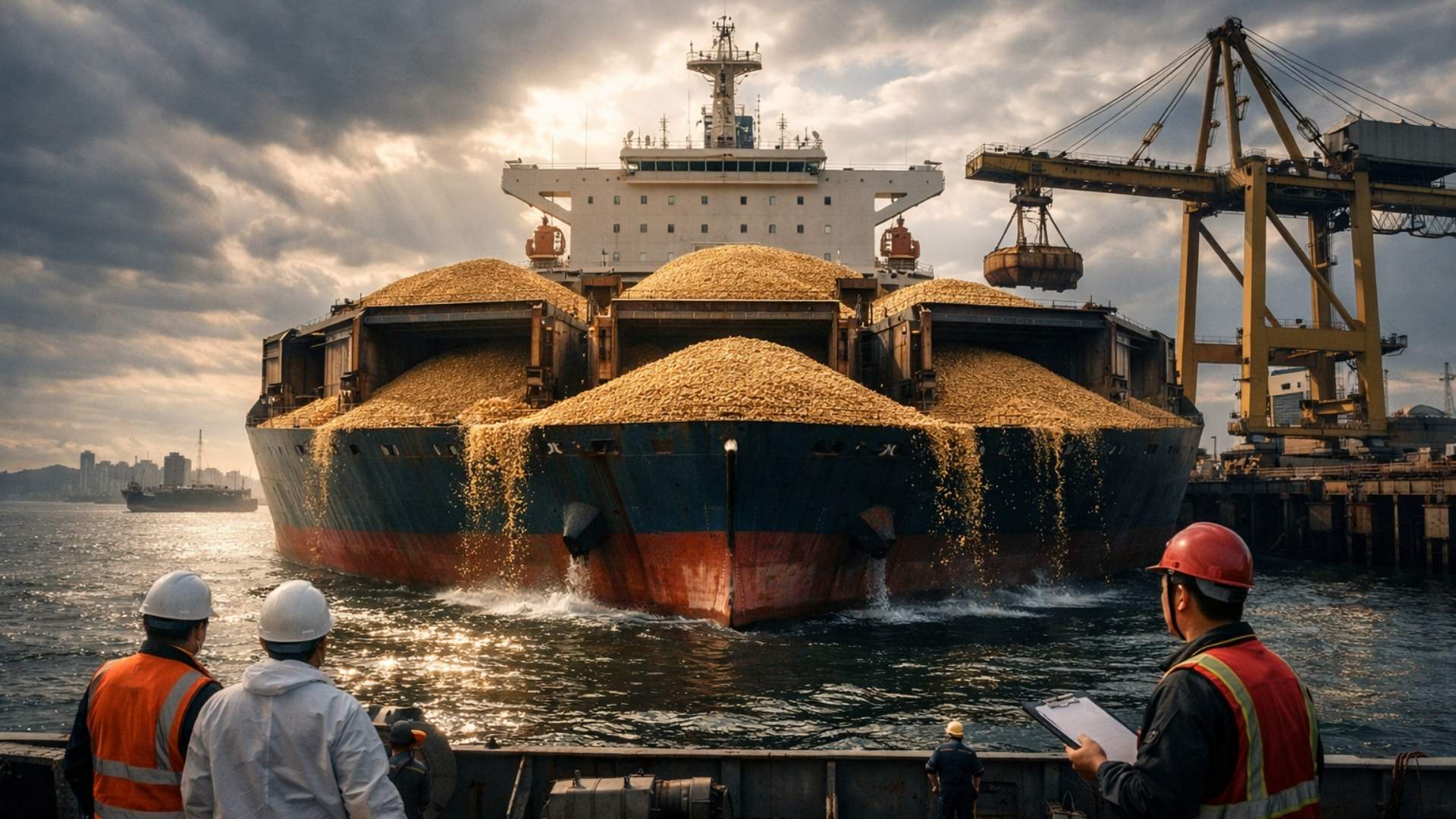
China returned almost 20 Brazilian ships with soybeans, but now everything could change: the country that buys 80% of the grain is considering relaxing regulations after impurities held up shipments of thousands of tons and caused million-dollar losses.
-
The drought of the cerrado was considered an enemy of wheat, but Brazilian scientists turned the lack of rain into a competitive advantage by creating a grain with quality that is already attracting the attention of international mills around the world.

It involves monitoring the life cycle of the fish from birth until the time of slaughter.
In Brazil, according to the Brazilian Association of Aquaculture (Peixe BR), production exceeded 840 thousand tons in 2021. This reveals the great profitable and sustainable potential of this activity.
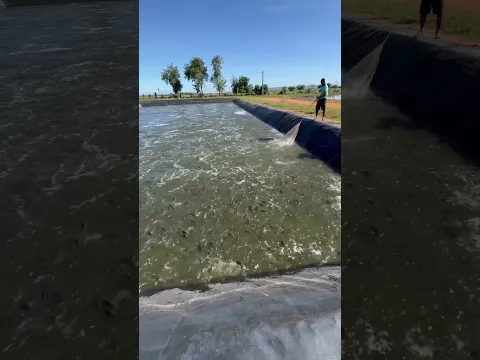

Where to Set Up an Aquaculture System
The versatility of aquaculture is one of its greatest advantages.
It can be implemented in sea pen systems, natural lakes, dams, ponds, or artificial tanks.
However, regardless of the chosen location, it is essential to maintain a strict and technical management.
Fish need to be sorted by age and species, as after six months, feeding significantly increases.
Additionally, it is necessary to isolate pairs and eggs until one month of age. This ensures healthy growth and population control.
Species Selection and Success Factors
The choice of species is one of the most important steps.
It is crucial to consider consumer preferences, local climate, tank size, growth, and fish resistance.
In Brazil, tilapia is the most farmed species, representing over 60% of national production.
It is approximately 500 thousand tons annually, according to Peixe BR in 2022.
This success is due to the characteristics of tilapia, which has fast growth, high resilience, and excellent cost-effectiveness.
Other popular species include carp, catfish, pacu, dorado, and minnows.
Catfish, for example, tolerate low oxygen levels well.
Nonetheless, water oxygenation is essential for the proper development of most species.
Equipment and Water Maintenance
Just like in home aquariums, the use of pumps for aquaculture is indispensable.
They maintain water circulation and oxygenation, in addition to facilitating filtration and cleaning of the environment.
This way, they make it possible to reuse water for a longer time, reducing consumption and operational costs.
A good example of efficient equipment is the Aquafortis 20000 Pump from Sarlo Pond.
It is recognized for its resistance to corrosion and oxidation.
With a flow rate of 19,000 liters per hour and water column of 5.6 meters, it operates continuously, quietly, and safely.
However, it is important to remember that the larger the reservoir, the higher the pump flow rate should be.
Therefore, models with large capacity are ideal for aquaculture.
They should not be used in home aquariums.
The Potential of Aquaculture in Brazil
Investing in aquaculture is undoubtedly a strategic opportunity in a country with a vast coastline and high fish consumption.
According to IBGE, fish consumption in Brazil exceeded 10 kg per capita.
However, success depends on technical planning, daily care, and the use of appropriate equipment.
Thus, aquaculture is not just about raising fish in tanks.
It represents the implementation of a sustainable, technically-oriented, and highly profitable production system.
Could your next investment be in the waters of Brazilian aquaculture?





-

-

-

-

-

19 pessoas reagiram a isso.