





 Portuguese
  English
  Spanish
  4 min of reading
  1 comment





The New Regulation for Drivers, Proposed in PL 152/2025, Promises to Provide Legal Security to Platforms and Raise Funds for the INSS, but Leaves the Fair Value of Rides Open.
The PL 152/2025 is the most recent attempt by the National Congress to establish a new regulation for drivers and app delivery workers in Brazil. The text, presented by Congressman Luís Gastão (PSD-CE), aims to balance the interests of the government, platforms like Uber, 99, and iFood, and workers. However, according to an analysis by the Falando de App channel, the proposal may secure more for the State and companies than for the drivers.
This is because, despite providing for contributions to the INSS and operating rules for the platforms, the project does not define parameters for minimum compensation per ride, a central criticism point from workers.
In practice, the driver seeks without a guarantee of fair income, remaining dependent on the companies’ algorithms.
-
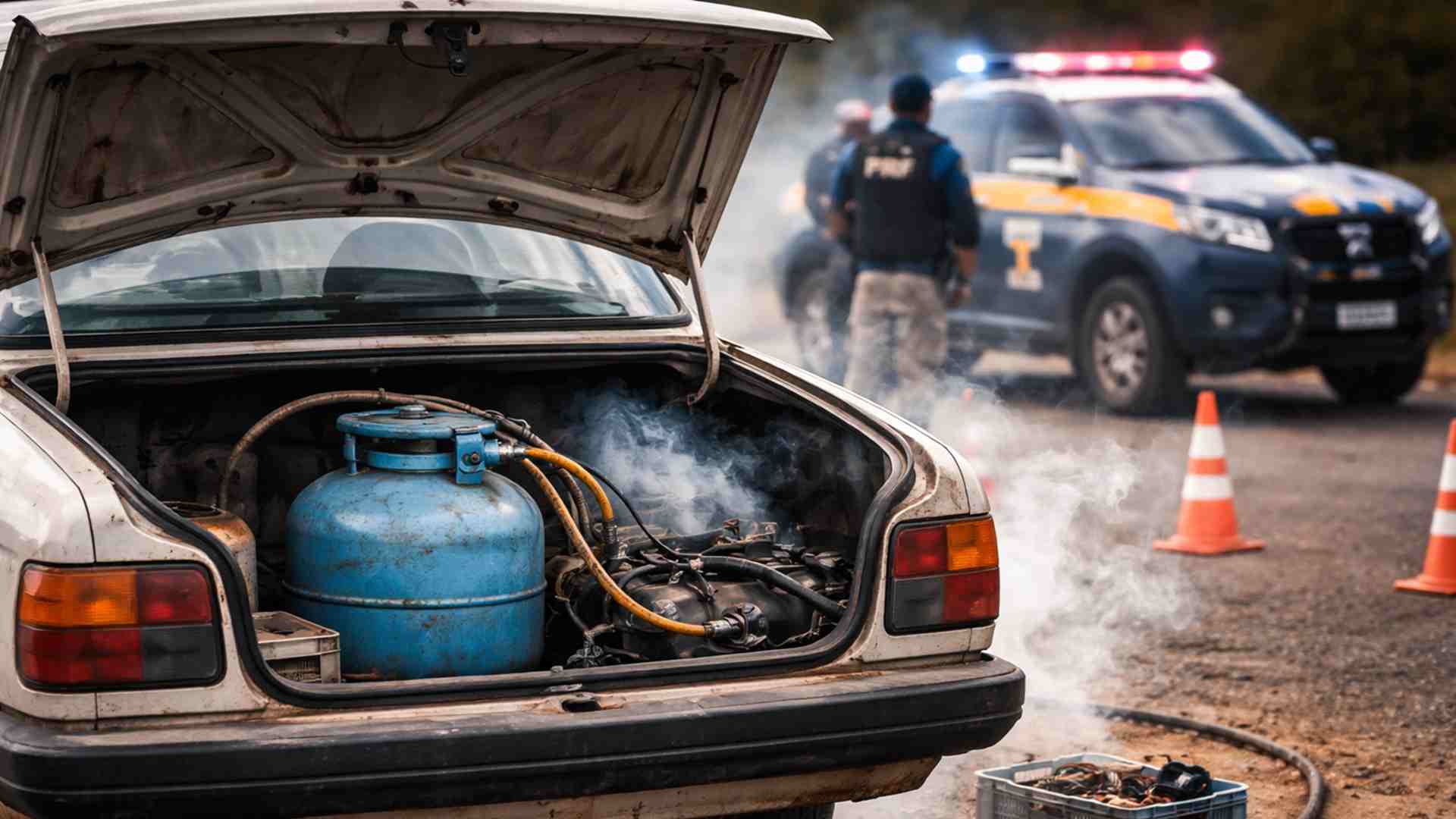
Chevette with cooking gas: How the gas cylinder ends up being used in cars clandestinely and why this makeshift solution can result in leaks, explosions, damaged engines, and seized vehicles.
-
Fiat launches the new 2027 Toro hybrid with 48V, 176 hp, an electric motor of 15.5 hp, a 0.85 kWh battery, up to 7% fuel savings, 8% fewer emissions, and possible exemption from IPVA.

-
Used automatic cars from Hyundai that are reliable, offer comfort, good performance, and cost between R$ 45,000 and R$ 75,000.

-
Electric car surprises on the Transamazon Highway as it tackles a mud pit; Saveiro and Hilux get stuck and need to be pulled out, while a milk truck crosses alongside with ease and draws attention.


What PL 152/2025 Provides
The text of just nine pages creates the figure of the “platformized autonomous worker”, an intermediary category: the driver is not subordinated to the companies, but also has no employment bond.
This legal definition is seen by experts as vague, as it does not clarify the limits between autonomy and subordination, which could lead to legal disputes in the future.
Among the main rights provided are the prohibition of unauthorized discounts by law, full receipt of tips, freedom to refuse rides, and access to social security.
In practice, however, many of these points are already part of everyday life and do not represent significant advances.
INSS and Fundraising in Focus
One of the central points of the project is the impact on social security. The government estimates that 1.7 million drivers and delivery workers will begin to contribute, expanding the revenue base.
The PL establishes that 25% of income be used as the calculation basis for the INSS, while the other 75% would be treated as compensation for vehicle operating costs.
Despite this, the text maintains the contribution charge even on the tips received, without offering additional countermeasures for social protection.
For experts, the measure strengthens the social security budget, but does not solve the financial insecurity of the worker.
Platforms Gain More Clarity
For companies like Uber and 99, the new regulation for drivers brings clear advantages. The PL allows them to charge up to 30% average monthly fee on the value of rides, but without imposing a fixed limit per trip.
In practice, this means that, in some cases, platforms may retain more than 50% of the value of a ride, as long as the overall average respects the ceiling.
The project also shifts the risk of defaults to the companies: if the passenger does not pay, the platform must guarantee the transfer to the driver.
Additionally, they are responsible for fake accounts, a measure that increases control but does not change the unfavorable economic relationship for those who drive.
What Changes for Passengers and Drivers
On the passengers’ side, the PL guarantees access to complete information about the driver, such as name, photo, rating, vehicle, and number of rides completed. For drivers, however, there is no corresponding security measure, such as stricter verification requirements for passengers.
This imbalance in obligations is one of the points criticized by workers.
Another controversial aspect is the absence of clear rules to define the minimum ride value.
While taxi drivers follow rates regulated by municipalities, app drivers remain subject to the platforms’ algorithms, which can offer rides below cost.
Risks and Gaps in the Project
The consequences of passing PL 152/2025 include higher revenue for the INSS and legal security for platforms, which begin to operate under defined rules without an employment bond. However, for drivers, doubts about income, costs, and real social protection remain.
Among the risks are the continuation of labor precarization, mass litigation of cases relating to account blockages, and the lack of remuneration criteria that cover real expenses, such as fuel, maintenance, and waiting time.
Critics also point to the absence of tax incentives to reduce costs, such as discounts on used vehicles for work.
The PL 152/2025 represents an important but incomplete milestone.
While it guarantees clear rules for platforms and more revenue for the government, it leaves drivers without a parameter for fair compensation, perpetuating the financial instability of the category.
The political dispute now will be to decide whether Congress will prioritize only fiscal balance or if it will give voice to workers’ demands.
And you? Do you believe that this new regulation for drivers will really improve working conditions or will it only benefit the government and companies?
Leave your opinion in the comments; we want to hear from those who live this in practice.







O Sistema nunca se preocupa em proteger o trabalhador e, por isso, o Brasil vai mal!