





 English
  Francês
  Alemão
  Italiano
  Japonês
  Norueguês
  Portuguese
  Spanish
  3 min of reading


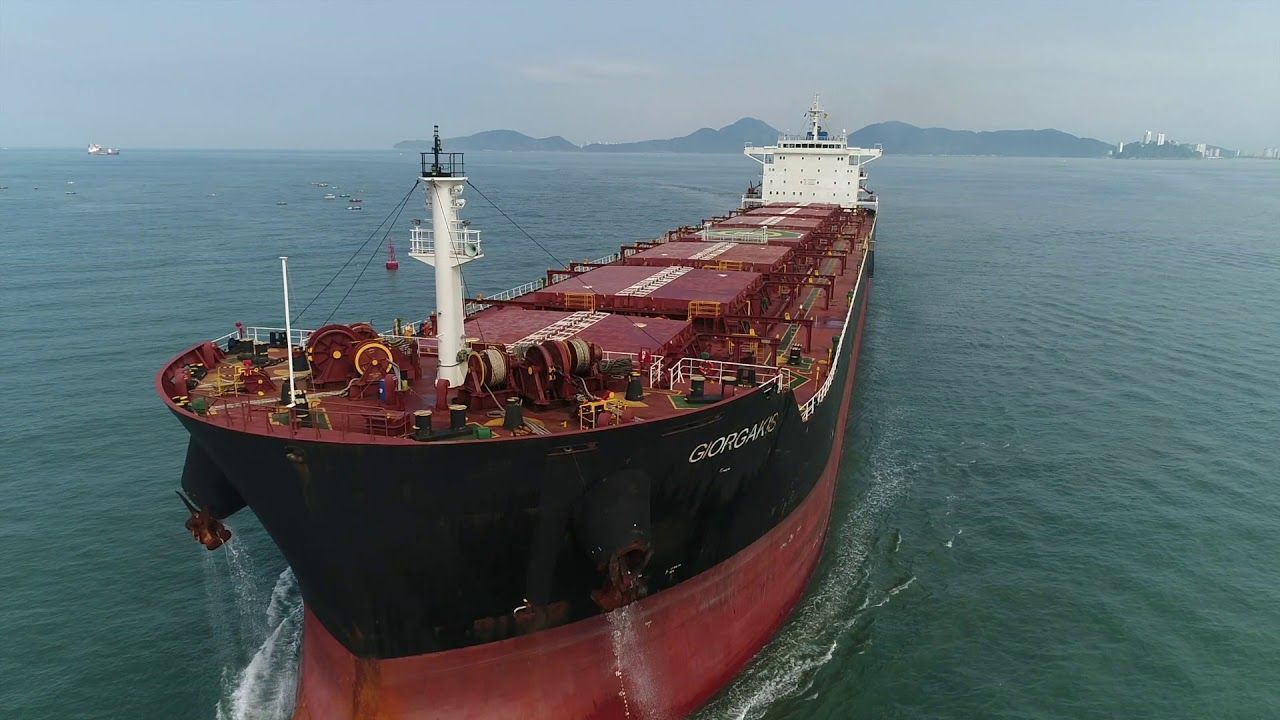
The Bill No. 4,199, which “institutes the Program for Cabotage Transport Stimulus – BR do Mar,” was submitted to the National Congress on August 11 and is being processed under an urgency regime. Thus, the Chamber will have 45 days to vote on the matter, and the Senate an additional 45 days to review it, under penalty of locking the deliberation agenda.
Although it represents advancements in the regulation of cabotage in Brazil, there are critical points, especially for bulk transportation. Camila Affonso, a partner at Leggio Consulting, specialized in Infrastructure and O&G, highlights two topics in particular: (i) the conditions offered by the program are not valid for the entire market, only for those companies that manage to be qualified in the program; (ii) some requirements for qualification are subjective, and others are more common in the container cabotage operation.
“Ideally, the conditions offered by the Bill should be accessible to all companies operating in the cabotage sector and should not require conditions that can be challenging for those specialized in logistical types such as liquid and solid bulks, as well as general cargo,” explains Camila Affonso.
-
New shoe factory in Ceará is expected to create 400 jobs and strengthen the local economy.

-
No one imagined it, but a mixture of sawdust with a mineral that fights fires surprises scientists with a result that changes the course of fire-resistant construction.

-
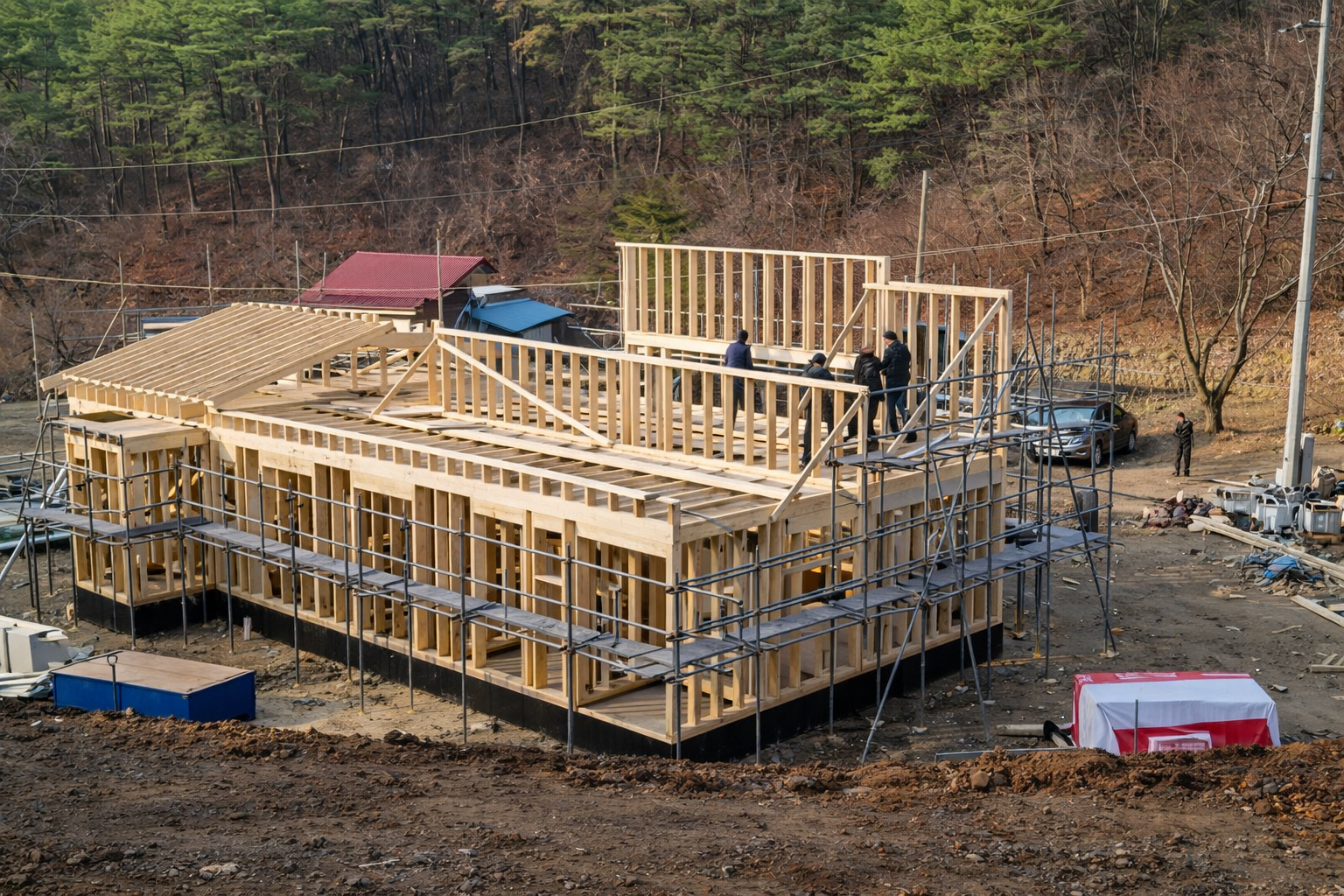
From empty land to a high-end house, wooden construction uses a lightweight system, metal structure for the foundation, ventilated ceramic cladding, and special windows to create an efficient and comfortable living space throughout the year.
-
From vacant land to a high-end house, wooden construction uses a lightweight system, a metal structure for support, ventilated ceramic cladding, and special windows to create an efficient and comfortable living space throughout the year.

Among the subjective requirements for qualification in BR do Mar, the Brazilian Navigation Company (EBN) must attest to an improvement in quality and efficiency for the user, for example, an item considered highly subjective. Moreover, it is necessary to provide regular lines and services in the customer value chain, characteristics that are not common in bulk operations.
Bulk Carriers Deserve Special Attention
Bulk Cargo— especially liquid ones, such as fuels and chemicals — represent a large part of cabotage volume in Brazil. If this segment cannot benefit from the advancements that BR do Mar brings, the problem of low competitiveness of the mode against others may intensify. This fact is aggravated by the expected changes in the national refining market, which will affect the dynamics of fuel transportation among supply chains — currently concentrated in Transpetro.
“BR do Mar was right to relax the regulation for chartering vessels on bareboat charter, and also to change the criteria that defines an EBN. The release for EBNs to charter bareboat vessels will be gradual until 2023, when it will become unrestricted. Thus, the bill addresses the issue of competition as it allows new players to enter the market in the medium term, in addition to expanding the supply of services by smaller players. However, this process could be a bit more accelerated. Additionally, BR do Mar proposes the creation of a new entity in the market, the Brazilian Investment Company in Navigation, which may own vessels but without transportation contracts. The time charter has also been relaxed, providing more speed and liquidity to the fleet expansion, although this measure does not directly increase competition in the sector,” says Camila Affonso.
Another point of attention is that the Bill safeguards some important items of BR do Mar to be regulated by Executive Action and determinations of the Regulatory Agency, to be published later. This is undesirable, as the complete conditions of the Program remain unclear for companies in the Cabotage sector in Brazil, and also for those wishing to enter it.
“This transparency is essential so that the companies already operating in the Brazilian market or wanting to enter here can align expectations and make medium- and long-term decisions,” adds Camila Affonso.
Suggestion for Agenda Via Leggio Consulting









Seja o primeiro a reagir!