





 Portuguese
  English
  Spanish
  3 min of reading
  0 comments


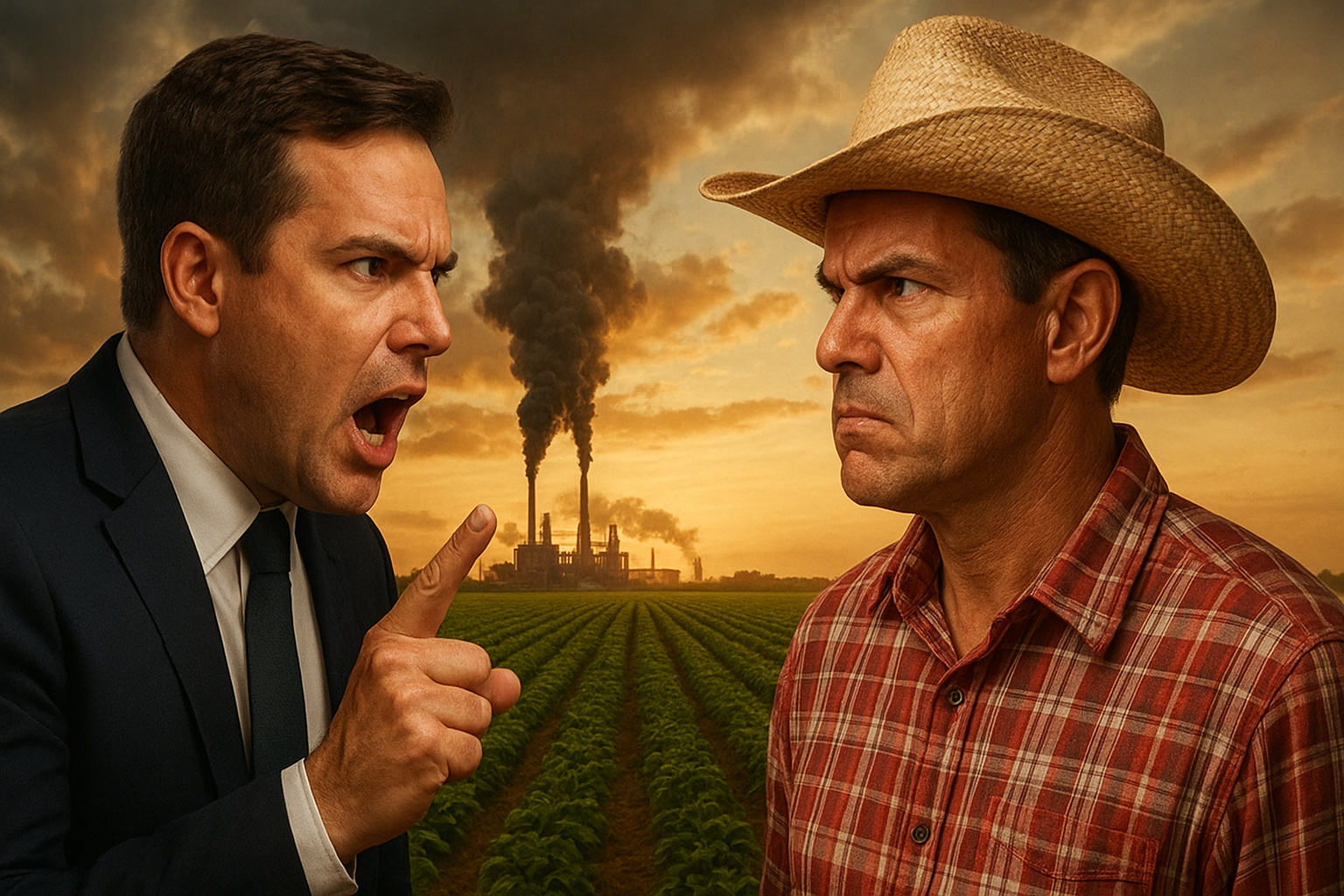
Climate Plan Divides Government and Agriculture Before COP 30 in Belém. Deadlock May Affect Brazilian Production and Export.
Climate Plan Divides Government and Agriculture on the Eve of COP 30
The Climate Plan, which will be the central theme of COP 30 in Belém, has put the government and agriculture on a collision course.
Less than a month before the conference, representatives from the rural sector are contesting points in the document that attribute a large part of the responsibility for greenhouse gas emissions to agriculture.
According to the text, the main Brazilian emissions come from deforestation and then from livestock, mainly due to the digestive process of cattle.
-
The water that almost everyone throws away after cooking potatoes carries nutrients released during the preparation and can be reused to help in the development of plants when used correctly at the base of gardens and pots, at no additional cost and without changing the routine.

-
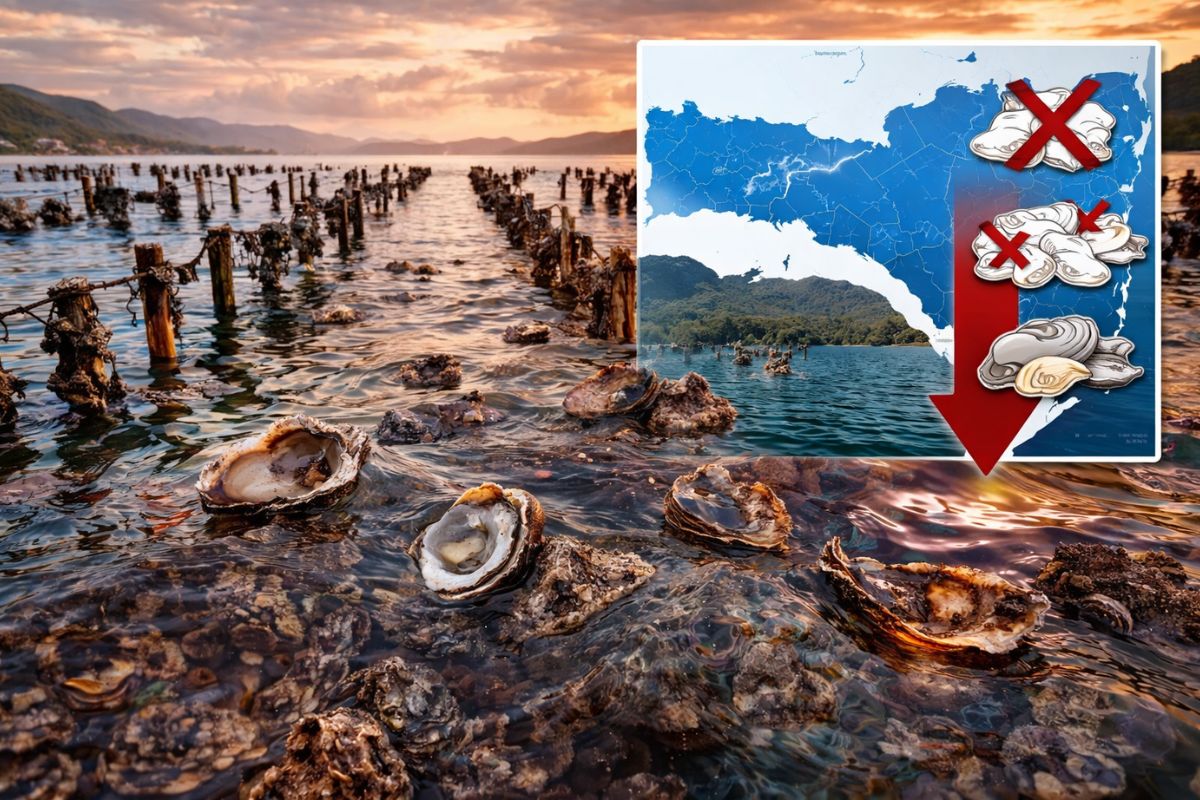
The sea water temperature rose from 28 to 34 degrees in Santa Catarina and killed up to 90% of the oysters: producers who planted over 1 million seeds lost practically everything and say that if it happens again, production is doomed to end.
-
An Indian tree that grows in the Brazilian Northeast produces an oil capable of acting against more than 200 species of pests and interrupting the insect cycle, gaining ground as a natural alternative in soybean, cotton, and vegetable crops.

-
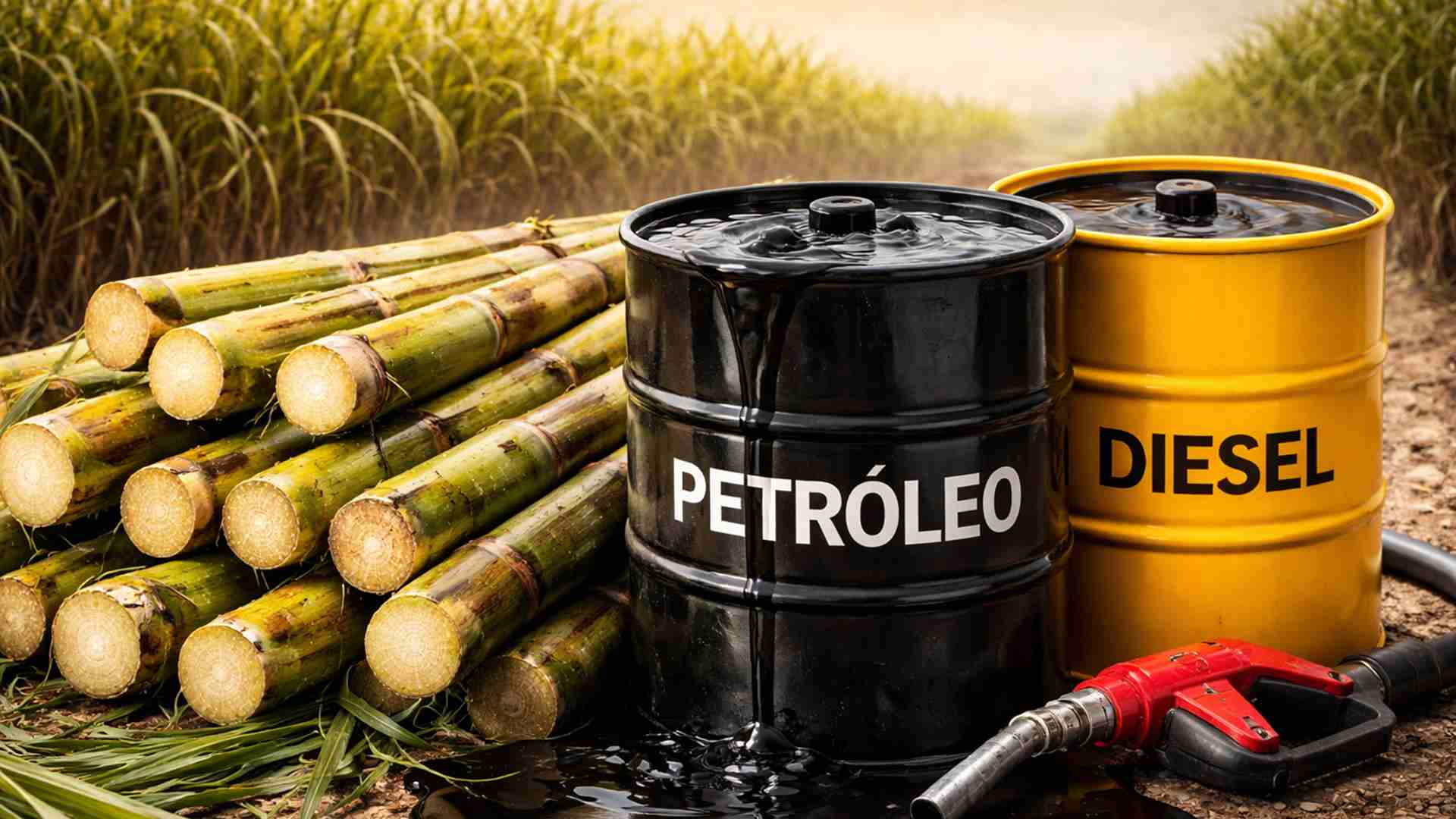
The rise in oil prices in the Middle East is already affecting Brazilian sugar: mills in the Central-South are seeing their margins shrink just as ethanol gains strength.

However, rural leaders argue that the sector cannot be treated as a villain, given that the country is the world leader in food production and export.
Why Agriculture Contests the Climate Plan
The deadlock arises because the Climate Plan directly holds livestock farming accountable for issues such as illegal deforestation, wildfires, and land invasions.
For historical figures in the sector, such as former Agriculture Minister Roberto Rodrigues, this approach disregards agriculture’s advances in sustainability and jeopardizes Brazil’s international image.
Rodrigues, creator of the Safra Plan in Lula’s first government, had already left the ministry in 2006 after disagreements with then Environment Minister Marina Silva.
Now, almost 20 years later, the two meet again on opposing sides. Marina is considered the “mother of the Climate Plan” and advocates for stricter enforcement on the sector, while Rodrigues pushes for changes in the text.
COP 30: Stage of the Dispute Between Agriculture and Government
COP 30, which will take place in Belém, will be the space where this confrontation could gain international proportions.
Agriculture wants to show that Brazil is “the largest producer and exporter of food in the world” and does not accept carrying the blame for emissions alone.
According to Rodrigues, if the government does not change the Climate Plan, it will have to find someone to represent agriculture within the conference.
Otherwise, he says, Brazil risks “handing over on a platter everything that Europeans and Americans want to block our agriculture.”
Impacts on Brazilian Production and Export
Experts warn that if there is no consensus, the dispute may directly affect Brazilian production and export.
This is because buying countries, especially in the European Union, have been tightening their environmental regulations and may use the Climate Plan as a justification to impose barriers on agriculture.
Thus, Brazil risks losing ground in international markets precisely at a time when global demand for food is rising.
At the same time, the sector fears that poorly calibrated measures may discourage investments and hinder production expansion.
Paths to an Agreement on the Climate Plan
Despite the tense atmosphere, there is room for negotiation. The government seeks to balance environmental commitments with the economic importance of agriculture.
The challenge is to find a point of convergence that allows Brazil to present concrete results at COP 30 without compromising its position as an agricultural powerhouse.
Therefore, intermediaries believe that last-minute adjustments to the Climate Plan could be the solution to avoid greater wear and tear.
For agriculture, recognizing its advancements in sustainable technologies and increasing productivity without expanding deforestation would be an essential step.
What to Expect from COP 30
The conference in Belém promises to be a turning point for Brazil. On one side, the government wants to show climate leadership. On the other, agriculture demands that its relevance in global production and export be respected.
At the center of this dispute is the Climate Plan, which could become a political banner or a point of reconciliation.
The answer will only come when COP 30 opens its doors and the world turns its eyes to Brazil’s role in balancing environmental preservation and productive strength.









Seja o primeiro a reagir!