





 Portuguese
  English
  Spanish
 3 min of reading
  0 comments


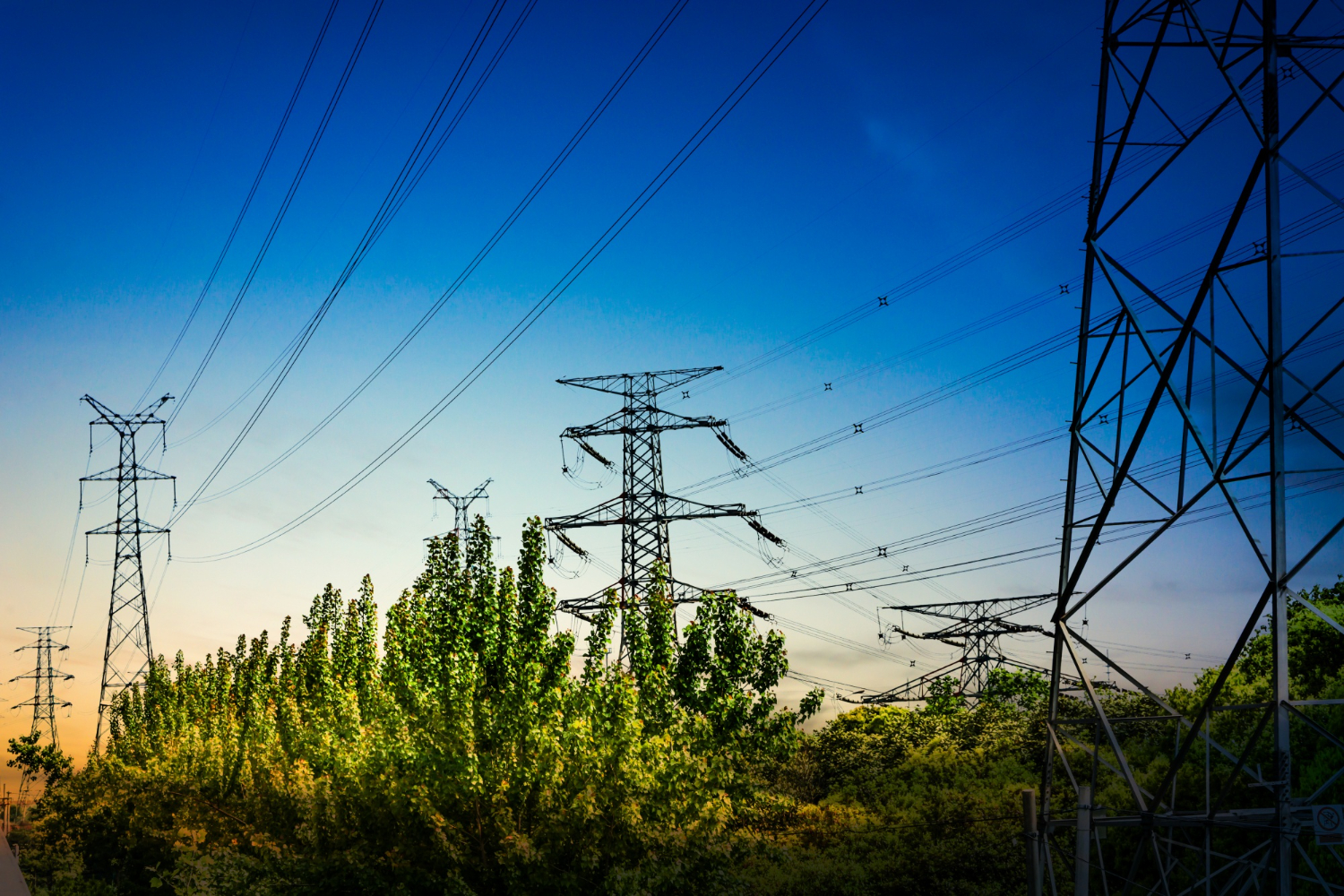
The Ministry of Mines and Energy (MME) Approved the Electric Energy Transmission Outorga Plan 2025, Which Defines Works, Lines and Strategic Substations in Various Regions of Brazil
The Electric Energy Transmission 2025 is key to ensuring that Brazil advances in energy security and keeps pace with consumption growth, according to a report published.
The Ministry of Mines and Energy (MME) published the Transmission Outorga Plan, establishing structural works in lines, substations, and system reinforcements.
With a six-year horizon, the document guides the National Electric Energy Agency (Aneel) on authorizations and auctions that will define new investments.
-
Embrapa’s discovery reveals an unexpected advancement by allowing the production of seedlings from the caatinga using brackish water, opening a new frontier for farmers to face drought more efficiently.

-
6 sources of free fertilizer that you are throwing away every day and can transform your garden without spending anything.

-
With a water crisis on the radar, Sabesp invests in reclaimed water for data centers and transforms sewage treatment into a solution that saves millions of liters and protects public supply.

-
Brazilians paid R$ 18 billion more for energy from the Itaipu plant, reflecting a direct impact on tariffs and generating discussions about costs, transparency, and balance in the national electricity sector.


The Energy Research Company (EPE) and the National Electric System Operator (ONS) played an essential role in the technical studies.
Highlights include solutions for Acre, Rondônia, Mato Grosso do Sul, Goiás, São Paulo, Minas Gerais, Paraná, Santa Catarina, and Rio Grande do Sul.
The plan expands the connection margin for renewable sources, anticipates the construction of over a thousand kilometers of lines, and reinforces resilience against climate change.
Investments in Energy Infrastructure
The Electric Energy Transmission Outorga Plan 2025 brings robust investments in energy infrastructure.
In Mato Grosso do Sul alone, two new 500 kV yards are planned at the Rio Brilhante and Chapadão substations, totaling 3,600 MVA in transformation capacity.
Additionally, 860 km of 500 kV transmission lines will be constructed, reinforcing the basic network of the region.
In Goiás, the new Matrinchã 2 substation, at 230/138 kV, accompanied by 291 km of transmission lines, will ensure quality energy for Barro Alto, Matrinchã, and Firminópolis.
This set of works demonstrates how planning strengthens the flow of electric generation and prepares the country for constant growth in consumption.
Connection with Renewable Generation
The anticipated expansion in Electric Energy Transmission 2025 increases the integration of renewable generation sources into the National Interconnected System (SIN).
In Mato Grosso do Sul, studies indicate that the new 500 kV yards and lines are essential to receive solar and wind energy projects under development.
In the Southeast region, the construction of the Santos Dumont 2 – Leopoldina 2 line at 500 kV will reduce overloads and open space for new connections.
In the state of São Paulo, the highlight is the Santana 500/345 kV substation, necessary to support market growth and meet strategic demands, such as large data centers.
This advancement strengthens the integration of clean and diversified energies, making the system more modern and prepared.
Transmission Lines and System Modernization
The set of works in the Electric Energy Transmission 2025 plan includes thousands of kilometers of lines that modernize the existing grid.
In the southern part of the country, EPE’s technical reports foresee reinforcements at 525 kV and 230 kV, with highlights for the SE Iguaçu 525/230 kV in Paraná and the SE Boa Vista do Buricá 2 in Rio Grande do Sul.
In Minas Gerais, the Belo Horizonte area will receive new transmission corridors to eliminate overloads and ensure the stability of the 345 kV network.
These structural investments consolidate a more robust network capable of meeting the growing population and industrial demand, as well as expanding the limits of energy import and export between strategic states.
Economic Growth and Regional Development
The impacts of the Electric Energy Transmission 2025 plan go beyond the electric sector, stimulating economic growth and regional development.
In Acre and Rondônia, the expansion will nearly double the limits of energy import and export, increasing resilience against climate events.
These improvements strengthen supply for residential and industrial consumers, as well as attract new ventures.
In the Midwest, network modernization creates conditions for agro-industrial expansion. In the Southeast, it ensures the continuity of high-demand economic activity, such as data centers.
And in the South, it increases reliability for industries and services. The planning published by the MME guides Aneel in executing the works through auctions and authorizations.








Seja o primeiro a reagir!