





 Portuguese
  English
  Spanish
  3 min of reading
  1 comment


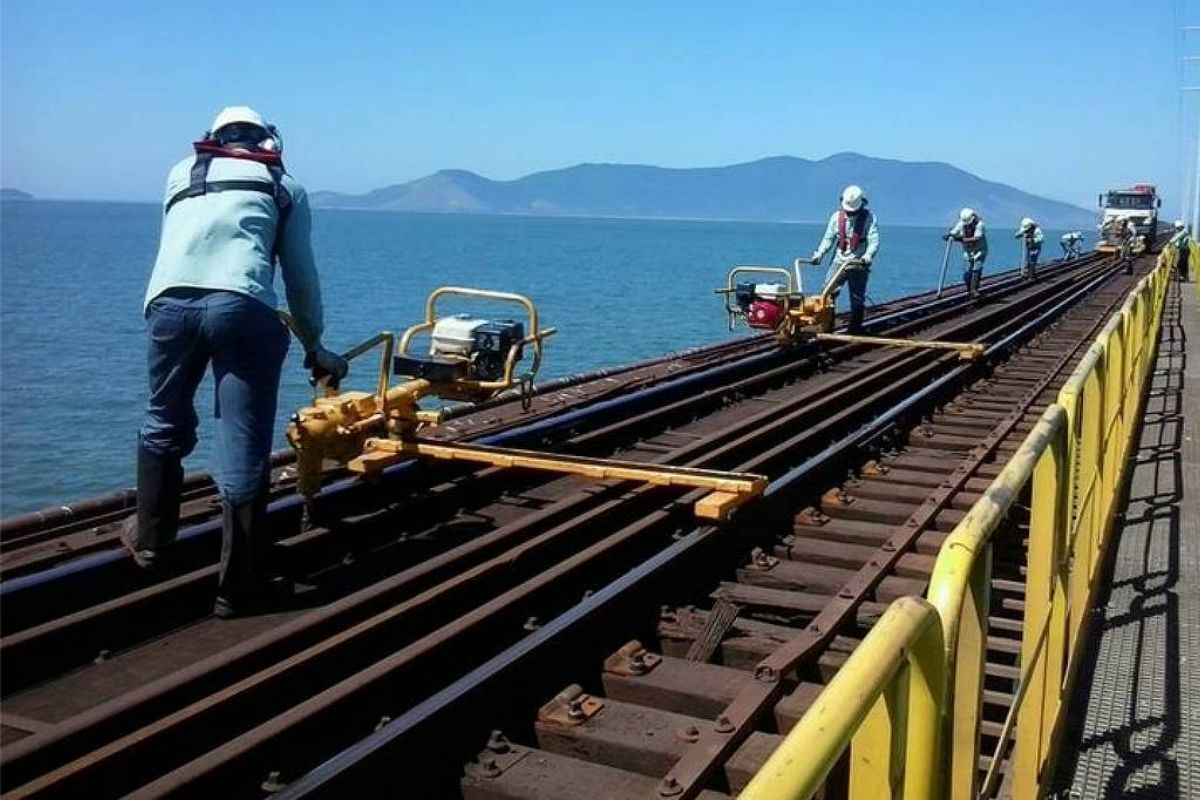


With R$ 138 Billion in Investments, the New Rail Plan Seeks to Unleash the Economy, Create Jobs, and Modernize the Country’s Infrastructure, Taking Historic Projects off the Drawing Board.
The federal government has launched the new National Rail Plan (PNF), one of the most ambitious infrastructure initiatives in Brazil’s recent history. The rail plan envisions investments of R$ 138.6 billion in 15 major assets, aiming to expand and modernize the national railway network, unlock logistical bottlenecks, and reduce the historical dependence on road transport.
The goal is bold: to increase the share of rail in the country’s transportation matrix from the current 20% to 40% by 2035. A Central Component of the New Growth Acceleration Program (PAC), the rail plan is seen as a key piece to increase the competitiveness of agribusiness and mining, reduce transportation costs by up to 30%, and drive a new era of sustainable development in the country.
What Is the New National Rail Plan?
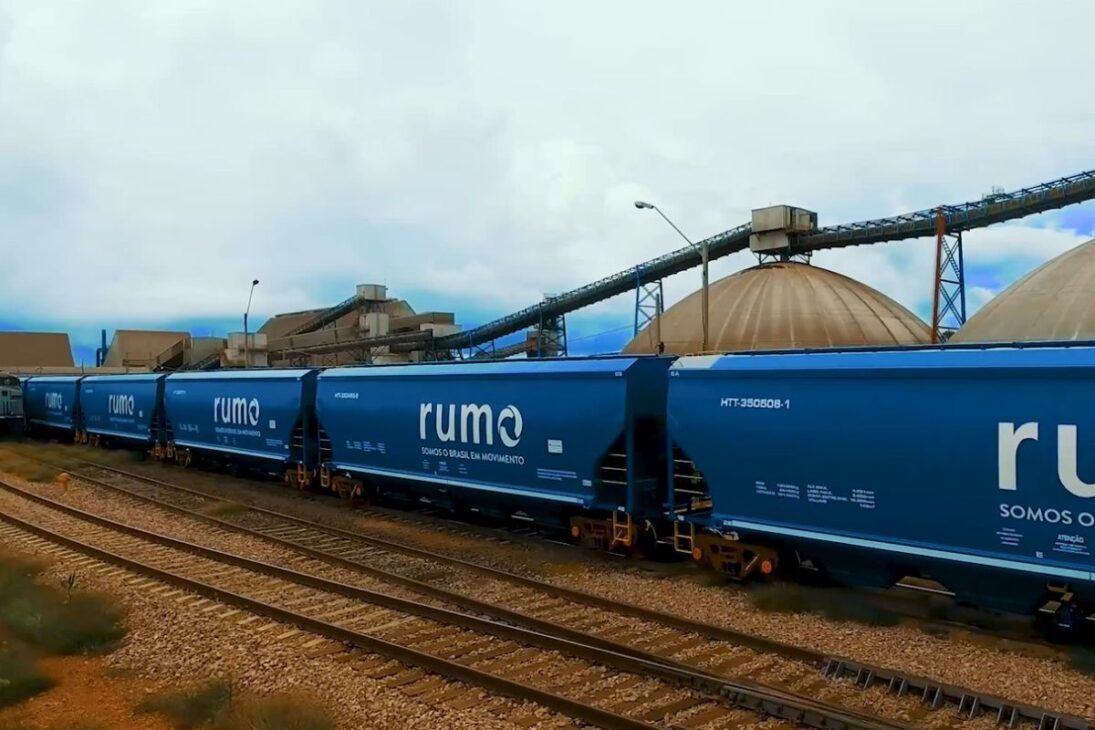
Officially launched in June 2025, the rail plan is a restructuring of previous initiatives, now with a clear focus on partnerships with the private sector and the completion of projects that have dragged on for decades. The strategy is based on three main pillars:
-
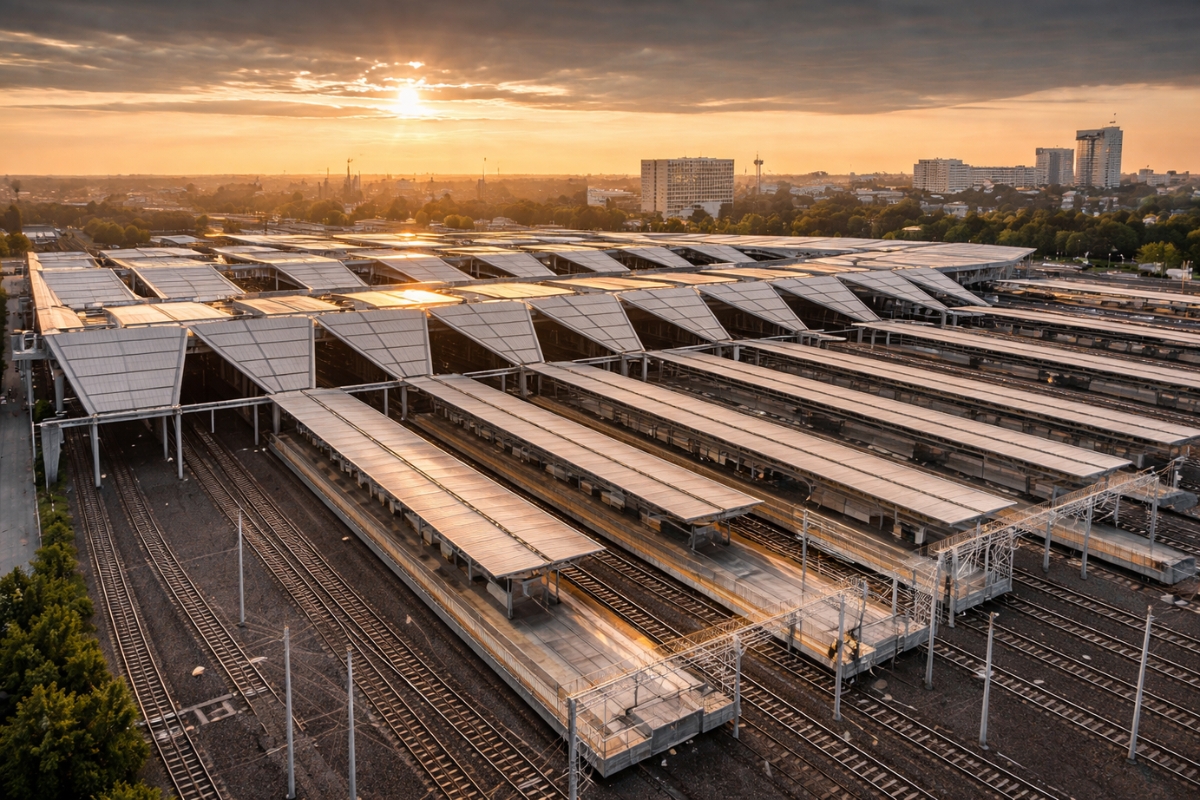
In A European City, The Country’s Largest Railway Junction Was Modernized Without Closing Its Doors, Kept Trains Running During Years Of Construction, Now Serves Up To 60,000 Passengers Per Day, And Installed Solar Panels That Generate About 30% Of Its Energy
-
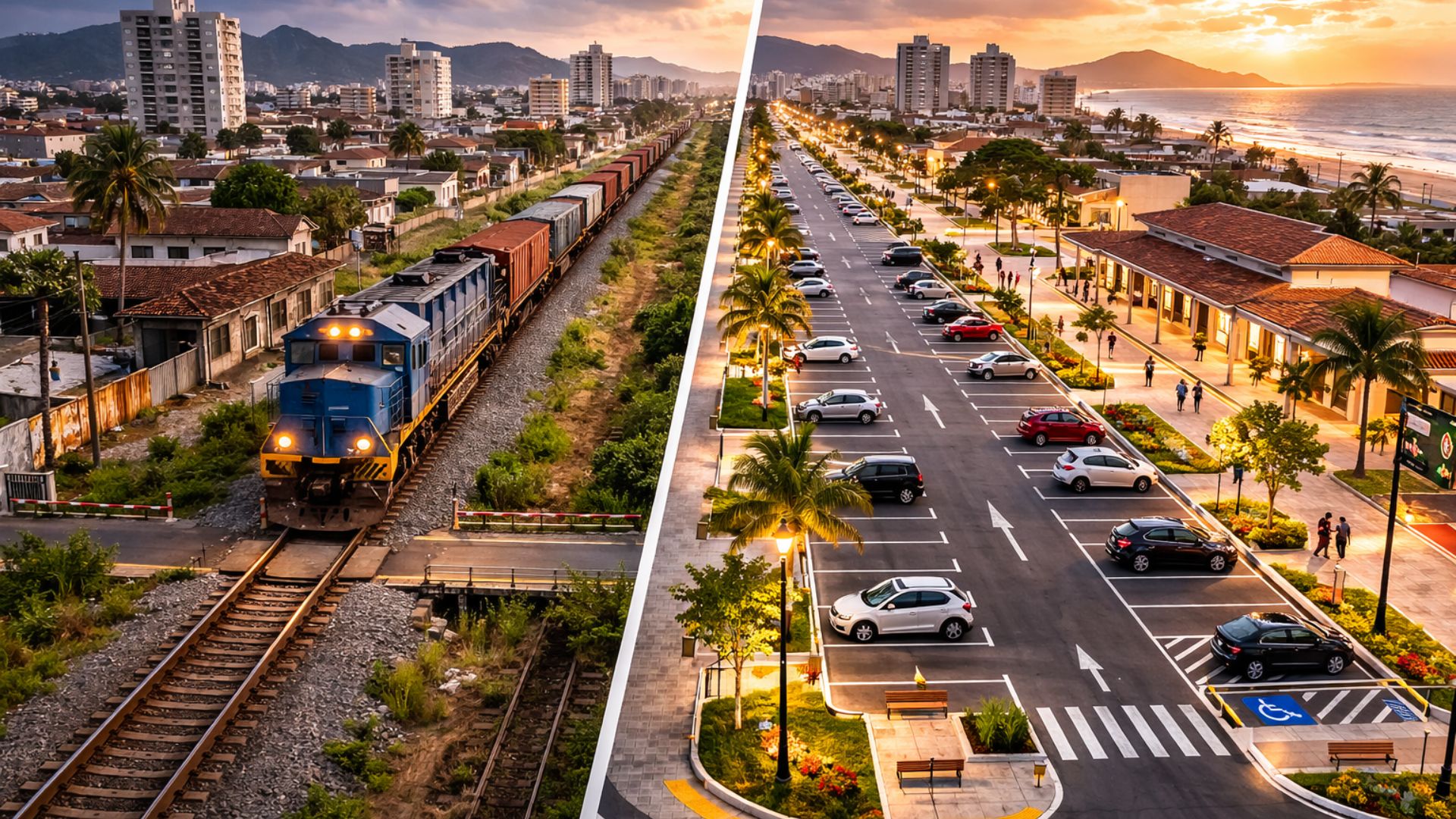
Famous Brazilian Railway May Become a Parking Lot
-
The Country of “Punctual As a Train” Admits It Has Lost Control: High-Speed Trains Delay, Stop, Disappear from the Map and Turn 6-Hour Trips into 10, While Deutsche Bahn Promises Restructuring in 2026 But Faces 19th Century Infrastructure, Staff Shortages and Sections Closed for Months
-
With an Investment of R$ 700 Million in One of the Country’s Main Rail Networks, VLI Reinforces Infrastructure, Receives 8 New Locomotives, and Expands the Corridor Connecting 7 States, Boosting Jobs and the Transportation of Grains, Ore, and Oil Products to the Port of Santos

New Concessions: Auctioning new sections to the private initiative.
Early Renewals: Renegotiation of existing contracts with concessionaires such as Rumo, VLI, and Vale, ensuring new investments in exchange for extended deadlines.
Authorizations (shortlines): Utilization of the Legal Framework for Railways (2021) to allow companies to build and operate smaller sections of private interest, connecting production centers to the main network.
The Map of the Revolution: The Priority Projects
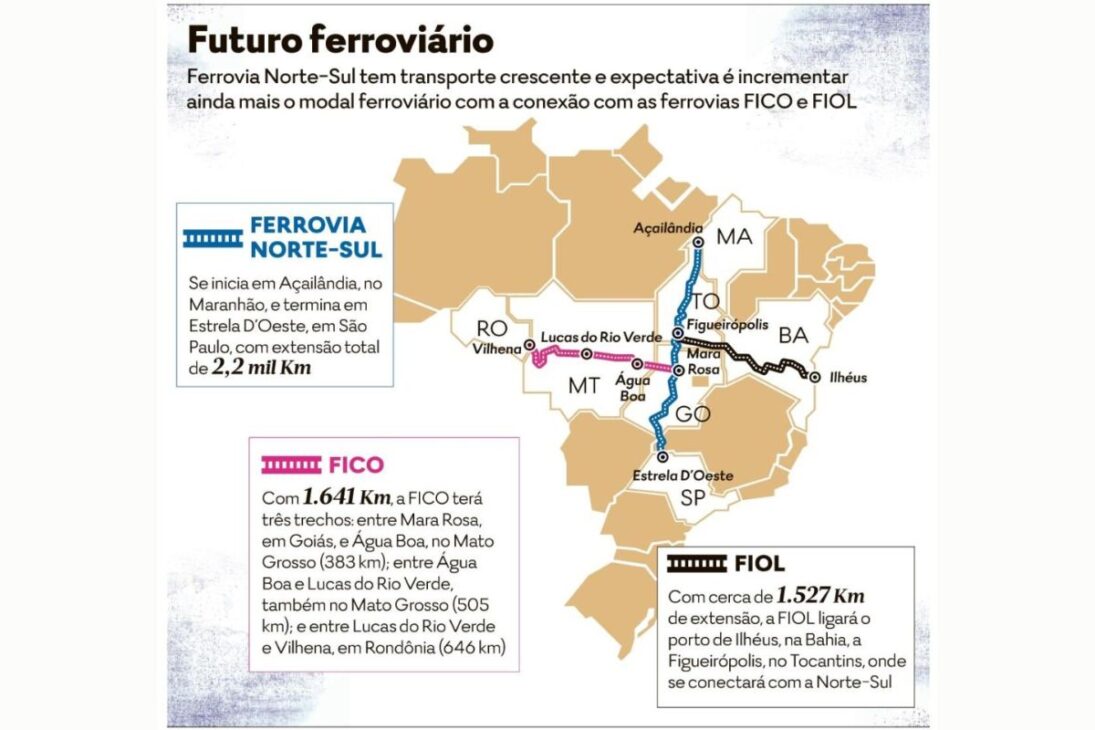
The rail plan prioritizes projects that are considered strategic for national integration and the flow of production to ports. The main projects are:
West-East Integration Railway (FIOL): Essential for transporting iron ore and grains from southern Bahia and Tocantins to the Port of Ilhéus (BA).
Northern-Southern Railway (FNS): The backbone of the system, connecting the country from north to south, linking Pará to São Paulo and, in the future, to Rio Grande do Sul.
Ferrogrão: One of the most anticipated projects by agribusiness, it will connect the grain hub of Sinop (MT) to the ports of Miritituba (PA), in the Northern Arc.
Transnordestina: Will connect the hinterland of Piauí to the ports of Suape (PE) and Pecém (CE), boosting the development of the Northeast.
The Impact on the Economy and on the Lives of Brazilians
The rail plan goes far beyond the tracks. Its socioeconomic impact is one of the main arguments of the government.
Job Creation: The Brazilian Association of Railway Industry (Abifer) estimates the creation of thousands of direct and indirect jobs, both in construction and in the operation of new lines.
Reduction of Brazil’s Cost: By lowering freight costs, the plan increases the competitiveness of Brazilian products in the international market and can help reduce food prices for the end consumer.
Sustainability: Rail transport emits 85% less CO₂ than road transport. Migrating loads from roads to tracks is a crucial step towards the country’s decarbonization goals.
The Return of Passenger Trains?
One of the most interesting aspects of the rail plan is the resumption of studies for the reactivation of passenger trains. The Ministry of Transport is already analyzing the feasibility of seven routes, including iconic routes such as São Paulo-Campinas and Belo Horizonte-Brumadinho. Although it is a long-term project dependent on Public-Private Partnerships (PPPs), the initiative signals a desire to resurrect a mode of transport that was once very important for Brazil.
And what do you think of the new rail plan? Do you believe that Brazil will finally be able to balance its transportation matrix and unlock its logistical potential? Leave your opinion in the comments!








Exceto a futura ferrograo, todas as demais sao muito viáveis e necessárias. Com as secas recorrentes no lago gatun (mudanças climaticas crescentes ) e o desinteresse chines, transpor o canal do Panamá se tornou impossível mesmo com navios pequenos e velhos saindo de Santarém. Ferrograo é caríssima, ambientalmente muito questionavel, não consegue competir com FNS e bioceanica de Ilhéus-chancay e assim seria uma perda de tempo e de recursos, infelizmente.