





 Portuguese
  English
  Spanish
  5 min of reading
  1 comment


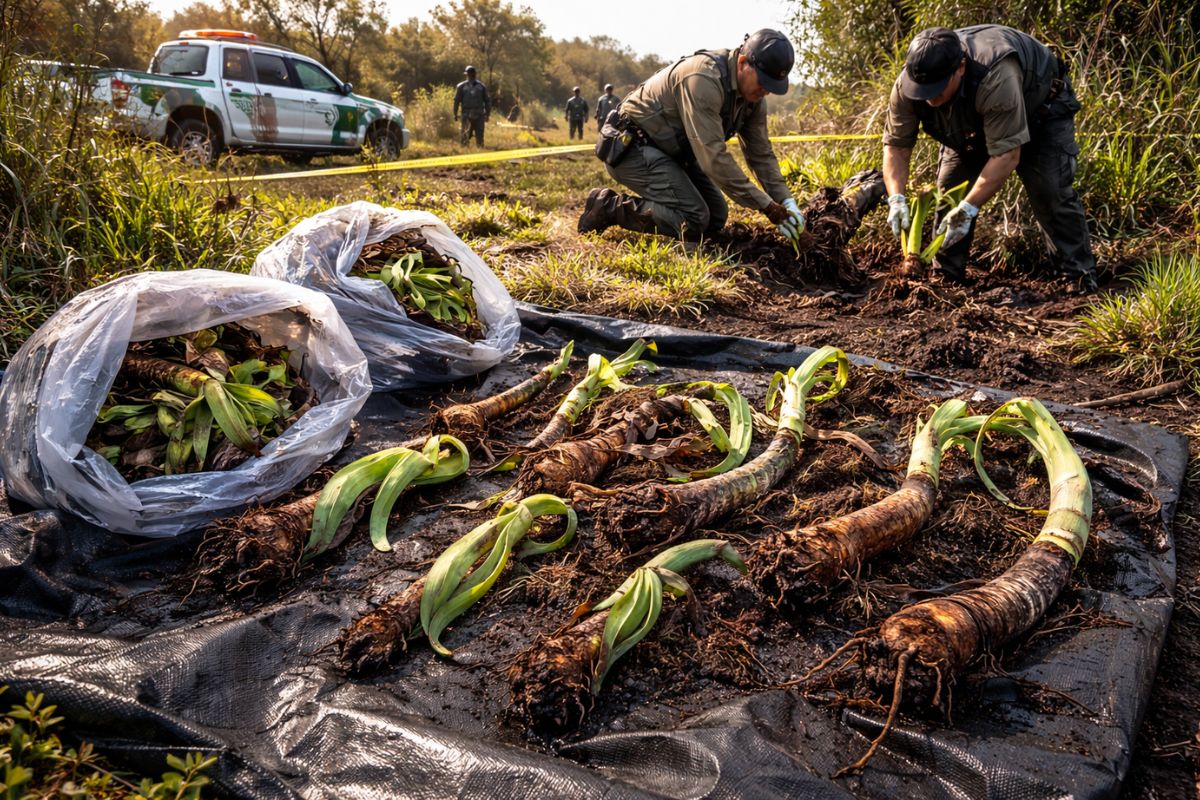


Endangered Plant Disappears from Park in Petrópolis, Reappears in Bags on the Trail, Worth Thousands of Dollars in International Trafficking, and is Hastily Replanted to Avoid Vanishing from Rio.
An endangered plant returned to the center of an environmental operation in Rio de Janeiro after being illegally removed from a conservation unit in Petrópolis. Nine specimens of Worsleya procera, known as the Queen of Brazil or rooster’s tail, were found hidden in two plastic bags abandoned by the side of a trail in the Serra da Maria Comprida State Natural Monument. The species is endemic to the state, occurs in restricted areas, and is considered one of the most sought-after in the international ornamental plant trafficking, where it can reach values of thousands of dollars. After the rescue, park rangers immediately replanted the seedlings in hard-to-reach locations to reduce the risk of further removal.
The seizure and replanting took place last Wednesday (14) and involved teams from the State Institute of the Environment (Inea), who were conducting monitoring and maintenance activities on the trails in the unit. The case exposes how criminal pressure on unique species in Rio remains active even within protected areas and how any delay in response can result in irreparable losses when the target is a rare and endangered plant.
Where It Happened and Why the Case Sparked Alarm

The incident occurred in the Serra da Maria Comprida State Natural Monument, in Petrópolis, in the mountainous region of Rio de Janeiro.
-
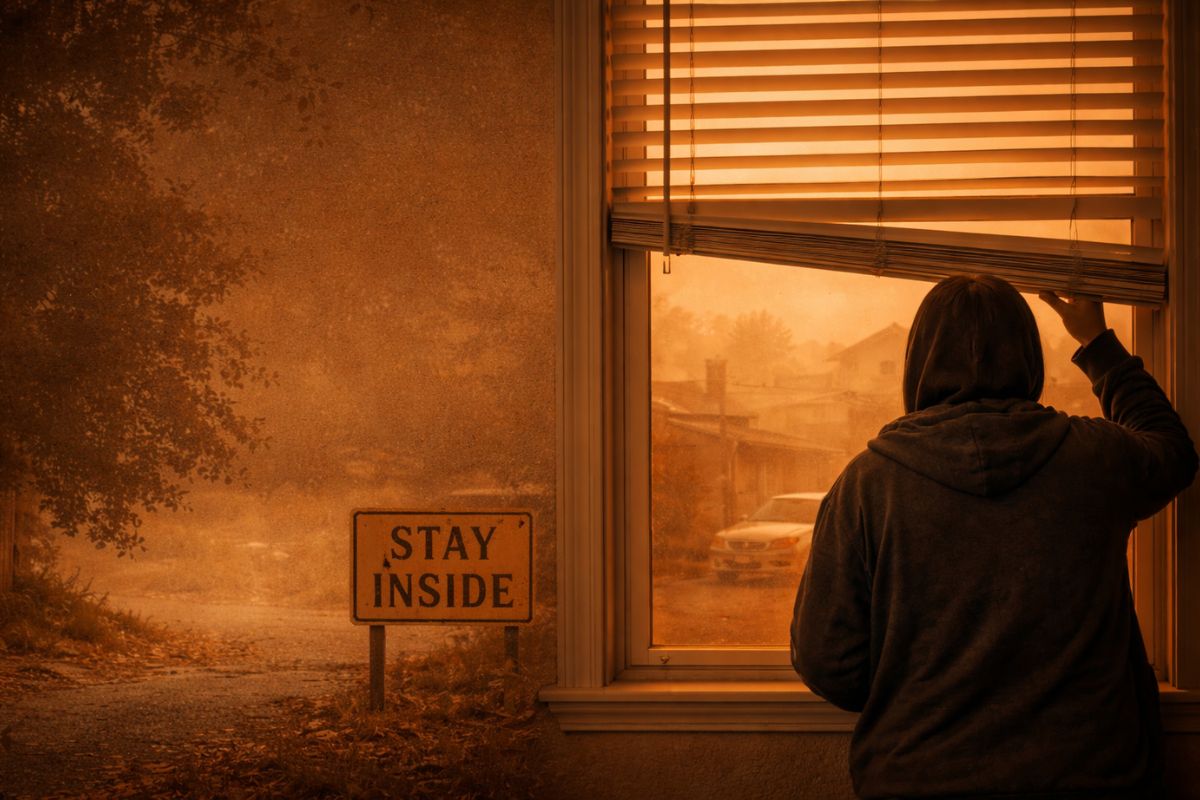
More than one million North Americans were ordered to close their windows and stay indoors because the air in the southern United States became so toxic that pollution levels reached 18 times above the World Health Organization’s safety limit.
-
China has accumulated up to 1.4 billion barrels of oil in strategic reserves, invested 25 years in renewable energy, and purchased 80% of cheap Iranian oil: how Beijing has prepared for decades for the crisis that is now shaking the world.

-
A single lake holds 20% of the planet’s non-frozen freshwater and is also the deepest and oldest on Earth.

-
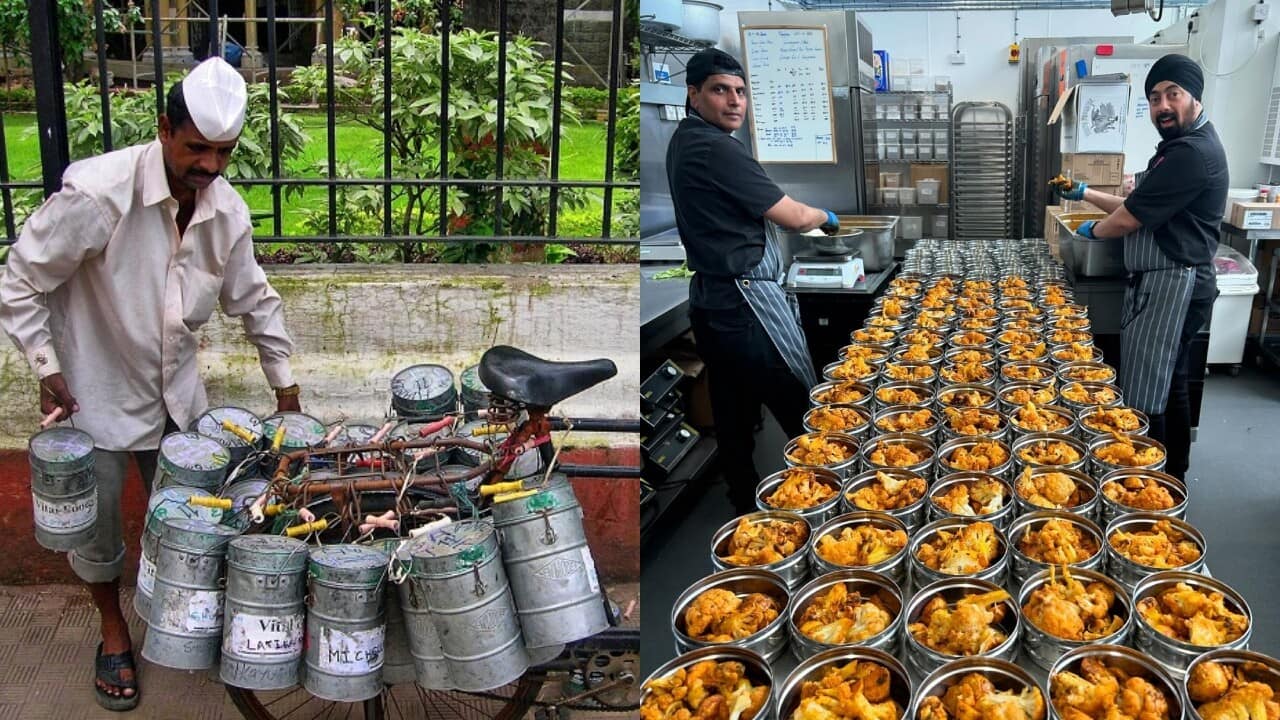
How 5,000 Indian dabbawalas manage to deliver around 200,000 lunchboxes a day in Mumbai for over 130 years using bicycles, crowded trains, and a manual system that continues to operate with impressive accuracy.
As it is a conservation unit, the area has specific rules for the use and protection of fauna and flora, precisely to prevent extraction, degradation, and loss of biodiversity.
What makes this case especially sensitive is the combination of three critical factors: the plant is endangered, it is endemic to Rio de Janeiro, and it has a high value on the illegal market.
When these three conditions intersect, any extraction ceases to be a localized harm and becomes a direct threat to the future of the species in its natural habitat.
How the Illegal Removal Was Discovered During Monitoring
The Inea teams were conducting maintenance and monitoring activities on the trails when they found two plastic bags at the edge of a trail.
Inside them were the nine specimens of the plant, already removed from the environment where they should remain protected.
The location of the find is important because it suggests a planned action rather than random abandonment.
The presence of the bags in a passage area indicates that someone removed the plants, packed them for transport, and, for some reason, was unable to complete the removal at that moment.
The Detail of the Bags on the Trail and the Suspicion of Criminals’ Return
The suspicion raised is that the material was hidden to be retrieved later, at a time of lower visitor traffic.
This tactic usually reduces the risk of being caught, as it allows the final removal to be carried out with more time, less exposure, and often with logistical support.
This type of dynamic is especially dangerous for an endangered plant because, when the extraction is completed, the chance of recovery virtually disappears.
Unlike traceable products, flora trafficking can quickly disperse the specimens and hinder any rescue attempts.
Who is Worsleya procera, the Queen of Brazil
The identified species is Worsleya procera, known as the Queen of Brazil or rooster’s tail.
It is described as endemic to the state of Rio de Janeiro, meaning its natural occurrence is restricted to the Fluminense territory and specific areas within it.
The rarity, ornamental beauty, and limited distribution create a scenario of high vulnerability.
A species that lives in few locations has no margin for successive losses because each removal represents a direct reduction in the number of individuals available in their natural environment.
Why This Plant is Worth Thousands of Dollars on the Illegal Market
Worsleya procera is regarded as highly valued in the international ornamental plant trafficking, reaching values of thousands of dollars in the illegal market.
This economic factor is the engine of crime: the higher the value, the greater the incentive for clandestine collection, even within protected areas.
There is also an exacerbating factor cited: the supply of the illegal market includes international demand, especially from Asian countries.
When external demand and high profits are involved, pressure tends to increase because trafficking networks seek replication and scale.
Immediate Replanting and the Choice of Hard-to-Reach Areas
After the rescue, park rangers immediately replanted the seedlings.
The quick replanting was essential to minimize the time outside the habitat and reduce the risk of stress and loss of the specimens.
Additionally, the specimens were returned to their natural habitat in hard-to-reach areas, specifically to reduce the risk of further illegal removal.
This decision has a clear objective: to hinder the action of those trying to remove the plant, increasing the effort needed to locate and carry the specimens, and reducing the chance of repeating the crime in the short term.
What the Inea Action Reveals About Pressure in Conservation Units
The case shows that everyday monitoring makes a difference. The bags were found because there was a team working on-site, in a routine trail maintenance activity. Without this presence, the material could have been removed later without any record.
It also highlights that conservation units can be targets of illegal collection even with formal protection.
When an endangered species has a high value, attempts to violate rules increase, requiring active presence, vigilance, and rapid response to prevent the removal from consolidating.
Environmental Crime and the Irreparable Dimension of Losing an Endemic Species
The State Secretary for the Environment and Sustainability, Bernardo Rossi, emphasized that the illegal extraction of native plants is environmental crime and reinforced the importance of monitoring.
The central message is that the loss of endemic species is irreparable and represents a depletion of the state’s natural heritage.
This is even more serious when it comes to an endangered plant.
If removal is repeated, the species loses its ability to sustain itself in the natural environment, and preservation ceases to be an abstract debate and becomes a race to avoid definitive disappearance.
Why This Case Matters for Rio Beyond Petrópolis
The episode goes beyond a one-time rescue.
It exposes a chain: illegal removal within a protected area, attempts to conceal for later removal, high value in international trafficking, and the vulnerability of an endangered endemic plant.
When a species presents these characteristics, each occurrence signals a risk of repetition.
The rescue and the replanting prevent immediate loss, but the case makes it clear that the pressure continues and that control needs to be constant to prevent the illegal market from turning rarity into disappearance.
What should be the punishment and practical response to prevent endangered plants from continuing to be stolen within conservation units in Rio?





Mais um texto repetitivo, e para piorar tem vários anúncios da Eucatex piscando sem parar durante a leitura, parece que esse site é terra de ninguém….