





 Portuguese
  English
  Spanish
 4 min of reading
  0 comments


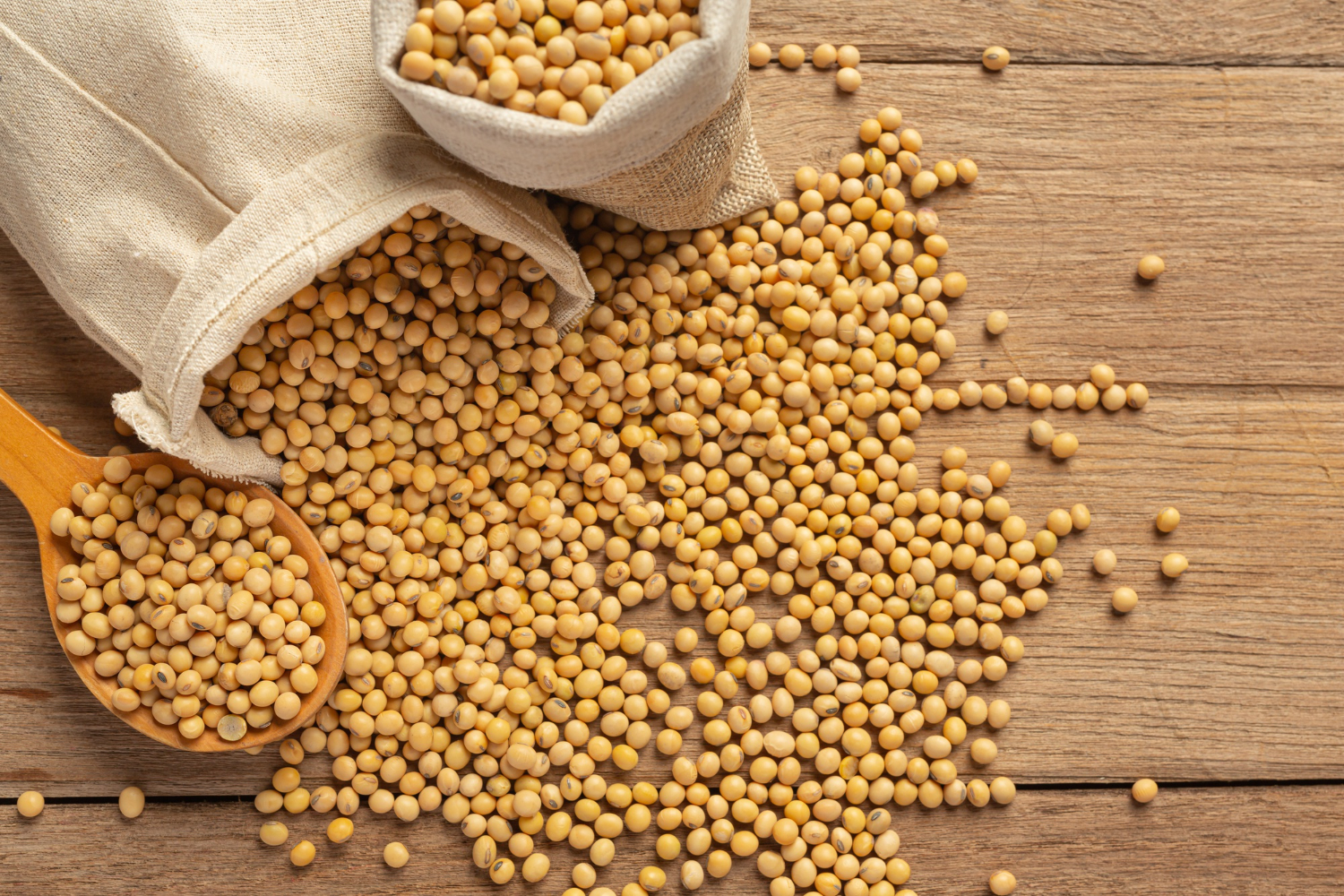
With Soybean Planting in Rio Grande do Sul Begun, Producers Project Sustainable Growth, Recovery of Productivity, and Expressive Increase in Exports, Highlighting the Strategic Role of the Gaúcho Agro-Industry
The soybean planting in Rio Grande do Sul officially started in an optimistic climate, marking the beginning of the 2025/26 summer harvest, according to a report published.
The event, held in Júlio de Castilhos and promoted by the Secretariat of Agriculture, Livestock, Sustainable Production and Irrigation (Seapi), brought together authorities and farmers to announce an estimate of 21.4 million tons of soybeans, according to Emater/RS-Ascar.
The number represents a 57.14% increase compared to the previous harvest, which reached 13.6 million tons.
-
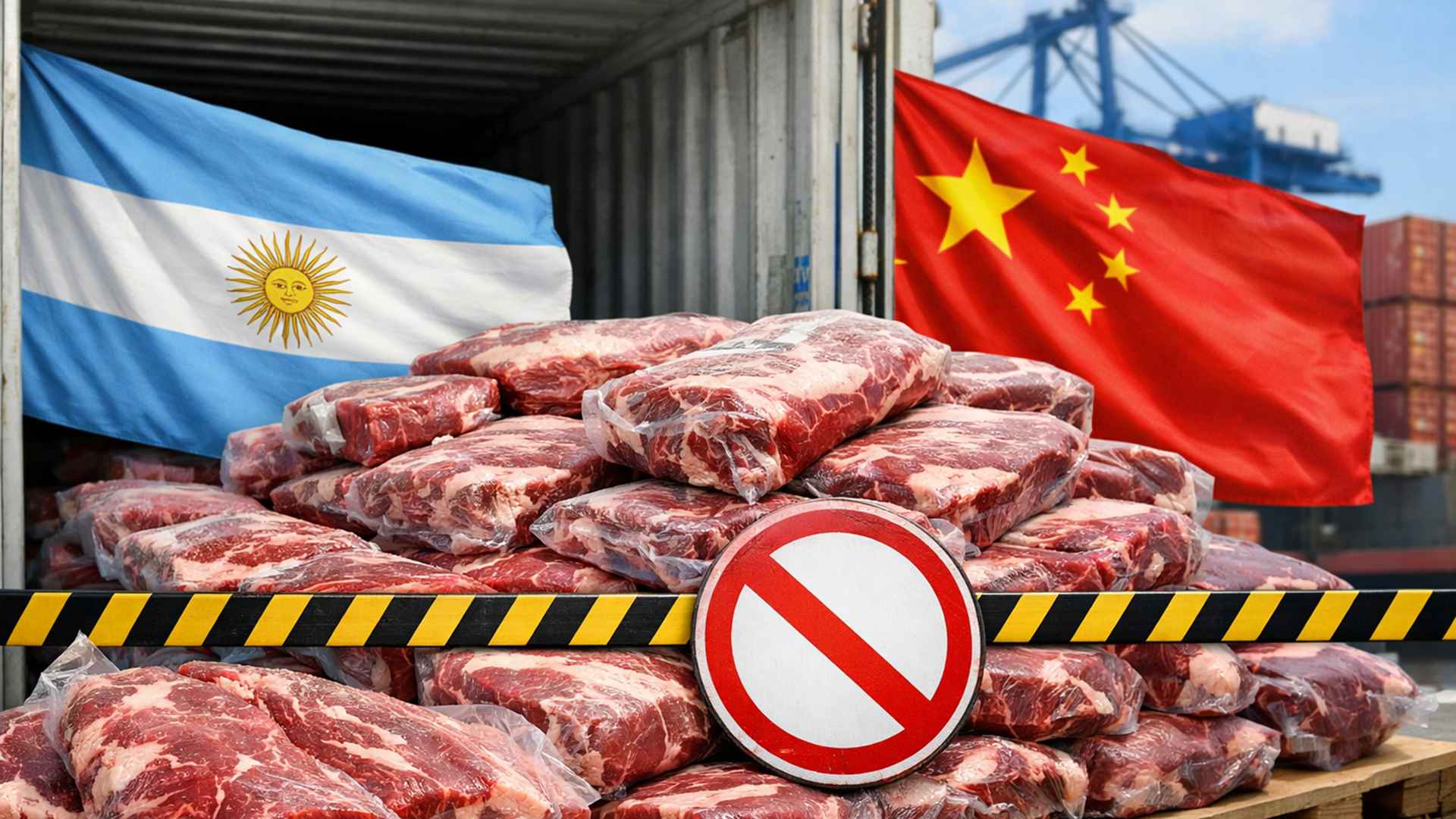
China banned the export of 22 tons of meat from Argentina.
-
While Russia dominates the global wheat market, Brazil emerges as an unexpected competitor in the Cerrado, offering grain available in July and August when stocks in the Northern Hemisphere are at their lowest point of the year.

-
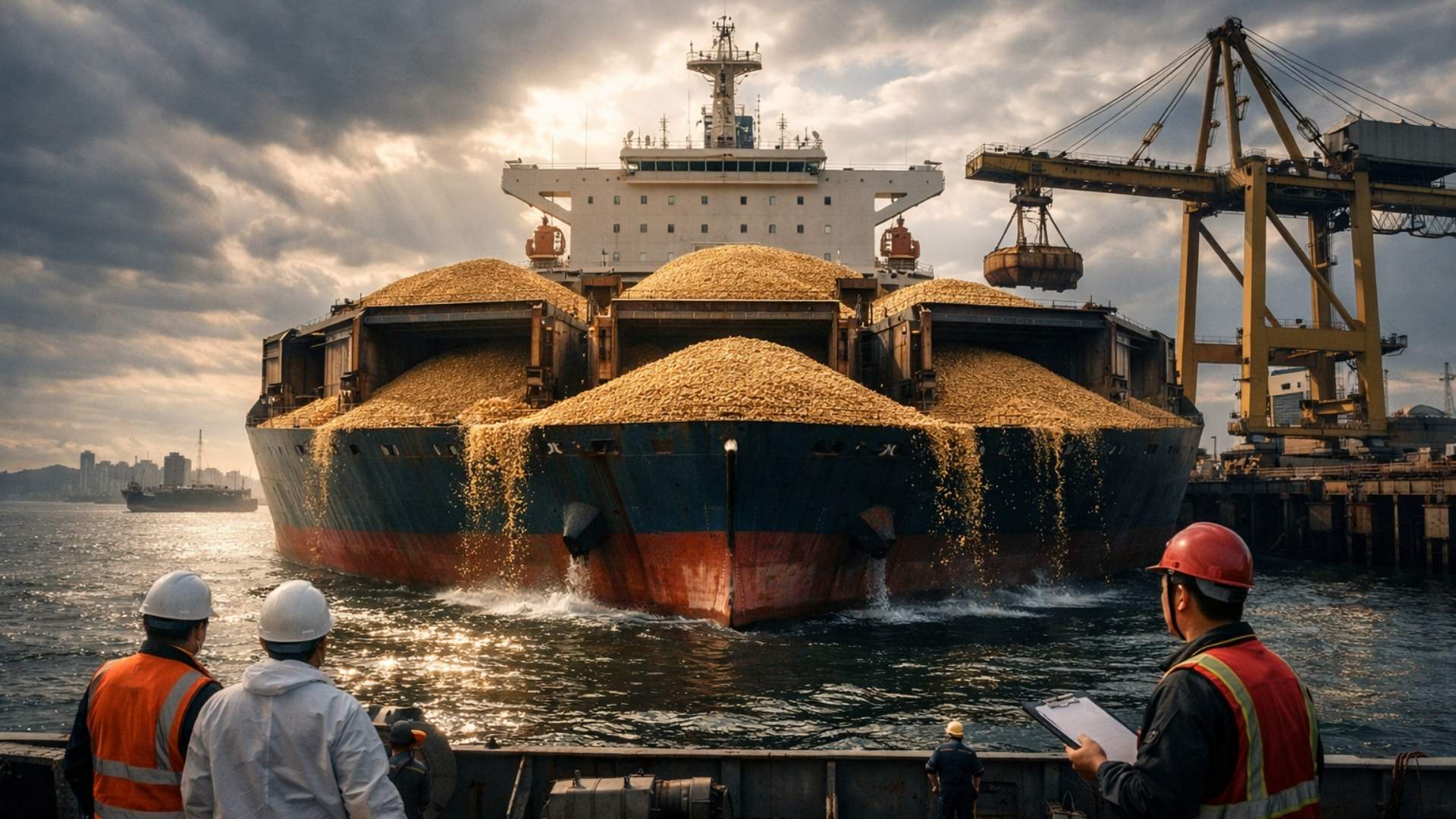
China returned almost 20 Brazilian ships with soybeans, but now everything could change: the country that buys 80% of the grain is considering relaxing regulations after impurities held up shipments of thousands of tons and caused million-dollar losses.
-
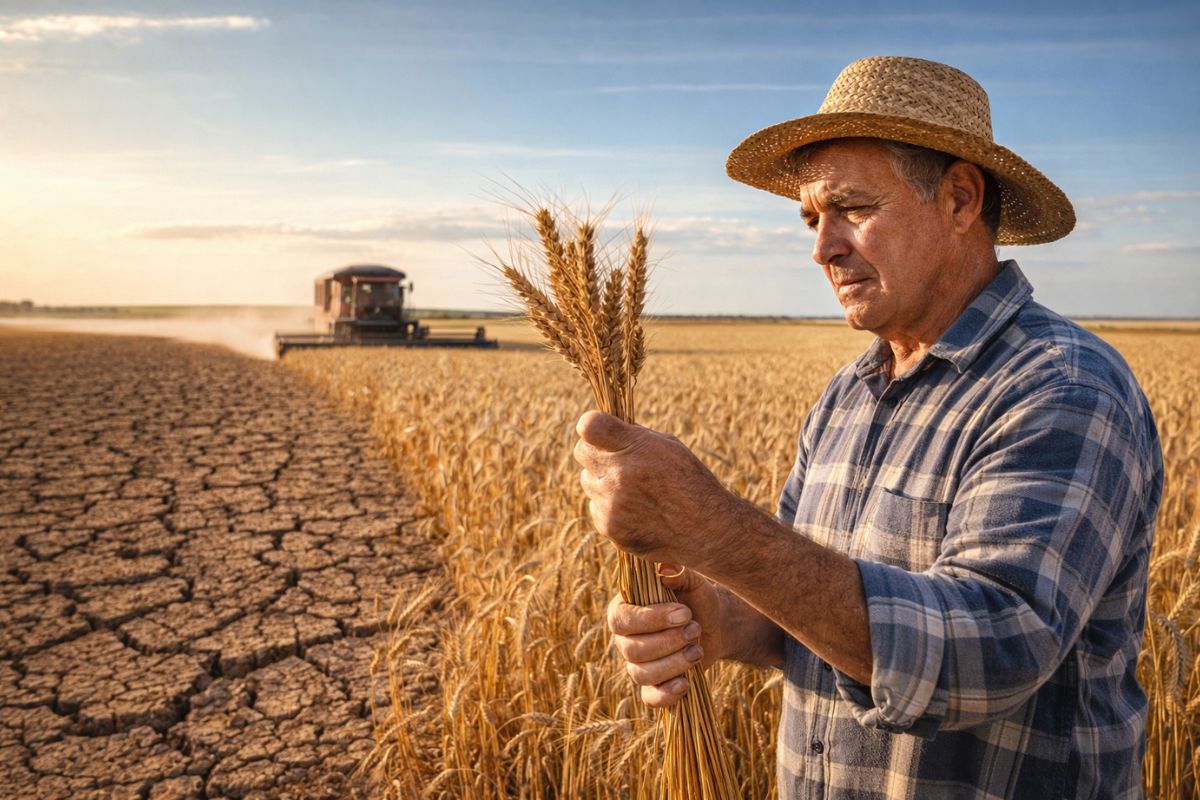
The drought of the cerrado was considered an enemy of wheat, but Brazilian scientists turned the lack of rain into a competitive advantage by creating a grain with quality that is already attracting the attention of international mills around the world.
Even with a 0.8% reduction in the planted area, which is expected to reach 6.74 million hectares, the state is betting on more favorable climatic conditions and the resilience of Gaúcho producers to ensure good results.
The expectation is that Rio Grande do Sul will regain national prominence in soybean production and export after periods marked by adversities and climatic challenges.
Productivity of Gaúcho Soybean and Recovery After Climatic Adversities
The productivity of soybeans in Rio Grande do Sul is expected to recover significantly this season.
According to Seapi Secretary Edivilson Brum, the scenario is favorable for the state to grow again in the national ranking of the crop.
He highlighted the effort and resilience of farmers who faced years of losses due to droughts and excessive rainfall.
The new harvest is expected to reflect a better combination of technology, irrigation, and sustainable management, factors that can consolidate the return of good results in the field.
The 2025 Radiography of Gaúcho Agriculture (RAG) reinforces this trend by pointing out municipalities that stand out in irrigated cultivation, such as São Borja, Cruz Alta, São Luiz Gonzaga, Santa Bárbara do Sul, and Boa Vista do Cadeado.
Among the municipalities with dryland cultivation, Palmeira das Missões, Dom Pedrito, Vacaria, Cachoeira do Sul, and São Gabriel stand out, highlighting the productive diversity and territorial reach of soybeans in the state.
Soy Complex Exports and Strengthening of Regional Agro-Industry
Soybean exports in Rio Grande do Sul continue to play a strategic role in the state economy.
In 2024, the state sent soy complex products to 50 countries, totaling US$ 6.33 billion in revenue.
These results position Rio Grande do Sul as the third-largest Brazilian exporter in the sector, behind only Mato Grosso and Paraná.
China remains the main destination, acquiring 56% of total exports. Following are Iran (7.2%), South Korea, and India (3.7%) and Iraq (3.1%), demonstrating the strong international presence of Gaúcho soybeans.
This market breadth shows how the recovery of internal productivity can positively impact the state’s trade balance, benefiting cooperatives, transport companies, processing industries, and the generation of direct and indirect jobs.
Sustainable Management and Innovation in Soybean Planting
Sustainable management in soybean production in Rio Grande do Sul has been gaining prominence among producers and public institutions.
Efficient irrigation practices and crop rotation have been essential to optimize water use and preserve soil.
The planting opening event reinforced the state’s commitment to sustainable production, aligned with Seapi’s guidelines and the requirements of increasingly attentive international markets regarding the origin of agricultural products.
In addition, the adoption of precision agricultural technologies, such as moisture monitoring and the use of drones for crop analysis, contributes to reducing losses and increasing management efficiency.
This combination of innovation and environmental responsibility strengthens the image of the Gaúcho agro-industry, enhancing its global competitiveness.
Producer Expectations and the Role of Family Farming
Expectations for the soybean harvest in Rio Grande do Sul are high, especially among small and medium-sized producers who make up the foundation of family farming in the state.
Many farmers see this season as an opportunity to recover previous losses and stabilize income with the support of public financing and technical assistance programs.
Seapi, through partnerships with Emater/RS-Ascar, has intensified actions for technical training and guidance on sustainable practices, strengthening food security and regional development.
This support network is essential to ensure that Gaúcho soybeans continue to be one of the pillars of Brazilian agribusiness and contribute to balanced and lasting economic growth.






Seja o primeiro a reagir!