





 Portuguese
  English
  Spanish
  4 min of reading
  0 comments


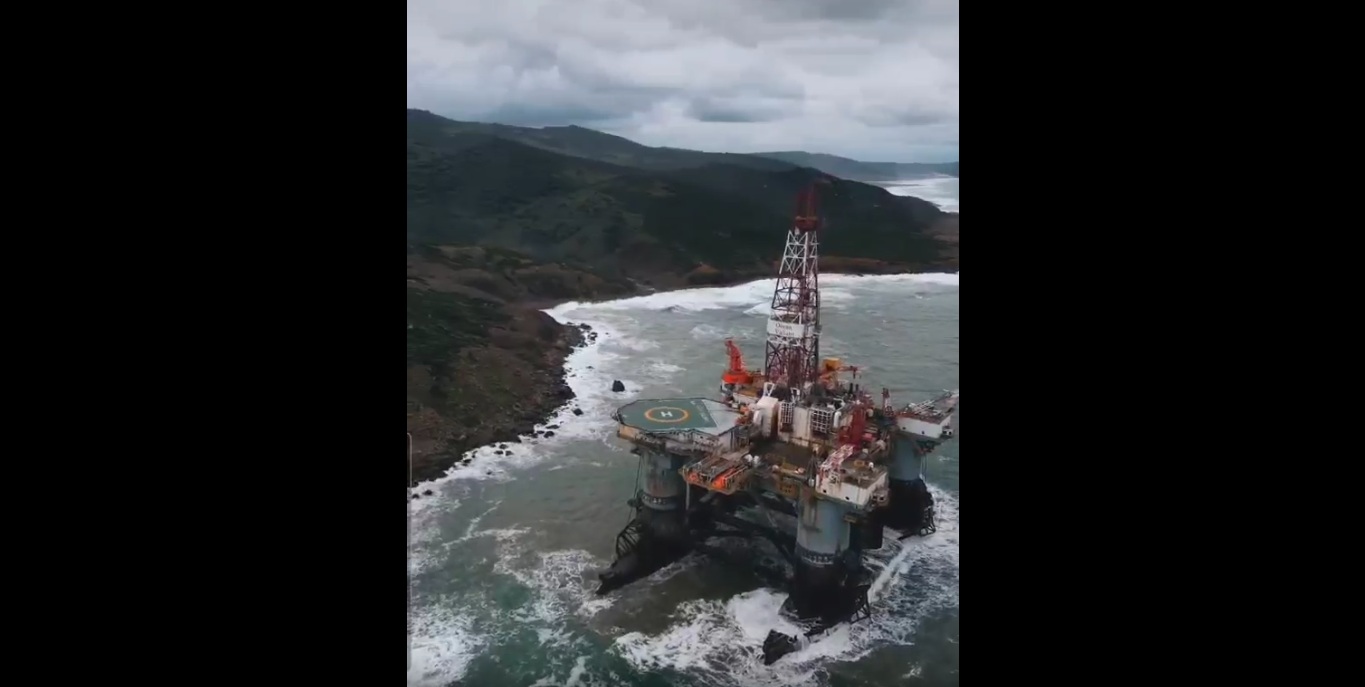
Discover The Details Of The Grounding Of The Oil Platform Ocean Valiant, The Environmental Impacts Avoided, And The Challenges For Its Rescue.
The semi-submersible oil platform Ocean Valiant, built in 1988 and valued at US$ 323 million, caught attention in early 2025 in Tunisia by being involved in an incident in the Mediterranean. Since then, the story of this structure, which played a crucial role in the offshore industry, has sparked debates.
While being transported from Scotland to Izmir, Turkey, for dismantling, a series of technical failures and climatic adversities led to her grounding near the Tunisian coast.


What Led To The Incident With The Ocean Valiant?
On January 13, 2025, an unexpected storm hit the region while the oil platform was being transported across the Mediterranean. Strong winds and high waves snapped the towline, leaving the Ocean Valiant adrift.
-
Lula reveals a masterstroke by Petrobras to undo a deal made by Bolsonaro, which involves the return of an important refinery that currently produces less than half of what was expected and makes Brazil dependent on international diesel.
-
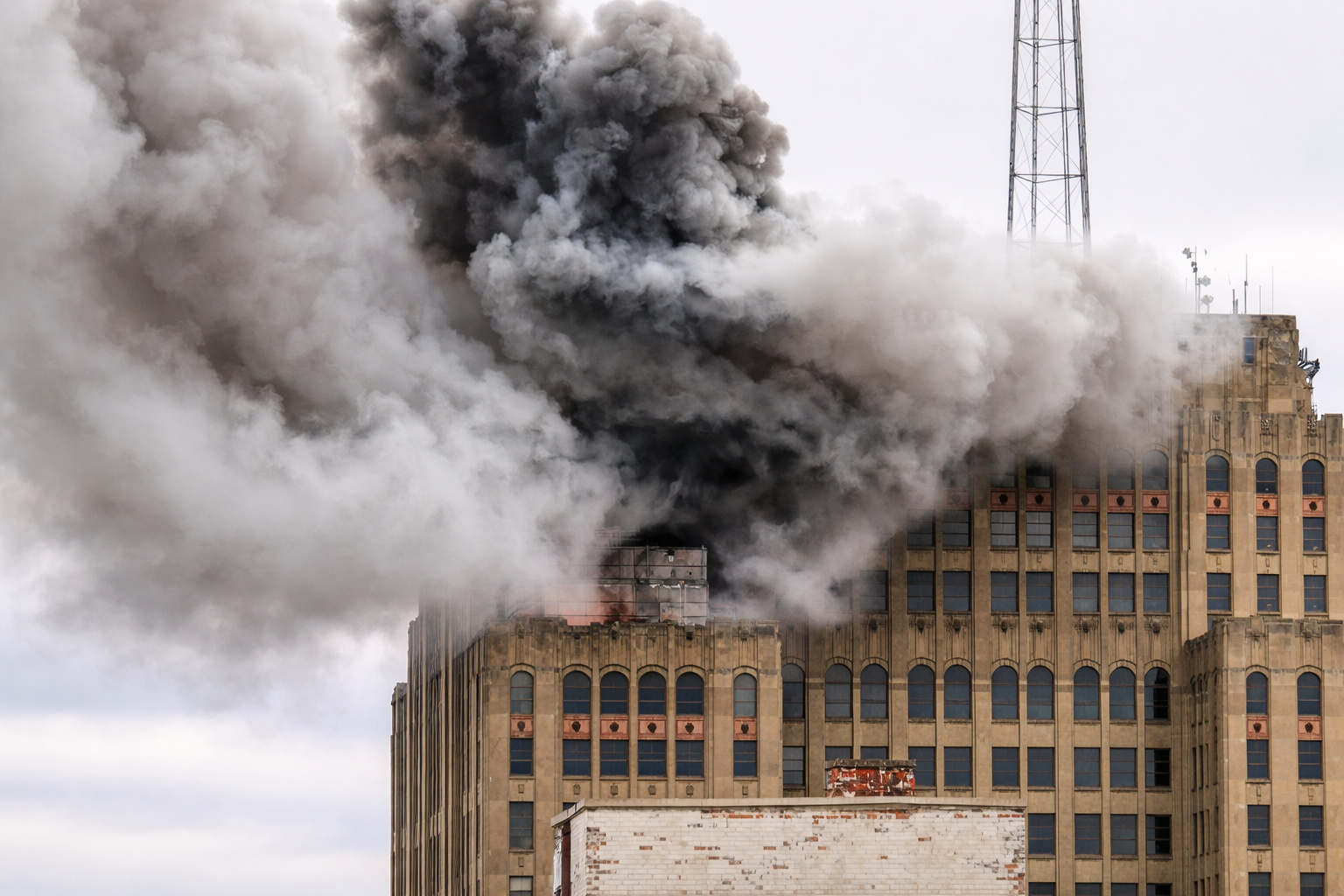
Historic building in the United States reports electrical fire, calls firefighters, and exposes an issue with an appliance that most Brazilians also have at home.
-
A study confirms that the natural gas sector will reduce greenhouse gas emissions in Brazil by 0.5% and accelerate the energy transition by 2026.

-
Petrobras implements a severe adjustment and confirms a 55% increase in the price of aviation kerosene with a proposal for installment payments for the companies.


Out of control, the structure drifted towards the coast and ran aground at Dherwa, located 20 kilometers from Bizerte, Tunisia.
Although this type of incident is rare, it highlights the challenges faced in the maritime transport of large structures. Additionally, the oil platform, with its heavy weight and imposing dimensions, requires favorable weather conditions and robust equipment for the journey to proceed safely. The event was widely reported by the publication “Marine Public” and also discussed in local coverage in Tunisia.
Environmental Impacts And Local Concerns
Shortly after the grounding, local and environmental authorities quickly assessed the potential environmental consequences. Fortunately, there was no significant structural damage or leakage of chemical waste or oil, which brought relief to both local communities and environmentalists.
The initial report, released on January 15, 2025 by the Ministry of Environment of Tunisia, confirmed that the Ocean Valiant did not pose an immediate danger to the ecosystem.

Before transportation, the teams deactivated the platform’s operational systems and removed all existing waste. Therefore, environmental complications that could have been disastrous for the Mediterranean were completely avoided. The logistics team in charge, as reported by the shipping company Global Maritime Logistics, ensured that safety protocols had been followed before the operation.
How Are Rescue Operations Being Conducted?
Since the incident, experts have been mobilized to assess the platform’s condition and plan the refloating. However, unfavorable weather conditions have hindered operations.
To address this issue, more powerful tugboats and additional equipment were dispatched to the site. Despite this, the bad weather continues to delay the work. On January 17, 2025, a new refloating attempt had to be postponed due to winds exceeding 80 km/h, according to the Tunisian Meteorological Service.
Meanwhile, Tunisian authorities are collaborating with international salvage companies, such as Ocean Salvage Solutions, to ensure that the oil platform is removed safely. Thus, the efforts focus on preventing any additional damage to the coast and the local ecosystem.
The Fate Of The Ocean Valiant After Refloating
The story of the Ocean Valiant also illustrates the numerous logistical challenges in decommissioning offshore structures. After all, the oil platform, which has significantly contributed to the exploration of energy resources for decades, now faces the final moments of its useful life.
Therefore, it is essential to reflect on how this incident reinforces the importance of developing contingency plans and using suitable equipment in maritime transport.
As soon as weather conditions allow, specialized teams will remove the Ocean Valiant from the Tunisian coast. From then on, its journey to Izmir will be resumed.
There, it will undergo a dismantling process that prioritizes material recycling, such as steel and other reusable components. The plan is for the dismantling process to be completed by mid-March 2025, according to the company responsible for recycling, Turkish Offshore Decommissioning.
Reflections On The Safe Transport Of Oil Platforms
The case of the Ocean Valiant clearly reveals the need to enhance safety practices in the transport of structures such as an oil platform. Although no serious damage occurred, the incident exposed the complexity involved in moving these gigantic facilities across the ocean.
Moreover, the offshore industry continues to learn from situations like this, developing more advanced technologies and safety protocols that reduce risks. Additionally, the episode reinforces the importance of effective international collaboration, essential to protect the environment and ensure safe operations. Publications such as “Marine Journal” and “Offshore Today” emphasized the positive impact of planned maritime salvage operations to prevent environmental damage.
Finally, the Ocean Valiant may be in its last moments of utility, but its story reaffirms the importance of discussing topics such as safety, logistics, and sustainability in the offshore sector.
Furthermore, the journey of this oil platform highlights the challenges faced by the industry when dealing with such imposing structures. Ultimately, the incident emphasizes the need to respect the forces of nature and prepare adequately for the unexpected. Via Marine Public










-

Uma pessoa reagiu a isso.