





 Portuguese
  English
  Spanish
  2 min of reading
  0 comments


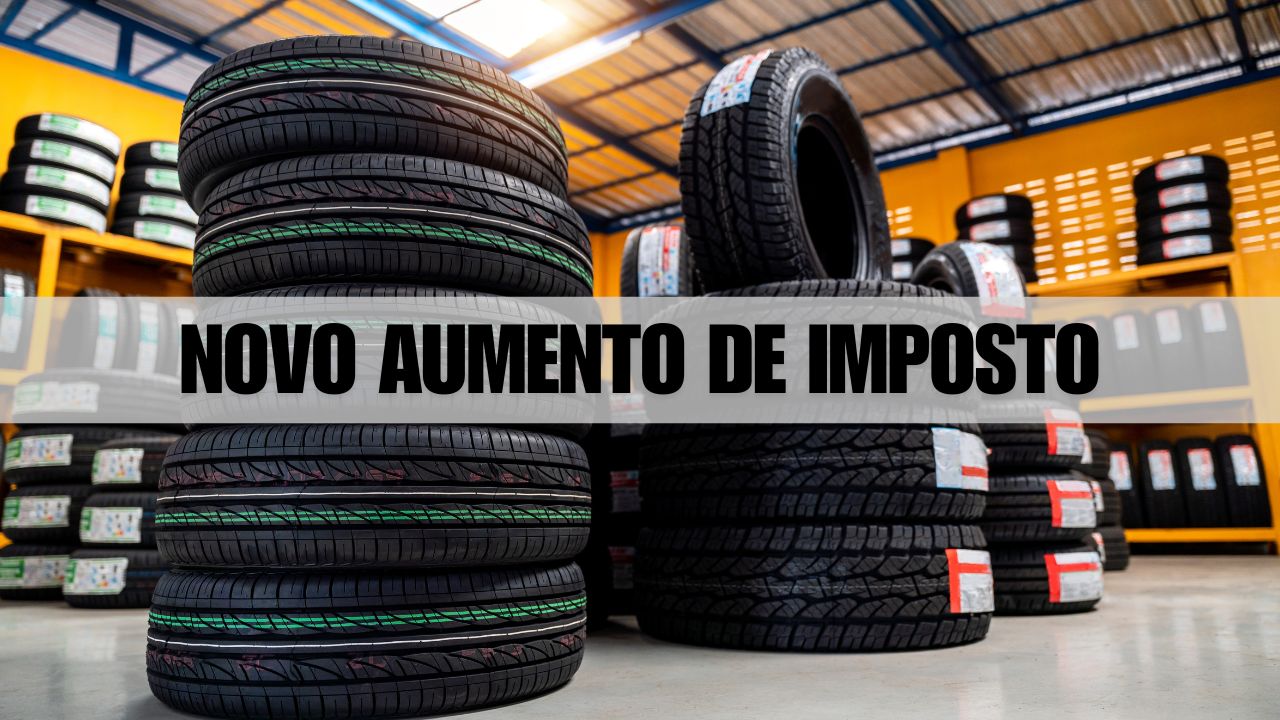
Imported Tires May See Price Increase in Brazil Due to Tax Hike Proposal. Understand How This Will Affect Consumers and Market.
According to information from CanalTech, the price of imported tires in Brazil may rise in the coming months, causing concern among drivers and industry merchants.
The change is linked to pressure from domestic manufacturers, who are requesting the government to increase the import tax rate to reduce competition with cheaper Chinese and Asian products.
The upward movement in the prices of imported tires originates from the so-called “Chinese invasion” in the Brazilian market.
-
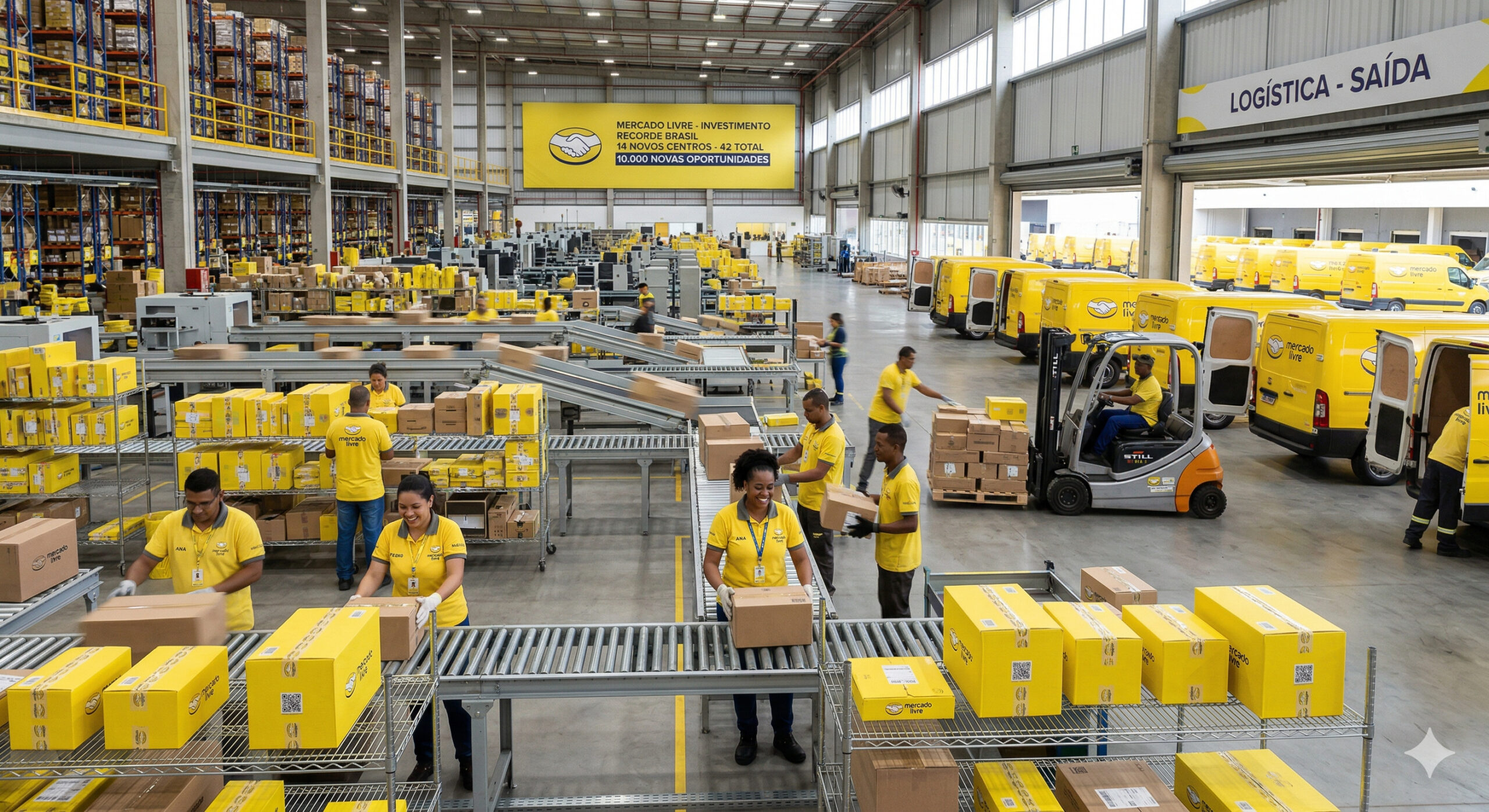
Mercado Livre “opens the vault” and announces a record investment of R$ 57 billion in Brazil in 2026, a value 50% higher than the previous year, with an expansion plan that includes 14 new logistics centers, totaling 42 units in the country and hiring an additional 10,000 employees.
-
How investment in technology can revolutionize the national economy and enhance industrial gains, according to a study that highlights the direct impact on productivity, innovation, and wealth retention within Brazil.
-
The largest food company on the planet, JBS, has just opened a 4,000 square meter laboratory in Florianópolis to develop customized proteins that modulate muscle mass gain, immune response, and metabolic performance.

-
After nearly 30 bids and competition among industry giants, a Spanish company purchases one of the largest airports in Brazil for almost R$ 3 billion and takes over the management of Galeão in a concession that will last until 2039.


In recent years, Chinese brands have started offering tires at prices significantly below average, facilitated by relatively low import duties, which directly impacted the domestic industry.
The Proposal for Increased Import Tax
Currently, the tax for passenger car tires is 25%, after an increase made in October 2024 — previously, it was 16%.
The National Association of Tire Industries (ANIP) is now requesting that the tariff be raised to 35%, the maximum allowed by the World Trade Organization (WTO).
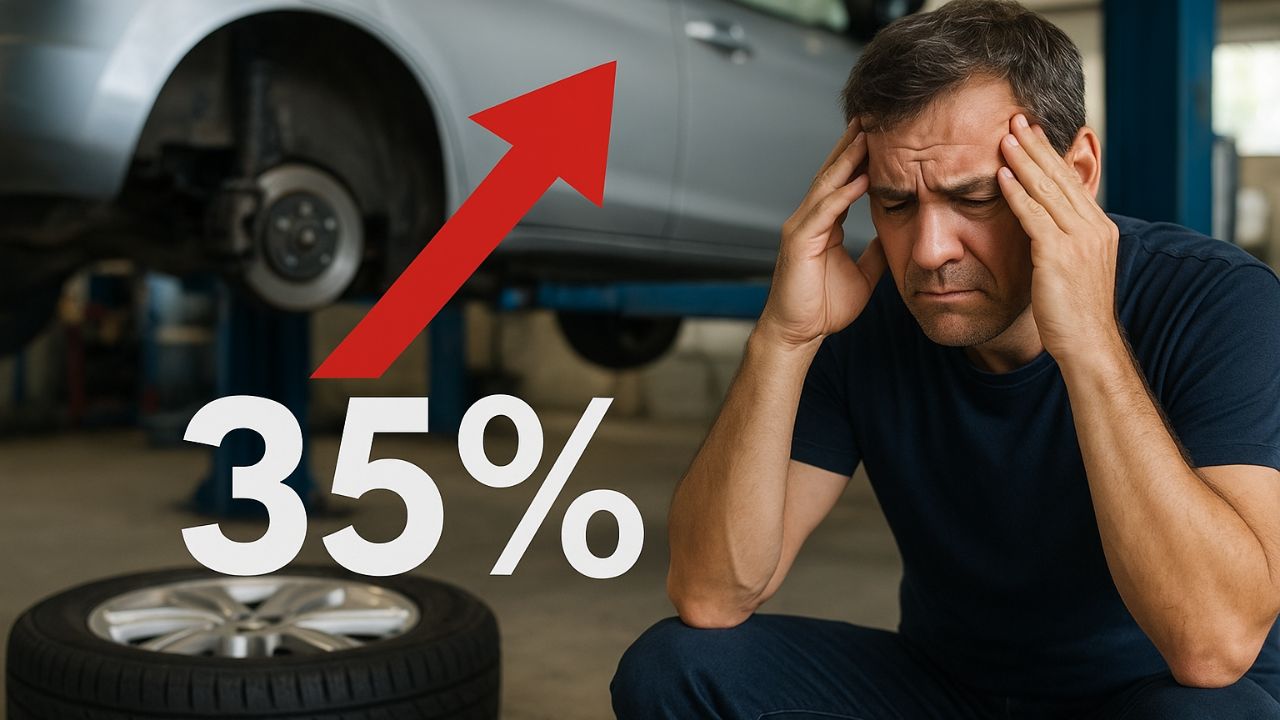
According to ANIP, the measure aims to combat what they consider unfair competition from tires coming from China, Vietnam, India, and Malaysia.
Risks and Criticisms of Tariff Increases
On the other hand, the Brazilian Association of Tire Importers and Distributors (ABIDIP) criticizes the increase as “unjustified and dangerous protectionism.”
The entity warns that higher tariffs could lead to elevated prices for consumers and stimulate the illegal purchase of used or modified tires, compromising road safety.
Additionally, specialists highlight that the tax increase may directly affect drivers seeking quality and durability in imported tires, as foreign products tend to offer superior technology and greater resistance compared to domestic options.
Impacts on Consumers and Market
If the proposal is approved, Brazilian drivers should prepare to pay more for tire replacements.
Moreover, specialized stores and distributors may face reduced sales, while domestic manufacturers could gain market share.
Meanwhile, Gecex has yet to formalize any decision.
The expectation is that the topic will be discussed in the coming days, and the outcome will determine the next steps for the sector and the immediate impact on consumer prices.
The rising prices of imported tires highlight Brazil’s challenge in balancing international competitiveness and protection of the local industry.
For drivers, the recommendation is to plan vehicle maintenance and stay alert to possible changes in taxation, which could significantly alter the cost of foreign tires.










Seja o primeiro a reagir!