





 Portuguese
  English
  Spanish
  4 min of reading
  1 comment


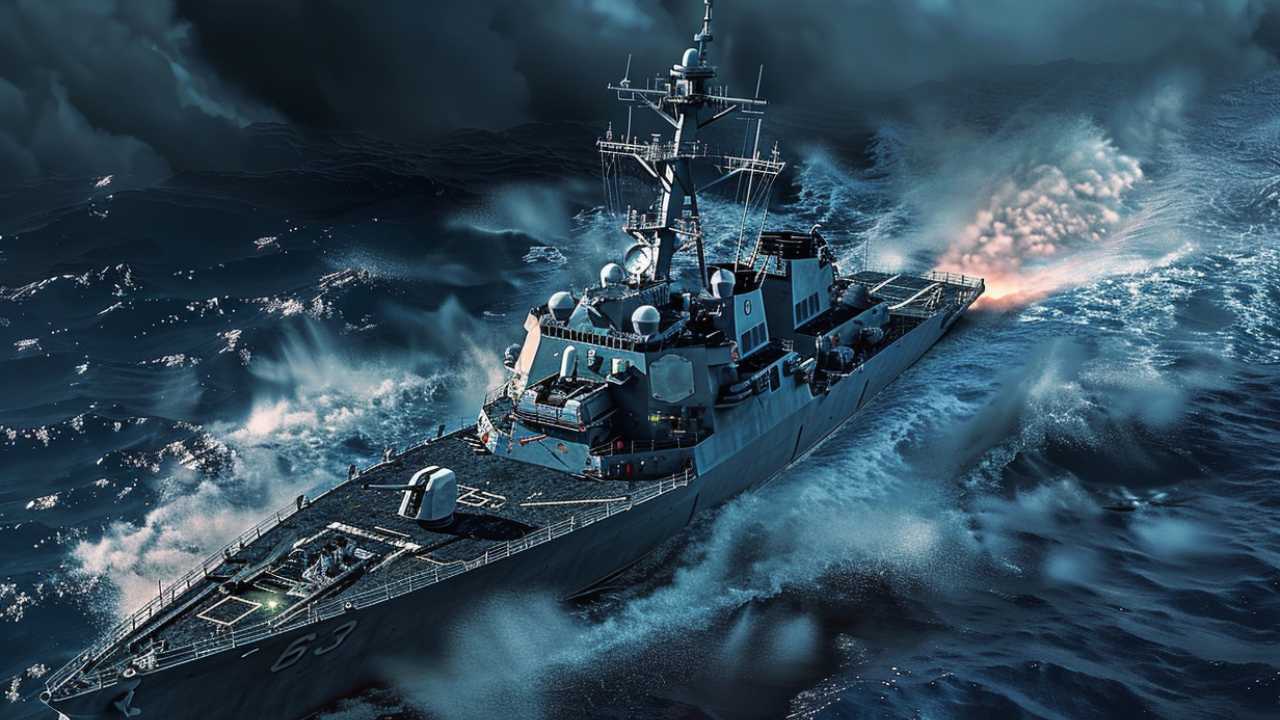


Equipped With State-of-the-Art Weapon Systems and Cutting-Edge Technology, the United States Navy Destroyer Displays an Impressive Capability for Combat and Defense in Global Operations. Learn the Differences Between Frigate, Destroyer, and Cruiser
The Destroyer, one of the main warships of the United States Navy, stands out for its complexity and strategic effectiveness. Central to its operations is the command bridge, which offers a panoramic view and operates 24 hours a day, essential for command and control during critical missions.
The Destroyer has formidable offensive capabilities, including about 90 missiles in its vertical launch system and a Mark 45 gun for close defense. Additionally, the ship is equipped with Harpoon anti-ship missiles and anti-submarine torpedoes, significantly enhancing its attack and defense capabilities.
Engine of the United States Navy Destroyer


The United States Navy Destroyer not only boasts advanced armament capabilities but also stands out for its exceptional engine configuration. Equipped with four General Electric 2500 gas turbines, the ship is an example of modern engineering that combines efficiency and raw power. These turbines generate an impressive total of 100,000 horsepower, a propulsive force that allows the Destroyer to reach speeds exceeding 30 knots (approximately 56 km/h), essential for quick maneuvers in combat operations or to promptly respond to emergency situations at sea.
-
Historic bankruptcy of Centauro shocks the market, and the century-old company puts more than 500,000 products, machines, and complete infrastructure up for online auction.

-
New shoe factory in Ceará is expected to create 400 jobs and strengthen the local economy.

-
No one imagined it, but a mixture of sawdust with a mineral that fights fires surprises scientists with a result that changes the course of fire-resistant construction.

-
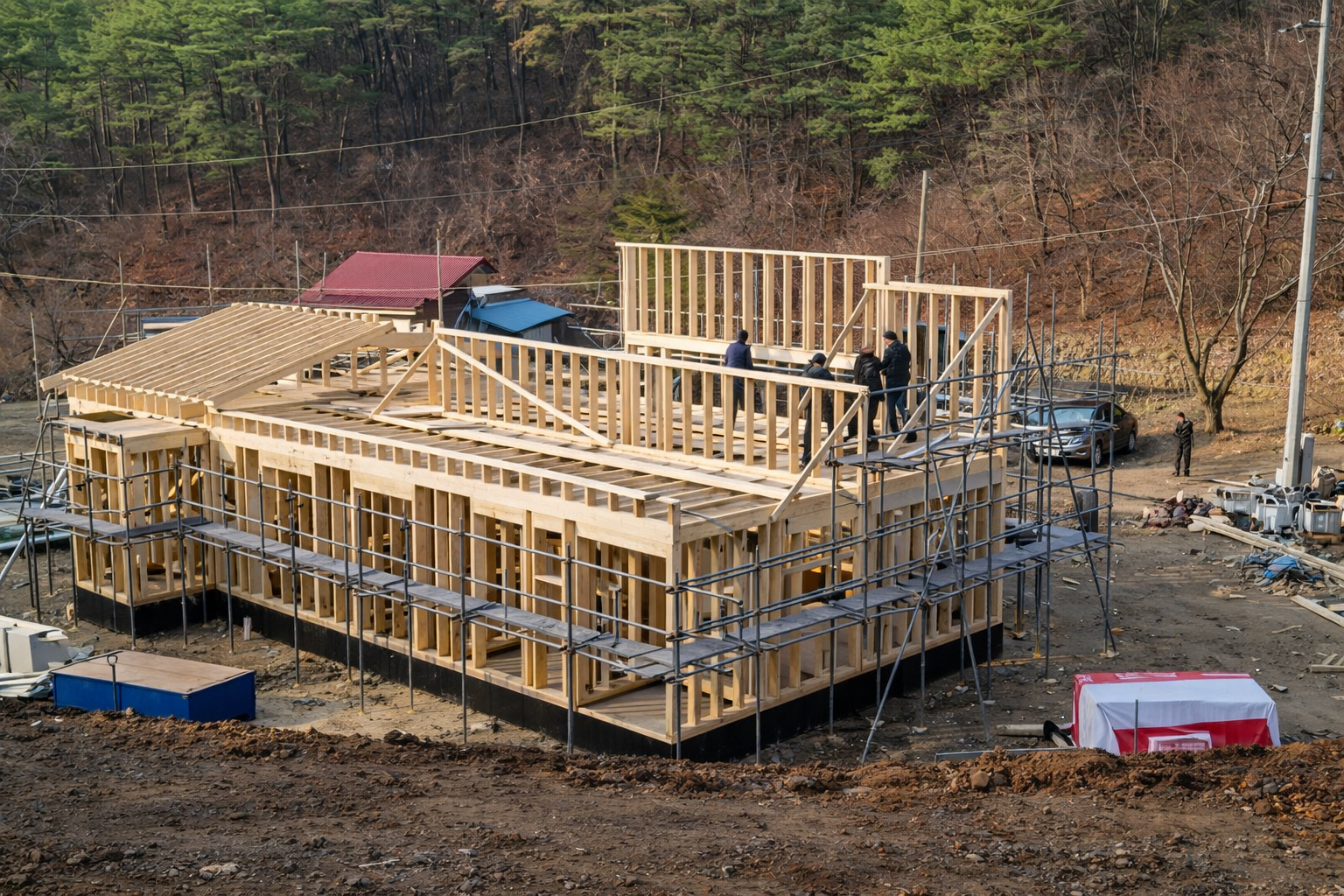
From empty land to a high-end house, wooden construction uses a lightweight system, metal structure for the foundation, ventilated ceramic cladding, and special windows to create an efficient and comfortable living space throughout the year.

In addition to speed, the configuration of the gas turbines allows for quieter and more efficient operation, crucial for missions that require stealth. The arrangement of the engines and the design of the propulsion system are carefully planned to reduce the ship’s thermal and radar signatures, making it less detectable by enemy threats. This feature is vital for operations in high-risk areas, where concealment can determine the success or failure of a mission.
The engines are connected to large gears that drive the twin shaft propellers, providing not only effective propulsion but also allowing for precise and rapid maneuvers. The system enables the Destroyer to engage reverse thrusters to quickly reduce speed or effectively adjust its course through the movement of the rudders, which alter the ship’s direction by slightly changing its orientation and drift angle.
Combat Capabilities
For close-range combat, the Destroyer employs weapon systems such as the CIWS (Close-In Weapon System) and an integrated radar and electro-optical system, providing robust defense against missiles and aircraft. Additionally, the ship utilizes a sophisticated ammunition handling system that allows for efficient operation of its armament, capable of firing up to 16 rounds per minute.
Complementing its combat capabilities, the United States Navy ship also serves as a platform for operations of Seahawk helicopters, which can be armed with Hellfire missiles and torpedoes, further expanding the reach of its operations.
Frigate, Destroyer, and Cruiser
The Frigate is generally smaller and lighter compared to its heavier counterparts. It is designed for escorting and protecting other ships in closer waters and for carrying out patrol missions. In terms of armament, frigates are equipped to deal with underwater and aerial threats but with less emphasis on heavy surface attack systems. Being smaller, they also have less sophisticated electronic systems compared to Destroyers and Cruisers. Their speed and agility make them ideal platforms for interdiction and rescue operations.
The Destroyer is significantly more robust than the frigate. It is designed to offer a powerful combination of offensive and defensive capabilities. Equipped with advanced weapon systems such as guided missiles, guns, and torpedoes, the Destroyer can engage targets in the air, on the surface, and underwater. Furthermore, it plays a crucial role in protecting aircraft carriers and strike groups, given its ability to perform operations both in deep waters and coastal regions. Destroyers are essential for missions that require stealth and rapid attack, thanks to their concealment and speed capabilities.
The Cruiser is the largest and heaviest among the three types of ships, playing an essential role as the fleet’s “shield.” Its main function is to serve as command and control for large-scale combat operations. Cruisers are equipped with a comprehensive range of weapon systems that surpass those of Destroyers, including advanced air defense and ballistic missile capabilities. They are designed to provide defense against high-level threats and to support integrated operations with other fleet elements. Their presence is vital for the stability and effectiveness of naval power in strategic areas around the world. The United States Navy currently has 22 cruisers.








Gostei da explicação sobre a diferença de cada navio