





 Portuguese
  English
  Spanish
  2 min of reading
  0 comments


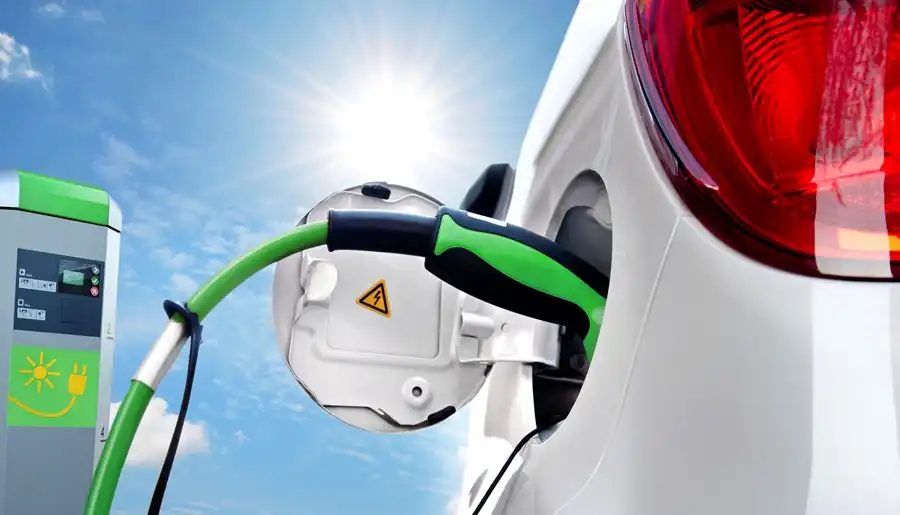
New Measures Favor Fossil Fuels, Says ABVE
The Brazilian Electric Vehicle Association (ABVE) expressed deep disappointment with the new Import Tax policy for electric and hybrid vehicles announced by Gecex/Camex. The measure, disclosed on November 10th, is seen as a significant setback for the advancement of sustainable transportation in Brazil.
This policy, according to ABVE, directly favors vehicles powered by fossil fuels. In the short term, these vehicles will receive benefits, while, in the medium term, companies wishing to invest in the manufacturing of electric and hybrid vehicles in the country will face uncertainties. The decision also affects companies that are already planning local production of these technologies.
ABVE Criticism of Government Decisions
Ricardo Bastos, president of ABVE, criticized the new measures, claiming that they favor interest groups linked to fossil fuels, at the expense of the needs of consumers and Brazilian society. According to him, the measures go against the trend of adopting modern and environmentally friendly transportation.
-
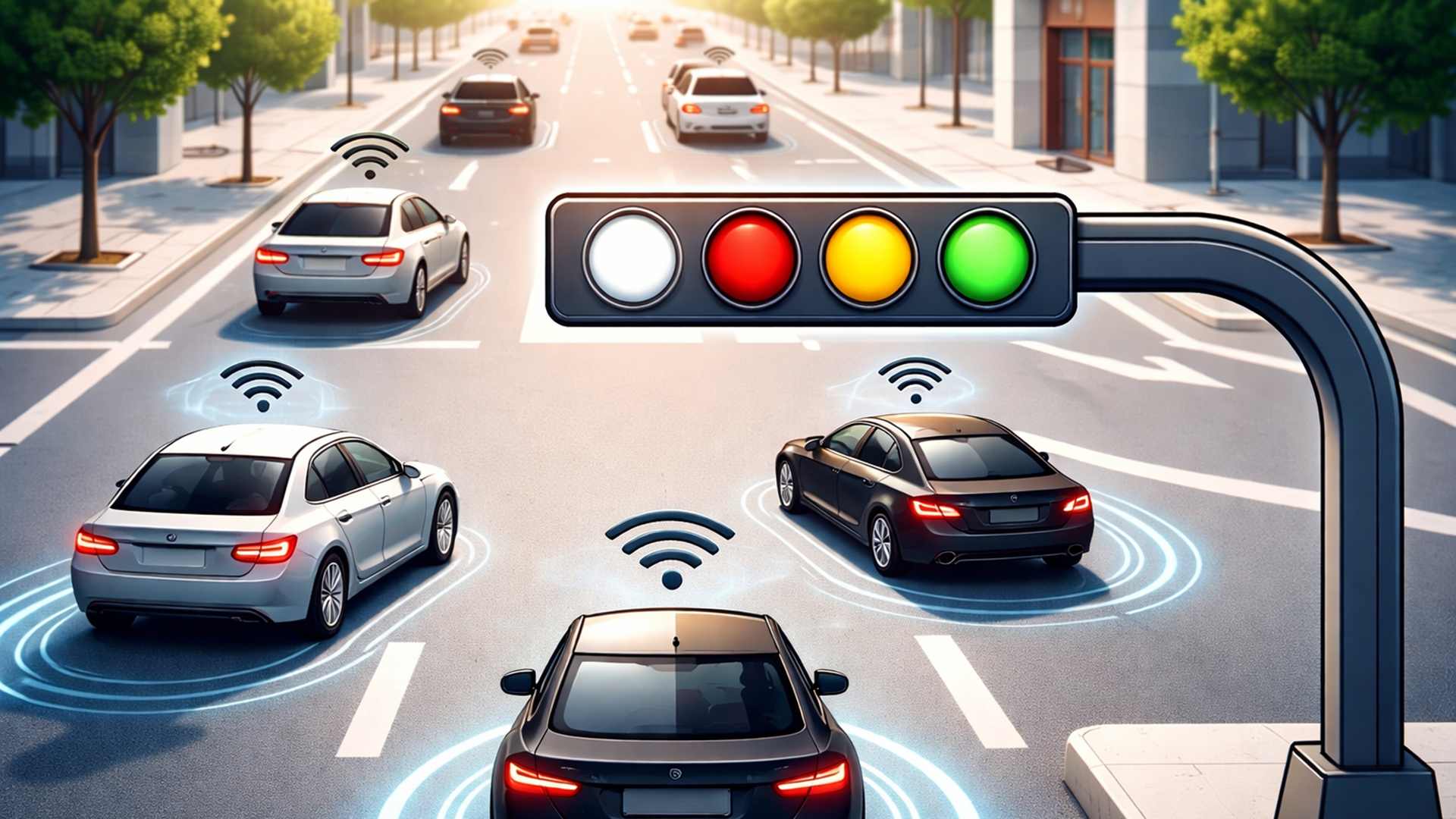
Engineers propose a fourth traffic light for intersections – the change promises to affect crossings, queues, and waiting times.
-
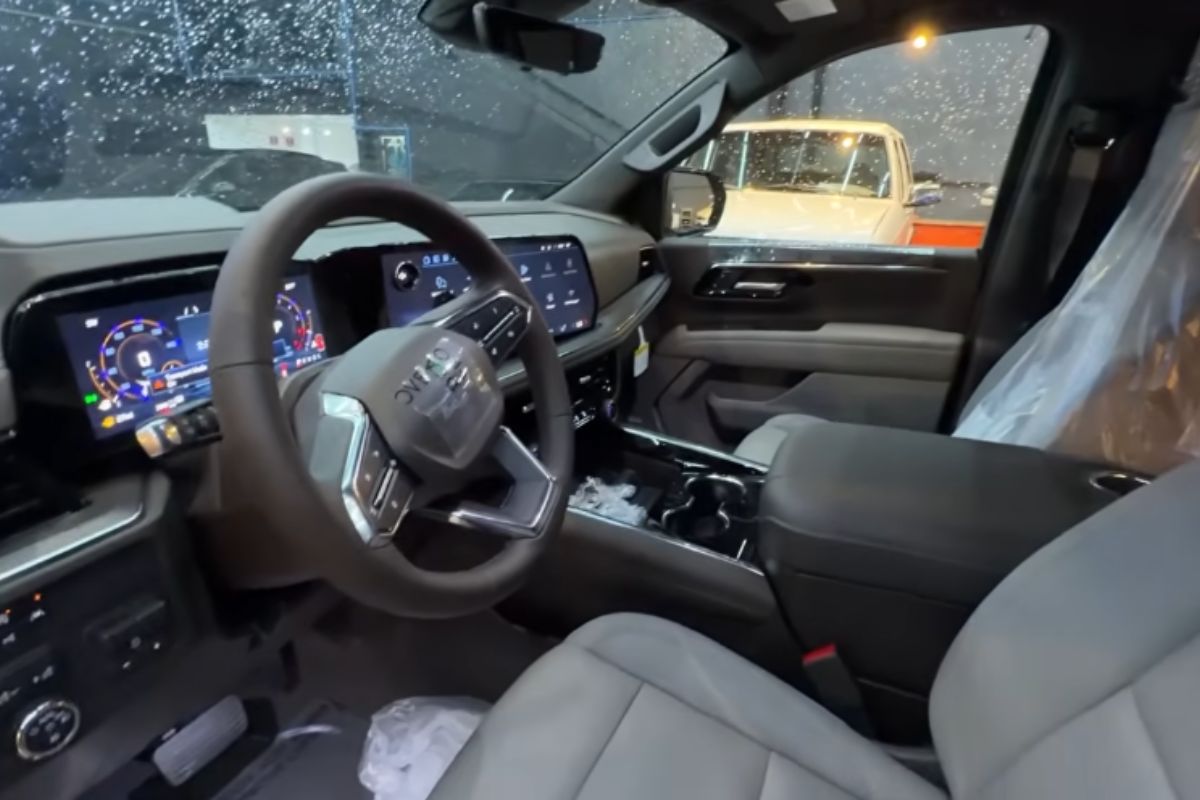
Chevrolet Suburban Z71 lands in Brazil with a V8 engine, off-road design, air suspension, seven seats, and colossal size, a rare version imported for around R$ 1.3 million with luxury and exclusivity.
-
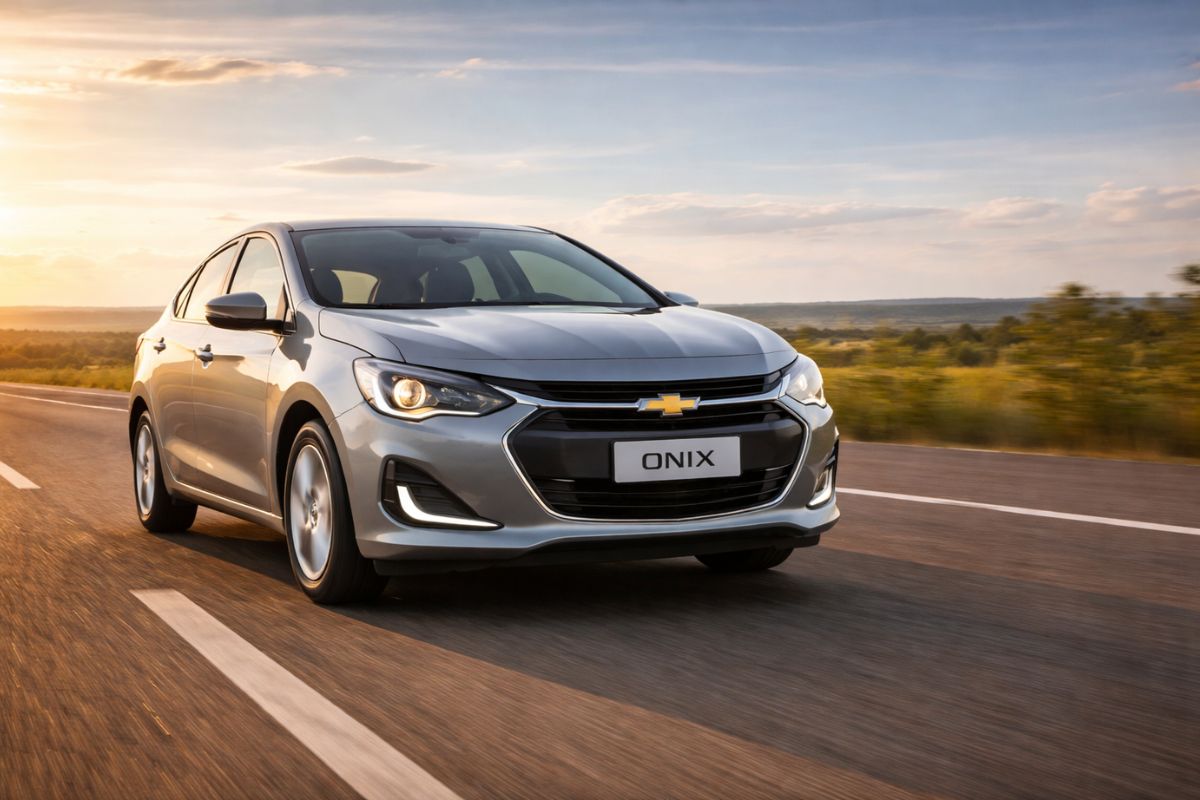
The Chevrolet Onix 1.0 turbo achieves 17.7 km per liter on the highway and ranks among the three most economical cars in Brazil in 2026, alongside two more expensive Toyota hybrids available at dealerships.
-
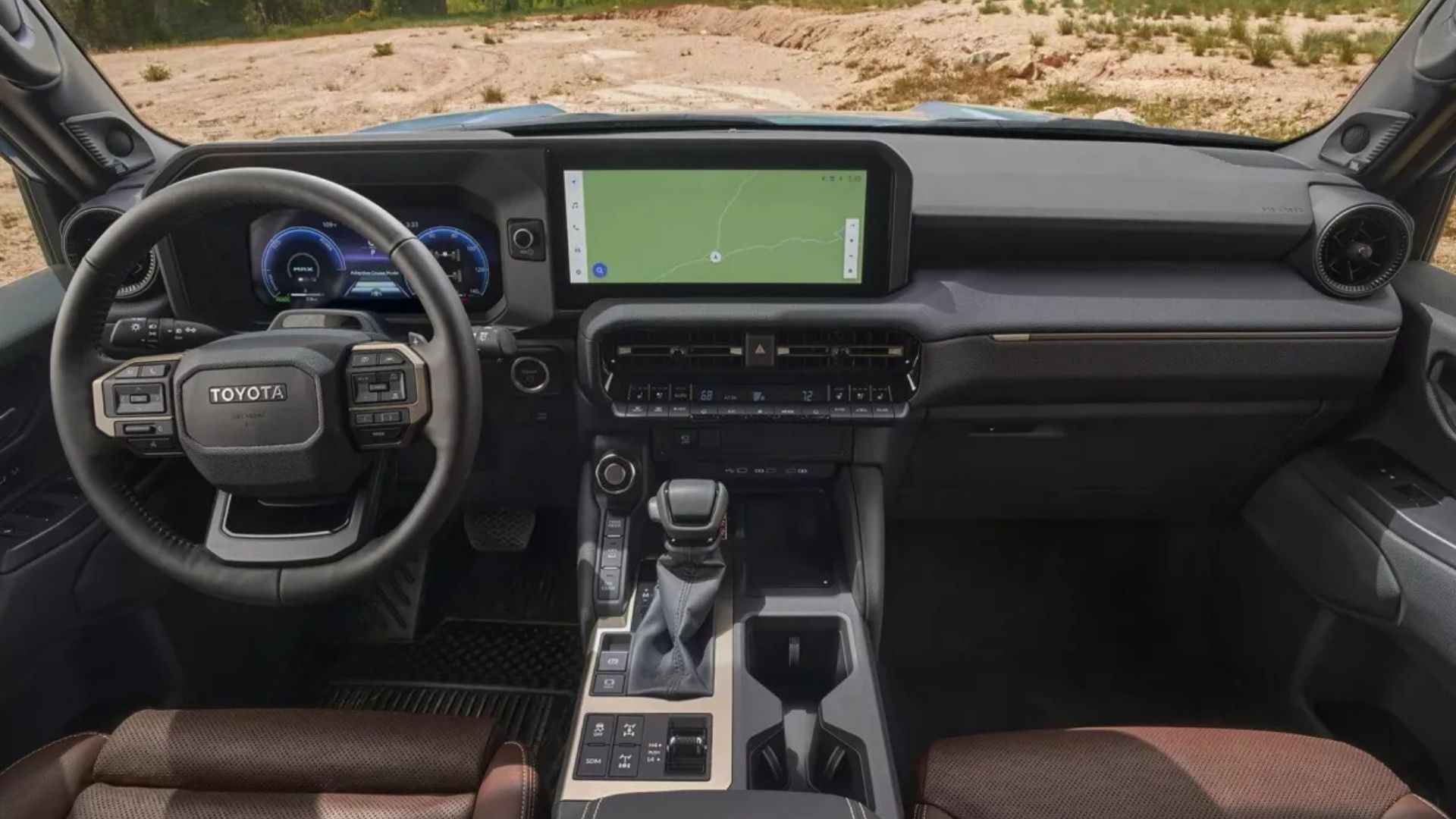
Little sister of the Hilux: Toyota launches Land Cruiser FJ with 4 radical versions, 2.7 engine with 166 hp and 4×4 traction with locking.

Furthermore, the federal government’s decision was classified as premature, having been announced before the definition of Brazil’s future automotive policy. The lack of clear guidelines and the unpredictability of the rules for the new automotive regime are points of concern for investors and companies in the sector.
Impact on the Market and Technological Innovation
The consequences of the new policies include rising prices for electric and hybrid vehicles in Brazil and a possible slowdown in investment decisions. Companies that relied on stable rules to produce electric vehicles in Brazil now face an uncertain scenario.
ABVE also criticizes the import quotas established by the government, considering them insufficient in light of investment plans in electromobility in the country. These quotas are seen as penalties against low-emission technologies and a move contrary to global trends in automotive industry electrification.
ABVE anticipates a new record in sales of electric and hybrid vehicles in Brazil in 2023, with approximately 80,000 registrations. However, the association does not guarantee that this growth will be maintained starting in 2024, given the new government measures.
In summary, while ABVE does not oppose an import policy that encourages local production, the entity emphasizes that the current proposals, with short timelines for increasing rates and limited quotas, may discourage companies committed to the local production of low-emission vehicles. This could harm job creation and the technological renewal needed in the Brazilian automotive industry.
Source: Aryane Costa – sistemas@comuniquese6.









Seja o primeiro a reagir!