





 Portuguese
  English
  Spanish
 4 min of reading
  0 comments


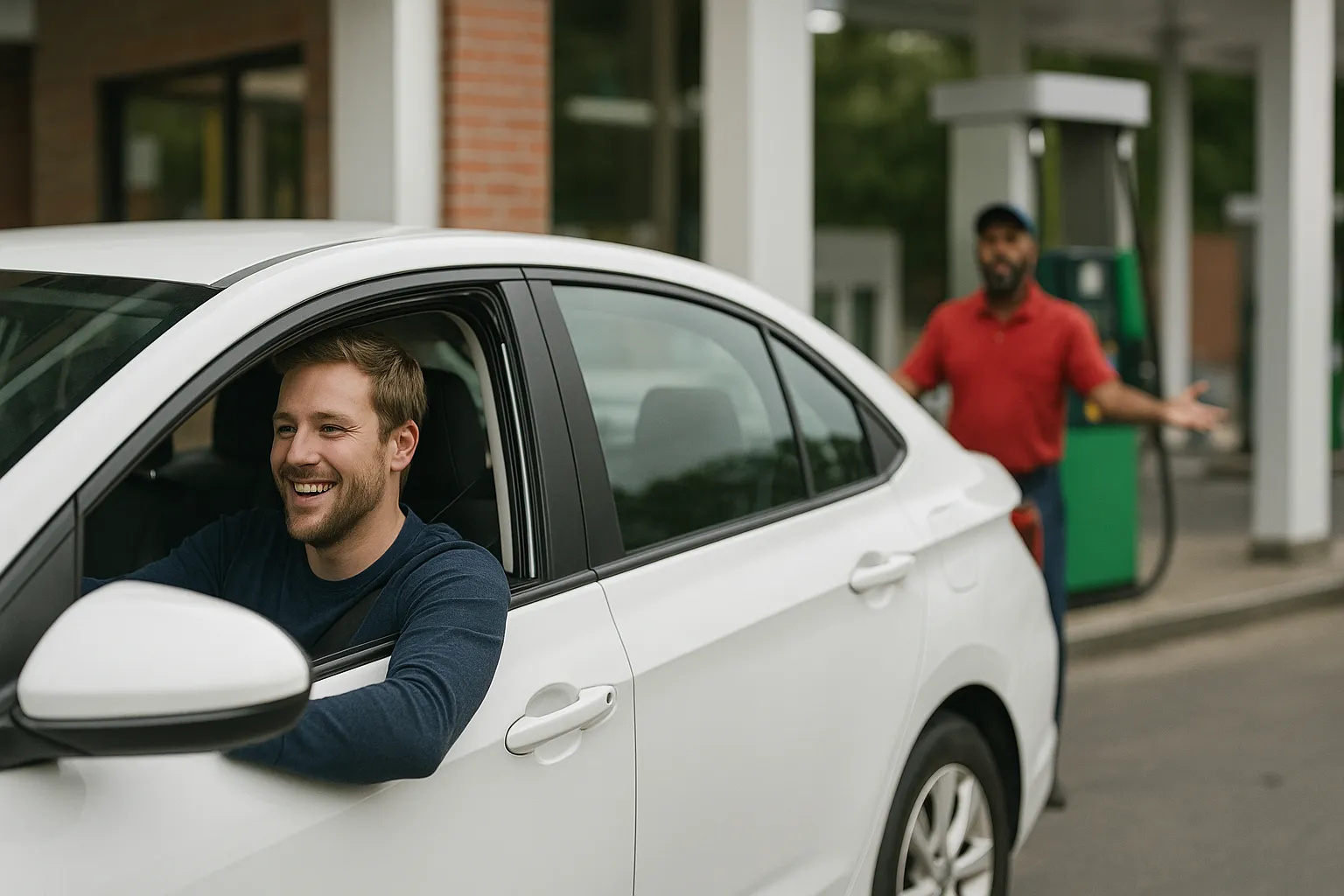
Have you heard of drivers who can achieve averages of 15 km/l in the city with cars like Polo, HB20, and Onix? For many, this seems like an urban myth, but with the right care, it is totally possible. Data on urban consumption released by INMETRO, in the Brazilian Vehicle Labeling Program (PBEV), confirms that these models can reach numbers very close to that under ideal conditions. The question is: how much are you, as a driver, willing to adjust your habits?
Averages of 15 km/l: The Role of the Driver
According to the Society of Automotive Engineers (SAE Brasil), up to 30% of a car’s fuel consumption directly depends on the driving style. This means that Polo, HB20, or Onix, which are already factory-optimized for efficiency, can perform very differently in the hands of distinct drivers. Smooth driving, regular maintenance, and good practices on the road are determining factors for approaching 15 km/l.
The Impact of Air Conditioning
According to Revista Quatro Rodas (2023), using air conditioning at low speeds can increase fuel consumption by up to 20%. In short urban stretches, the recommendation is to ventilate the car naturally and only turn on the air conditioning in situations of intense heat and constant movement. It’s a detail that makes a difference, as the compressor draws energy directly from the engine.
-
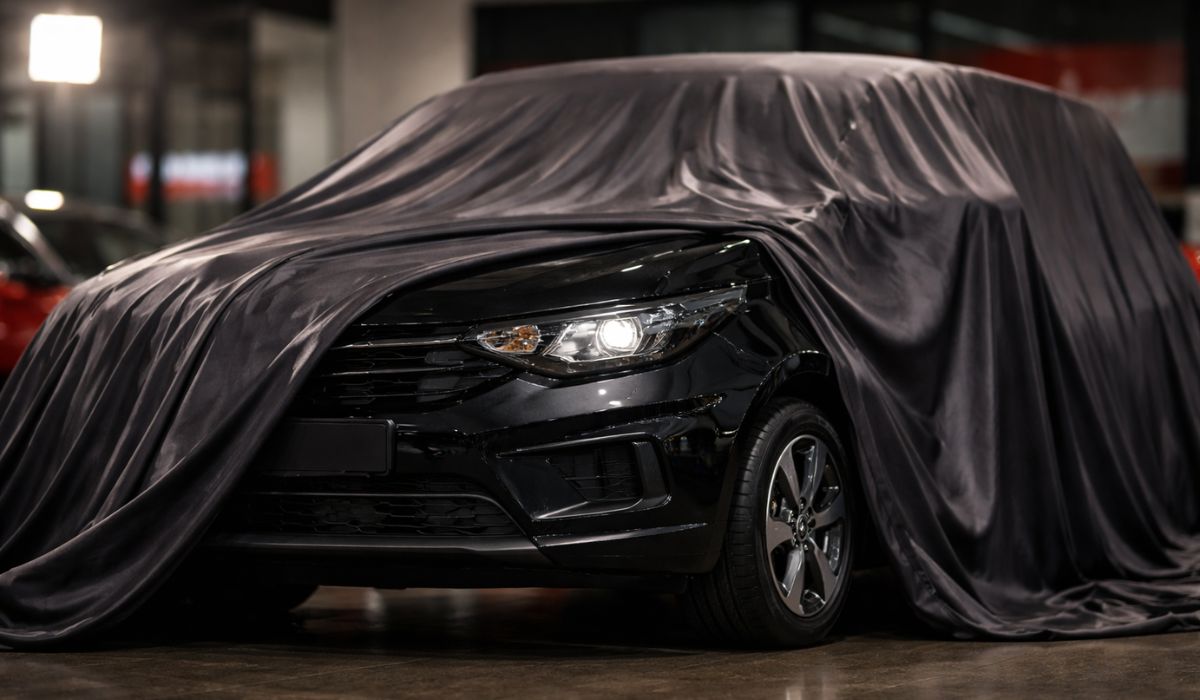
The car stored for 38 years: when opening the barn door, what appears is breathtaking and looks like a scene from a movie!

-
Fiat works miracles in the Brazilian market, lowers the price of its 0 km hatch to R$ 69,990, reestablishes the model as the cheapest car in the country, and reignites the battle against Kwid and C3.
-
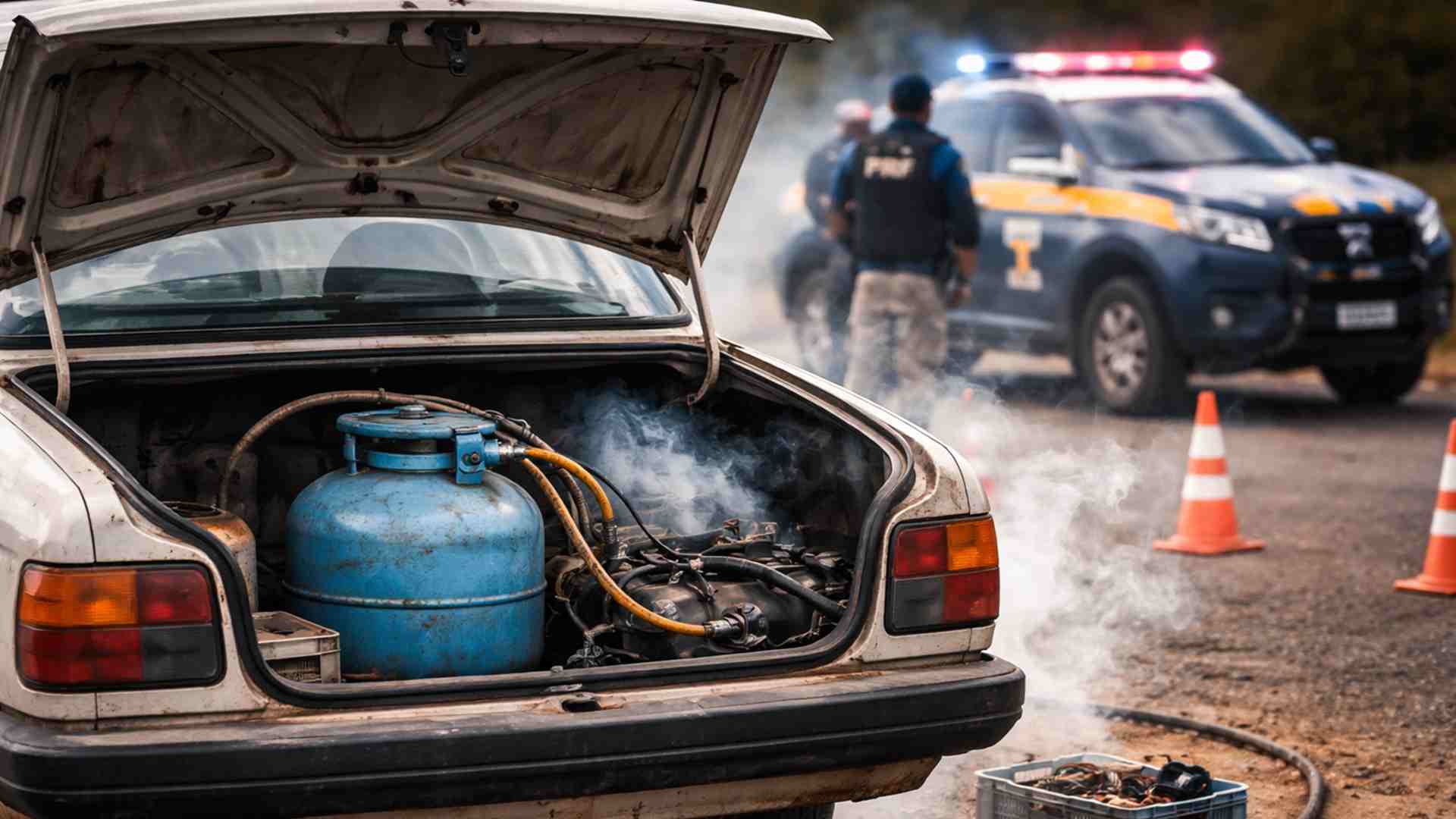
Chevette with cooking gas: How the gas cylinder ends up being used in cars clandestinely and why this makeshift solution can result in leaks, explosions, damaged engines, and seized vehicles.
-
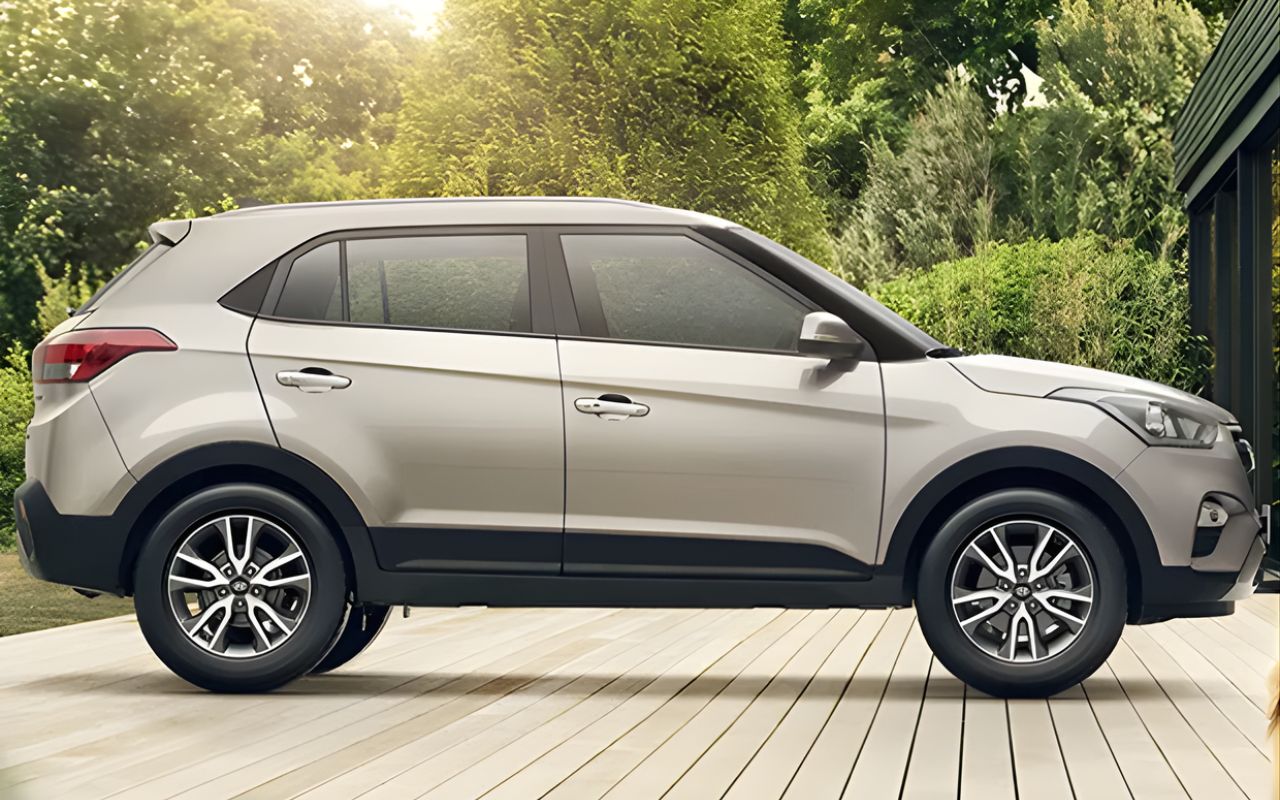
Fiat launches the new 2027 Toro hybrid with 48V, 176 hp, an electric motor of 15.5 hp, a 0.85 kWh battery, up to 7% fuel savings, 8% fewer emissions, and possible exemption from IPVA.

Maintenance and Tire Pressure: Details That Save Fuel
The National Department of Transit (DENATRAN) warns that under-inflated tires can increase fuel consumption by up to 8%. The Mauá Institute of Technology reinforces that clean air filters and good-condition spark plugs can save up to 10% of fuel. In other words, a simple trip to the gas station to regularly inflate tires can represent hundreds of reais saved by the end of the year.
Gear Shifts and Driving Style
Consumption tests from Autoesporte (2024) show that, in manual versions, keeping the RPM between 2,000 and 2,500 is the point of highest efficiency. In automatics, using eco mode and smooth acceleration allows Polo, HB20, and Onix to achieve urban averages well above the national average, which currently stands at around 11 km/l for 1.0 cars, according to the ANP (National Agency of Petroleum, Natural Gas and Biofuels).
Fuel Quality
The ANP also highlights that adulterated gasoline not only increases consumption by up to 15% but also accelerates engine wear. Refueling at reliable stations with recognized brands is a basic rule for any driver seeking efficiency. Reports published by the portal AutoPapo, by Boris Feldman, confirm that changing gas stations can alter the average by more than 1 km/l.
How Each Model Performs in Urban Traffic
The three best-selling models have their particularities. The Polo, with a 1.0 TSI engine, delivers torque at low RPMs and stands out in accelerations. The HB20 relies on lightness and the Kappa aspirated engine, which responds well in short trips. Meanwhile, the Onix combines intermediate weight with praised engine management electronics in tests by Quatro Rodas and Motor1 Brazil. All are capable of averages close to 15 km/l, but require adjustments in driving to achieve that.
Weight and Technology
Official data from manufacturers shows that the HB20 is the lightest, at about 1,050 kg, while Polo and Onix weigh between 1,100 and 1,150 kg. This factor, combined with technologies such as turbo and Start-Stop, helps explain the difference in behavior regarding urban fuel consumption.
The Traffic Factor
A study by IPEA (Institute of Applied Economic Research) indicates that drivers in Brazilian capitals spend an average of 35 days a year stuck in traffic. In stop-and-go situations, even the most economical models struggle. Planning routes with navigation apps can reduce fuel consumption by up to 10%, according to urban mobility specialists.
Extra Strategies to Reach 15 km/l
If your goal is to approach the magical mark of 15 km/l, adopting certain habits can help:
- Avoid Unnecessary Weight: According to Quatro Rodas, every extra 50 kg can increase consumption by up to 2%.
- Use Monitoring Apps: Apps like Drivvo and Fuelio help identify waste patterns.
- Take Advantage of Car Features: Start-Stop systems and Eco modes are designed specifically to optimize urban consumption.
- Timely Maintenance: Ensure that the car always operates under ideal conditions, without additional strain.
Simulations published by Exame (2023) showed that combining these practices can reduce annual fuel expenses by up to R$ 1,200 for drivers who cover 12,000 km/year.
Is It Worth Seeking Averages of 15 km/l?
Achieving averages of 15 km/l in the city is possible, but it requires discipline and adaptation. More than just numbers on the dashboard, these practices mean real savings, lower emissions, and increased vehicle longevity. And even if you don’t reach the exact figure, any improvement brings financial and environmental benefits. Polo, HB20, and Onix are ready to deliver much more than you imagine — you just need to know how to drive.







Seja o primeiro a reagir!