





 Portuguese
  English
  Spanish
  3 min of reading
  0 comments


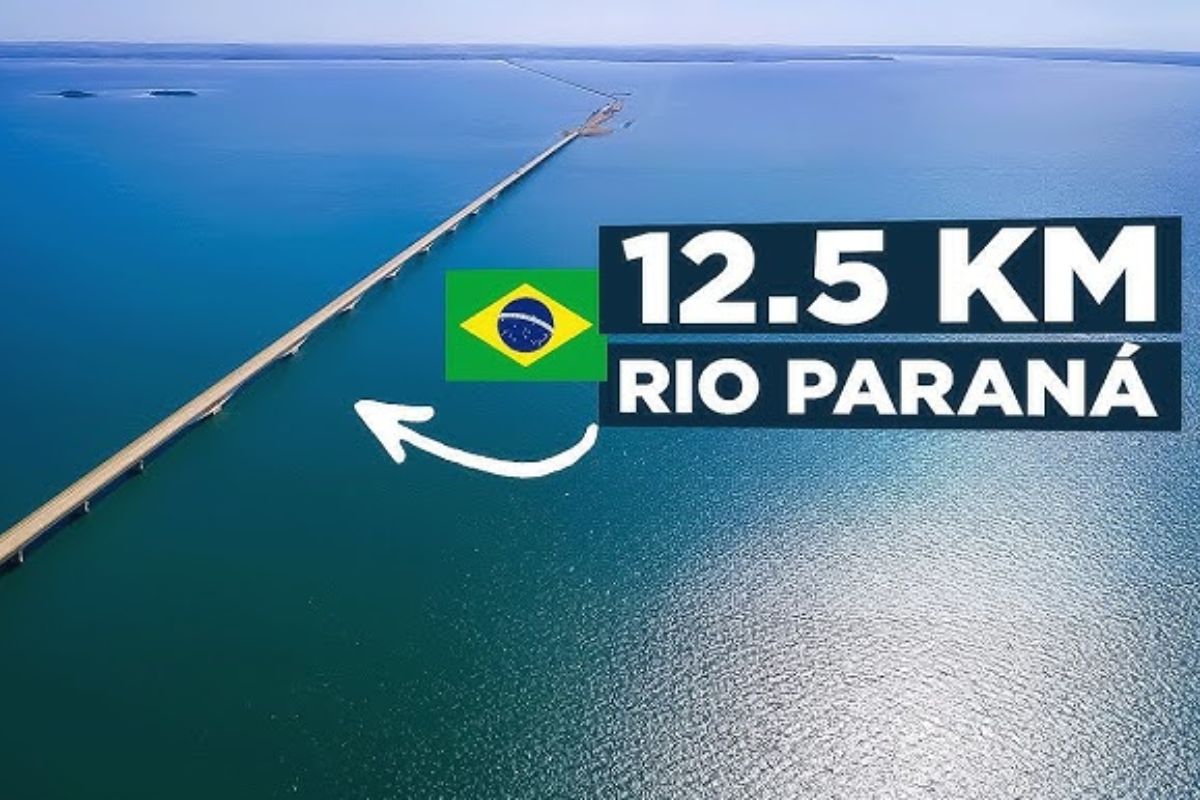
After R$ 6 Million Reform, The Ayrton Senna Bridge Gained New Pavement, Signage, and Drainage to Support the Increasing Flow on BR-163 Between Paraná and Mato Grosso do Sul.
The Ayrton Senna Bridge is a vital link over the Paraná River, connecting Guaíra (PR) to Mundo Novo (MS) via BR-163. With 3,607 meters in length and 98 pillars, the structure is a landmark of engineering and logistics in the Central-South region of the country.
Inaugurated in 1998, the Ayrton Senna Bridge has returned to the spotlight with the recent R$ 6 million revitalization, which included new asphalt, horizontal and vertical signage, drainage improvements, and security reinforcements. The results are already visible in traffic: up to 15,000 vehicles per day cross the bridge during peak periods, consolidating its role in cargo flow and regional mobility.
Where It Is and Why It Is Strategic
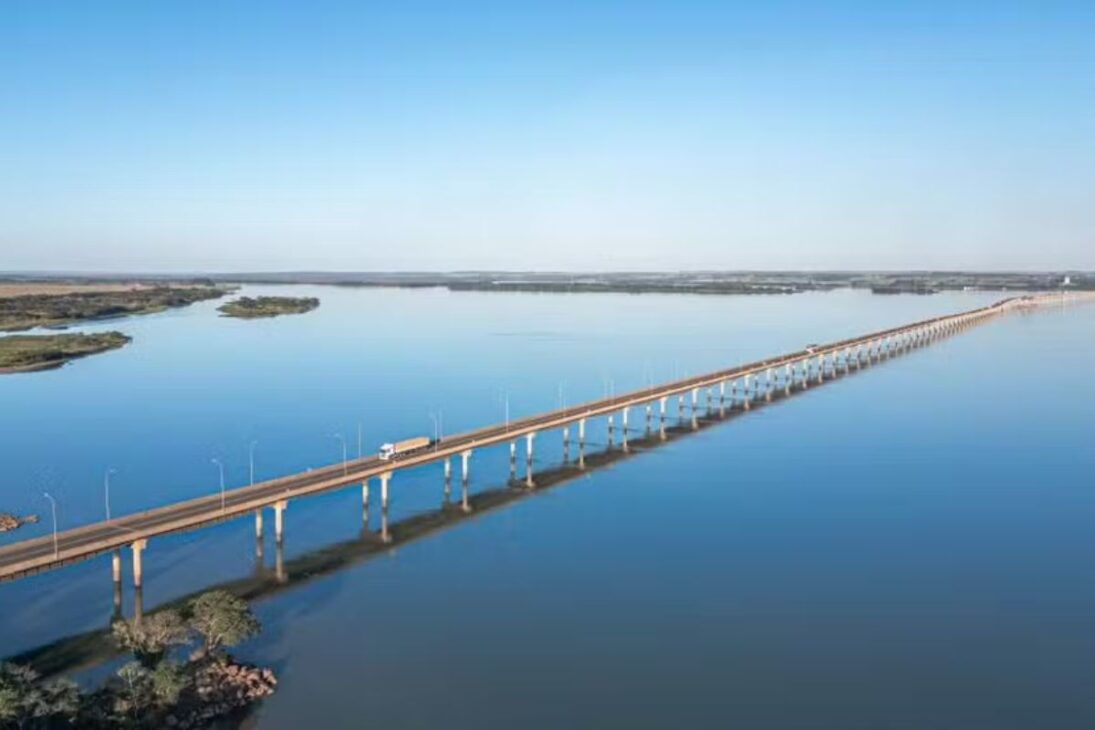
Located on BR-163, the Ayrton Senna Bridge integrates producing hubs in the Midwest with routes from the South, shortening travel times and reducing logistical bottlenecks.
-
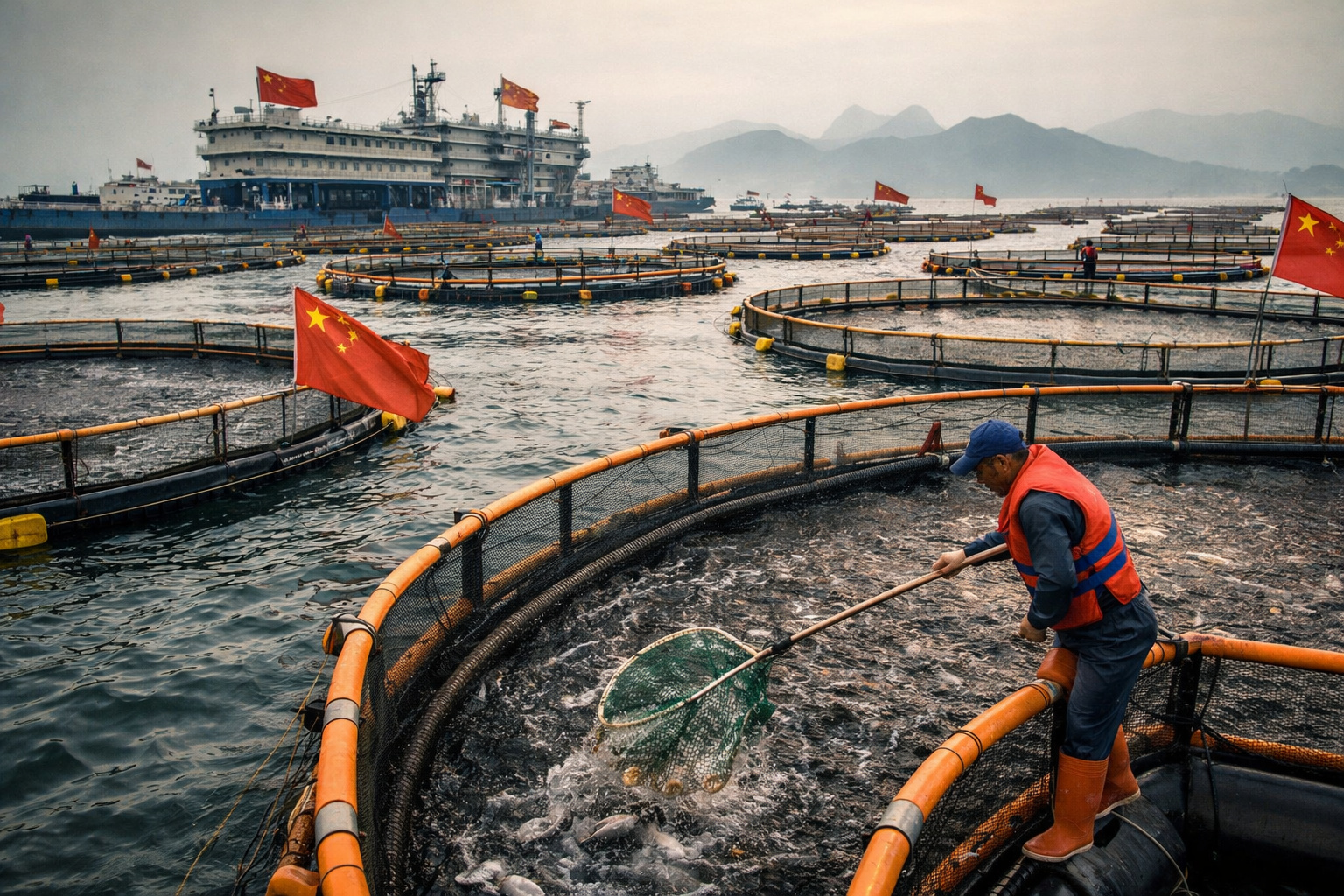
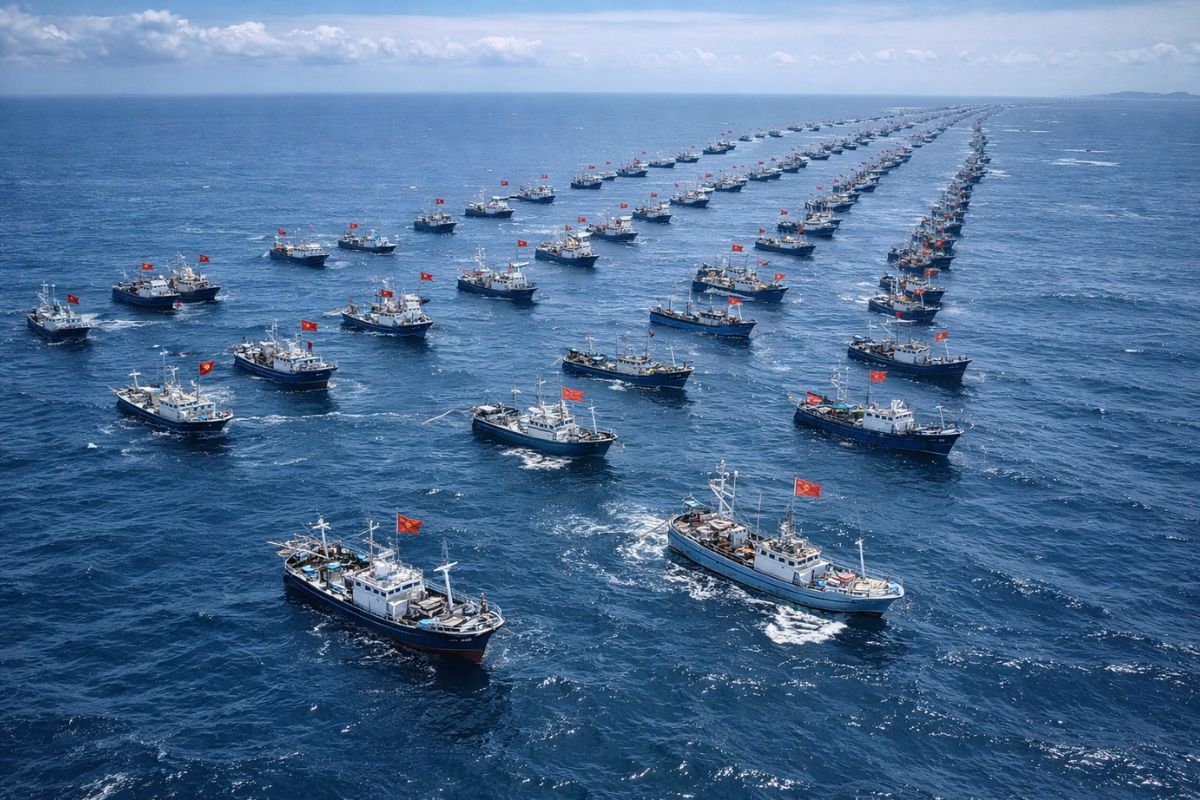
Neither Brazil nor the USA: China produces over 60% of the world’s farmed fish and accounts for about 40% of all global seafood, using industrial-scale aquaculture megafarms to influence the international market and supply billions of people.
-
Archaeologists opened the only Etruscan chamber never looted in 2,600 years and found four individuals lying on stone beds with 110 intact objects around them, and the inscriptions found in the tomb have not yet been deciphered because the Etruscan language is a mystery that science has not yet solved.

-
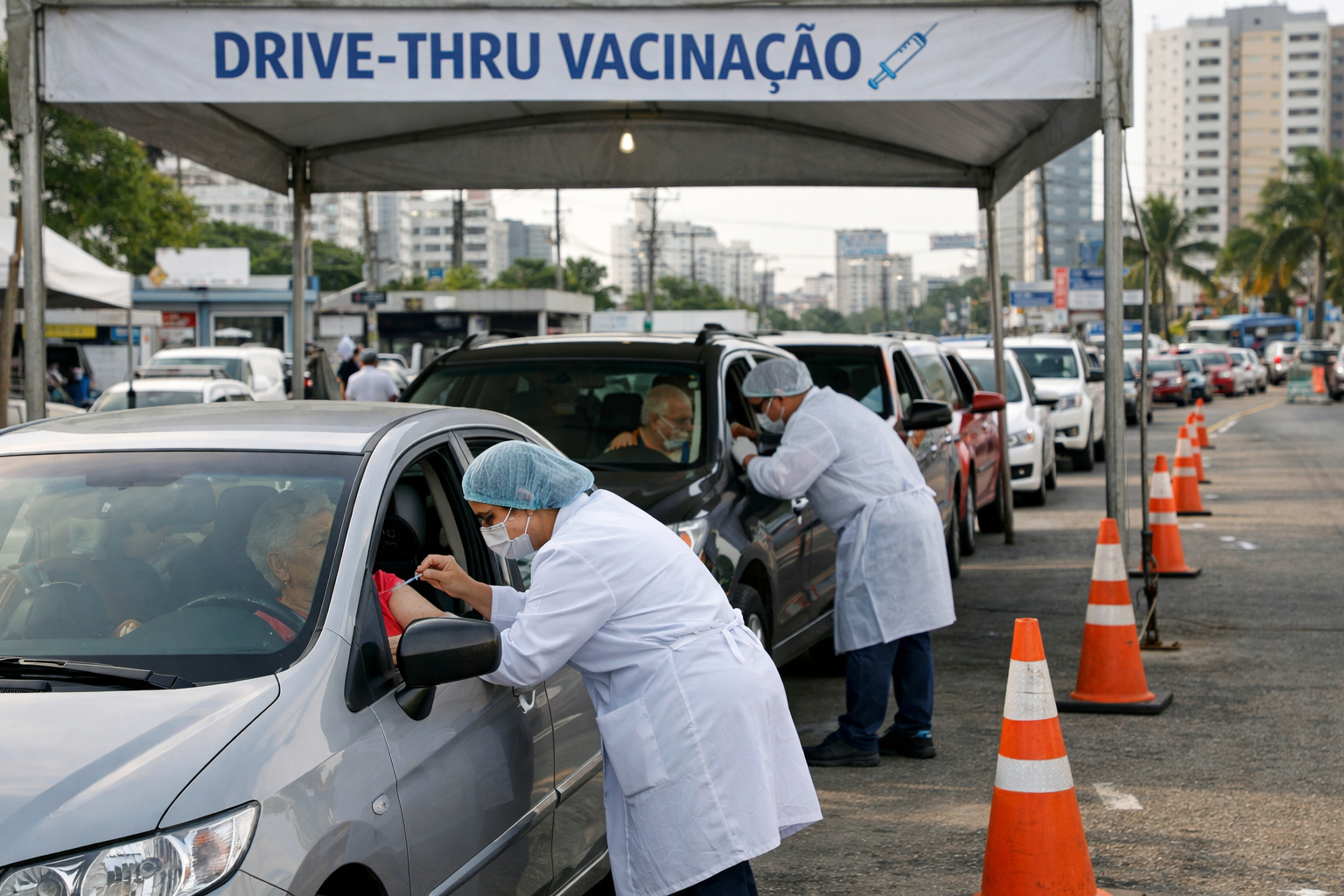
Health issues urgent alert for flu and calls for the vaccination of the elderly, children, and pregnant women this Saturday with Day D and drive-thru in Curitiba.
-
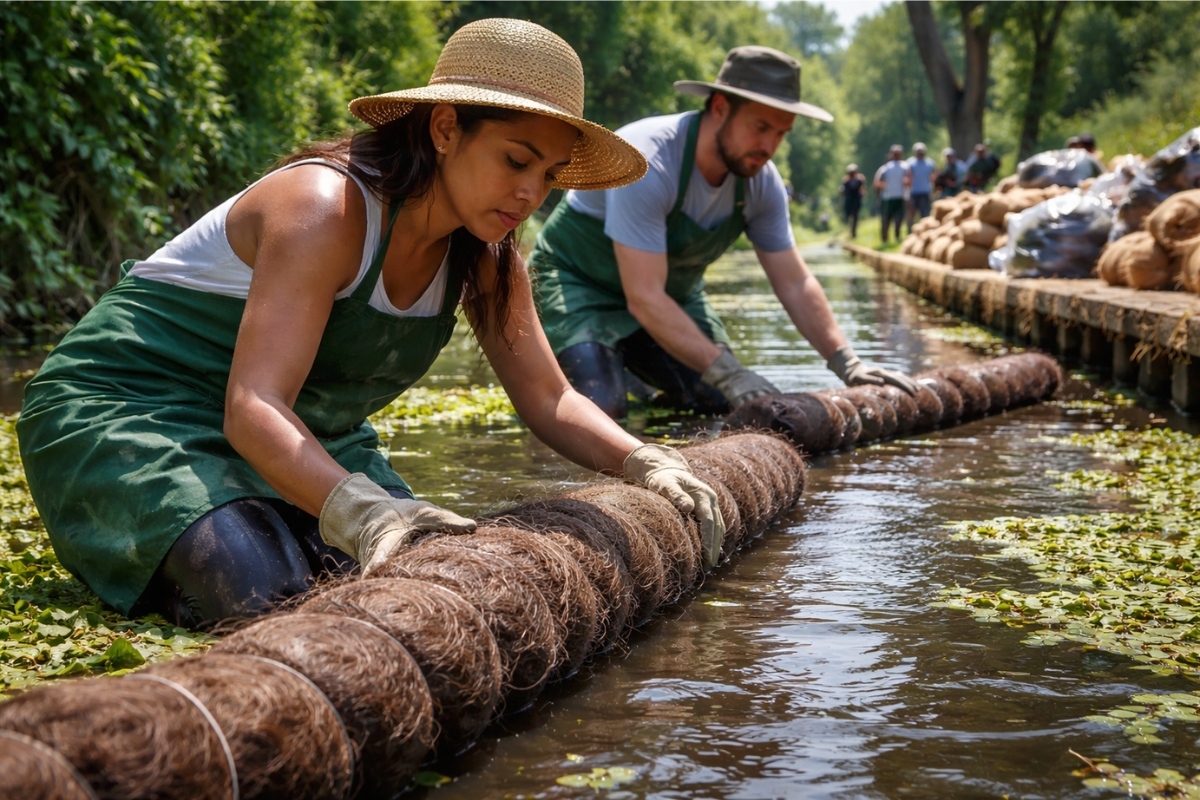
What seemed like waste has turned into a barrier, and now human hair collected from salons helps retain debris in the water of ancestral channels in Latin America.

The crossing definitively replaced the historical dependence on ferries and made the corridor more predictable for cargo and passengers.
The geographical position also boosts cross-border trade and regional tourism.
For trucks carrying grains, meats, and supplies, the crossing provides a continuous and structured alternative, with economies of scale for transporters and shippers.
Numbers That Explain The Relevance
The Ayrton Senna Bridge spans 3,607 meters supported by 98 pillars, a dimension that places it among the largest river crossings in the country.
This scale allows for maintaining a high flow securely, provided that preventive maintenance follows a strict schedule.
With up to 15,000 vehicles/day after the renovations, the traffic profile is dominated by heavy vehicles, demanding efficient lane management, enforcement, and signage.
The lower the variability of pavement and drainage, the lesser the risk of incidents and disruptions during rainy periods.
What The R$ 6 Million Revitalization Delivered
The recent intervention on the Ayrton Senna Bridge included pavement recovery, painting of lanes and replacement of signs, as well as expansion of drainage measures that increase grip, visibility, and durability of the section.
It also included improvements in lighting on the Paraná side, raising nighttime safety standards.
From an operational perspective, regular pavement and clear signage reduce abrupt braking and prevent the formation of queues on the deck, a critical point when there is a high volume of trucks.
Each minute less stopped on the bridge represents less structural wear and more fluidity on BR-163.
Economic Impact and Regional Mobility
By facilitating the flow of harvests and industrialized products, the Ayrton Senna Bridge reduces logistical costs and provides predictability to transportation.
Direct connectivity benefits production chains, increases the attraction of services, and stimulates tourism with panoramic views of the Paraná River.
For residents in the area, the gain is daily: less travel time, greater road safety, and integration of local markets.
In the sum of days, this translates into competitiveness and more opportunities for cities on both sides of the crossing.
Open Challenges and Next Steps
Even revitalized, the Ayrton Senna Bridge requires continuous maintenance compatible with heavy traffic.
Structural monitoring, cargo enforcement, and traffic education are all pieces of the same puzzle to preserve lifespan and safety.
On the horizon, access management and organization of urban entrances remain relevant topics to prevent hold-ups on the deck.
Long-term planning for the connections on BR-163 will help distribute the flow, ensuring that the benefits of the revitalization are sustained over time.
Do you pass by the Ayrton Senna Bridge frequently? Did the revitalization improve fluidity and safety? Where does it still tighten: access, signage, enforcement, or truck queues? Leave your feedback in the comments those who drive, enforce, transport, or live in the area can help map the next steps for a more efficient crossing.





-

-

-

-

-

-

20 pessoas reagiram a isso.