





 Portuguese
  English
  Spanish
  5 min of reading
  0 comments


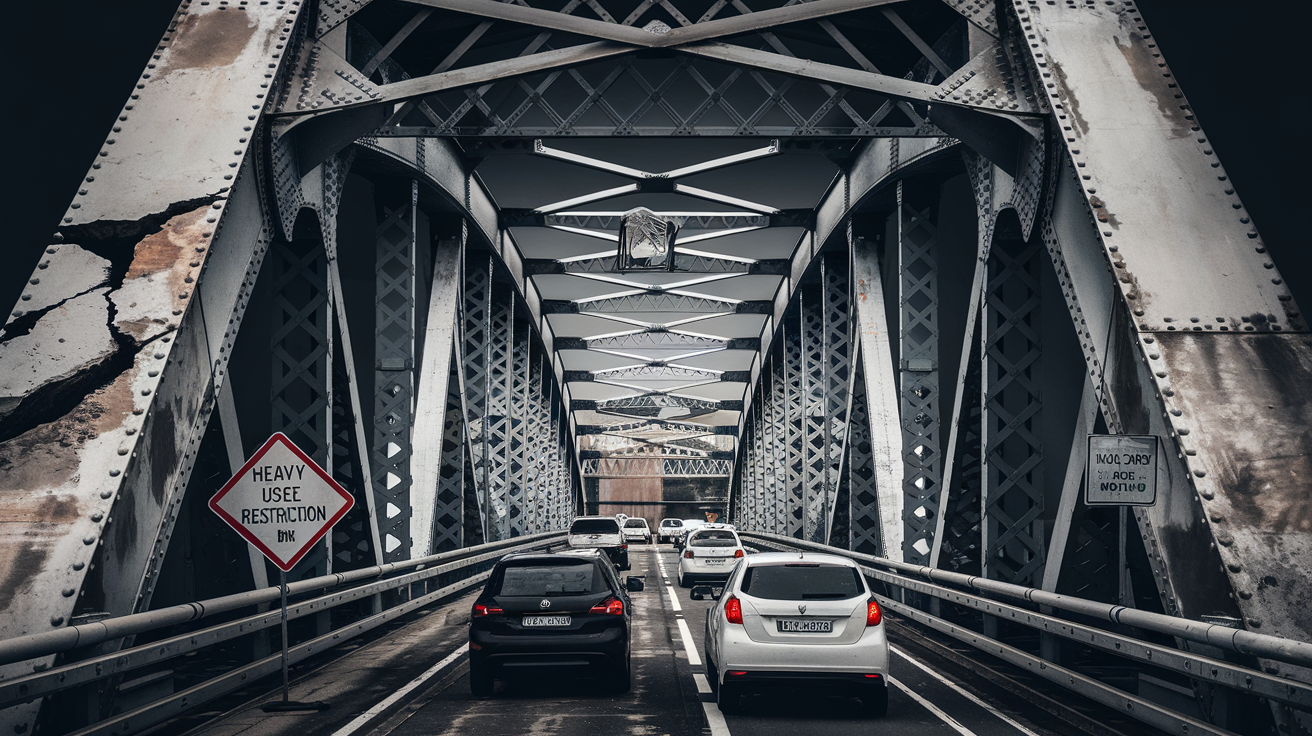
Iconic Bridge, Vital Link Between Cities, Faces Serious Structural Damage. Technical Reports Point to Imminent Risks, Leading Authorities to Restrict Heavy Vehicle Traffic. Drivers Should Seek Alternative Routes Immediately to Ensure Safety and Avoid Possible Tragedies.
The structural safety of the Iron Bridge Engineer Daniel Ribeiro, which connects the municipalities of São José do Hortêncio and Presidente Lucena, has become an urgent concern for authorities and residents.
Technical reports indicated significant flaws in the structure, leading the municipalities to make a drastic decision: to restrict heavy vehicle traffic starting March 1st.
The measure aims to preserve the integrity of the bridge and avoid risks for those who travel through the area daily.
-
The government requests the Federal Revenue Service for a new system to automate the income tax declaration, reducing errors, time, and bureaucracy for millions of Brazilians.

-
Friends have been building a small “town” for 30 years to grow old together, with compact houses, a common area, nature surrounding it, and a collective life project designed for friendship, coexistence, and simplicity.

-
Pix in installments, international Pix, and contactless payment without internet: the Central Bank revealed the new features coming to the tool that is already used by almost every adult in Brazil.

-
This small town in Germany created its own currency 24 years ago, today it circulates millions per year, is accepted in over 300 stores, and the German government allowed all of this to happen under one condition.


The decision comes after detailed analyses conducted by specialized engineers, who pointed out advanced degradation in fundamental elements of the bridge.
Starting on the stipulated date, municipal agents will be mobilized to ensure compliance with the restriction, guiding drivers and monitoring traffic.
Additionally, metal barriers will be installed that will limit the maximum height allowed for vehicles to 2.80 meters, reinforcing the need for adaptation on the part of drivers.
Reports Point to Advanced Wear
The structure of the bridge, built more than 60 years ago, has been suffering from the impacts of time, increased heavy traffic, and climatic events, such as the floods of the Cadeia River, which contributed to the deterioration of the construction.
The technical reports were prepared by engineers from MDC Projetos de Bom Princípio, a company hired to assess the actual condition of the bridge.
According to the document, the structural part of the pillars, which supports the construction, does not present an imminent risk of collapse, preventing a total closure at this time.
However, other fundamental areas of the bridge are compromised, demanding immediate actions.
The most concerning points involve the abutments and the fastening systems, such as the bolts connecting the metal parts of the structure.
These areas have been severely impacted by the constant vibration caused by heavy vehicle traffic, in addition to the natural wear of the material over the decades.
The analysis also revealed significant cracks in the abutments and advanced corrosion in bolts, which could compromise the stability of the bridge in the long term.
According to the standards of the Brazilian Association of Technical Standards (ABNT), the bridge was classified with a grade of 2, on a scale from 0 to 5, indicating a structural condition considered “poor”.
In light of this scenario, the traffic restriction was the most viable short-term solution, allowing the bridge to continue being used, but with less impact on its structure.
Traffic Impact and Alternative Routes
With the ban on heavy vehicles, drivers will need to seek alternative routes to reach their destinations.
The municipalities of São José do Hortêncio and Presidente Lucena have released two main options for alternative routes to minimize disruptions:
- Bridge in Capela do Rosário, which allows connection between São José do Hortêncio and Linha Nova Baixa, in Presidente Lucena.
- Bridge in Campestre, which connects São José do Hortêncio and the community of 14 Colônias, in the municipality of Lindolfo Collor.
Both bridges have a weight limit of up to 24 tons, which requires extra caution from drivers, especially those transporting heavy cargo.
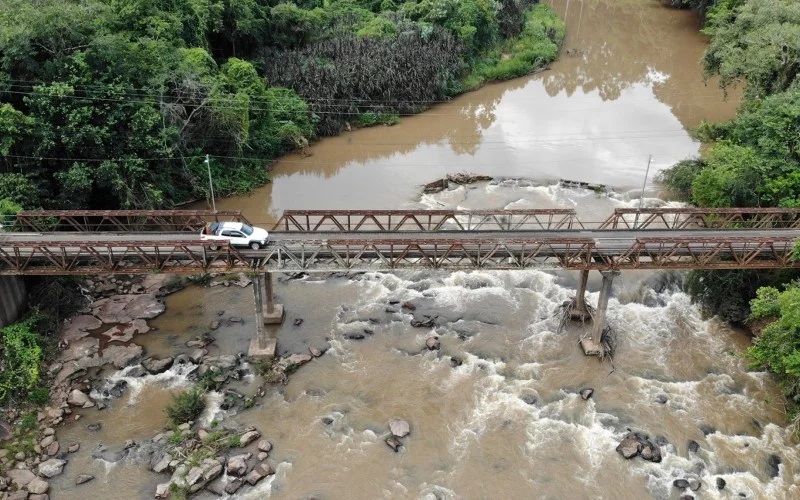
The restriction on the main bridge may generate impacts on the transportation of goods and on the daily routine of residents, as many depend on this crossing daily.
Transportation and logistics companies will also need to reorganize their operations to avoid delays and overload on alternative routes.
Future of the Bridge: Definitive Solution Still Uncertain
While the municipalities take emergency measures to mitigate risks, the search for a definitive solution for the Iron Bridge Engineer Daniel Ribeiro is ongoing.
The main proposal from local administrations is to construct a new bridge, which would allow safer traffic, with a higher load capacity and a double lane.
However, this project is still in the initial phase, depending on funding and the completion of detailed technical studies.
According to the city hall of São José do Hortêncio, local managers have already begun negotiations to secure funding for the work, but the construction of a new bridge is a medium to long-term solution.
In the meantime, a contract has been initiated with a specialized company to develop a technical recovery project for the current structure.
This project will serve as the basis for the bidding process that will choose the company responsible for the repairs on the bridge.
There is still no defined timeline for the start and completion of these works, as the complexity of the renovation requires detailed planning.
However, authorities assure that the priority is to ensure the safety of drivers and pedestrians who use the bridge daily.
Residents’ Concerns and Future Expectations
The traffic restriction on the bridge generates concern among residents and merchants in the area, who fear negative impacts on the local economy and mobility.
The connection between São José do Hortêncio and Presidente Lucena is essential for the flow of agricultural production and the transport of goods, making the need for a quick solution even more urgent.
“We know how essential this bridge is, but we cannot ignore the risks. The measure taken is to protect everyone and avoid possible fatalities,” declared the mayor of Presidente Lucena, Luiz José Spaniol.
The acting mayor of São José do Hortêncio, José Maurício Heck, also reinforced the importance of the decision.
“It’s a measure we would not want to take, obviously. But safety comes first,” he stated.
In the coming months, the population should closely follow the developments of the case, hoping that a definitive solution is presented as soon as possible.
In the meantime, drivers will need to adapt to the new traffic conditions, ensuring compliance with the imposed restrictions and the safety of all who use the bridge.








Seja o primeiro a reagir!