





 Portuguese
  English
  Spanish
 6 min of reading
  1 comment


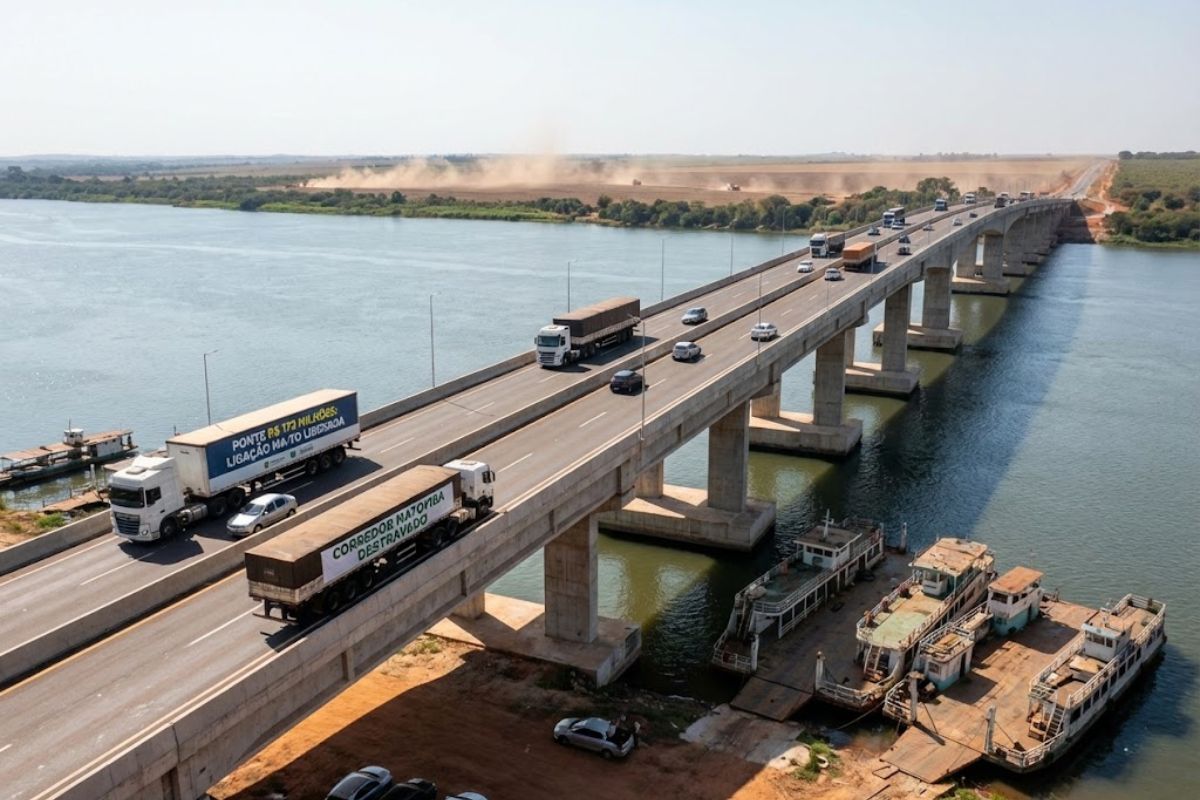


Completed In Record Time, The R$ 172 Million Bridge Connects Maranhão And Tocantins, Replaces The Ferry Crossing On BR 226, Restores Predictability And Strengthens The Logistics Road Corridor Of Matopiba, Redesigning The Role Of Estreito And Aguiarnópolis In The Agribusiness Route, Reducing Direct Costs And Operational Risks
In 2024, the collapse of the old bridge on BR 226 interrupted the connection between Estreito, in Maranhão, and Aguiarnópolis, in Tocantins, returning the region to dependence on ferries, long queues, and daily uncertainty for workers, students, and truck drivers. In 2025, the delivery of the new R$ 172 million bridge reconnects Maranhão and Tocantins again via a continuous route, in about twelve months of intensive work, restoring circulation in one of the main corridors of Matopiba.
In the year between collapse and reconstruction, the crossing became a logistics bottleneck, with direct impacts on agribusiness and regional road logistics. The resumption of crossing on a fixed structure, with capacity for light vehicles and heavy cargo, reorganizes transportation flows that cross Estreito and Aguiarnópolis and restores predictability to the movement of those who depend daily on BR 226 for work, study, sell, or transport production.
Construction In Record Time And Resumption Of BR 226

The new Juscelino Kubitschek de Oliveira Bridge was completed in approximately twelve months, a timeframe considered record for a structure of this size.
-
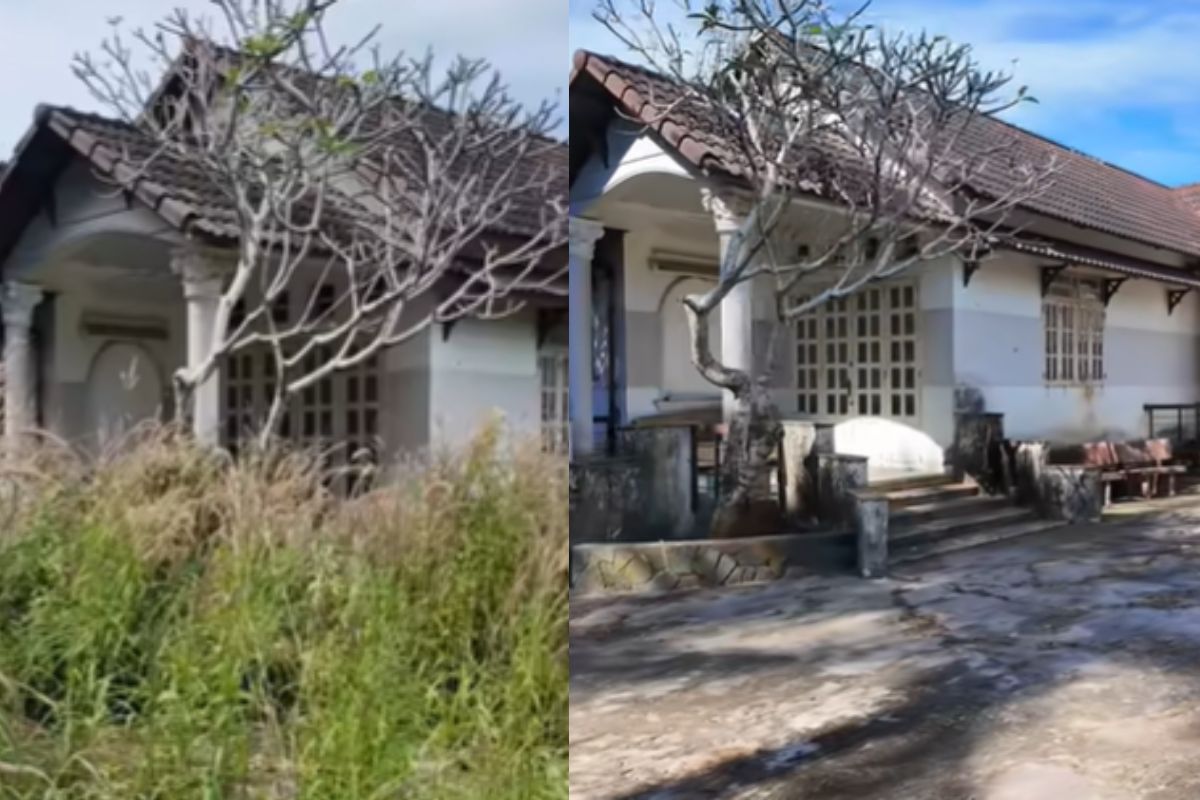
Abandoned house for 15 years disappears in the woods, shocks owner with unrecognizable scenery and is reborn in an intense transformation after almost 90 hours of work in just 10 days.
-
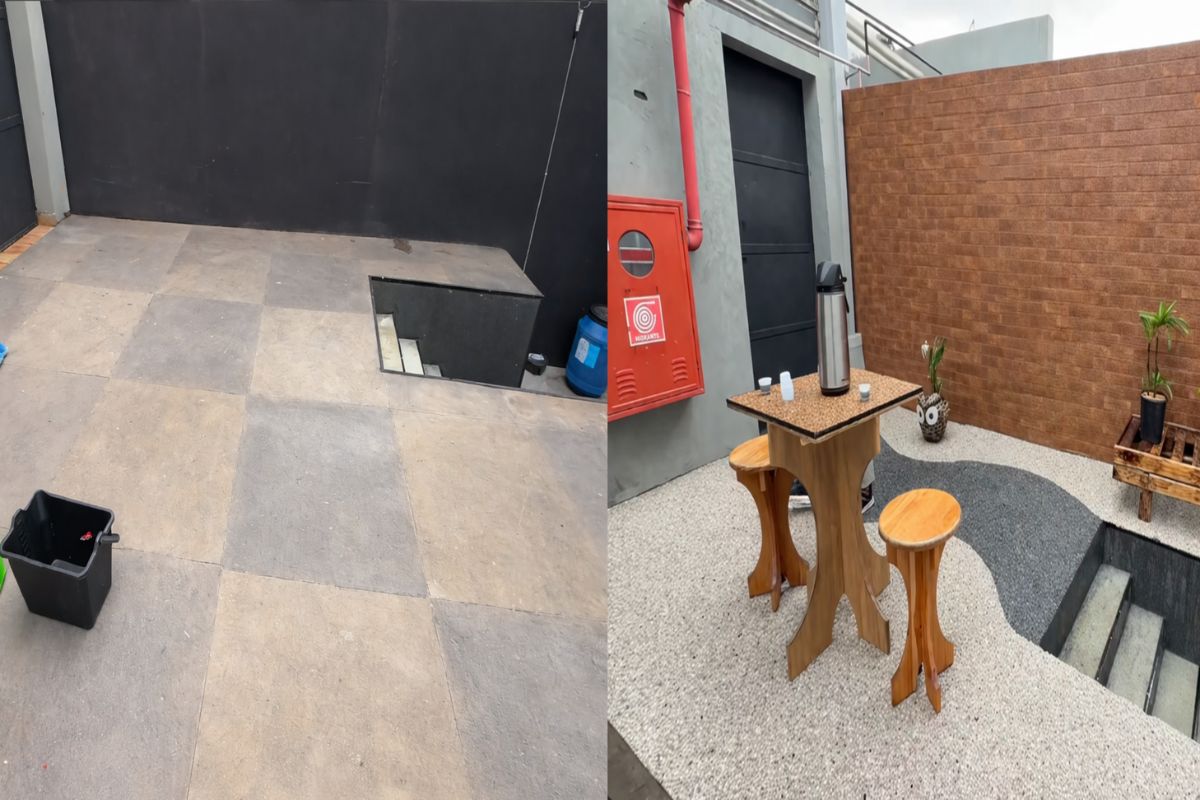
In just three hours, a natural stone floor transforms the entrance of the house with an organic effect, immediate drainage, and a sophisticated non-slip finish that doesn’t puddle water, dries quickly, and impresses with the final result.
-
‘Interlocking brick’ made of earth arrives in the construction industry with cost reductions of up to 40% on the project.

-
Espírito Santo will receive the largest engineering project in its history with the duplication of BR 262, which will have 50 viaducts, 28 bridges, and 2-kilometer tunnels cutting through the most challenging mountainous region of the entire state.


The federal investment of around R$ 171.97 million mobilized around 500 workers in day and night shifts, with a compressed schedule to reconstruct the road connection after the collapse of the previous bridge.
In practice, the R$ 172 million bridge connects Maranhão and Tocantins with continuous traffic and restores the BR 226’s function as a structural axis of Matopiba.
According to official data, before the old structure collapsed, the average daily flow at the crossing totaled approximately 950 motorcycles, 1,150 light vehicles, and 350 trucks.
The interruption of the route forced a migration to ferries, increasing travel time, operational costs, and exposure to variations in river levels.
With the new bridge in operation, the expectation is for a gradual normalization of this volume, with direct gains for agribusiness and road logistics that cross Estreito and Aguiarnópolis toward different destinations in the North and Northeast.
End Of Dependence On Ferries And Impact In Estreito And Aguiarnópolis
For Estreito, a town in Maranhão with about 34,000 inhabitants, and Aguiarnópolis, in Tocantins, with just over 4,500 residents, the new physical connection represents a concrete change in daily life.
The dependence on ferries after the collapse meant delays in work commitments, loss of business, difficulties in moving students, and obstacles to accessing health services and public services on both sides of the river.
With the R$ 172 million bridge connecting Maranhão and Tocantins permanently, the crossing ceases to be a bottleneck and once again becomes a regular stretch of BR 226.
Estreito and Aguiarnópolis resume their roles as road nodes in a logistics corridor that supports local commerce, supplies service stations, and stimulates restaurants, workshops, and small enterprises linked to passenger and cargo traffic.
The reduction of waiting times and unpredictability is likely to rejuvenate customer flows and improve the margins of small businesses that depend on road traffic.
Estreito And Aguiarnópolis As Axis Of Matopiba
Inserted in the layout of BR 226, the bridge repositions Estreito and Aguiarnópolis on the Matopiba map, an agricultural frontier that encompasses Maranhão, Tocantins, Piauí, and Bahia.
The region accounts for about 19 percent of the national soybean production, with grain harvests rising from approximately 18 million tons in 2013 and 2014 to nearly 35 million tons in 2022 and 2023.
In this context, Estreito and Aguiarnópolis cease to be just transit cities and begin to function as a strategic axis of agribusiness, coordinating flows between producing areas and consumer centers.
By reinforcing BR 226 as a corridor of Matopiba, the R$ 172 million bridge connects Maranhão and Tocantins and helps reduce delays in the transportation of grains, agricultural inputs, and industrial goods.
Road logistics gains greater predictability, which is crucial for freight contracts, export planning, and maintaining the competitiveness of producers competing with other regions of the country.
Matopiba, agribusiness, and road logistics converge in this specific stretch, where the reliability of infrastructure determines the final cost of production.
Agribusiness, Road Logistics And Transportation Costs
One of the main economic consequences of the new structure is the reduction in logistics costs.
With the ferry crossing, trucks carrying grains, fertilizers, and pesticides were forced to incur additional travel time, higher fuel consumption, and risk of interruptions due to weather conditions or operational failures.
With the bridge, the route becomes continuous, eliminating waiting at the riverbank and allowing better use of daily journeys for drivers.
For agribusiness, any minute less at critical points improves fleet turnover and reduces the cost per ton transported, directly impacting the competitiveness of the Matopiba region.
More fluid road logistics also benefits the transportation of industrial and commercial cargo, expanding the reach of Estreito and Aguiarnópolis as support bases, stopping points, and potential service hubs for warehousing, maintenance, and long-distance transport support.
Operational Details, Cargo Capacity And Toll
From an operational standpoint, the new structure was designed to accommodate intense traffic from cargo vehicles, including large trucks, in line with the role of BR 226 as a corridor of Matopiba.
The bridge has already been prepared for future integration with an eventual duplication of the roadway section, facilitating capacity expansion should demand grow in the coming years.
This structural sizing reinforces the potential of the axis as a permanent route for agribusiness and regional road logistics.
The crossing via the bridge is allowed for traffic without toll charges, maintaining the public nature of the connection between Maranhão and Tocantins.
The replacement of intensive ferry crossings, however, does not mean the complete disappearance of these vessels in the region, which can still serve specific communities at other points along the river.
However, the main flow between Estreito and Aguiarnópolis now becomes definitively road-based, consolidating the R$ 172 million bridge connecting Maranhão and Tocantins as a priority infrastructure for cargo, passengers, and public services.
Future Outlook For The Matopiba Corridor
In the short term, the main change is the normalization of vehicle circulation and immediate relief in the routine of those who live, work, or study in Estreito and Aguiarnópolis.
In a broader horizon, the presence of a stable connection tends to stimulate new investments in logistics bases, distribution centers, warehouses, and fleet support companies along BR 226, increasing the economic relevance of both cities.
The combination of structural stability, geographical position, and agricultural vocation of the region makes Matopiba directly dependent on the efficiency of this bridge to sustain its growth.
If infrastructure management remains consistent, the connection between Maranhão and Tocantins could anchor industrial and service expansion projects, deepening the role of agribusiness and road logistics in local development.
In case of maintenance failures or delays in future improvements, the risk is to place the corridor back in a vulnerable situation, with immediate effects on competitiveness, jobs, and revenue.
In light of this new reality in which Estreito and Aguiarnópolis establish themselves as a strategic axis of Matopiba, do you believe that the R$ 172 million bridge connecting Maranhão and Tocantins will be sufficient to durably transform agribusiness and road logistics in the region or is there still a lack of complementary infrastructure for that leap to actually happen?










Essa foto ai não nada haver com a ponte nova.