





 Portuguese
  English
  Spanish
  5 min of reading
  1 comment




Almost Invisible in Everyday Life, Soy Hides in Unlikely Places: in Chocolate, in the Diesel of Trucks, in Lunch Chicken, and Even in Vegan Hamburgers. A Simple Grain, Which Seems Discreet, Moves Entire Industries and Is Behind Much of What We Eat, Use, and Consume Every Day.
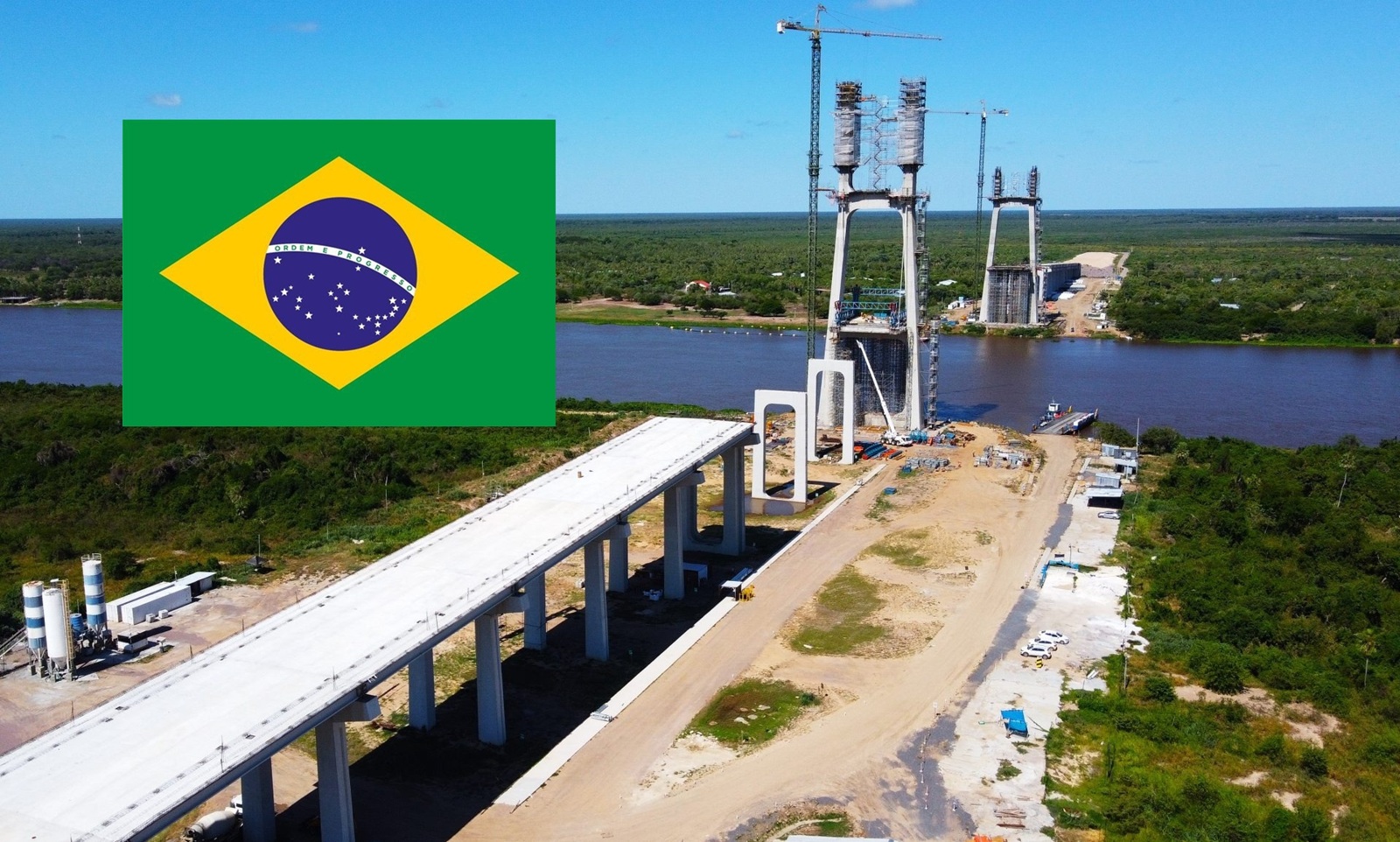
In the Pantanal, work on the largest and most expensive bioceanic route is advancing at a rapid pace. A report from CNN Brazil is showing everyone in the country all the details of this mega-infrastructure project.
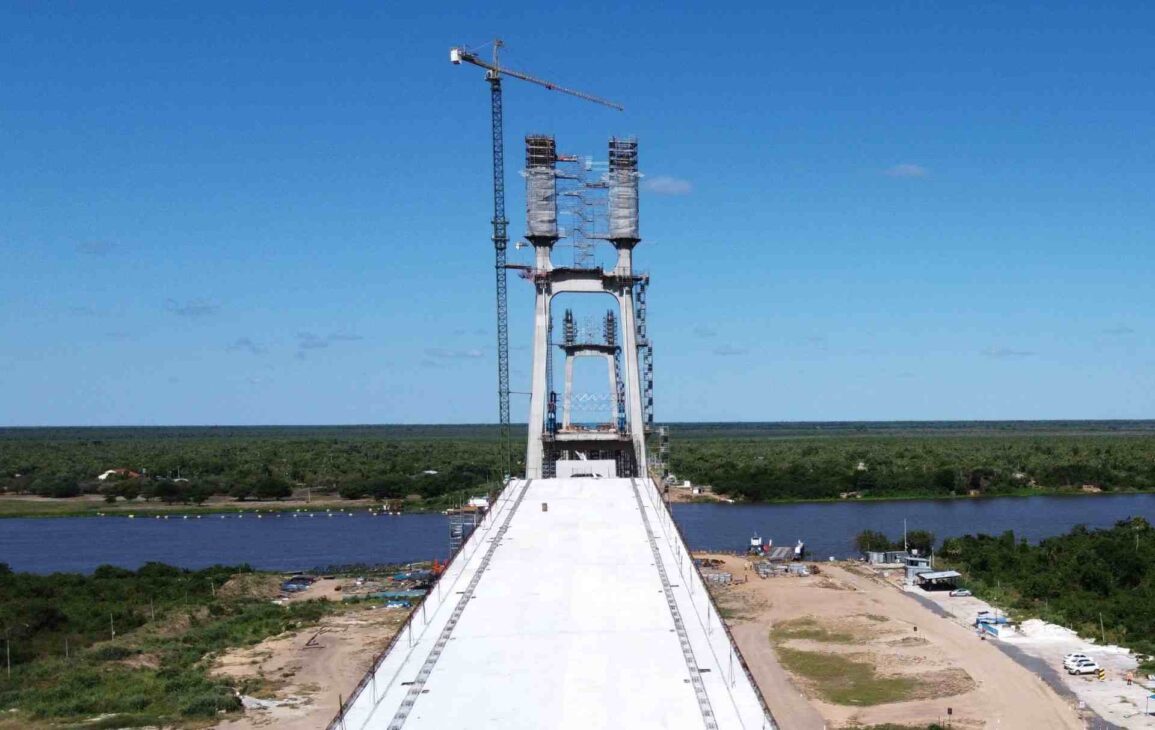
The construction of the new bridge connecting Porto Murtinho, in Mato Grosso do Sul, to Carmelo Peralta, in Paraguay, has already reached 75% completion and is expected to be finished in 2026.
With an investment of over 100 million dollars financed by Itaipu Binacional, the structure promises to facilitate commercial integration between the two countries and open a new path for Brazilian exports through the Pacific Ocean.
-
The government requests the Federal Revenue Service for a new system to automate the income tax declaration, reducing errors, time, and bureaucracy for millions of Brazilians.

-
Pix in installments, international Pix, and contactless payment without internet: the Central Bank revealed the new features coming to the tool that is already used by almost every adult in Brazil.

-
Mercado Livre has just started selling medications with delivery in up to three hours to your door, and this move could completely change the way Brazilians buy medicines on a daily basis.

-
In Dubai, rising tensions from the war in the Middle East are causing super-rich individuals to leave the Gulf and direct their fortunes to a new financial refuge in Asia.


From above, the grandeur of the bridge is impressive. It will be almost 1,300 meters long and 21 meters wide, with access viaducts and a cable-stayed section supported by 125-meter towers.
This will be the third bridge to connect the two countries. The project has become a symbol of the bioceanic route, which originated from joint efforts by regional authorities, the private sector, and civil society, and is now progressing with support from the federal government.
The New Bioceanic Route Promises to Change the Map of South American Trade
The bioceanic route emerges as one of the most ambitious integration projects in South America in recent decades.
It aims to connect Brazil to the Pacific Ocean through roads that cross Paraguay, Argentina, and Chile, creating a direct road corridor to Chilean ports.
This way, Brazilian exporters will be able to reduce distances and logistics costs to reach the Asian market, the main destination for agricultural and mineral products from the country.
The central idea is to transform historically isolated regions into strategic logistics hubs. Today, most Brazilian exports go through Atlantic ports, which requires long and costly routes to reach Asia.
Through the new route, trucks will be able to cross the continent in less time, shortening the journey and speeding up the flow of cargo.
The project promises to shorten the journey by thousands of kilometers between the producing centers of Brazil’s Midwest and the markets on the Pacific coast.
This new corridor represents not only a logistical alternative but also a driver of regional development.
The works foresee modernized roads, customs centers, private investments, and urban infrastructure to accommodate the increased flow of cargo and people.
Small towns along the route envision new economic opportunities and dream of leaving behind the image of forgotten points on the map.
The Importance of Access Works
Despite the progress of the bridge, another challenge needs to be overcome for the route to function.
The 13 kilometers of access works, budgeted at 425 million reais, are still under construction. With resources from the Growth Acceleration Program (PAC), this complex segment is being built over swamps and needs to be ready along with the bridge.
Experts emphasize that the simultaneous inauguration of the bridge and access roads is essential.
Without this, the corridor will not function fully. Despite this requirement, the federal government admits that the bridge may be completed before the access ramps.
The initial forecast indicates that around 250 trucks are expected to cross the new link daily when all structures are completed.
Porto Murtinho Wants to Transform
While monitoring the works, small Porto Murtinho dreams of becoming a Brazilian gateway to the Pacific.
With about 15,000 inhabitants, the municipality is updating its master plan to reorganize infrastructure and prepare for the next ten years.
Border regions often face development challenges, but the new plan aims to reverse this logic.
The idea is to create a service area for transportation and traveler assistance, as well as attract businesses and residents.
The mayor enthusiastically advocates the strategic importance of the bioceanic corridor for the city.
Ambitious Plans and Eyes Turned to Asia
The mayor states that Porto Murtinho has ceased to be a forgotten dead end and is now drawing attention even from Dubai.
According to him, Chinese investors have already shown interest and, to reinforce the approach, the city hall has prepared a brochure with maps and projects of the city written in Mandarin.
The goal is to present the opportunities that will arise with the arrival of the route.
Besides the commercial potential, the city bets on its strategic location in the Plata Basin. An existing private port is already preparing to expand its activities with the increase in cargo flow.
The city hall has also hired a consulting firm to detail an urban plan that includes a new avenue connecting the rural area to the urban one and even a new neighborhood.
Preparation for Population Growth
The expectation is that the local population could triple in the coming years. The increase in the number of trucks, workers, customs officials, and security agents is expected to demand more services in health, education, and sanitation.
For this reason, the new master plan seeks to anticipate the impacts and prepare the city for rapid and orderly growth.
The urban center of Porto Murtinho is about five kilometers from the bridge works, which reinforces the need for new road connections and supporting infrastructure.
The city hall wants to ensure that economic expansion does not cause disorganization and that the city can receive investments sustainably and safely for the current population.
Expectations for the Bioceanic Route
When completed, the bridge will be one of the last missing segments of the bioceanic route.
This land connection will link Brazil to the Pacific Ocean through Paraguay, Argentina, and Chile, creating a shorter export corridor to the Asian market.
The estimate is that the work will transform the region’s logistics and strengthen the country’s commercial relations.









Deveria contemplar também via férrea,