





 Portuguese
  English
  Spanish
 3 min of reading
  0 comments



Connecting São Paulo and Mato Grosso do Sul, the Rolemberg Vuolo Bridge Stands Out for Innovation and Overcoming Challenges
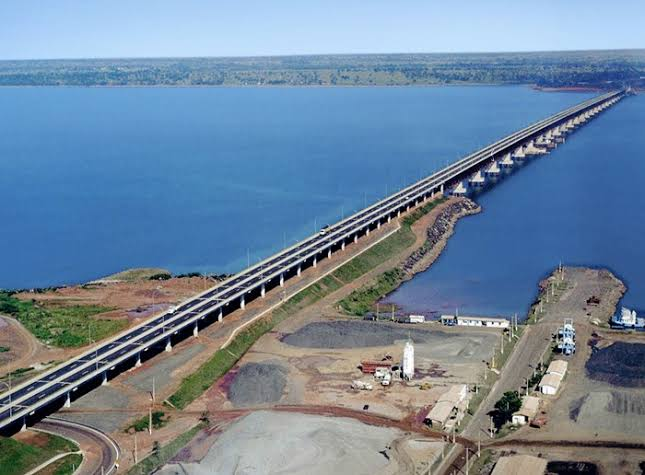
The stunning landscape of the Paraná River is the stage for one of the most impressive engineering works in Brazil: the Rolemberg Vuolo Rodoferroviária Bridge. With over 3.7 km in length, this structure is the largest river bridge in the country, connecting the states of São Paulo and Mato Grosso do Sul. Inaugurated in May 1998, the bridge is a landmark not only for its magnitude, but also for the challenges overcome during its construction, which was estimated at approximately R$ 50 million at the time, according to the video from the channel Construction Time.
The Visionary Project of the Rodoferroviária with Over a Century of History
The idea of building a rodoferroviária bridge over the Paraná River connecting São Paulo and Mato Grosso do Sul dates back to the early 20th century. In 1901, the writer Euclides da Cunha was already advocating for the creation of a railway link between São Paulo and Mato Grosso. However, the rodoferroviária project only started to take shape in 1974, when federal deputy Vicente Vuolo presented a proposal for the inclusion of this link in the National Transportation Plan. Even with political support, the construction of the bridge faced several delays, effectively starting only in 1991.
Engineering Challenges and Innovation
The construction of the Rolemberg Vuolo Rodoferroviária Bridge was filled with technical challenges. One of the main obstacles was the creation of robust concrete pillars capable of withstanding the natural forces of the region, such as strong currents and winds that can reach up to 162 km/h. To ensure the stability of the structure, around 25,000 cubic meters of concrete and advanced engineering techniques were used.
-
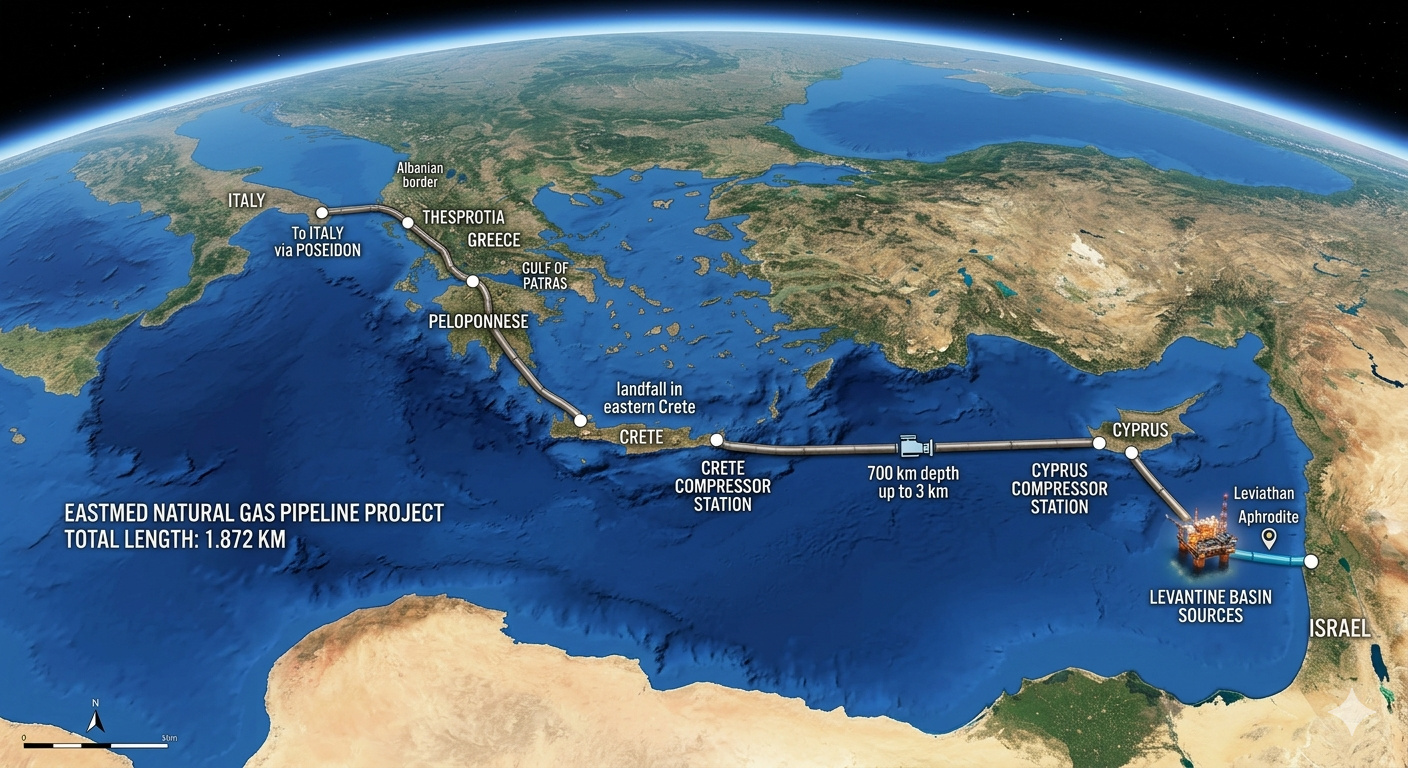
Israel, Greece, and Cyprus signed an agreement in 2020 to transport gas from the Mediterranean to Europe via a 1,872 km pipeline, but Turkey claimed sovereignty over part of the maritime route, and the project never materialized.
-
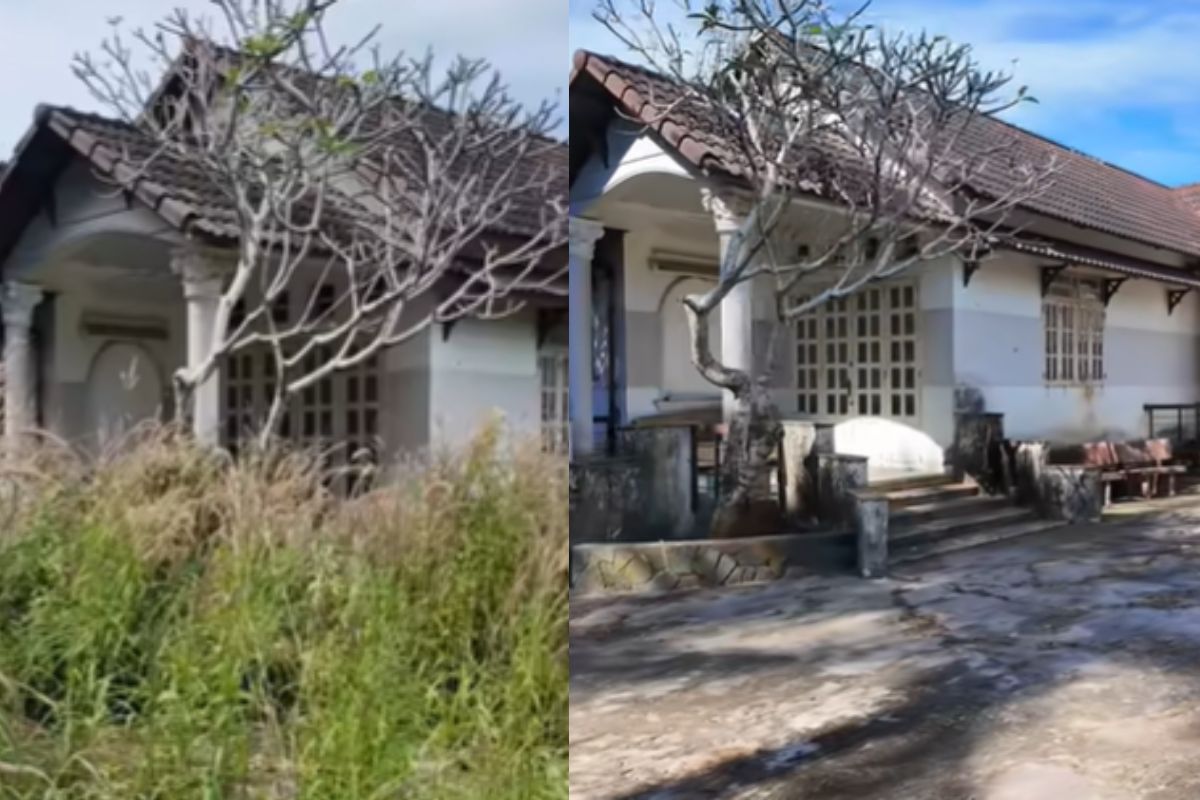
Abandoned house for 15 years disappears in the woods, shocks owner with unrecognizable scenery and is reborn in an intense transformation after almost 90 hours of work in just 10 days.
-
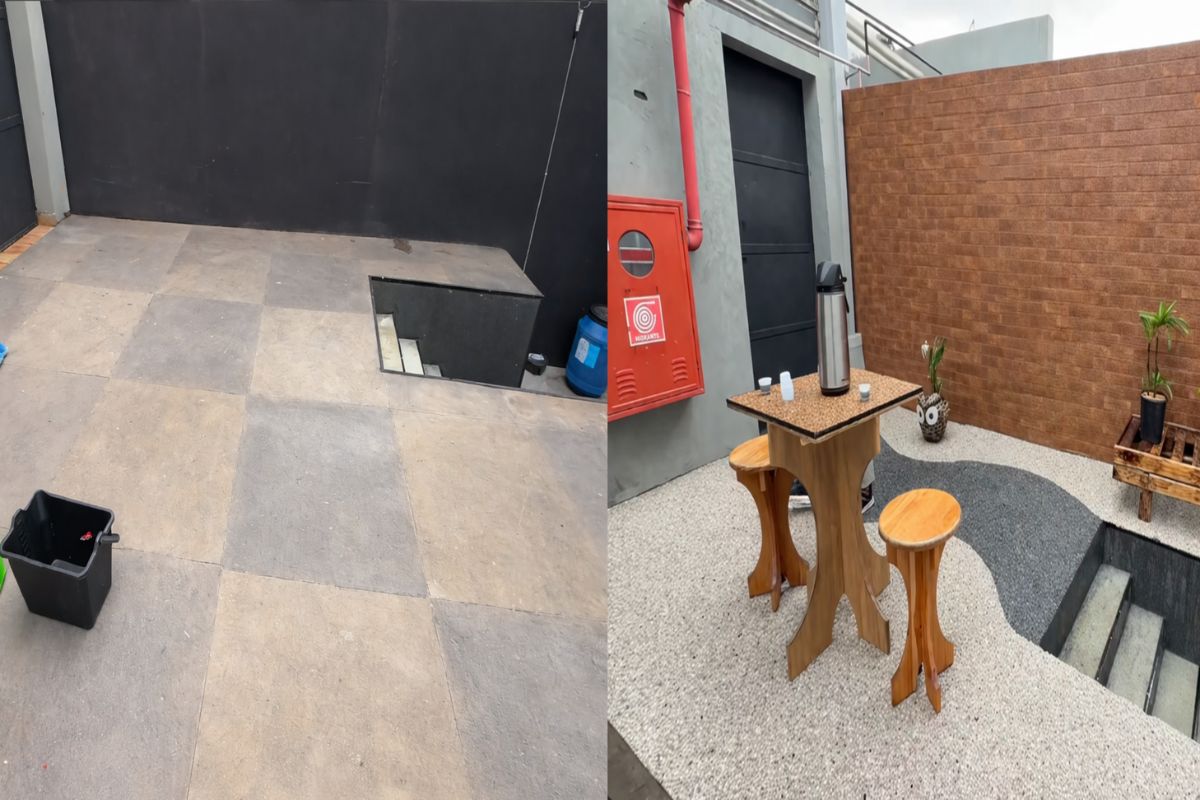
In just three hours, a natural stone floor transforms the entrance of the house with an organic effect, immediate drainage, and a sophisticated non-slip finish that doesn’t puddle water, dries quickly, and impresses with the final result.
-
‘Interlocking brick’ made of earth arrives in the construction industry with cost reductions of up to 40% on the project.


The assembly of the metal structure, composed of 20,000 tons of steel, was another significant challenge. For this, a continuous sliding system was used that allowed for the gradual movement of the structure until the total completion of the bridge. In addition, the work required the removal of basalt rocks from the riverbed, a task that was overcome with the use of specialized drills.
A Symbol of Progress and Innovation
Today, the Rolemberg Vuolo Rodoferroviária Bridge is a symbol of progress and an icon of excellence in Brazilian civil engineering. Its versatility is one of its most striking features, allowing for the simultaneous passage of freight trains and road vehicles. The bridge connects the Ferronorte railway, which links Santa Fé do Sul (SP) to Rondonópolis (MT), with the Euclides da Cunha Highway, an important route that crosses the interior of São Paulo.


The economic impact of the bridge is undeniable. Before its construction, crossing the Paraná River was done by ferries, which took about an hour, depending on weather conditions. With the inauguration of the bridge, the crossing time was reduced to just five minutes, facilitating the transport of agricultural commodities and other products between the regions.






Seja o primeiro a reagir!