





 Portuguese
  English
  Spanish
  5 min of reading
  0 comments


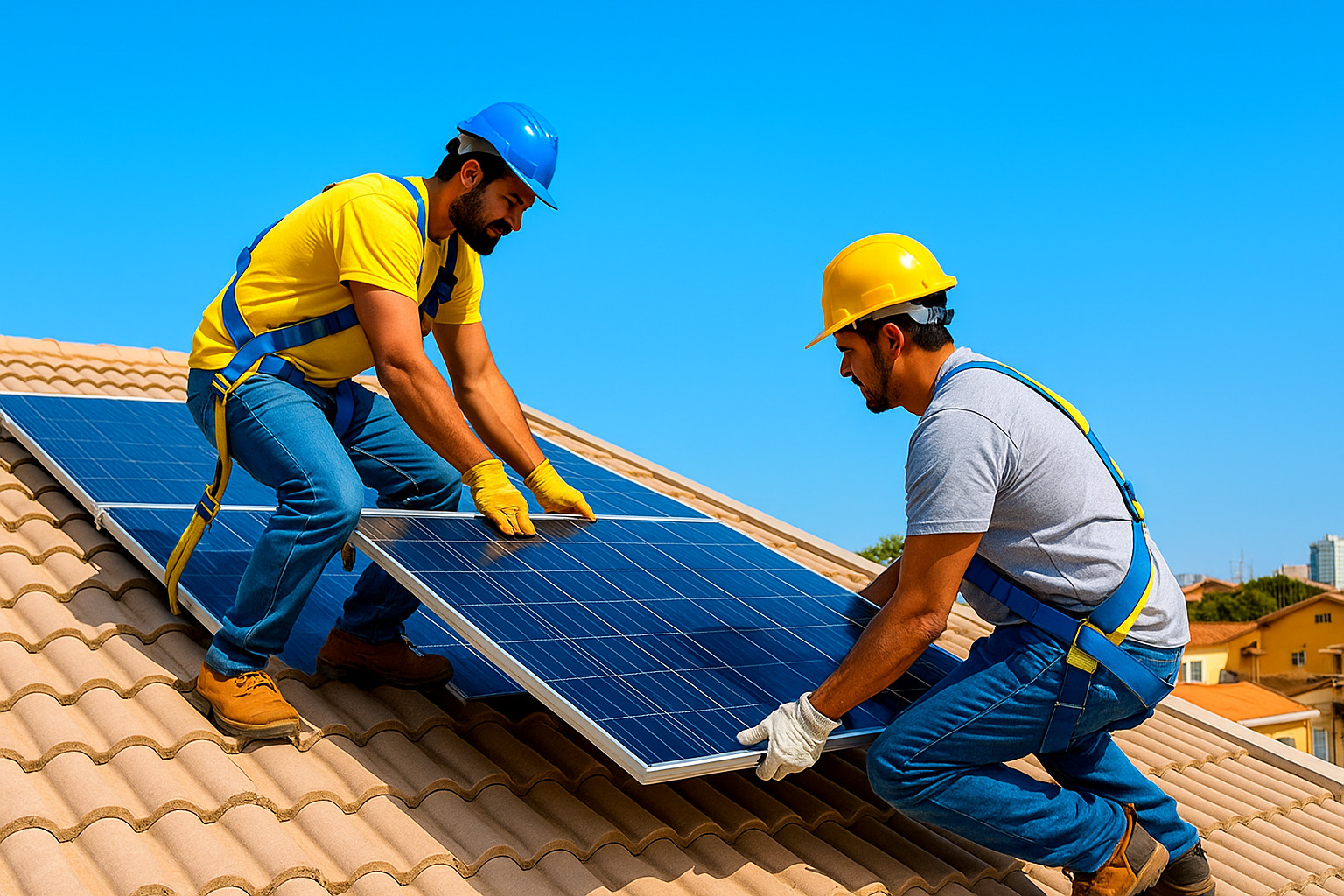
Discover Why the Brazilian Population is Interested in Renewable Energy, but Still Faces Obstacles Such as Misinformation and Lack of Practical Access.
In recent years, the desire for a more sustainable future has been growing among Brazilians. Although the country has vast natural resources, access to clean energy still faces significant barriers.
The truth is that the Brazilian population is interested in renewable energy, but often finds it challenging to turn this interest into concrete action.
On one hand, Brazil has a recognizably cleaner energy matrix than the global average. On the other hand, despite this historical prominence, the lack of clear and accessible information about solar, wind, or biomass energy still hinders faster progress.
-
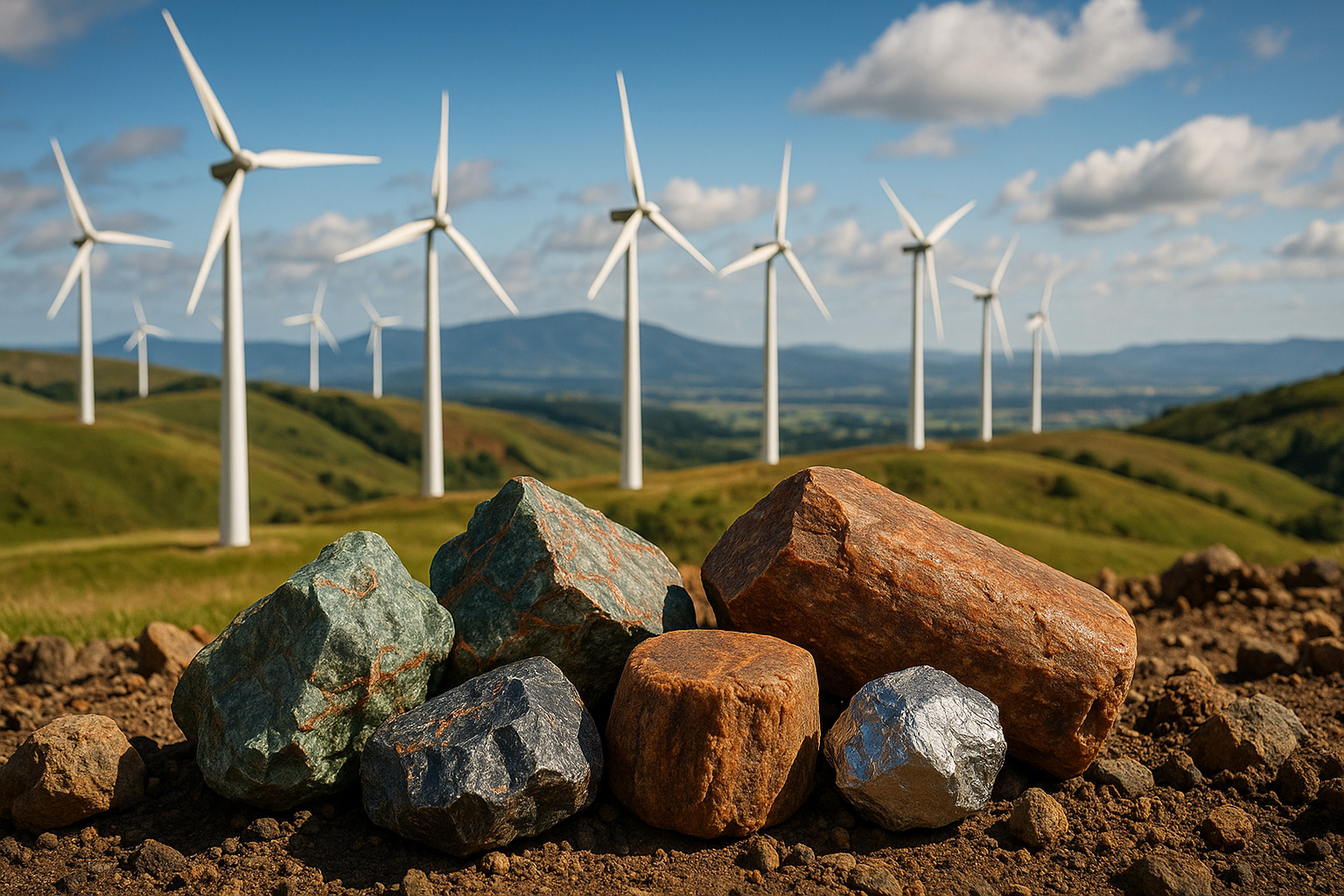
The Brazilian state accelerates industrial competitiveness with a focus on the extraction of strategic minerals to boost the energy transition in Goiás.
-
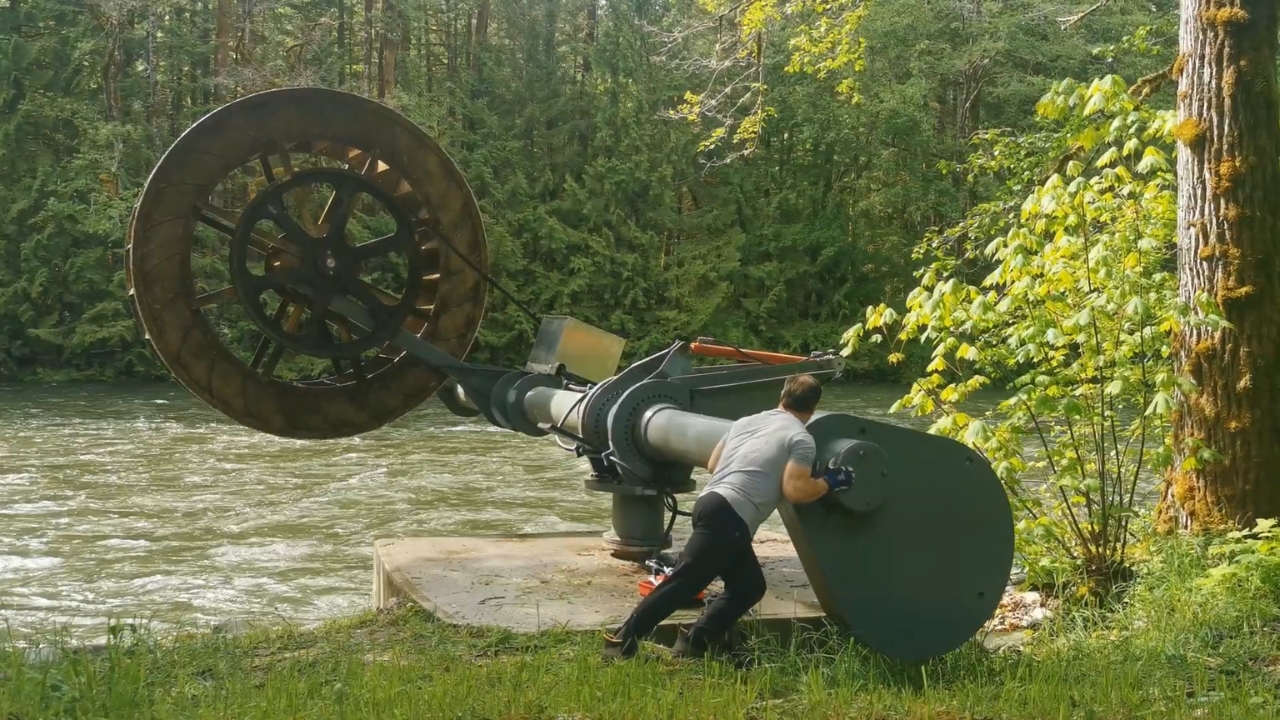
A Canadian retiree creates a hydroelectric system on a real river, generating energy continuously throughout the day and demonstrating how the power of water can supply a house with stability even in a simple structure.
-
Petrobras reaffirms its commitment to the market and ensures that it will carry out the energy transition safely to maintain national sovereignty.

-
Researchers discover a possible hydrogen deposit of up to 46 million tons beneath an ancient coal basin, and the volume could exceed half of the entire global production.

Furthermore, many families are unaware of practical alternatives to access these sources. Consequently, enthusiasm for sustainability wanes in the face of insecurity and doubt.
Even being a tropical country, with a high incidence of sunlight year-round, many Brazilians still do not know they could generate their own electricity at home. Therefore, there is a significant gap between technical potential and popular knowledge.
Although there are public policies, they do not reach the majority of the population with the necessary clarity.
Desire Exists, but Practical Knowledge is Lacking
According to a survey by the LUZ platform in partnership with the consulting firm Futuros Possíveis, 86% of Brazilians would like to have alternatives to traditional energy distributors.
Yet, 84% claim they know little or nothing about renewable sources, which confirms that the interest of the Brazilian population in renewable energy does not translate proportionately into practical actions.
In other words, there is the will, but it is unclear where to start.
Additionally, only 17% sought energy alternatives in the past year, while merely 13% monitor their consumption regularly. Even with technological advancements and increasing access to applications and digital platforms, many Brazilians continue to deal with energy in an analog way.
This shows that, despite digital connectivity, energy still occupies an invisible place in the routine of conscious consumption.
Moreover, there is a lack of public and private initiatives to bring information into homes. While some companies offer solar panels and consultancies, the costs and technical language deter low-income consumers.
Even if the possibilities exist, it is not enough for them to be available: they must be understood. Therefore, investing in energy education becomes urgent and strategic.
Economy as a Motivator and the Environment as a Secondary Concern
Above all, the financial issue remains the primary incentive. For 77% of respondents, adopting renewable sources only makes sense if it leads to savings on the electricity bill.
In contrast, only 21% are concerned about energy waste for environmental reasons, revealing a much greater practical concern than ecological.
As a result, it is evident that sustainability has yet to enter the hearts of most energy-related decisions. Although the environmental discourse circulates forcefully on social media, daily life still revolves around tight budgets.
Consequently, any energy solution needs to engage with this reality. After all, when the financial impact is visible, change becomes more acceptable.
Moreover, Brazil faces historical inequalities in access to energy and information. More remote regions, especially in rural areas and urban peripheries, have less access to technical data and incentive programs.
Even when public policies exist, they are often not adequately disseminated. As a result, entire communities remain distant from the energy transition.
Furthermore, few municipalities promote consistent actions to bring the population closer to clean energies. Although there are state and federal laws, their local application is often ineffective.
Therefore, it is crucial that states and municipalities take a more active role, integrating the population into awareness and training processes.
Brazilian Population is Interested in Renewable Energy: Youth and Technology as Agents of Transformation
However, not everything is an obstacle. Fortunately, youth is increasingly interested in sustainable solutions.
According to the survey, 45% of the population plans to adopt smart technologies in the next two years. Among individuals aged 25 to 29 years, this number rises to 52%, revealing a greater openness to energy innovations.
As a result, technology appears as a possible bridge between desire and practice. However, it is not enough on its own. People must understand how to use it efficiently and safely.
Thus, investing in intuitive platforms, simple tutorials, and accessible support becomes essential to democratize energy options.
Additionally, trust in distributors remains low. Only 10% of consumers claim to fully trust energy companies. This indicates that Brazilians still view the sector with suspicion, which impedes the adoption of new solutions.
Therefore, for transformation to happen, it is essential to rebuild this relationship and offer more transparency to consumers.
With the support of schools, universities, NGOs, and social enterprises, it is possible to transform technical information into popular knowledge. As long as the content is simple, practical, and directly related to daily life, renewable energy will cease to be a distant idea and will be seen as a real opportunity.
The Future of Renewable Energy in Brazil Depends on Information
In general, Brazil has all the necessary conditions to lead the energy transition. However, this will only be possible if information circulates with clarity and purpose.
Even if the infrastructure exists, without accessible knowledge, it will remain restricted to a few.
The change begins with communication. That is, it is necessary to transform technical data into understandable content. By doing this, the country not only expands access to renewable sources, but also strengthens energy citizenship.
When the citizen understands the system, they gain the power to choose.
Thus, the Brazilian population needs simple, safe, and viable paths. As these paths are built based on information and dialogue, clean energy will cease to be a promise and will become a reality present in every home.
In this sense, the future of energy in Brazil depends less on technology and more on access to knowledge. By democratizing knowledge, awareness is expanded. And where there is awareness, there is change.








Seja o primeiro a reagir!