





 Portuguese
  English
  Spanish
 3 min of reading


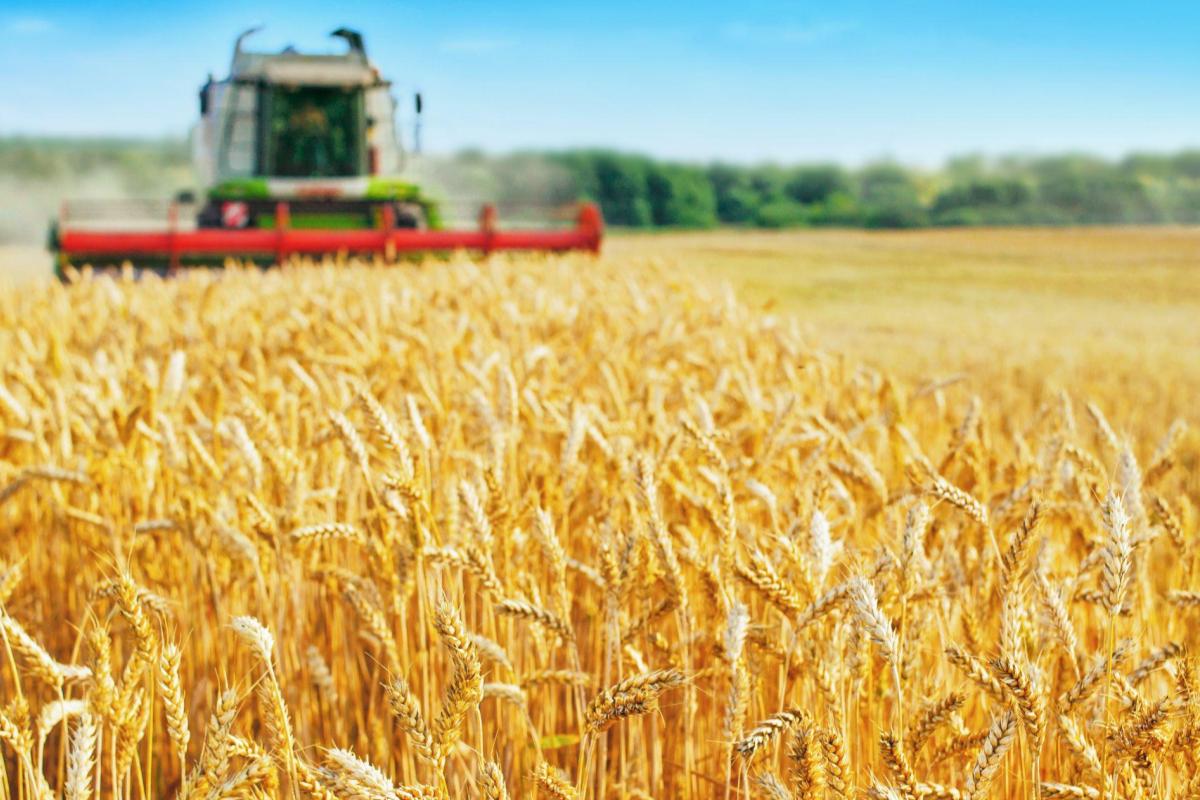
The Most Consumed Cereal In The World By Humans After Milk And Its Derivatives Is Wheat, Contributing About 18% Of The Proteins Consumed And 20% Of The Caloric Energies On All Continents.
Brazil consumes more than 12.5 million tons of wheat, being the largest harvest in history in 2022: 10 million tons. In a meeting with a research and technology transfer group from Embrapa Agropecuária Oeste (Dourados, MS), the general head of Embrapa Wheat (Passo Fundo, RS), Jorge Lemainski, talked about the actions that will help Brazil become fully self-sufficient in wheat in less than five years.
“Brazil spends around R$ 10 billion a year on wheat imports, while the country has all the conditions to produce. We want to demonstrate that wheat is an opportunity that can generate income for the farmer, as a complement to soybean cultivation. It is a second crop that improves and structures the soil, reduces weeds, improves the internal water reserve of the soil, decreases the cost of soybean production as a benefit, and seeks to create a liquidity environment that can pay the producer,” guarantees the general head of Embrapa Wheat.
Harley Nonato de Oliveira, the general head of Embrapa Agropecuária Oeste, recalled that Mato Grosso do Sul was once a major wheat producer and emphasized its importance and the discussion of action strategies between the two Embrapa units for the success of the challenge in Mato Grosso do Sul.
-
BRICS breaks the barrier of US$ 1 trillion in internal trade, accelerates the weight of the Global South, and pressures Brazil to react in the new economy.

-
Electrolux surprises, closes colossal factory and lays off 400 people in a mass dismissal that will have a direct effect later this year, following a cost review, with an impact of R$ 272.5 million and R$ 109 million in cash in Chile.

-
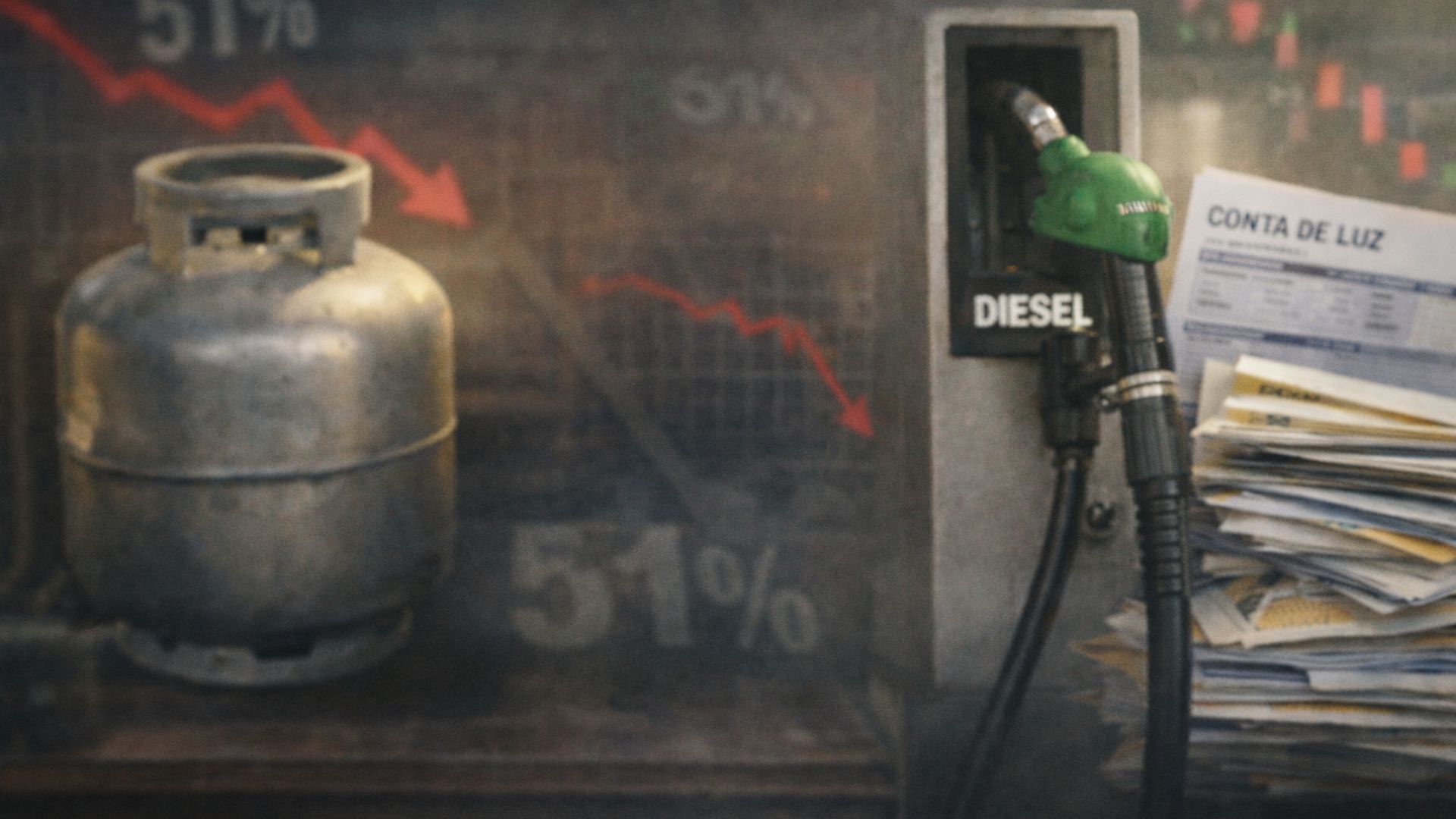
The Lula government is pursuing re-election and is therefore preparing a package with discounts of up to 80% on debts, subsidies for diesel, gas for 15 million, and energy, after reaching 51% disapproval six months before the election.
-
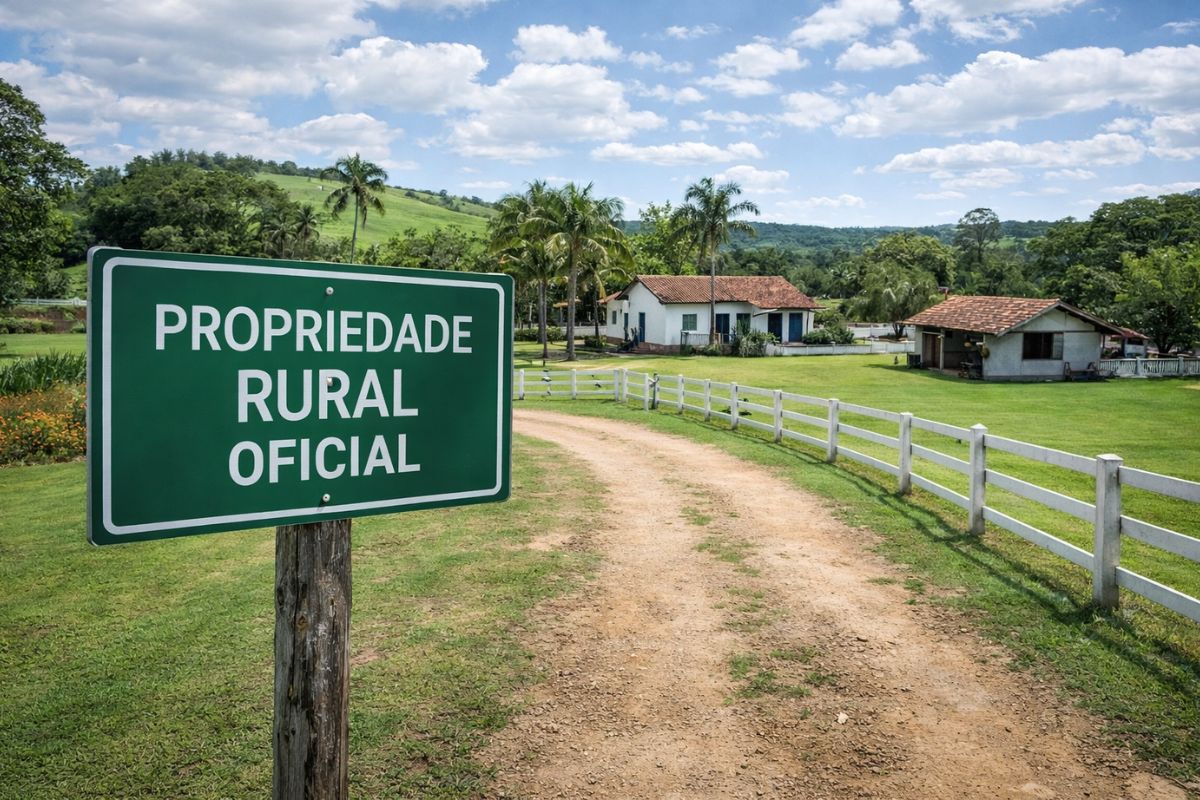
The chamber approves a project that transforms plots of up to 2,000 square meters into official rural properties, allowing thousands of small producers who were invisible to the government to now access credit, tax exemptions, and technical assistance.
“The technical understanding will provide, with the partnerships to be established, the search for the necessary information to solidify a production system adapted to the different regions of MS, in addition to subsidizing the state for the implementation of public policies that favor the consolidation of wheat and other winter cereals as an option for crop diversification,” stated Oliveira.
Various methods of evaluation and validation of modern wheat materials with favorable characteristics for the different regions of Brazil will be installed at a later time, not only in Mato Grosso do Sul but also in Mato Grosso, Goiás, São Paulo, Minas Gerais, Bahia, and the Federal District.
On the technical side, there will be demonstrations of good agronomic practices over three wheat harvests, starting in 2023. In the initial phase, it will be defined in which soils the genetic materials of the crop will be inserted. In the second phase, which should start in March, topics regarding cultivars, planting time, vigor, and germination will be addressed, in addition to plantability, going through other stages until reaching harvest.
“We will qualify and quantify the harvested grain for what it is used for: for baking, pasta, or cookies. Based on this local data, we hope to generate information for municipalities that want to integrate this tropical wheat agenda, turning this work into an opportunity,” said Jorge Lemainski.
The expectation is that Embrapa, along with other institutions, will continue to work on policies to promote wheat farming in the seven states of Central Brazil, or the so-called Tropical Wheat Agenda, with the aim of expanding the wheat area by 100,000 hectares in the coming years to achieve a production increase of at least 300,000 tons.






Seja o primeiro a reagir!