





 Portuguese
  English
  Spanish
  4 min of reading
  0 comments



Understand Why Germany Imposes Silence on Sundays, Regulates Domestic Noises, and Enforces Fines Based on the Constitution and the Federal Immission Law.
Germany is often remembered for its precision engineering, industrial efficiency, and social discipline. But there is a lesser-known aspect that surprises tourists and even resident foreigners: silence is treated as a legally protected right. Mowing the lawn on Sunday can result in a formal warning. Using a drill outside of permitted hours can lead to a fine. Vacuuming at inappropriate times can cause conflict between neighbors and provide legal grounds for complaints.
What seems like cultural exaggeration is actually anchored in formal legislation, constitutional rulings, and federal regulations regarding environmental noise.
What Is “Ruhetag” and Why Is Sunday Legally Protected in Germany
The so-called Ruhetag (day of rest) has a legal basis in Article 140 of the German Basic Law (Grundgesetz), which incorporates provisions from the Weimar Constitution and establishes Sunday as a day of rest and spiritual elevation.
-
The noise law will no longer be in effect at 10 PM starting in June with a new rule valid during the 2026 World Cup.

-
The Chamber opens a debate on driver’s licenses at 16 years old as part of a reform that includes around 270 proposals to change the Brazilian Traffic Code and may redesign rules for licensing, enforcement, and circulation in the country.

-
The new Civil Code could revolutionize marriages in Brazil with “express divorce” and changes that could exclude spouses from inheritance.

-
Banco do Brasil sues famous influencer for million-dollar debt and intensifies debate on delinquency, risks of seizure, and direct impact on Gkay’s credibility.




In practice, this means that Sunday is not just culturally silent — it is legally protected.
Furthermore, the Federal Immission Control Act (Bundes-Immissionsschutzgesetz – BImSchG) regulates noise emissions that may harm the health or well-being of the population. States and municipalities complement this legislation with detailed local regulations.
The result is a legal system that protects the right to rest based on constitutional grounds.
Federal Immission Law (BImSchG): How Noise Is Treated as Pollution
Germany considers excessive noise to be a form of environmental pollution. The BImSchG establishes limits for industrial, commercial, and domestic noise.
Equipment such as:
- Lawnmowers
- Power saws
- Drills
- Garden shredders
have restricted hours of use, generally allowed only between 7 AM and 8 PM on weekdays, and are completely prohibited on Sundays and public holidays.
In many municipalities, even within the allowed hours, continuous noises can be questioned if they exceed acceptable levels in residential areas.
Fines vary by city and can exceed hundreds of euros in repeated offense cases.
Vacuum Cleaner, Washing Machine, and Tools: What Is Allowed and What Is Not
The legislation does not directly prohibit the use of common household appliances, such as vacuum cleaners or washing machines. However, the German Civil Code (Bürgerliches Gesetzbuch – BGB) and court decisions establish the concept of “reasonable use.”
In residential buildings, there are often internal regulations (Hausordnung) that limit hours for noisy activities.
Common examples:
- Vacuum Cleaner: allowed during commercial hours, but not at night.
- Washing Machine: may be restricted after 10 PM.
- Musical Instruments: generally limited to 1–2 hours per day at specific times.
After 10 PM, the so-called Nachtruhe (night silence) comes into effect, when noises above normal levels can lead to warnings or even police intervention.
Urban Discipline and Social Coexistence: Culture or Legal Imposition?
The German rigidity regarding noise results from two combined factors:
- Structured Legal Basis, with clear and enforceable laws.
- Social Culture of Collective Respect, where a neighbor’s tranquility is taken seriously.
Unlike other countries where enforcement relies solely on formal complaints, in Germany, neighbors often quickly register formal complaints.
It is common for noise conflicts to result in formal letters, administrative warnings, or even civil lawsuits.
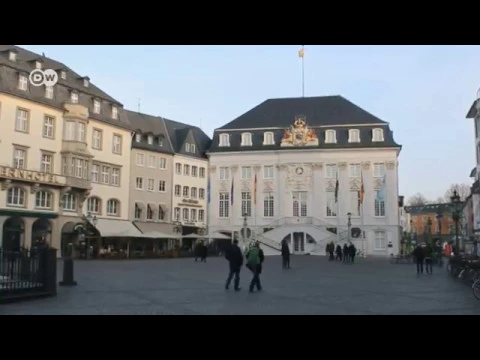
This discipline is not “militaristic,” but deeply institutionalized.
Fines and Penalties: How Much Does It Cost to Make Noise Improperly
Penalties vary depending on the federal state (Land) and municipality. Recorded examples include:
- Using a lawnmower on Sunday: fine between €50 and €500.
- Party with loud music after 10 PM: police warning and progressive fine.
- Reincurring disturbance of the peace: administrative process.
In extreme cases, tenants may even receive contractual warnings for violating the building’s coexistence rules.
Why Does This Exist? Public Health and Constitutional Protection
European studies indicate that chronic noise is associated with:
- Sleep disturbances
- Increased stress
- Cardiovascular problems
The European Union has guidelines on environmental noise, and Germany implements these standards rigorously. Sunday silence is not just a religious tradition; it is public health policy and quality of life.
Tourists and Cultural Shock: What Most Surprises Foreigners
Visitors often find it surprising to encounter:
- Shops closed on Sundays
- Practically silent residential streets
- Absence of noisy commercial activities
- Warnings for sounds considered “normal” in other countries
Many foreigners report cultural shock upon discovering that mowing the lawn on a sunny Sunday can be considered an offense.
Germany and the Social Organization Model
Sound discipline is just a reflection of a broader model of German urban organization:
- Strict waste separation
- Regulation of business hours
- Urban planning focused on coexistence
The country prioritizes predictability and order, even in ambient sound. Germany treats silence not as a luxury, but as a collectively protected constitutional right.
Between Ruhetag, Nachtruhe, and the Federal Immission Law, the country has built a system where rest is part of the State’s legal structure.
The result is a society where mowing the lawn on Sunday may seem like a trivial detail — but it represents a formal breach of a social pact of tranquility. And for many Germans, this pact is non-negotiable.










Seja o primeiro a reagir!