





 Portuguese
  English
  Spanish
  5 min of reading
  0 comments


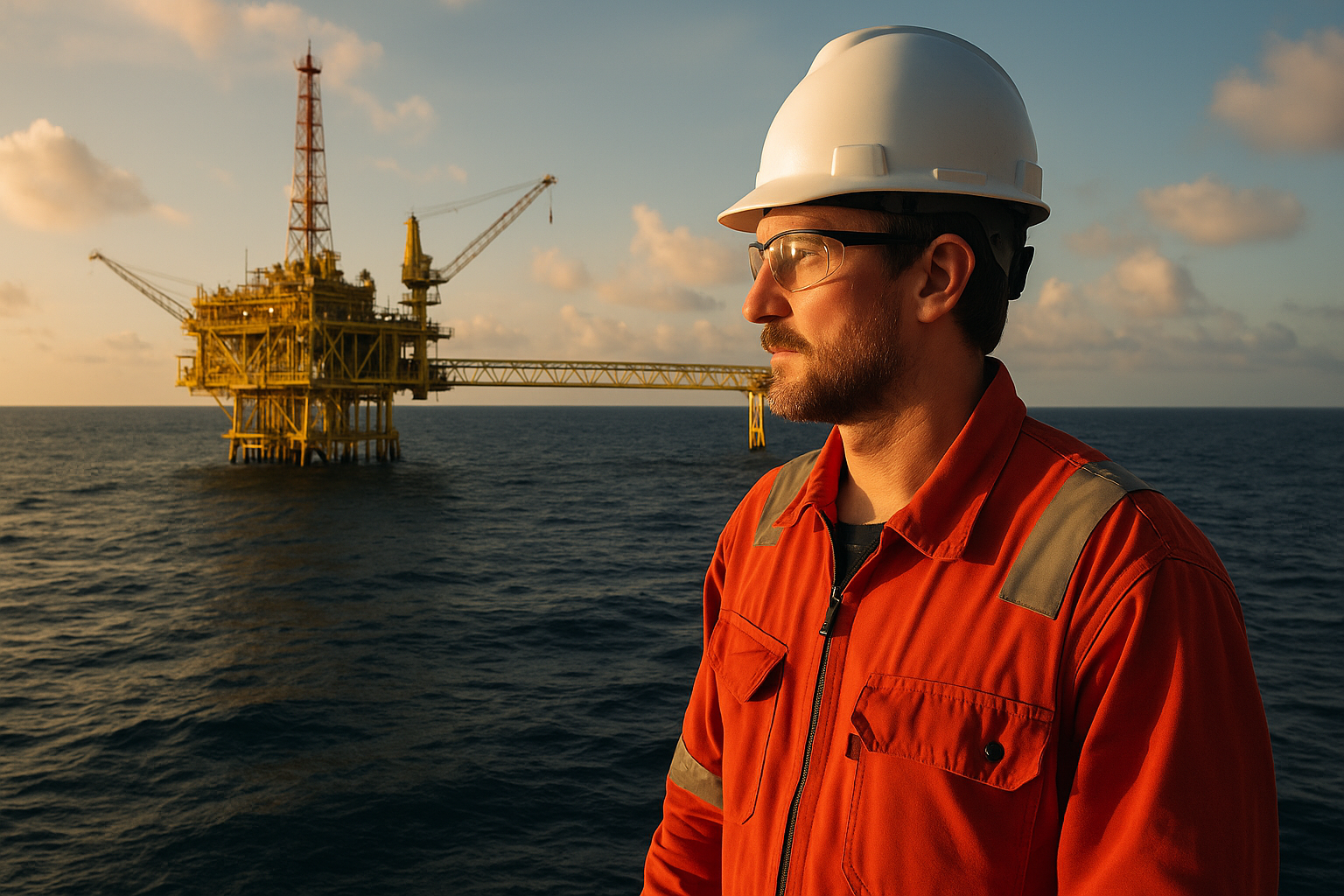
Understand The Importance Of The Offshore Naval Career For The Economic, Energetic, And Technological Development Of Brazil, As Well As Its Professional Opportunities And Current Challenges In The Maritime And Offshore Sector.
Without a doubt, the offshore naval career plays a fundamental role within the maritime and energy sector, especially in Brazil, which has an extensive coastline and great potential in oil and gas production.
To understand, therefore, why this profession is so essential today, we need to look not only at its economic relevance but also at its historical development and its strategic role in the current world.
Moreover, this career offers thousands of job opportunities, mainly for people living in coastal regions, such as Rio de Janeiro, Espírito Santo, and São Paulo.
-
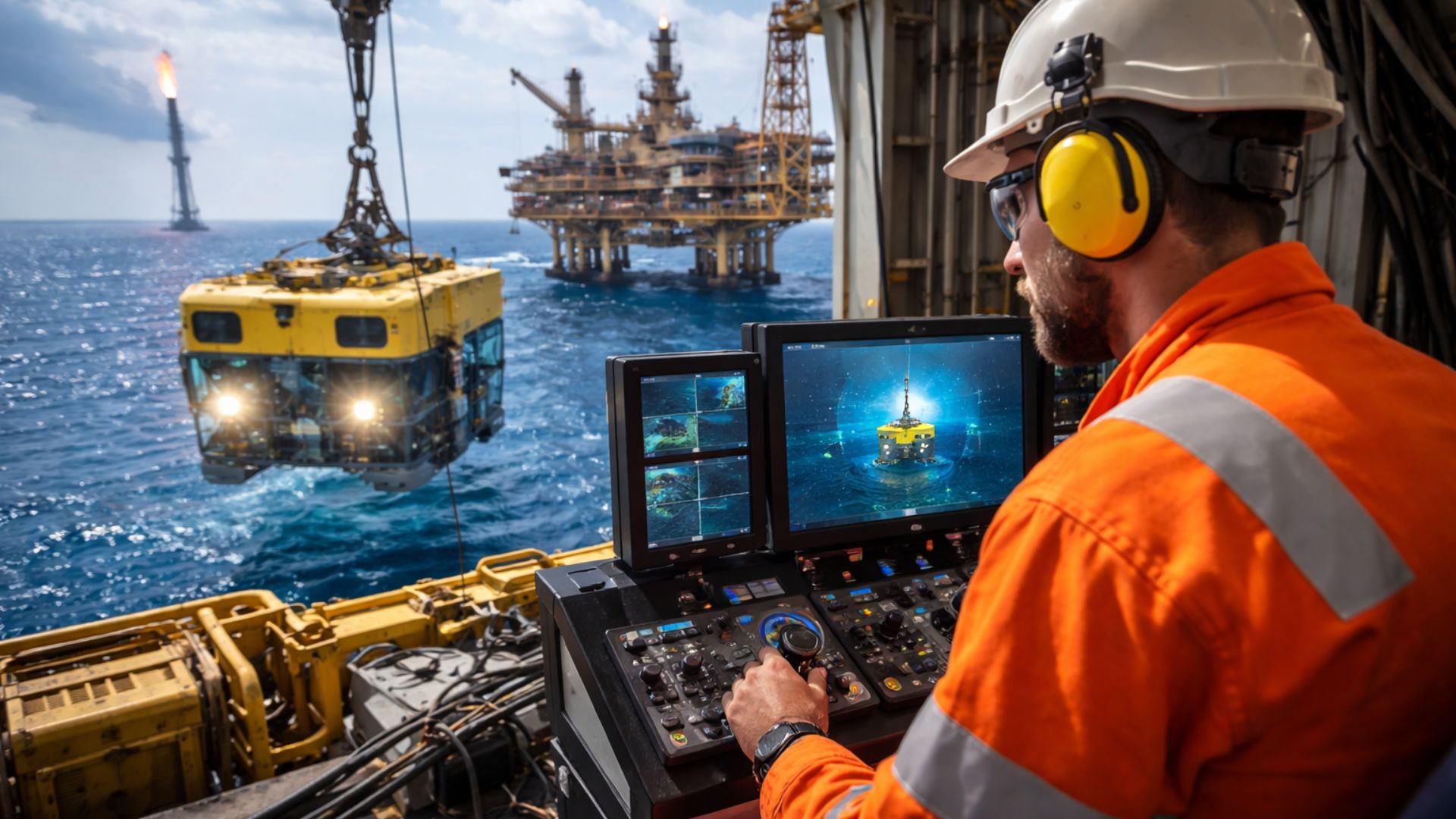
With Announcement for ROV Course in Partnership with Zen, Rio das Ostras Aims to Transform Technical Qualification into Real Jobs in the Competitive Offshore Market
-
Free Offshore Steward Course in São Gonçalo Emerges as a Strategic Opportunity for Those Seeking Qualified Work at Sea

-
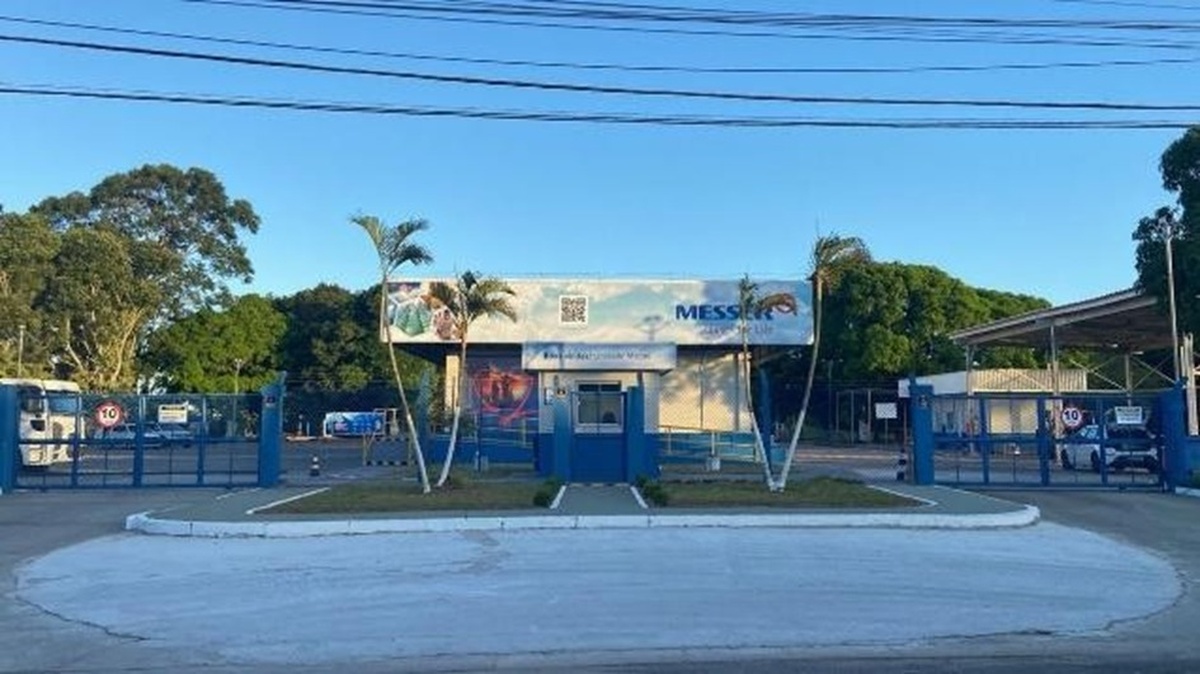
Messer Gases Reopens Branch in Macaé to Serve Offshore Oil and Gas Market in Northern Fluminense with Supply of Oxygen, Argon, and CO₂
-
Offshore Profession Simplified: Comprehensive Guide Reveals How to Trade Common Routine for High Salaries and Long Breaks in Life Aboard in the Oil Sector

Many communities that depend on the maritime sector find in it a way to improve their living conditions and promote social development.
Thus, the offshore naval career contributes to the economic and social growth of these regions.
The Beginning Of Navigation And The Emergence Of The Offshore Sector
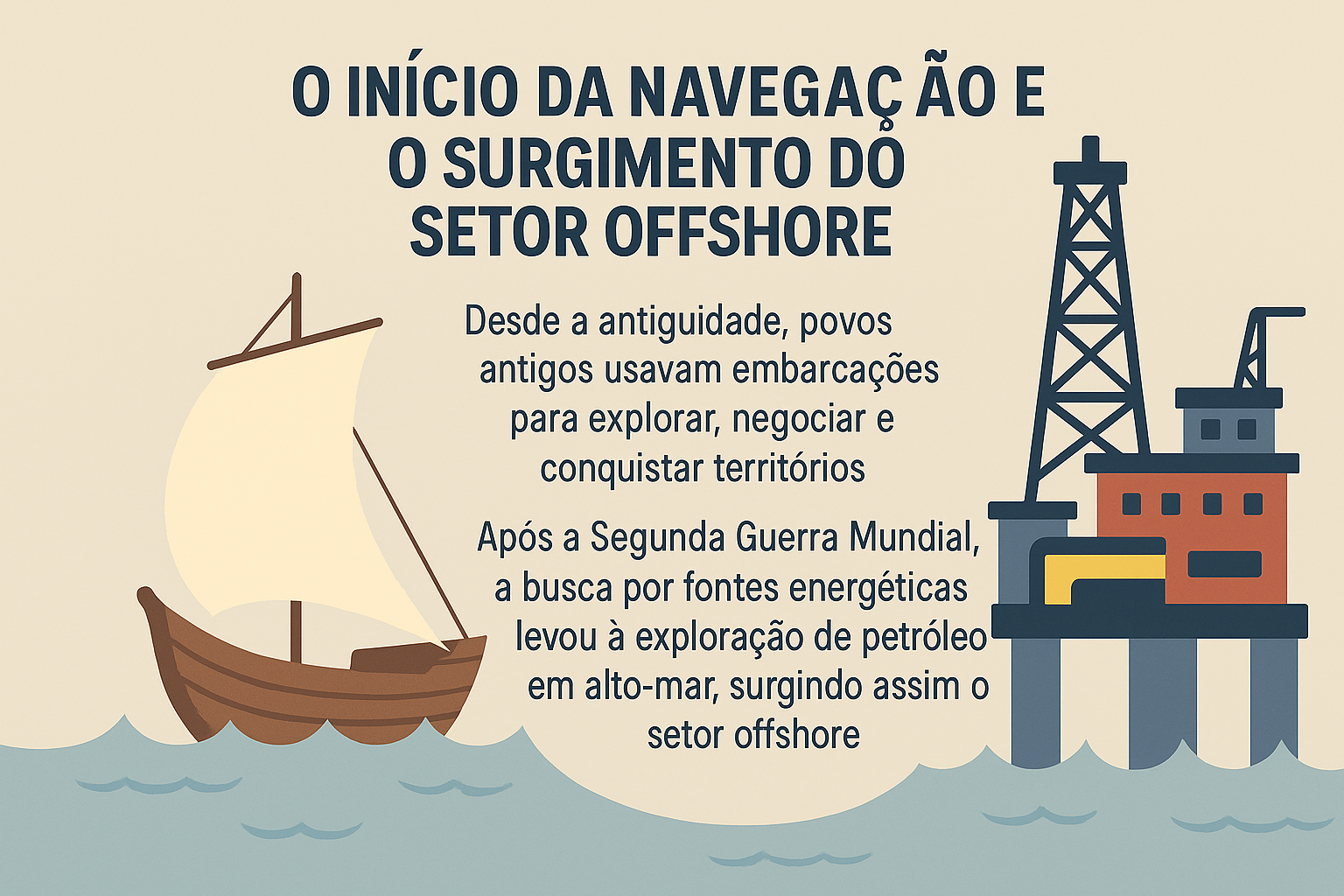
Since ancient times, navigation has played a central role in human development. Peoples such as the Phoenicians, Greeks, and Romans used vessels to explore, trade, and conquer territories.
As reported by the Naval Museum of Brazil, these ancient peoples laid the foundations for what we now know as modern navigation.
Furthermore, during the Age of Exploration, between the 15th and 17th centuries, maritime activity became vital for the world economy, facilitating intercontinental trade and enabling colonization.
The Brazilian Historical and Geographical Institute highlights that maritime routes defined the economy and global geopolitics for centuries.
According to the Brazilian Navy, the history of Brazilian navigation officially begins in the 16th century, when the Portuguese established the first maritime routes along the coast, paving the way for exploration and colonization.
With the Industrial Revolution in the 18th century, steam and diesel ships replaced sailing vessels, greatly increasing the efficiency of maritime transport, as explained by the Center for Documentation and Naval History.
In the 20th century, especially after World War II (1939-1945), the search for energy sources led to the exploration of oil offshore.
Thus, the offshore sector was born, according to data from the National Agency of Petroleum, Natural Gas and Biofuels (ANP).
The ANP highlights that offshore exploration began to gain momentum in Brazil starting in the 1970s, with the discovery of the first major reserves in the Campos Basin in 1974.
This historical milestone transformed the national economy and consolidated the maritime sector as vital for the country.
Progress in naval engineering has enabled the construction of more robust and safe platforms capable of operating in adverse weather conditions and at great depths.
The Brazilian Institute of Petroleum (IBP) notes that these technological advancements were essential to increase Brazil’s production capacity.
Thus, this technical advancement created the need for a qualified professional workforce, consolidating the offshore naval career as a strategic area.
Growth And Importance Of The Offshore Industry In Brazil
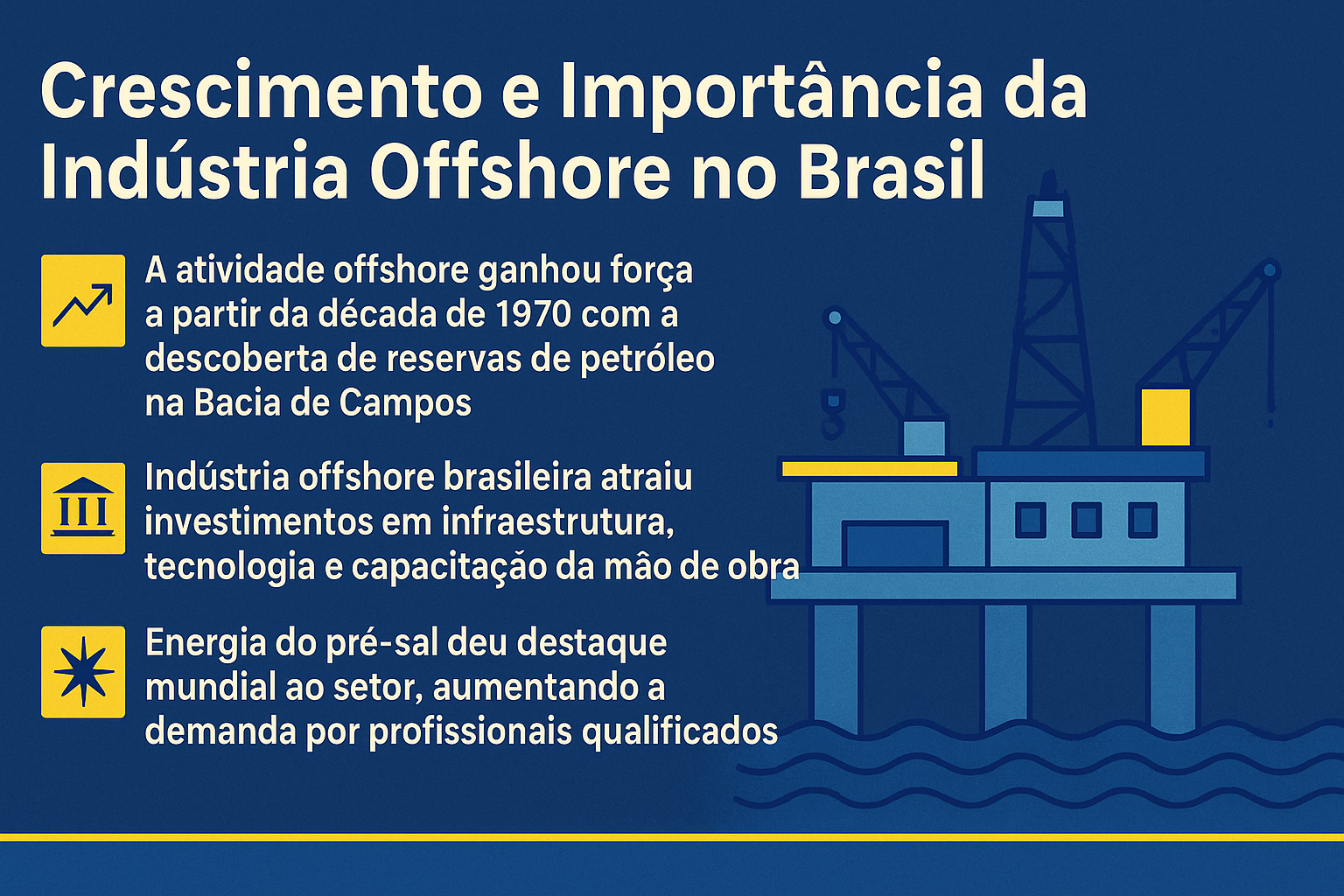
In Brazil, offshore activity gained momentum starting in the 1970s, when oil reserves were discovered in the Campos Basin.
According to the IBP, this discovery marked the beginning of a new energy era for the country.
Since then, the country has invested heavily in infrastructure, technology, and workforce training to operate in this sector.
With the discoveries of the pre-salt in the 2000s, especially from 2007, the Brazilian offshore industry gained even more prominence in the global scenario, according to Petrobras.
This growth increased the demand for prepared professionals to meet the challenges of the sea, both in operation and technical maintenance.
Thus, the offshore naval career has become a promising option for those seeking stability, good salaries, and a dynamic and challenging work environment.
In addition to oil, the Brazilian offshore industry is beginning to invest in other energy sources, such as offshore wind farms, which harness strong ocean winds to generate clean electricity.
According to the National Energy Plan 2050, released by the Ministry of Mines and Energy, the expectation is that offshore renewable energies will gain even more relevance in the coming decades.
This broadens the horizon for the offshore naval career, which is expected to encompass more diversified activities in the future.
The Profile And Functions In The Offshore Naval Career
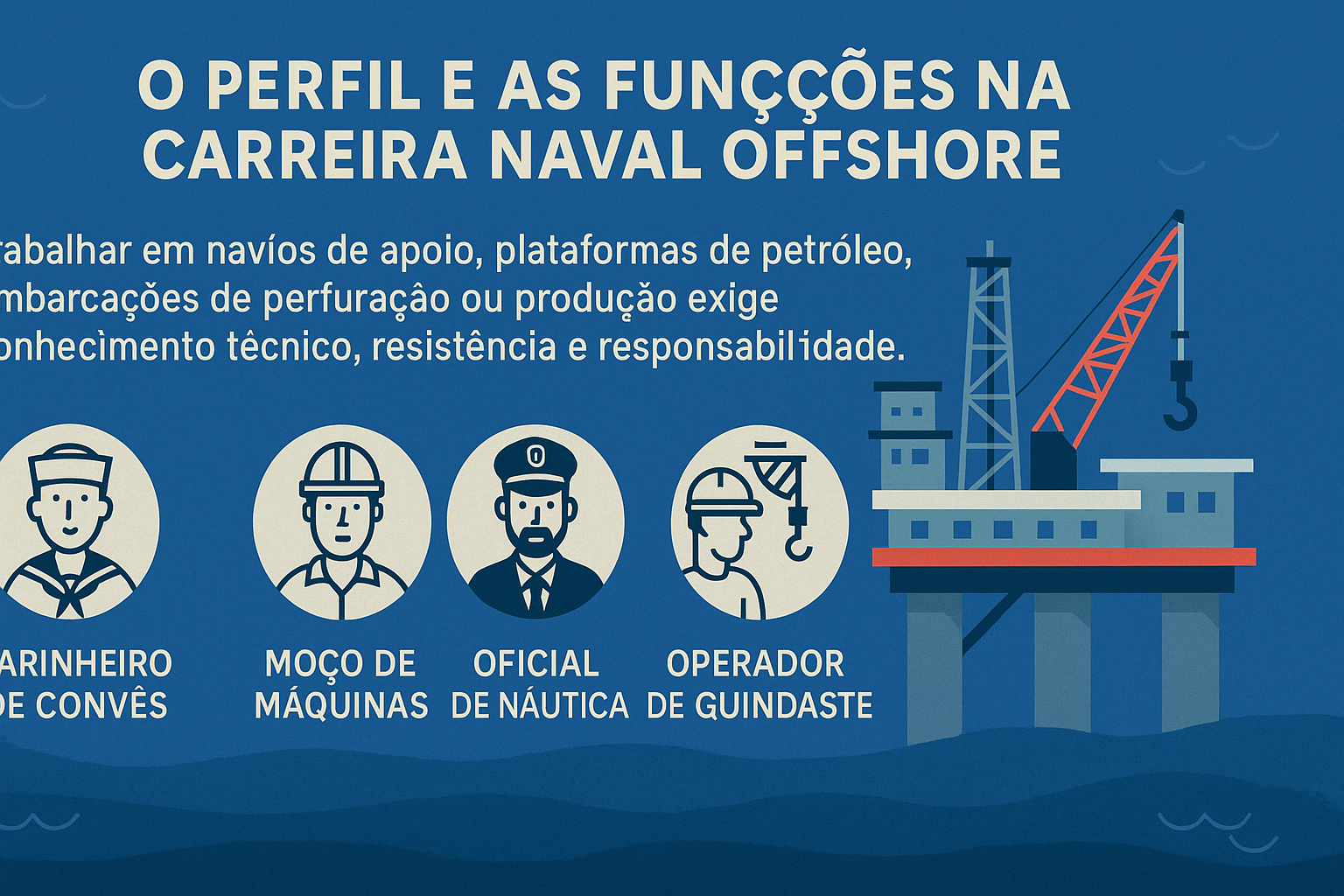
Working on support vessels, oil platforms, drilling, or production vessels requires technical knowledge, physical and mental resilience, as well as a strong sense of responsibility.
Professionals in this field often spend long periods onboard, alternating with time off on land.
This routine demands adaptation and commitment, but also brings advantages such as rapid career progression, specialized training courses, and attractive remuneration.
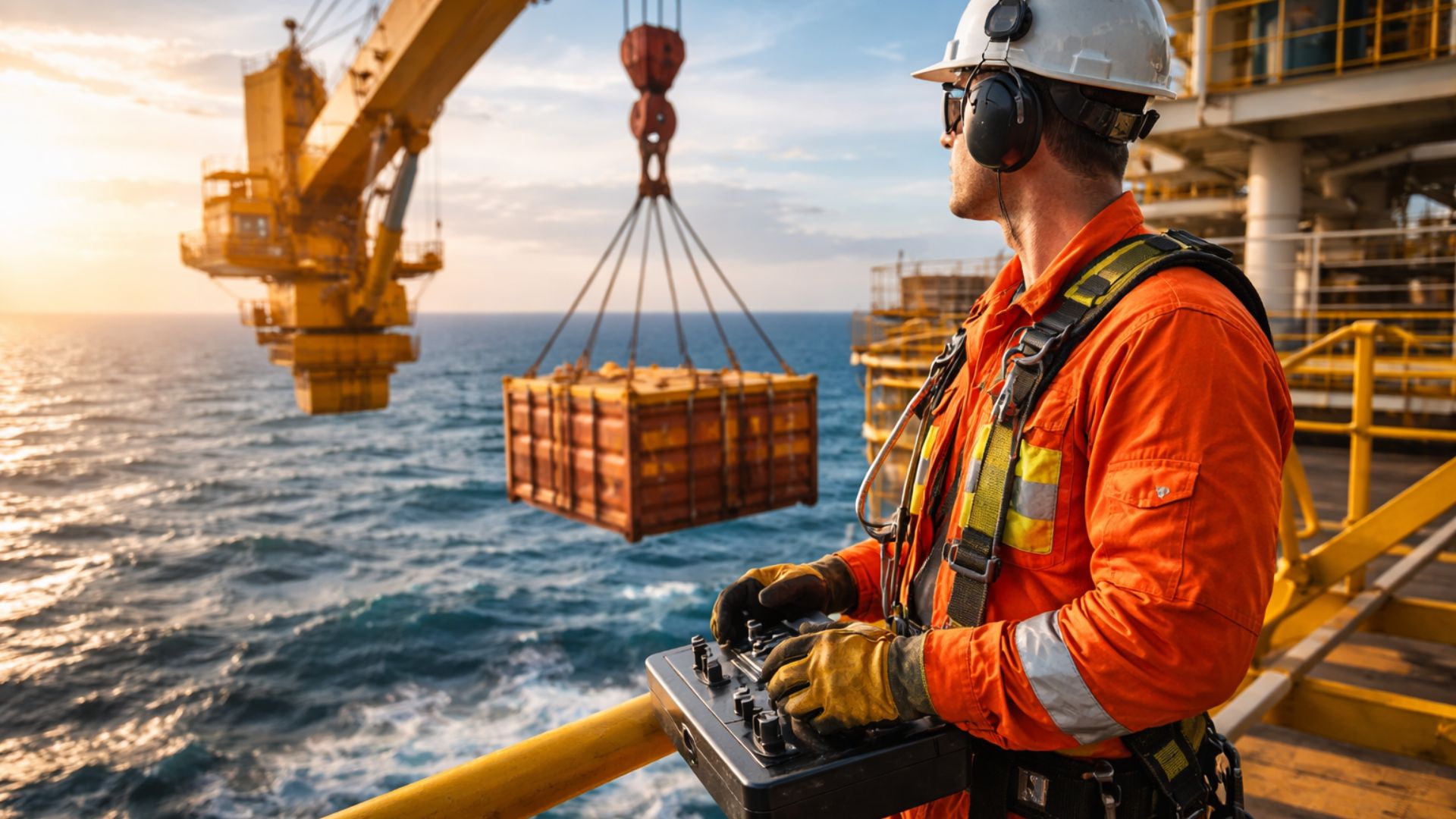
Some of the most common functions include: deckhands, engine room personnel, navigation officers, naval engineers, safety technicians, crane operators, cooks, among others.
They form an essential gear for ensuring that maritime operations occur efficiently and safely.
To enter this career, candidates undergo specific courses required by the Brazilian Navy, such as the CFAQ (Aquatic Formation Course), and must keep their certifications updated, including safety training such as CBSP and HUET, according to information from the Admiral Graça Aranha Instruction Center (CIAGA).
Continuous education characterizes the offshore naval career.
Many professionals seek specializations in navigation, equipment maintenance, environmental safety, and risk management.
This quest for knowledge increases the chances of growth and contributes to the safety and efficiency of operations.
The Strategic Importance Of The Offshore Naval Career For The Country
The offshore naval career is essential today because it is directly linked to energy production, one of the pillars of any economy.
According to data from the ANP in 2023, more than 70% of the national oil production comes from offshore platforms.
These resources supply vehicles, industries, and generate electricity, as well as serve to produce plastics, fertilizers, paints, medicines, and many everyday products.
In addition to the economic aspect, there is the geopolitical importance.
Maintaining a structured fleet and skilled professionals grants the country greater energy autonomy and security.
Another fundamental point is technological development and innovation. Offshore operations demand sophisticated equipment, monitoring systems, automation, and sustainable solutions.
The work of offshore professionals stimulates scientific research and technological advancement, positively impacting other sectors of the economy.
Finally, preserving the marine environment is also part of the work of these professionals. They care for the ecosystem, control pollution, and mitigate environmental risks, reinforcing their role in the sustainability of the sector.
With the advancement of technology, automation and remote systems are transforming offshore work, making it safer and more efficient.
Therefore, we can affirm that, today and in the future, the offshore naval career will continue to be vital for the progress of Brazil and the world.









Seja o primeiro a reagir!