





 Portuguese
  English
  Spanish
  6 min of reading
  0 comments


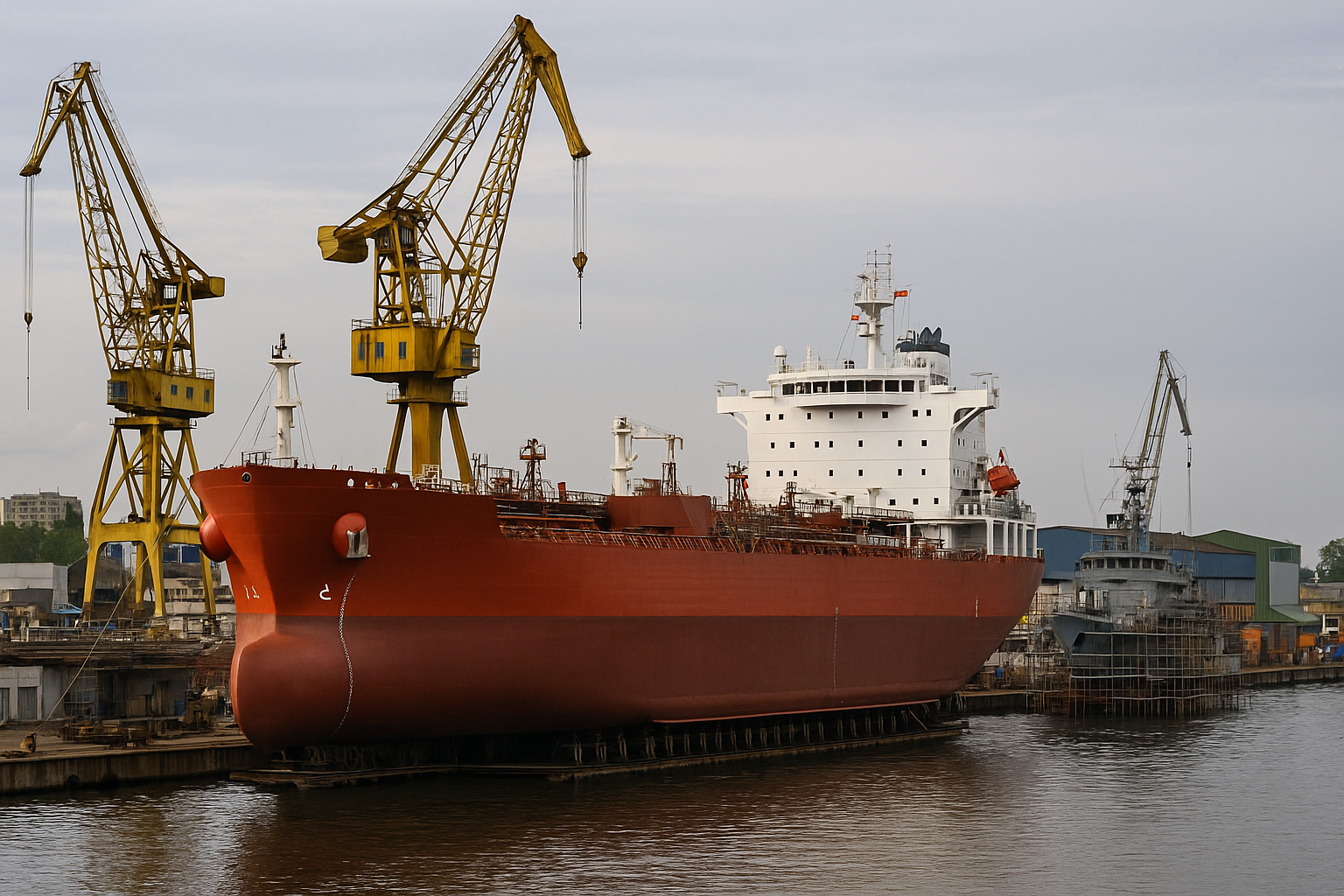
The Naval Industry of Brazil Is Strategic for Transport, Defense, Energy, and Job Creation, Playing a Vital Role in the Economic and Sovereign Development of the Country.
The naval industry of Brazil has a trajectory marked by ups and downs; however, it continues to be a strategic piece for the economic, logistical, and technological development of the country.
Since its inception, it has played an important role in vessel construction, supporting maritime trade, national defense, and the exploration of natural resources.
Moreover, with its vast coastal region and strong connection to navigation, Brazil finds in the naval industry an effective way to strengthen its sovereignty and expand its presence at sea.
-
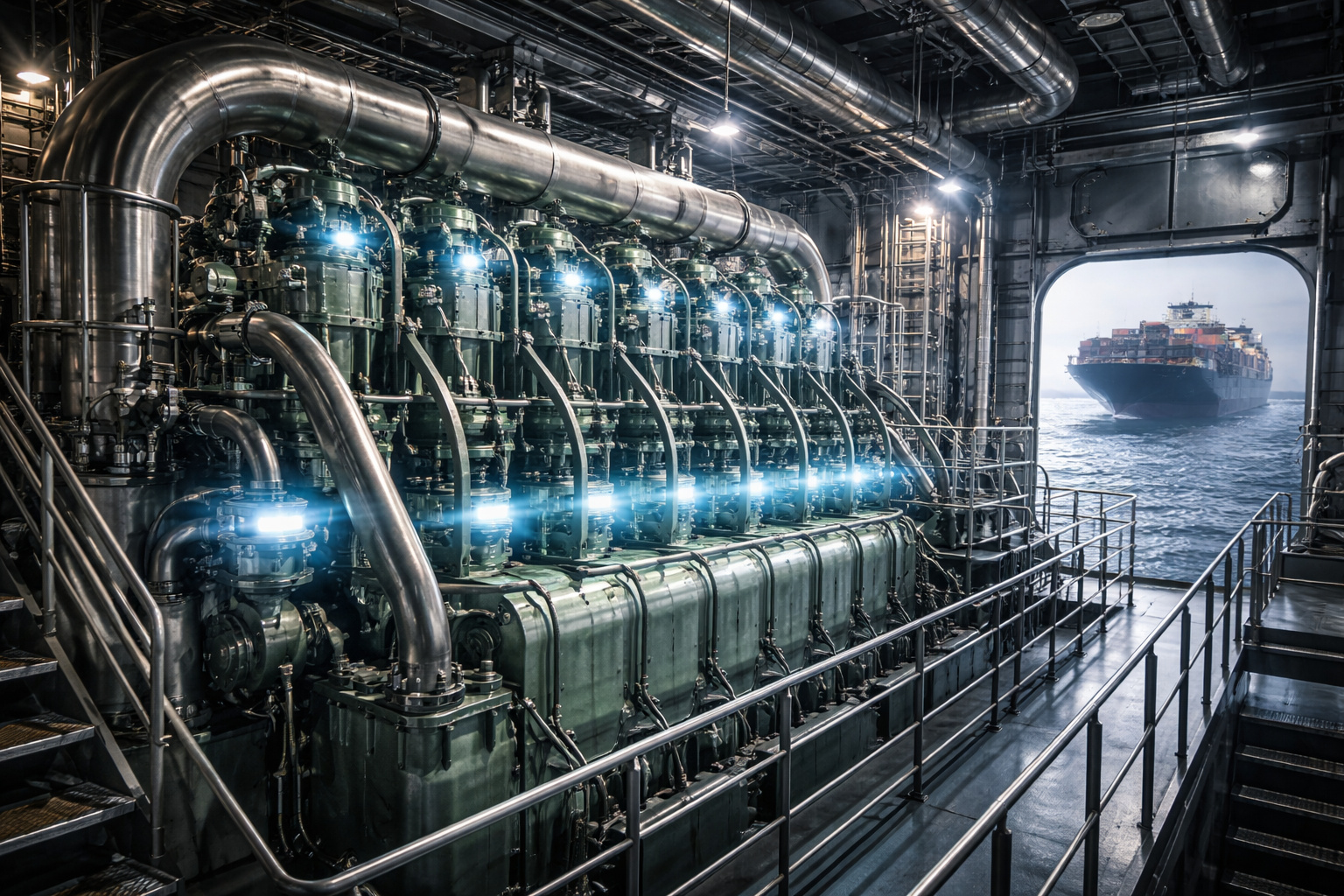
Europe is trying to create an ammonia-powered marine engine without auxiliary fuel, which could unlock the race for giant emission-free ships. The technology aims to eliminate one of the biggest obstacles to clean maritime propulsion.
-
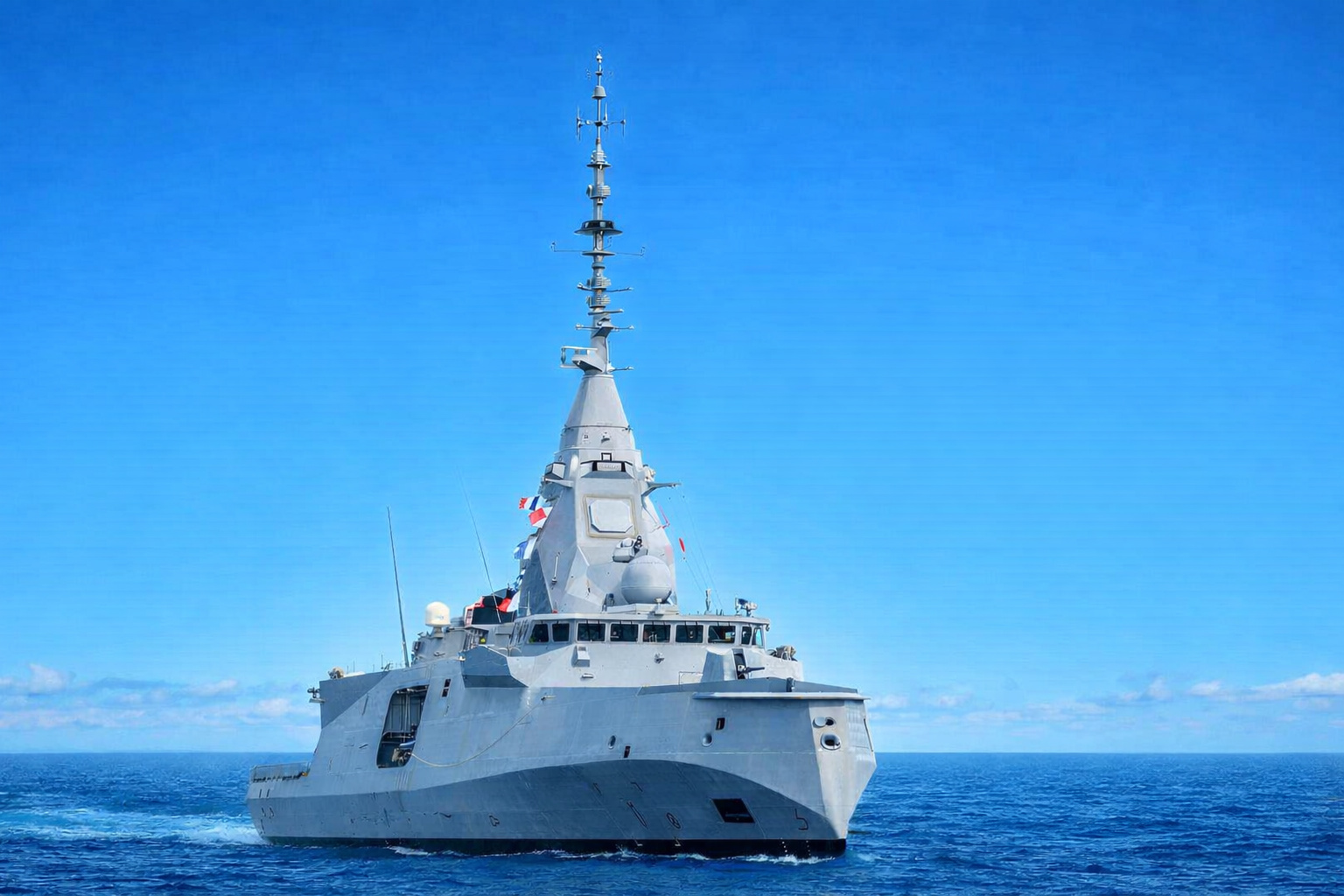
A 4,500-ton frigate with just over 100 crew members, state-of-the-art radar, and cruise missiles is being touted as the new standard of naval warfare in the 21st century.
-
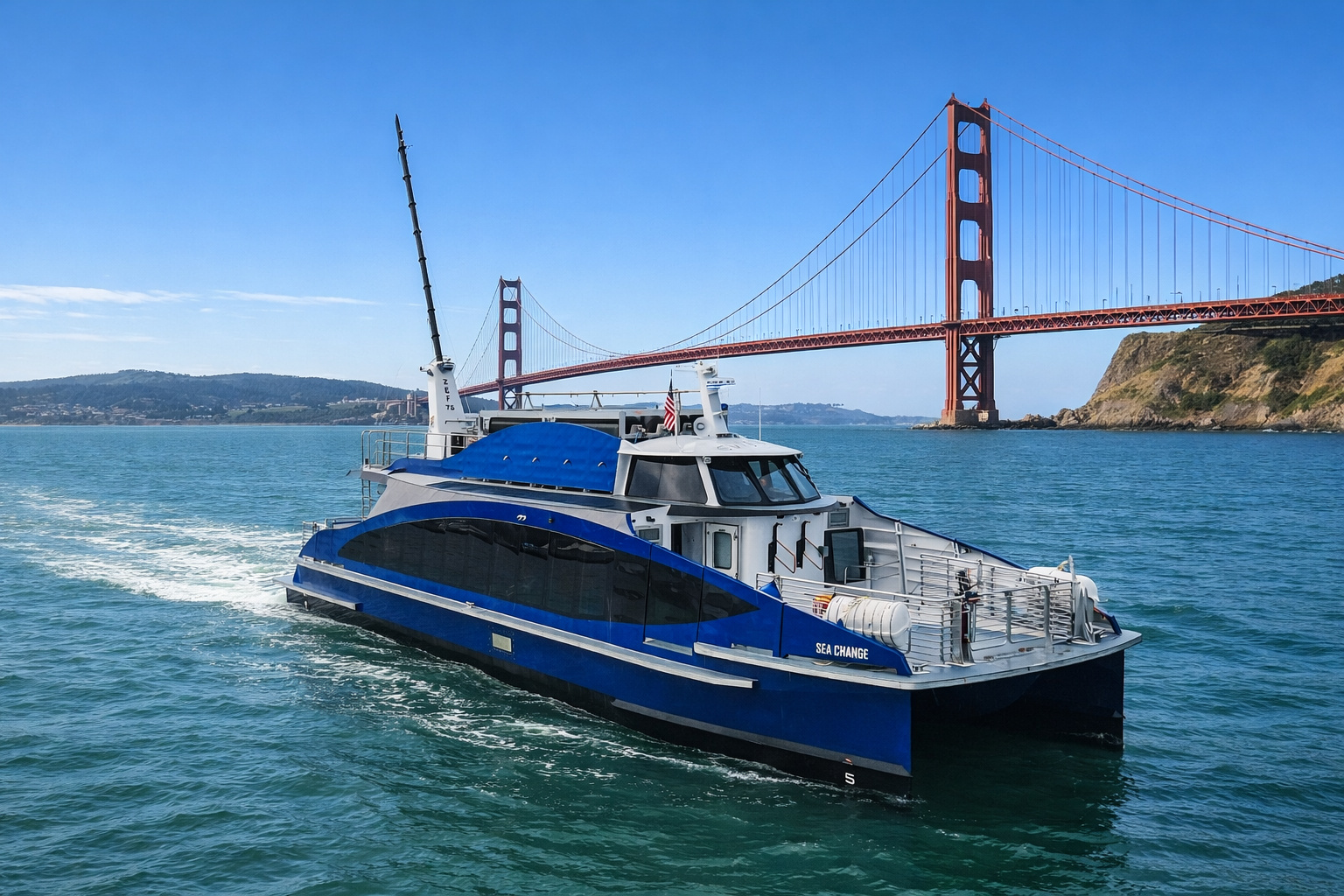
The first commercial hydrogen-powered ferry enters operation in the U.S., eliminates the use of diesel, uses fuel cells to generate clean energy on board, and transforms San Francisco Bay into a landmark of the new era of emission-free navigation.
-
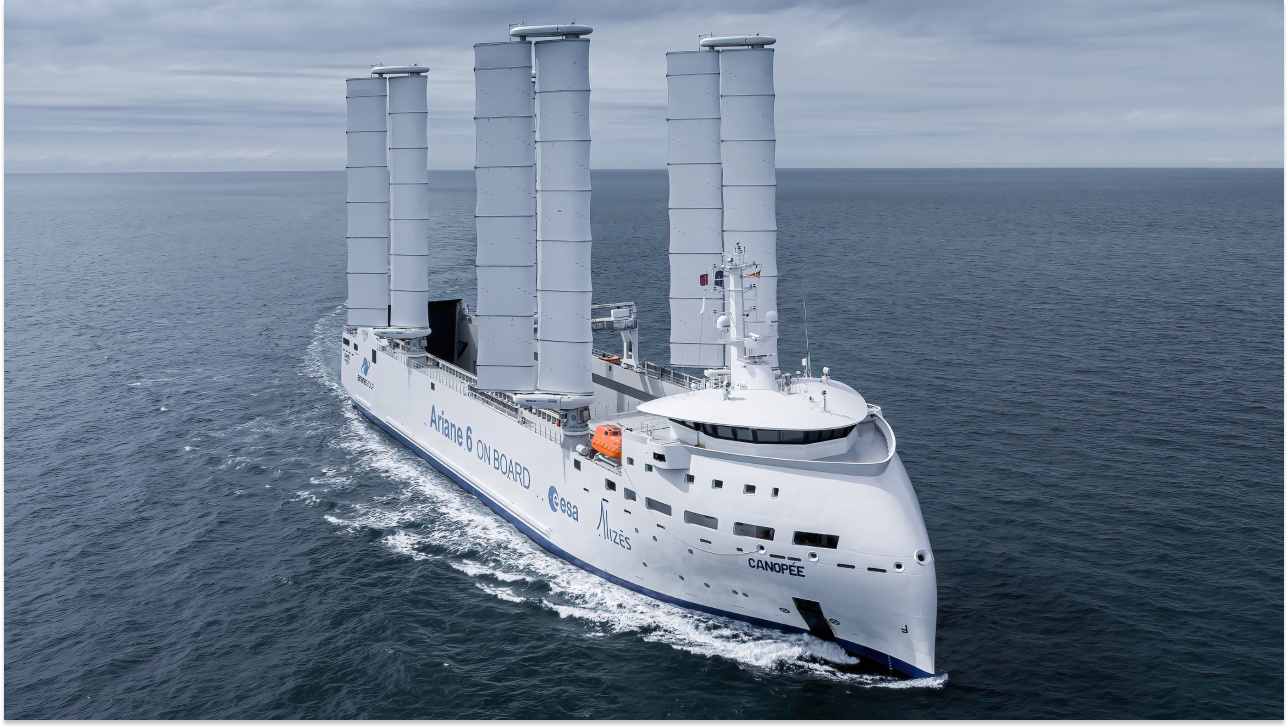
With a length of 121 meters and four rigid sails of 36 meters that automatically rotate to capture the wind, Canopée is the world’s first hybrid industrial cargo ship powered by wind, used to transport rockets and reduce fuel consumption by up to 30% on transoceanic routes.

Shipbuilding involves much more than simply assembling ships; in fact, it requires a complex chain of services and products that demand technical knowledge, innovation, and integration among different industrial sectors.
Therefore, this makes the naval industry an important vector for technological and scientific development.
In fact, it promotes advances in materials, production processes, engineering, and sustainability, which stimulate the modernization of the Brazilian economy.
Additionally, the Brazilian naval industry directly influences food security and environmental sustainability.
For example, maritime transport guarantees the international trade of food and essential products for the country.
On the other hand, the naval sector has been adopting practices that reduce environmental impact, such as building more efficient vessels that are less polluting and equipped with technologies that minimize gas emissions.
The Origins of the Naval Industry in Brazil
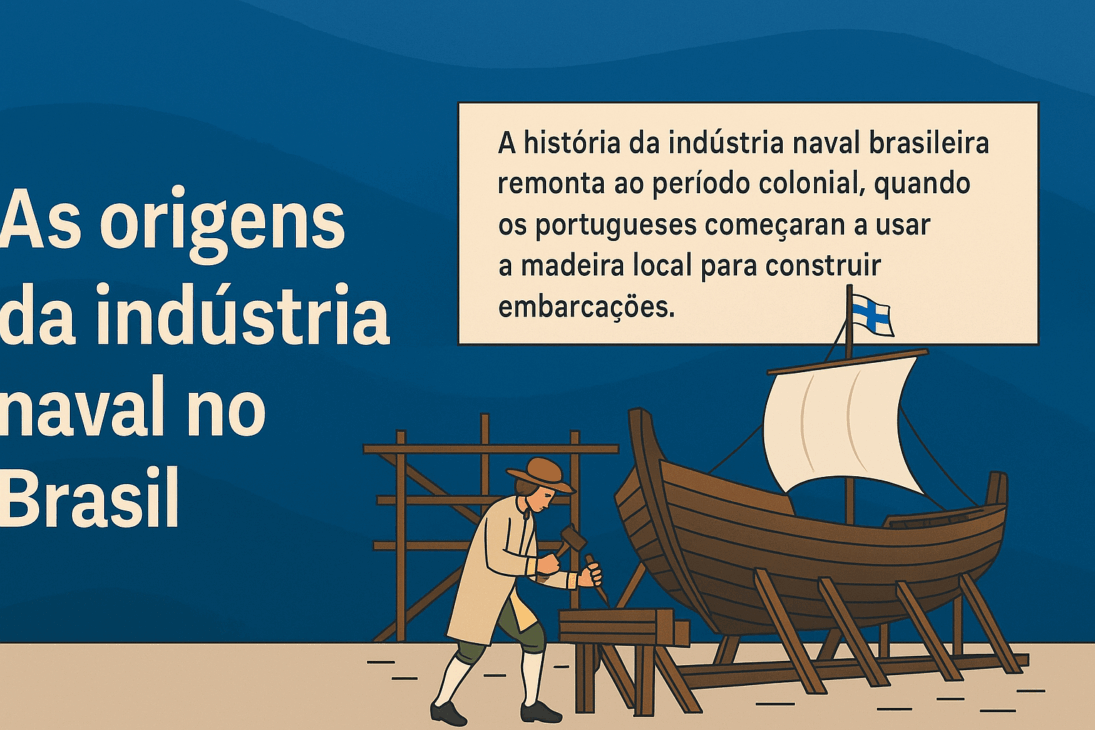
The history of the Brazilian naval industry dates back to the colonial period when the Portuguese arrived in Brazilian lands and began to use local wood to build small vessels.
According to the Brazilian Navy Museum, shipbuilding in the country effectively began in the 16th century, taking advantage of the abundance of native woods such as brazilwood.
Due to the abundance of natural resources like brazilwood and other noble woods, rudimentary shipyards were developed to meet the demands of river and coastal navigation.
Even during that period, the first naval construction centers emerged, such as the Navy arsenals, which were fundamental in ensuring the transport of goods and territorial control.
With the arrival of the Portuguese royal family in 1808, Brazil began to invest more in naval production.
For example, according to the Ministry of Defense of Brazil, the foundation of the Navy Arsenal in Rio de Janeiro in 1808 marked a new moment when European techniques were introduced and workers began to professionalize.
From that point on, the country began to form a more solid foundation for its naval industry, although limited by the political and economic conditions of the time.
Another significant historical fact occurred with the Proclamation of the Republic in 1889, which brought changes in industrial policies and invested in the modernization of the naval fleet, especially to ensure the defense of Brazilian waters.
According to the Brazilian Institute of Geography and Statistics (IBGE), this period marked the beginning of a phase in which Brazil sought greater autonomy in its merchant and military navigation.
Indeed, the advancement of communications and the increase in global maritime trade demanded more modern vessels, and Brazil sought to keep up with this evolution.
The Revival with the Pre-Salt
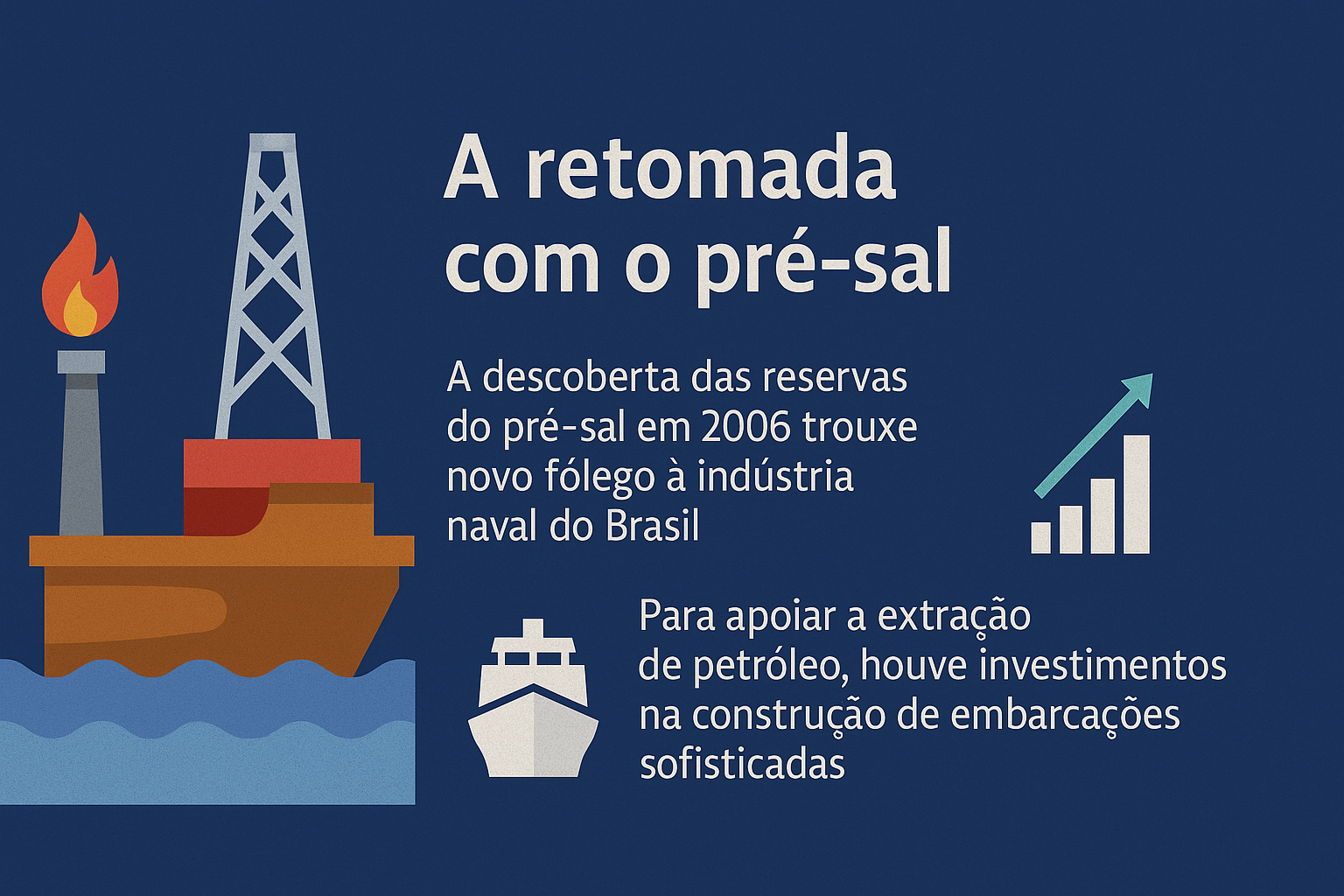
The discovery of pre-salt reserves in 2006, according to the National Agency of Petroleum, Natural Gas and Biofuels (ANP), brought new life to the naval industry of Brazil.
To extract oil from the depths of the sea, the country needed sophisticated vessels such as floating platforms, support ships, tugs, and drilling rigs.
Therefore, the federal government resumed investments in the sector through local content policies and financing from public banks, such as the BNDES.
This new cycle resulted in the reopening and modernization of shipyards, generating thousands of direct and indirect jobs.
And in the development of a robust production chain, involving metallurgy, engineering, logistics, technology, and technical education.
For example, shipyards like Atlântico Sul in Pernambuco and Enseada in Bahia symbolized the attempt to decentralize the industry and take it to other regions of the country.
Despite some challenges faced due to corruption scandals and economic crises that arose in the following years.
This period demonstrated the capacity of the naval industry to respond vigorously to strategic opportunities.
In addition to the pre-salt, Brazil has expanded its operation in constructing vessels aimed at regional navigation, especially for river transport in the Amazon and trade between ports in the South Atlantic.
These activities strengthen national integration and enhance the naval industry in different regions, contributing to regional and social development.
The Current Importance of the Naval Industry in Brazil
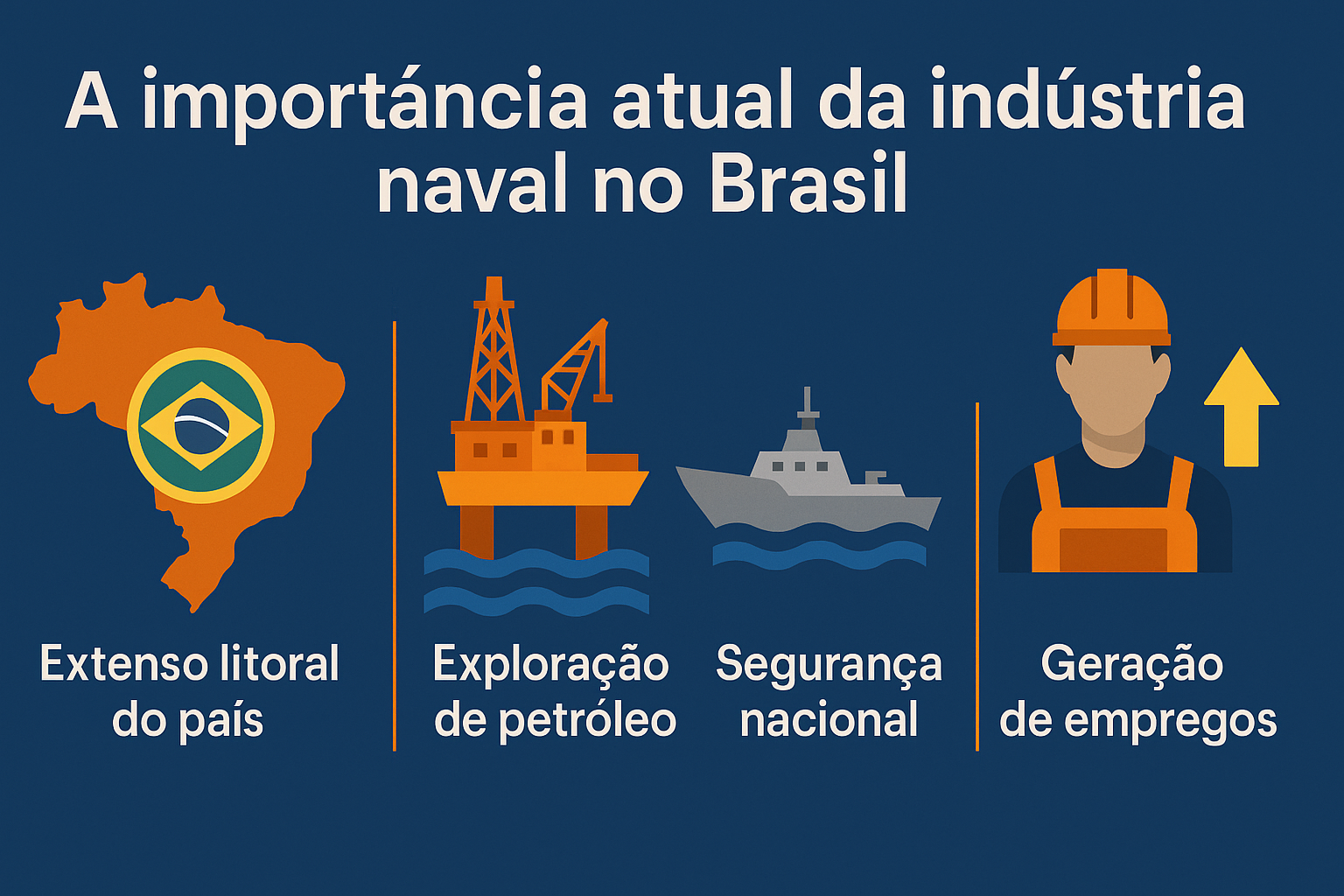
The naval industry of Brazil remains essential for various reasons. First, the Brazilian coastline has over 7,000 kilometers of coast, according to the Brazilian Institute of Geography and Statistics (IBGE).
And navigation is a natural logistical alternative for the transport of goods.
Thus, maritime and river transport reduces costs, preserves highways, and decreases the emission of polluting gases.
Therefore, investing in national ships for this internal transport is a smart and sustainable decision.
Furthermore, the exploration of oil in deep and ultra-deep waters remains a reality in Brazil. The demand for specialized vessels continues to be significant.
Thus, building platforms, FPSOs (Production, Storage, and Offloading ships), and offshore support vessels ensures the country’s energy autonomy.
Another relevant point is the role of the naval industry in national security.
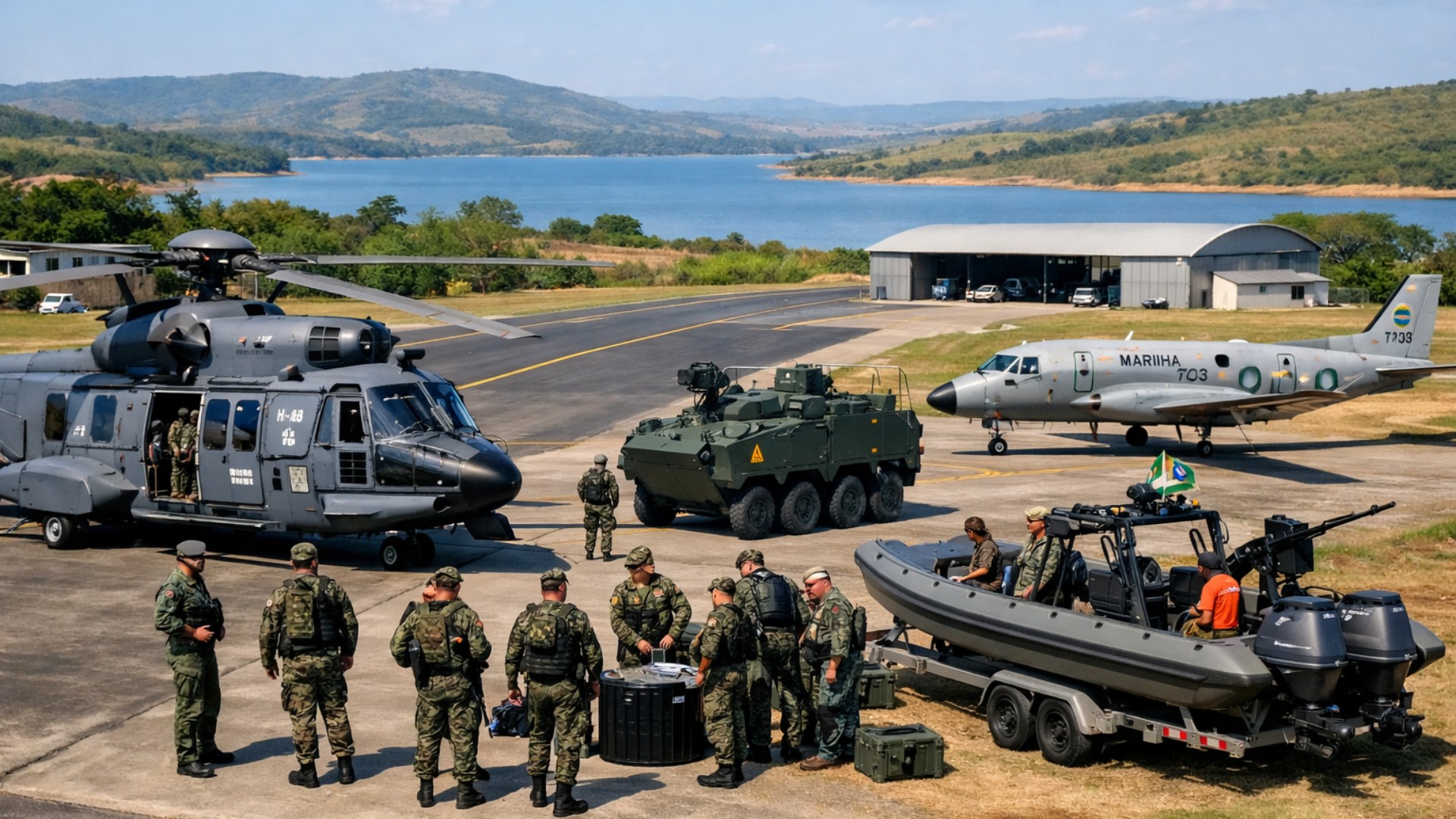
The Brazilian Navy, responsible for protecting our territorial waters, depends on the construction and maintenance of ships, submarines, and patrol vessels.
Therefore, having a national industrial base capable of meeting these demands strengthens Brazilian sovereignty and reduces dependence on foreign suppliers.
Moreover, the naval sector contributes to the development of the defense industry, which has a substantial technological and economic impact.
Bringing benefits to other areas of the national industry and strengthening research and innovation in the country.
Challenges and Perspectives for the Future
Job generation and social impact also cannot be ignored.
The naval industry moves an extensive chain of services and products, employing engineers, welders, designers, machine operators, naval technicians, and many other professionals.
Additionally, it stimulates the qualification of the workforce and the development of industrial hubs in several regions of the country.
Despite its strategic importance, the naval industry of Brazil still faces challenges that need to be overcome.
The lack of stability in public policies, competition with Asian countries that offer much lower costs, and financing difficulties are real obstacles.
Furthermore, bureaucracy and legal insecurity also affect the confidence of investors and entrepreneurs.
On the other hand, new opportunities arise with the energy transition and the search for cleaner energy sources.
Thus, the naval industry can benefit from the construction of vessels powered by natural gas, biofuels, or even electricity.
Additionally, there is potential to operate in the manufacture of components for offshore wind farms, which are growing in various countries.
Moreover, digitization and automation are becoming trends that could transform the Brazilian naval industry.
The adoption of technologies such as artificial intelligence, robotics, and advanced control systems increases productivity, safety, and sustainability of naval operations.
Therefore, valuing, planning, and investing in this sector ensures that Brazil continues to navigate safely into the future.









-

Uma pessoa reagiu a isso.