





 Portuguese
  English
  Spanish
  4 min of reading
  0 comments


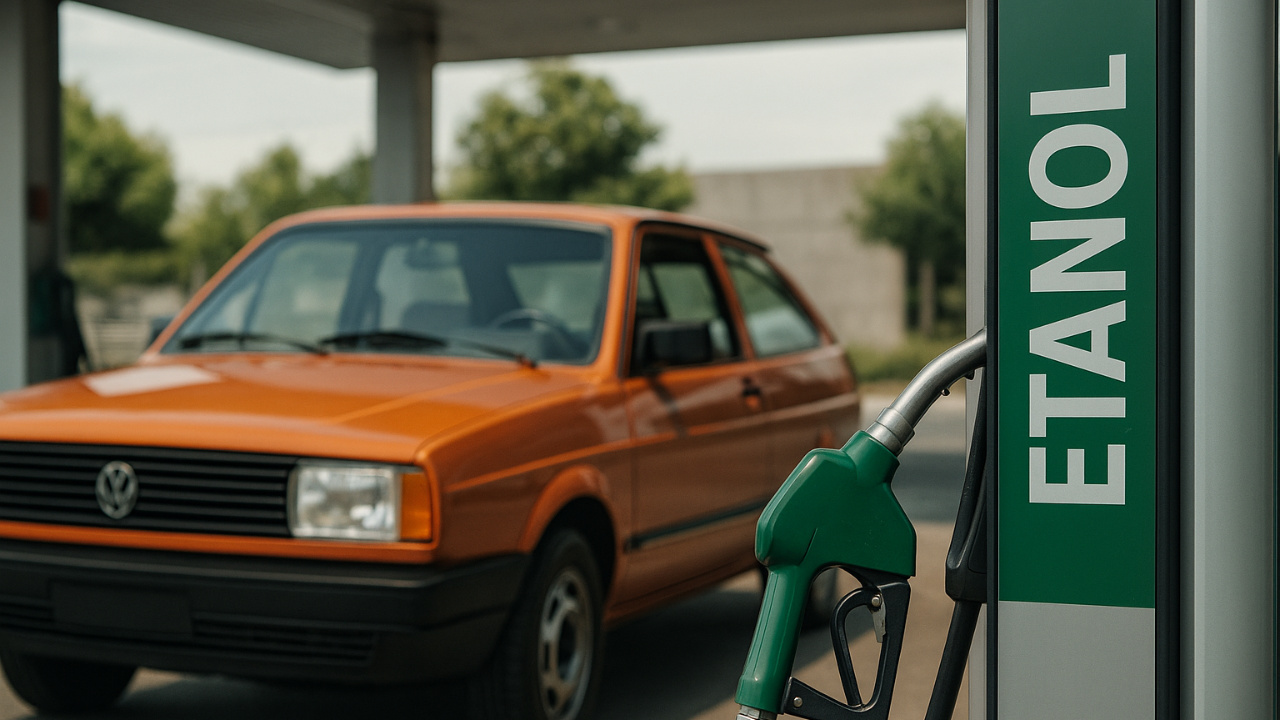
An Average Of 18 Km/L With Ethanol Was A Reality 40 Years Ago And Today It Has Become A Rarity. Learn How Flex Engines And New Regulations Reduced Efficiency.
An average of 18 km/l with ethanol was a reality 40 years ago and today it has become a rarity, but this performance was once possible.
The what, who, when, where, how, and why become clear when revisiting history: in 1982, Volkswagen gathered 520 taxi drivers from São Paulo to compete in an economy tournament behind the wheel of the newly launched ethanol-powered Gol.
During the event, held in the capital city, the drivers had to cover 37.2 km, with 85% of that distance on urban roads.
-
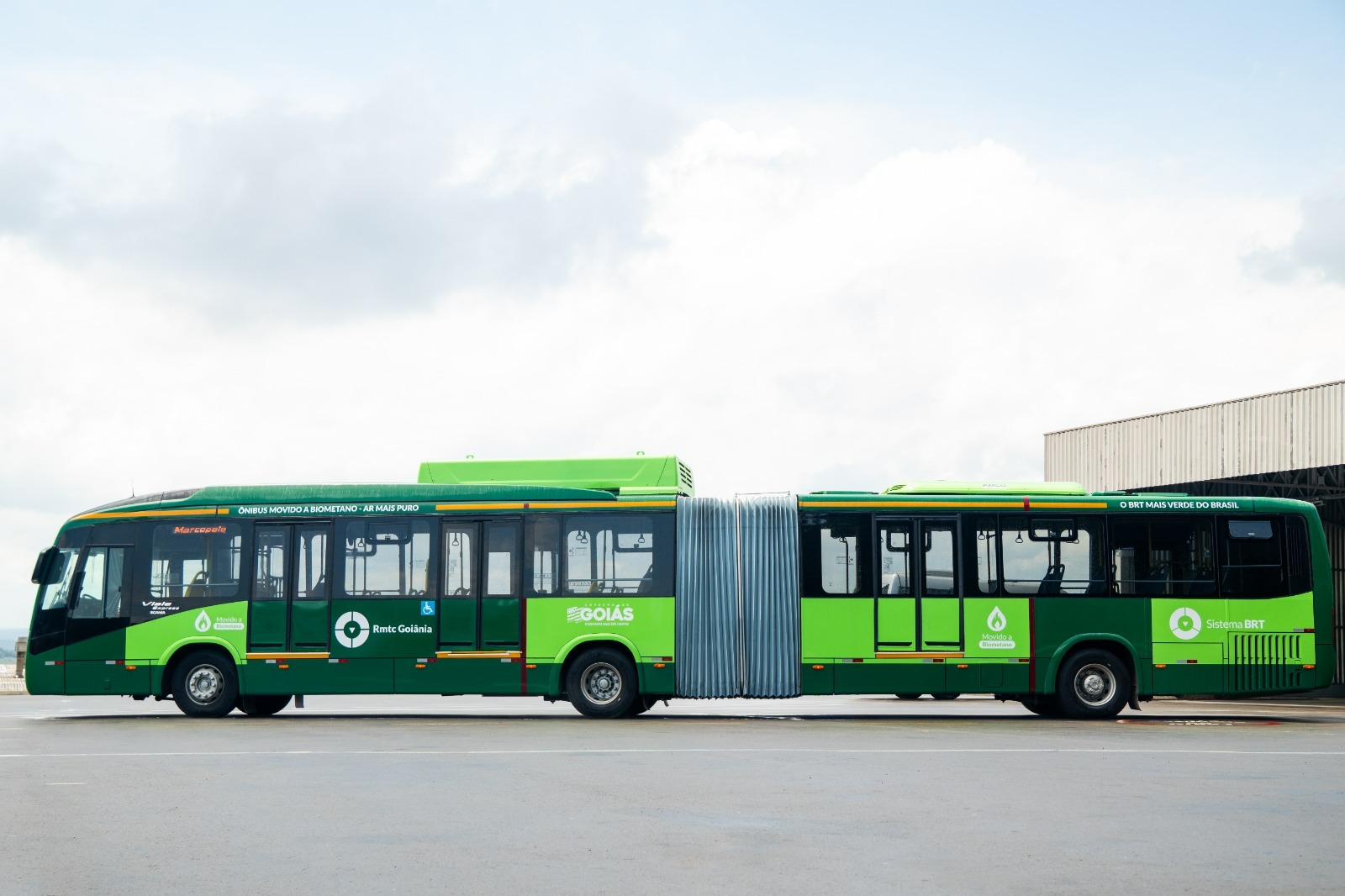
Revolution in public transport: Goiânia puts into circulation the first articulated buses powered by biomethane in Brazil and promises to drastically reduce pollution on the Anhanguera Corridor.
-
From the field to the pipelines: Mato Grosso do Sul accelerates the energy transition and consolidates a new axis in renewable energy with the arrival of a giant biogas plant.

-
The Economist states that Brazil has a “secret weapon” against expensive oil and highlights how the country can reduce economic impacts even in international scenarios of high volatility.

-
Brazil accelerates decarbonization in the South: International forum in Foz do Iguaçu gathers leaders to discuss the advancement of biomethane in the energy matrix and the potential of “caipira pre-salt.”


The result attracted attention because the winning couple achieved 18.32 km/l, a number unimaginable for a modern car fueled with ethanol.
However, while this seemed promising, the efficiency found at that time did not last. Today, even on highways, it is rare for a flex engine to get close to that average.
Thus, it is evident that various technical and regulatory factors have transformed the performance of ethanol over the past four decades.
Why Was Efficiency So High? The Secret Was In The Engine Adjustments
An average of 18 km/l with ethanol was a reality 40 years ago and today it has become a rarity because the older engines were designed exclusively for this fuel.
At that time, consumers chose between vehicles powered only by gasoline, only by ethanol, or by diesel. This allowed manufacturers to optimize engine adjustments.
According to engineer Romio from the Mauá Institute, the alcohol-fueled cars of the 80s operated with a lean mixture, meaning they used proportionally less ethanol in relation to the air in combustion.
He explains:
“Indeed, in the 80s, alcohol-fueled cars were much more economical, as the engine was adjusted to work with a lean mixture, using proportionally less ethanol compared to the amount of air in combustion.
This allowed at the time for ethanol to reach 85% of the energy efficiency of gasoline, compared to 70% currently.”
This calibration was possible because ethanol contains oxygen in its composition, burning faster even in smaller quantities.
Thus, it compensated for part of the lower calorific power compared to gasoline.
When The Turning Point Started: Proconve, Emissions, And Catalysts Changed Everything
With the advancement of environmental regulations, the story took a different turn. In the mid-1980s, Proconve began to impose stricter emissions standards.
A few years later, cars began to feature catalysts for filtering pollutants.
These changes drastically reduced the freedom of engine adjustments.
The old “economy mode” of burning ethanol became prohibited, as it generated emissions incompatible with the new limits.
Thus, efficiency dropped and performance never again approached the records of the previous decade.
Flex Engines: Versatility That Comes At A Cost In Consumption
Another decisive point in explaining why an average of 18 km/l with ethanol was a reality 40 years ago and today it has become a rarity was the introduction of flex engines starting in the 2000s.
By allowing refueling with gasoline, ethanol, or any mixture, these engines had to adopt an intermediate compression ratio.
Romio reinforces:
Ethanol performs better at higher compression ratios, which are unfeasible with gasoline.
In other words, neither option, whether ethanol or gasoline, works at its maximum efficiency. The situation is worsened by the fact that Brazilian gasoline already contains 27% ethanol, further compromising the balance between the two fuels.
Why Not Return To Pure Ethanol? The Answer Lies In The Market
One solution could be to relaunch cars 100% ethanol, optimized to get the most out of sugarcane fuel.
In fact, a few years ago, the then FCA, now part of Stellantis, announced the development of a turbo engine dedicated to ethanol. The goal was to shorten the consumption gap compared to gasoline engines.
However, the project was canceled. The reason, according to industry sources, was consumer resistance.
For many drivers, solely relying on ethanol still generates concern, as its production is affected by off-season, climate, rainfall, and price fluctuations.
Thus, even with potential, the idea did not progress and high efficiency remains in the past.










Seja o primeiro a reagir!