





 Português
  Inglês
  Espanhol
  4 min de leitura
  0 comentários


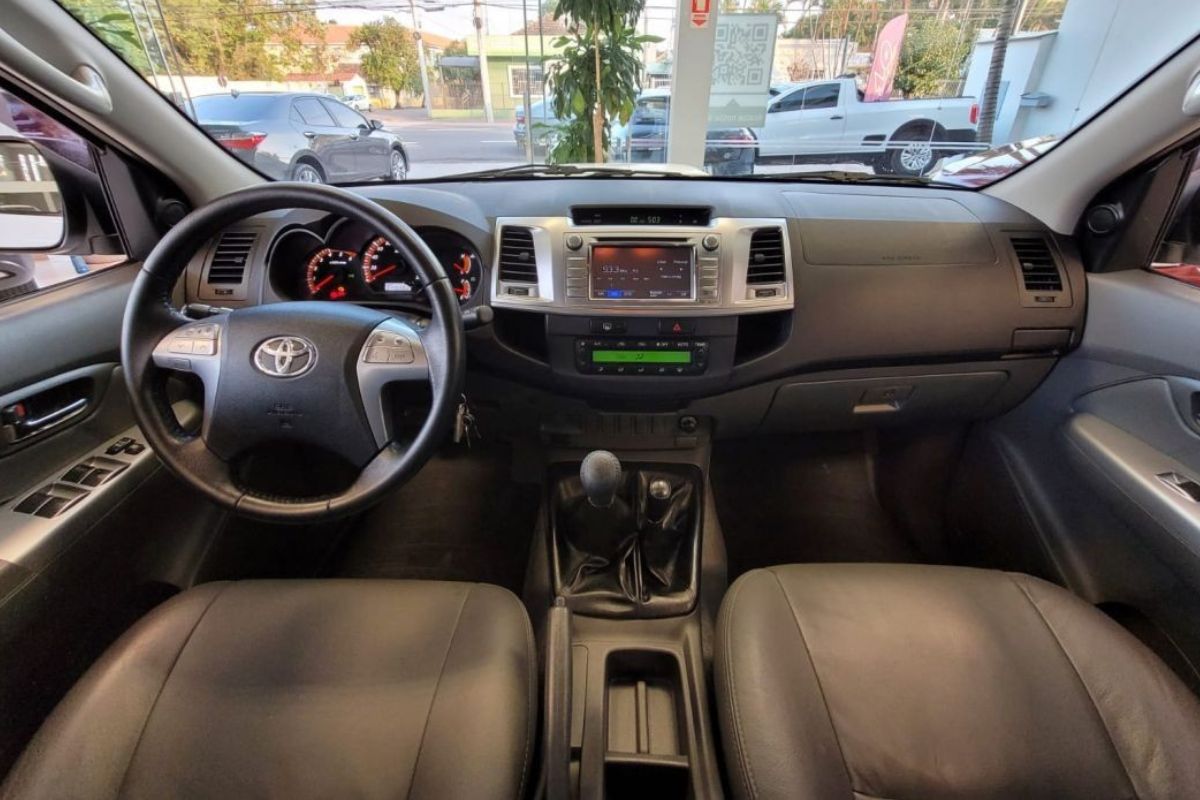
The Last Harvest of the Pickup with 3.0 Diesel Engine and Manual Transmission Became a Phenomenon in the Used Market for Being the Last to Join the Complete Package of Power, Luxury, and Driver Control.
In the world of pickups, the Toyota Hilux is a legend of robustness. But a specific model became a true “unicorn” for enthusiasts: the 2015 SRV version with a 3.0 engine and manual transmission. It was the last of its kind, the final point of an era when it was possible to have the most complete and powerful Hilux with the experience of a manual transmission.
Since the launch of the next generation in 2016, Toyota began offering the manual transmission only in the entry-level versions focused on work. This strategic decision transformed the 2015 manual Hilux SRV into an object of desire in the used market, valued for its unique combination of attributes that the brand has never repeated.
The Zenith of the 7th Generation: The 171 HP of the 3.0 Engine and the Luxury Items of the 2015 SRV Version
The seventh generation of the Hilux (2005-2015) consolidated the fame of “indestructible” for the pickup. The 2015 SRV version represented the pinnacle of this lineage, combining strength and comfort.
-
The world’s first octopus farm wants to open in the Canary Islands and is already provoking an international reaction: the plan aims to produce 3,000 tons per year.

-
Drought may be creating stronger superbugs in the soil and helping antibiotic resistance reach hospitals, warns a study highlighting a problem that could grow alongside extreme weather.

-
The biggest scam in history: Napoleon’s France deceived the United States by selling them a territory that was Spanish.

-
Why is the Danakil Desert so dangerous? It has unstable terrain and how extreme temperatures and toxic gases turn the region into one of the most hostile environments on Earth.

Its heart was the renowned 3.0 D-4D turbo diesel engine with 171 hp and 36.7 kgfm of torque, coupled with a robust 5-speed manual transmission. What made it special was the fact that it did not skimp on equipment. It came with leather seats, digital air conditioning, a multimedia center with GPS, and a rearview camera. More importantly, it already offered a complete safety package with stability (VSC) and traction (TRC) controls, items that many competitors of the time did not have.
The 2016 Change: How the 8th Generation of the Hilux Abandoned the Manual Transmission in the More Expensive Versions
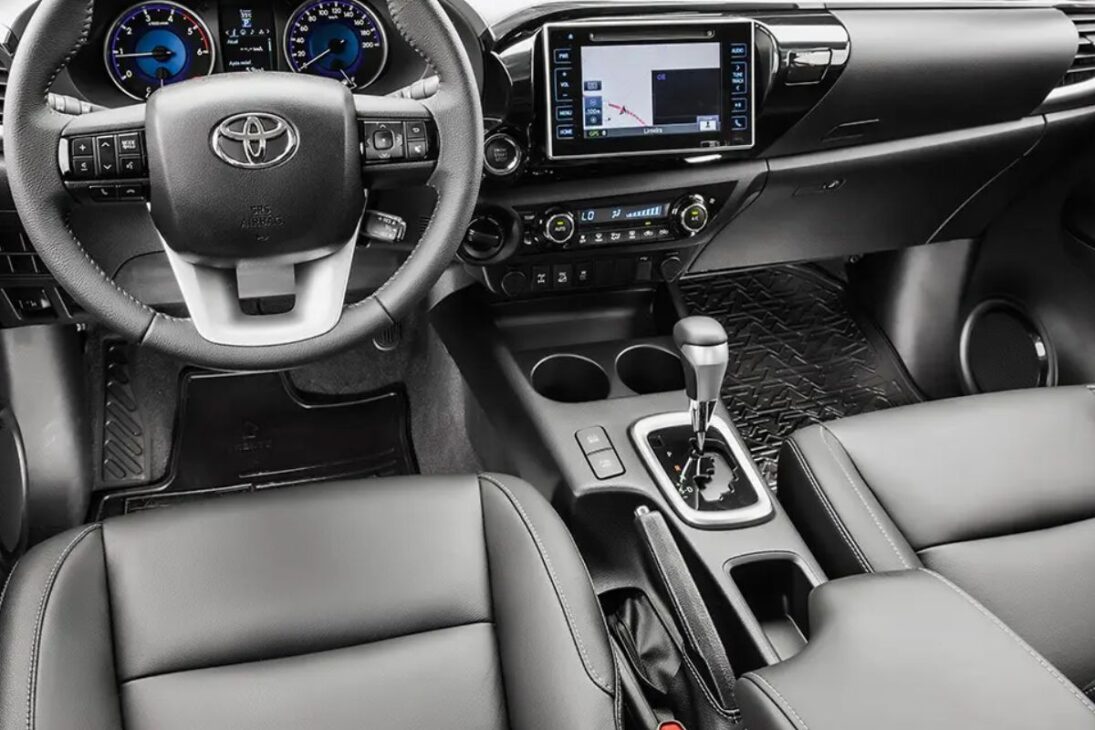
In November 2015, Toyota launched the eighth generation of the Hilux in Brazil, already as a 2016 model. The change was radical. The pickup gained a more elegant design, a quieter interior, and a new family of ‘Global Diesel’ (GD) engines, highlighted by the new 2.8 turbo diesel engine with 177 hp.
Along with the change came a new market strategy. Toyota decided that the more expensive and desired versions (SR, SRV, and the new SRX) would be exclusively equipped with a new smooth 6-speed automatic transmission. The manual transmission was restricted to work versions (Chassis, Single Cab, and STD), which did not have the same luxury and safety items.
The Logic of Toyota: Why the Brand Preferred to Focus on the Automatic Transmission and on a Pickup More Like a Sedan
The decision by Toyota was a direct response to a change in the market. Increasingly, the pickup buyer was not just a farmer or construction worker, but also families using the vehicle for leisure and as a status symbol in the city. For this new audience, the comfort and practicality of an automatic transmission were more important than the engagement of a manual.
By making the automatic transmission standard in the top versions, Toyota aimed directly at this “lifestyle” consumer. The maneuver was also financially intelligent, as automatic versions have higher profit margins and simplify production. The brand effectively redefined what a luxury pickup was, and the manual transmission was no longer part of that equation.
The Fight with S10 and Ranger: The Pressure from Competition That Helped Seal the Fate of the Manual Hilux
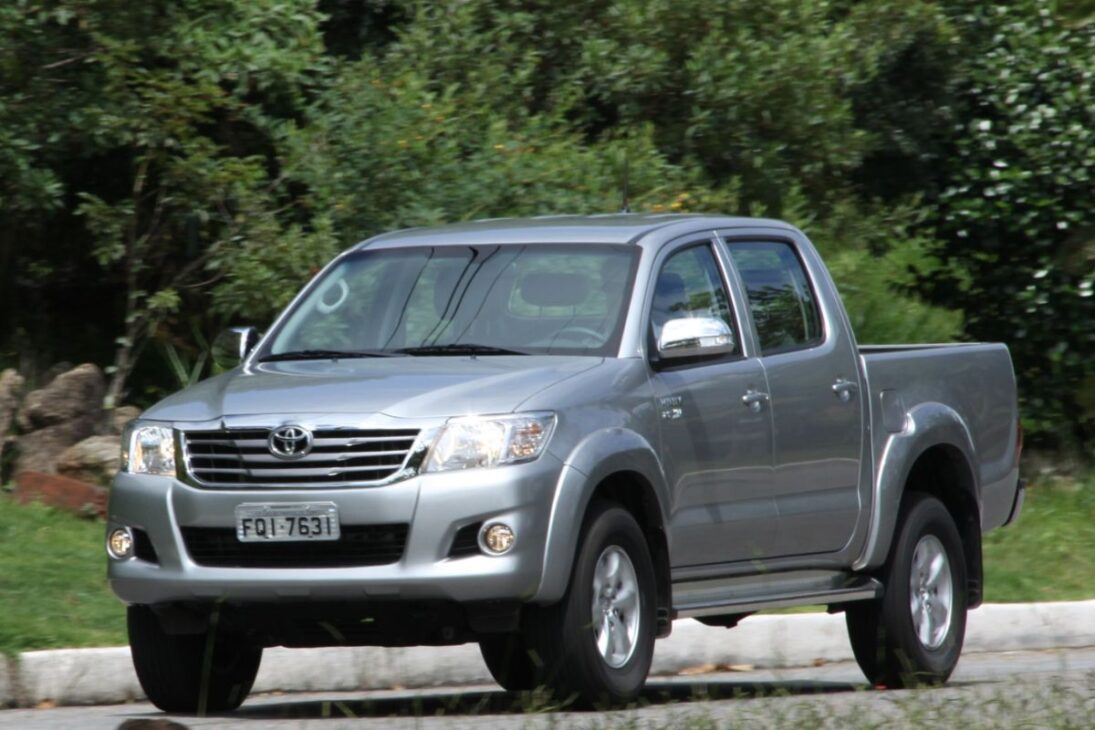
Toyota’s strategy was also a reaction to strong competition. In 2016, the Chevrolet S10 High Country had a clear advantage in power with its 2.8 engine producing 200 hp. On the other hand, the Ford Ranger was the benchmark in comfort and drivability, being the pickup that most resembled a sedan.
Toyota was being surpassed in brute strength by the S10 and in comfort by the Ranger. Instead of entering a power war, the company decided to focus on its strengths—reliability and safety—and make a leap in refinement to compete with the Ranger. The new 6-speed automatic transmission was central to this strategy. To do this, the brand sacrificed the niche of manual transmission purists to focus on the battle for premium consumers.
The Appreciation of the 2015 SRV Version in the Used Market in 2024
The 2015 SRV version manual became a “unicorn” because it was the last to offer “the best of everything” without sacrifices. Those wanting a manual transmission in 2016 would have to give up leather seats, digital air conditioning, and, most importantly, the important stability and traction controls.
This exclusivity is reflected in the prices. In June 2024, the average value of the 2015 SRV version manual in the FIPE Table was R$ 145,132, practically the same as the top-of-the-line automatic version of the same year (R$ 145,911). This shows a higher value retention for the manual model, which has become a modern classic for those seeking the unique combination of power, luxury, and complete control that no longer exists in new pickups.









-

-

-

-

14 pessoas reagiram a isso.